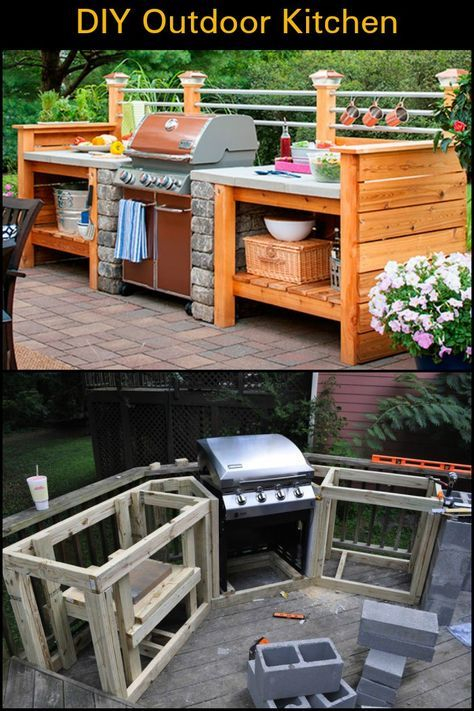
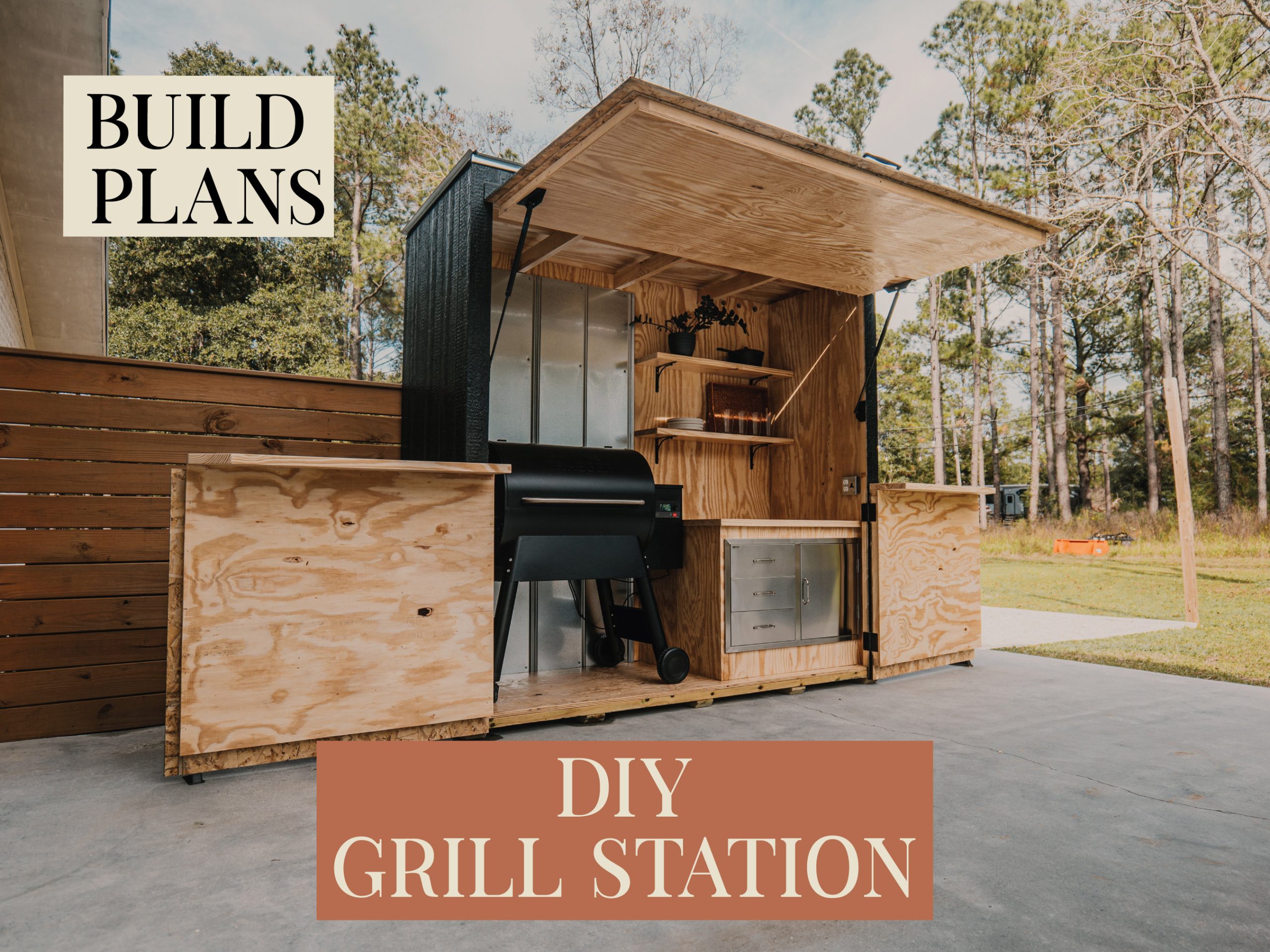
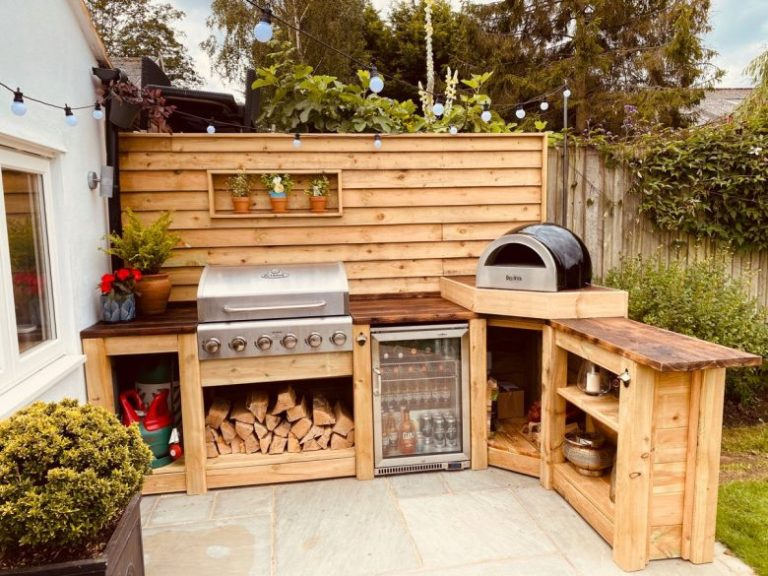
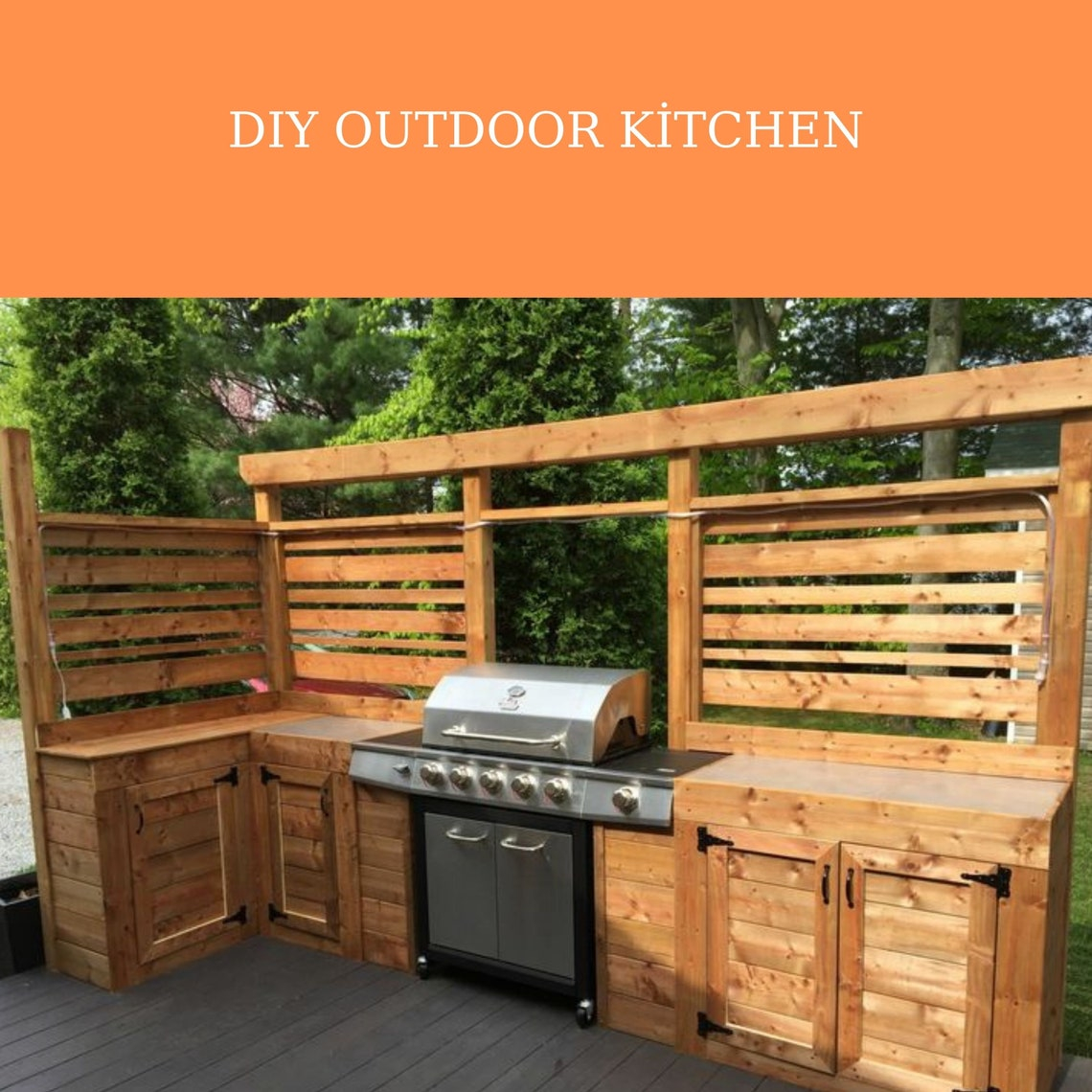
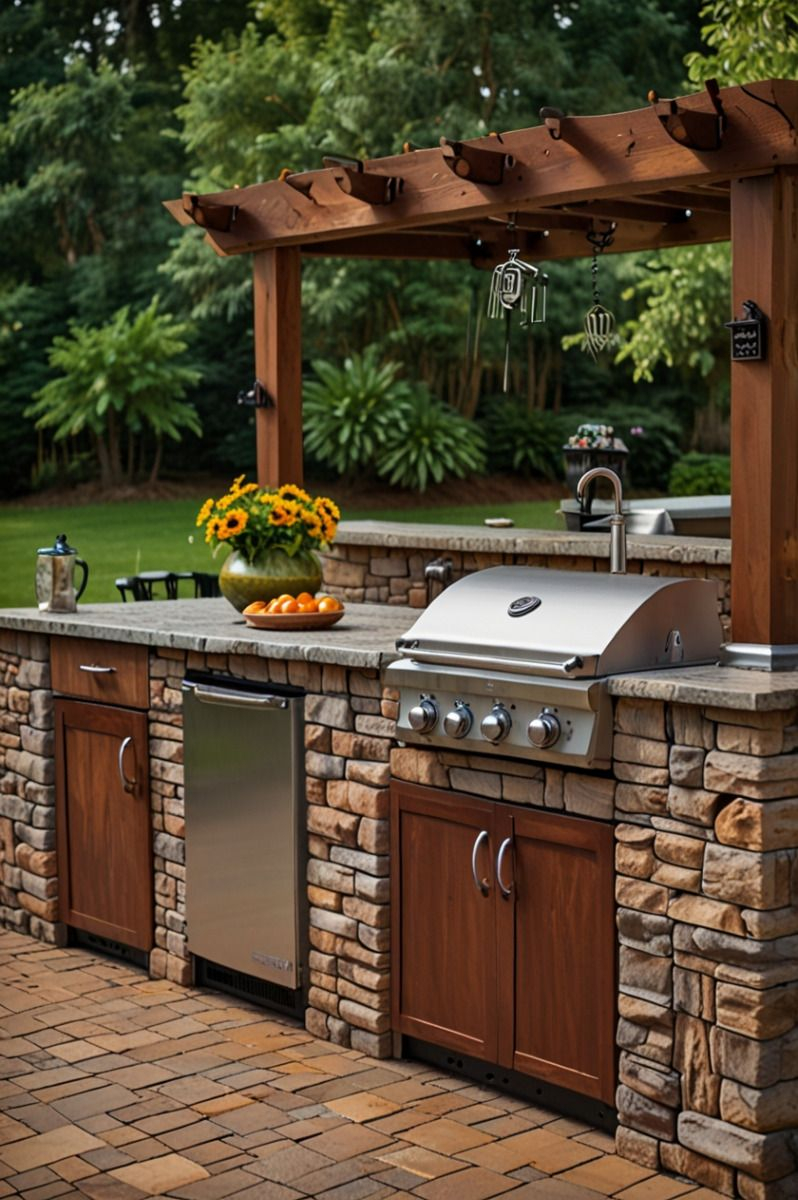
There is something primal about cooking over fire. It draws people in. It slows down the rush of the day. But let’s be honest, dragging a rusty charcoal kettle across a uneven patio isn’t exactly the peak of modern living. We’ve moved past that. The backyard is no longer just a place to store lawn mowers; it’s an extension of our living rooms, our dining areas, and honestly, our identities. In 2026, the built-in BBQ has become the anchor of this outdoor evolution. It’s not just about grilling a burger anymore. It’s about creating a stage where food, friends, and design collide.
You might think adding a permanent grill structure is a huge undertaking. Maybe even a bit intimidating. But the truth is, blending style with function doesn’t require a mansion or a millionaire’s budget. It requires intention. It’s about asking the right questions before you lay the first stone. Where does the wind blow? How do you want your guests to flow around you? Do you prefer the sleek silence of stainless steel or the warm, rough texture of natural stone? These choices define the soul of your space. And when you get them right, the result is more than a kitchen. It’s a destination.
The trend this year is shifting away from oversized, complicated setups that look impressive but are a nightmare to clean. Instead, we’re seeing a return to curated simplicity. People want spaces that work as hard as they look good. They want durability that doesn’t sacrifice beauty. Whether you are working with a tiny urban balcony or a sprawling suburban yard, the principles remain the same. Form follows function, but style keeps the party going. Let’s dive into how you can create a space that feels effortless, looks stunning, and actually makes you want to cook outside more often.
Choosing Materials That Weather the Storm and Look Good Doing It
The first thing anyone notices about your built-in BBQ is what it’s made of. In the past, concrete was king because it was cheap. But plain concrete cracks, stains, and looks dreary after a few winters. Today, the material palette has expanded dramatically. Stainless steel remains a top choice for modern, industrial vibes. It’s sleek, hygienic, and reflects light, making small spaces feel larger. But it’s not just about shiny metal anymore. We’re seeing a rise in powder-coated finishes that resist fading and scratching, offering matte blacks, deep navys, and even earthy terracottas that blend seamlessly with garden foliage.
Stone is making a massive comeback, but not in the chaotic, mismatched way we saw in the early 2000s. Think refined ledger stone, smooth travertine, or even large-format porcelain slabs that mimic the look of marble without the maintenance headaches. These materials add weight and permanence to your design. They ground the space. A key tip for 2026 is to mix textures. Pair a smooth, cool countertop with a rougher, warmer base material. This contrast creates visual interest and prevents the area from feeling too sterile. Just remember, every material has a personality. Steel is cool and professional. Stone is rustic and welcoming. Choose the one that matches the vibe of your home’s interior to create a seamless transition from inside to out.
Durability is non-negotiable. You are building this to last decades, not seasons. When selecting materials, consider your local climate. If you live near the coast, salt air will eat standard steel for breakfast. Opt for marine-grade 316 stainless or sealed stone. In areas with harsh freeze-thaw cycles, ensure your base materials are properly insulated and drained to prevent cracking. It’s unglamorous work, but sealing your concrete countertops and using weatherproof cabinet doors will save you from heartache later. A little prep work now means your BBQ island still looks fresh five years from now, rather than like a neglected relic.
Layout Logic: Creating a Workflow That Feels Natural
A beautiful grill is useless if you have to run back inside to get a plate. The biggest mistake people make is treating the outdoor kitchen as an afterthought, rather than a functional workspace. The golden rule here is the "work triangle," adapted for the outdoors. You need three key zones: the cold zone (fridge/storage), the hot zone (grill/cooktop), and the wet zone (sink/prep). These should be close enough to reach without taking more than a step or two, but not so crammed that you feel claustrophobic while cooking.
Think about the flow of people, too. Where will your guests stand? If you love to entertain, consider a peninsula or U-shaped layout that allows people to sit on the other side of the counter while you cook. This turns meal prep into a social activity. You’re not stuck with your back to the party. In 2026, we’re seeing more open-concept designs that remove upper cabinets entirely, replacing them with open shelving or hanging racks. This keeps sightlines open and makes the space feel airy. It also forces you to keep things tidy, which is actually a good thing for functionality. Clutter is the enemy of good design.
Don’t forget the landing space. You need at least 12 to 18 inches of counter space on either side of your grill. This is where you put the platter of raw meat before it goes on the heat, and where the cooked food rests before serving. Without this buffer, you’re juggling hot tools and precarious plates, which is a recipe for disaster. If space is tight, consider fold-down extensions or movable carts that can tuck away when not in use. The goal is to make the act of cooking feel fluid, not frantic. When the layout works, you barely notice it. You just enjoy the process.
Integrating Smart Storage and Hidden Utilities
Let’s talk about the stuff you don’t see. Storage is the unsung hero of any great outdoor kitchen. You need a place for propane tanks, charcoal, utensils, cleaning supplies, and those extra cushions that appear when it rains. Built-in cabinetry designed specifically for outdoor use is essential. Look for doors made from polymer, stainless steel, or treated teak. Avoid standard indoor cabinets, even if they are painted; the humidity and temperature swings will warp them within a year. Drawers are often better than doors for easy access to heavy items like cast iron skillets or bags of charcoal.
Ventilation is another critical, often overlooked element. If you are installing your grill under a covered patio or pergola, you must have proper airflow. Smoke buildup is not only annoying; it’s a health hazard and can damage your ceiling. Install a high-quality outdoor-rated ventilation hood that vents to the outside, not just recirculates the air. In 2026, many of these hoods come with integrated LED lighting and even sound systems, blending utility with ambiance. Make sure the hood is wide enough to capture the smoke from your entire cooking surface. A hood that’s too small is basically decorative, and decoration doesn’t keep your eyes from watering.
Utility connections should be planned early. Gas lines, water lines, and electrical outlets need to be run before you build the structure. Don’t try to hide extension cords under rugs; it’s a fire hazard and looks terrible. Plan for dedicated circuits for your fridge, lights, and any electric accessories. If you’re adding a pizza oven or a side burner, factor in their power needs too. Conceal these utilities within the structure itself. Use access panels that match your cabinetry so you can reach shut-off valves or junction boxes without dismantling your beautiful stone facade. It’s about keeping the magic alive while ensuring the mechanics are safe and accessible.
Lighting the Scene: Ambiance Meets Task Performance
Lighting can make or break your outdoor experience. Most people stick with a single overhead floodlight, which casts harsh shadows and makes everyone look like they’re being interrogated. That’s not the vibe we’re going for. Layer your lighting. Start with task lighting. Under-cabinet LEDs are perfect for illuminating your prep areas and grill surface. You need to see if that chicken is cooked through, after all. Choose warm-white bulbs (around 2700K to 3000K) rather than cool blue tones, which can make food look unappetizing.
Next, add ambient lighting. This is the glow that sets the mood. String lights overhead, recessed lights in the patio ceiling, or low-voltage path lights around the base of the BBQ island can create a soft, inviting atmosphere. In 2026, smart lighting systems are becoming standard. Imagine dimming your lights with a voice command or setting a "dinner party" scene that slowly brightens as the sun sets. It adds a layer of sophistication and convenience that feels luxurious but is increasingly affordable.
Finally, don’t forget accent lighting. Highlight architectural features, like a textured stone wall or a vertical herb garden. Small spotlights can draw the eye to these details, adding depth and dimension to your space. Solar-powered options have improved significantly, offering reliable brightness without the hassle of wiring. However, for consistent performance, hardwired low-voltage systems are still the gold standard. The key is balance. You want enough light to cook safely, but not so much that you lose the intimacy of the night. It’s a dance between visibility and mystery.
Bringing Nature In: The Garden-to-Table Connection
One of the most exciting trends in 2026 is the integration of living elements directly into the BBQ structure. Why walk to the garden for basil when you can snip it from a built-in planter box right next to your grill? Raised herb beds incorporated into the countertop or side tables make garden-to-table cooking effortless. It’s not just practical; it’s sensory. The scent of rosemary and thyme mingling with the smoke from the grill creates an unforgettable aroma that defines the outdoor experience.
Use native plants that thrive in your specific climate. Succulents are great for dry, sunny spots, while ferns and mosses work well in shadier, cooler areas. These green pockets soften the hard lines of stone and steel, making the structure feel like it belongs in the landscape rather than sitting on top of it. Consider using permeable materials around the base of your BBQ to allow rainwater to soak into the ground, supporting nearby plant life and reducing runoff. This eco-conscious approach is not just good for the planet; it reduces the heat island effect, keeping your cooking area cooler in the summer.
Vertical gardens are another clever way to add greenery without sacrificing floor space. Mount living walls on the back splash or side panels of your BBQ island. These can be irrigated automatically, ensuring your herbs stay lush with minimal effort. The visual impact is striking, turning a functional appliance into a living piece of art. It reminds us that cooking is a natural act, connected to the earth. By blurring the line between the kitchen and the garden, you create a space that feels restorative and alive. It’s a reminder to slow down and appreciate the ingredients, the process, and the company.
Your BBQ area should reflect who you are. Are you a serious pitmaster who needs a smoker box and a rotisserie? Or are you a casual host who prefers a simple sear and a glass of wine? Customize your setup to match your lifestyle. Add a pizza oven if you love homemade pies. Include a teppanyaki plate for stir-fries. Install a beer tap if you’re into craft brews. These personal touches transform a generic outdoor kitchen into your personal culinary sanctuary. Don’t be afraid to mix styles, either. A modern steel grill can look incredible against a rustic reclaimed wood backdrop. It’s your space; make it speak your language.
Think about the future, too. Technology is moving fast. Leave room in your design for upgrades. Maybe today you don’t need a smart fridge, but in three years, you might want one. Ensure your electrical panel has extra capacity. Choose modular components that can be swapped out easily. If you buy a high-end grill, check the warranty and availability of replacement parts. Brands that offer long-term support are worth the extra investment. You’re building this for the long haul, so choose quality over quick fixes.
Finally, maintain it. A built-in BBQ is an investment in your home’s value and your quality of life. Regular cleaning, seasonal checks on gas lines, and resealing stone surfaces will keep it looking new. Cover it when not in use, especially during harsh weather. Treat it with the same care you would your indoor kitchen. When you do, it rewards you with years of memorable meals, laughter, and connection. It becomes more than a structure; it becomes the heart of your home, beating steadily under the open sky.
So, where do you start? Look at your space. Dream a little. Then, build with purpose. Blend the beauty of nature with the precision of modern design. Create a place where function serves style, and style enhances function. The result won’t just be a BBQ. It’ll be the place where memories are made, one meal at a time. And really, isn’t that what it’s all about?