You bought the bare-root vine with such hope. Maybe it was a Concord for jelly, or a Cabernet for that dream of homemade wine. You dug the hole, watered it in, and waited. But by mid-summer, the leaves turned brown and crispy. Or maybe the vine grew like crazy but never produced a single grape. It’s frustrating, isn’t it? You look at those tangled, lifeless canes and wonder what went wrong. Was it the soil? The weather? Bad luck?
Usually, it’s not bad luck. It’s something much simpler. And honestly, a bit more preventable. Most backyard grape failures come down to just a handful of recurring errors. These aren’t complex agricultural mysteries. They are basic oversights that happen when we treat grapes like tomatoes or roses. But grapes are different. They are tough, sure, but they have specific needs that, if ignored, will kill them slowly or quickly. Let’s talk about the five big ones. The mistakes that are likely strangling your vine right now.
Planting in the Wrong Spot (It’s Not Just About Sun)
We all know plants need sun. So you pick the sunniest spot in your yard. That’s good. But it’s not enough. Grapes are incredibly sensitive to air flow and drainage. If you plant them in a low spot where cold air settles, you’re asking for trouble. This is called a "frost pocket." In early spring, when buds are breaking, a sudden freeze in that low spot can wipe out your entire crop before it even starts. Or worse, it can damage the young wood so badly the vine struggles to recover all season.
Then there’s the soil. Grapes hate wet feet. Seriously. If your soil stays soggy for more than a day after a rain, the roots will rot. It’s that simple. Many gardeners try to fix this by adding lots of organic matter like compost or manure right into the planting hole. Big mistake. This creates a "bathtub effect" where water drains into the loose soil of the hole but can’t escape into the heavier clay surrounding it. The roots sit in a swamp. Instead, you want to plant in native soil that drains well. If you have heavy clay, build a mound or raise the bed. Give those roots somewhere to breathe.
Also, think about space. Grapes aren’t bushes. They are vines that want to climb and spread. If you plant them too close to a fence, a wall, or another tree, they won’t get the air circulation they need. Poor air flow leads to fungal diseases like powdery mildew, which loves humid, stagnant air. Give your vine at least 6 to 8 feet of space from other structures. Let the wind move through the leaves. It keeps them dry and healthy. It’s a small change, but it makes a huge diference in how your vine handles disease pressure.
Over-Loving Them with Water and Fertilizer
It feels natural to want to help our plants grow. We water them every day. We feed them high-nitrogen fertilizer to make them green and lush. With grapes, this kindness is actually poison. Grapevines are drought-tolerant once established. In fact, they produce better fruit when they are slightly stressed for water. Too much water leads to vigorous leaf growth at the expense of fruit. You get a beautiful, leafy jungle with no grapes. Or worse, the berries split and rot because they absorbed too much water too quickly.
In 2026, with changing weather patterns, many regions are seeing more intense rain events followed by dry spells. This makes consistent watering tricky. But the rule remains: deep, infrequent watering is best. Once a week is usually plenty, unless you’re in a extreme heatwave. Check the soil. Stick your finger in a few inches deep. If it’s damp, don’t water. If it’s dry, give it a good soak. Mulching around the base helps retain moisture and keeps the roots cool, but keep the mulch a few inches away from the trunk to prevent rot.
Fertilizer is the other half of this problem. Most backyard soils have enough nutrients for grapes. Adding more, especially nitrogen, causes excessive vegetative growth. This soft, sappy growth is attractive to pests and susceptible to winter injury. It also shades the fruit zone, preventing the grapes from ripening properly. If you must fertilize, do a soil test first. Usually, a light application of balanced fertilizer in early spring is all that’s needed. Less is more. Think of it as tough love. Your vine doesn’t need a buffet; it needs a modest, balanced meal.
Neglecting the Pruning Shears (The Fear of Cutting)
This is probably the number one reason backyard grapes fail. People are afraid to prune. They look at that thin, whip-like vine and think, "If I cut this, I’ll have nothing left." So they let it grow. And grow. And grow. By the second or third year, the vine is a tangled mess of old wood and new shoots. It looks impressive, but it’s dying inside. Grapes fruit on one-year-old wood. That means the canes that grew last summer are the ones that will produce grapes this year. If you don’t prune off the old, unproductive wood, the vine gets congested.
Without annual pruning, the vine’s energy is spread too thin. It tries to support too many leaves and too many clusters. The result? Small, sour grapes that never ripen. Or no grapes at all. The canopy becomes so dense that sunlight can’t penetrate to the lower leaves and fruit. This lack of light and air invites disease. It’s a downward spiral. Pruning isn’t just about shape; it’s about managing the vine’s vitality. You need to be ruthless. In late winter, while the vine is dormant, you should remove about 90% of the previous year’s growth. It sounds scary, but it’s necessary.
Learn the basics of cane pruning or spur pruning. For most home growers, cane pruning is easier. You select two strong, healthy canes from last year’s growth and tie them to your trellis. Then you cut everything else off. Yes, everything. It feels wrong, but trust the process. The vine will respond by sending out strong, fruitful shoots in the spring. If you’re unsure, watch a few videos or consult a local extension guide. But don’t do nothing. Doing nothing is a death sentence for your grapevine. Get out there with those shears and cut with confidence.
Skipping the Trellis System (Letting Them Crawl)
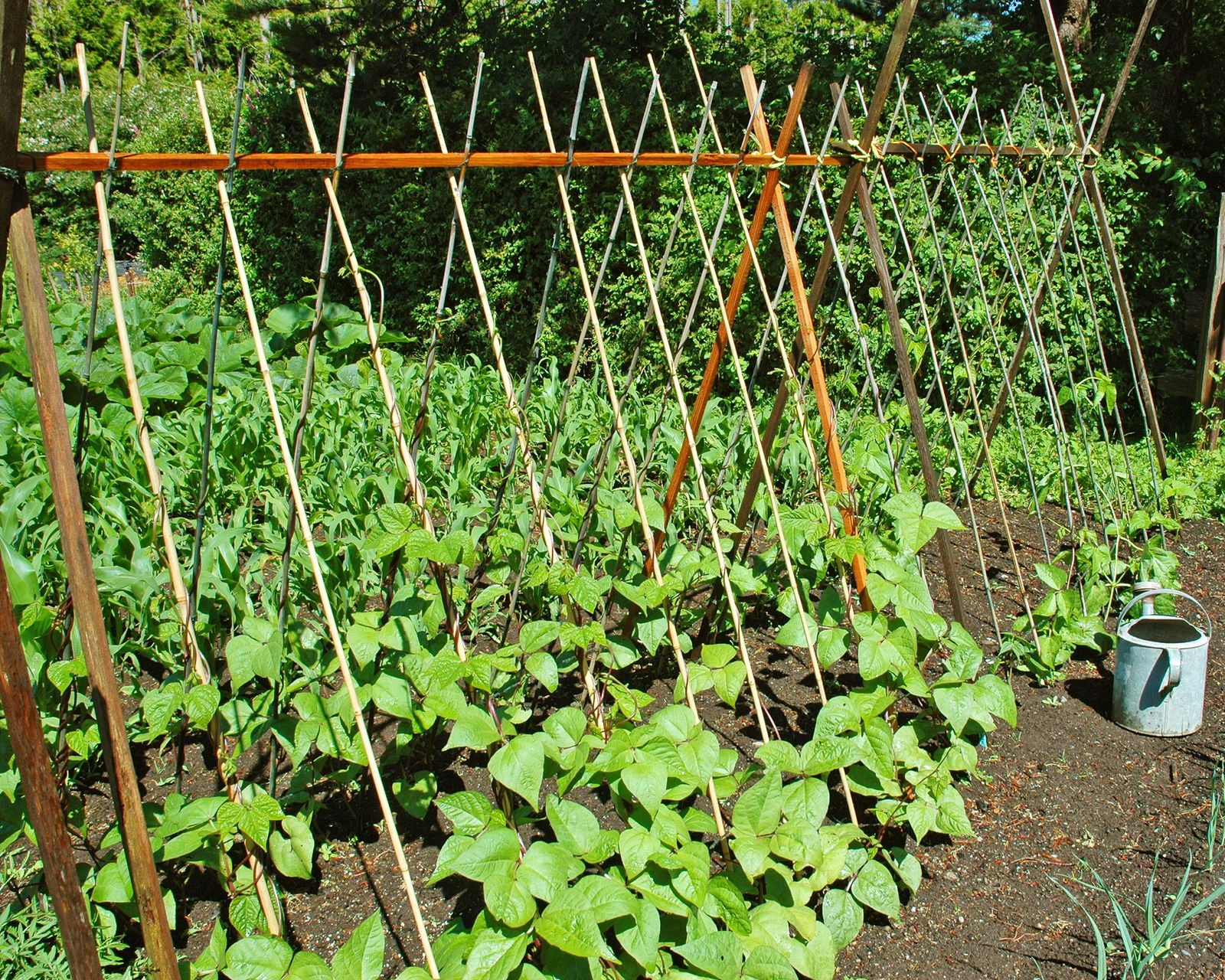
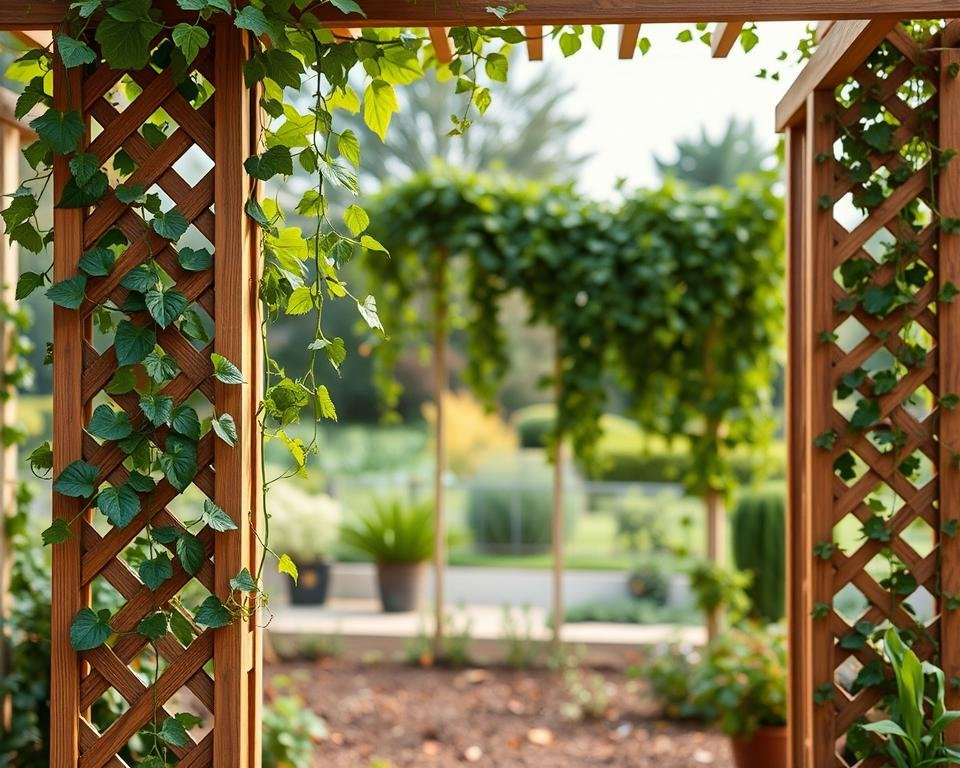
Grapes are climbers. They need support. Some folks let them crawl along the ground or drape over a bush. This is a recipe for disaster. Ground-level grapes are exposed to soil-borne diseases, pests, and rot. The fruit touches the dirt, gets muddy, and spoils. Plus, harvesting becomes a back-breaking chore. A proper trellis system lifts the vine up, exposing it to sunlight and air. It makes pruning, spraying, and picking infinitely easier. Without a trellis, you’re fighting nature instead of working with it.
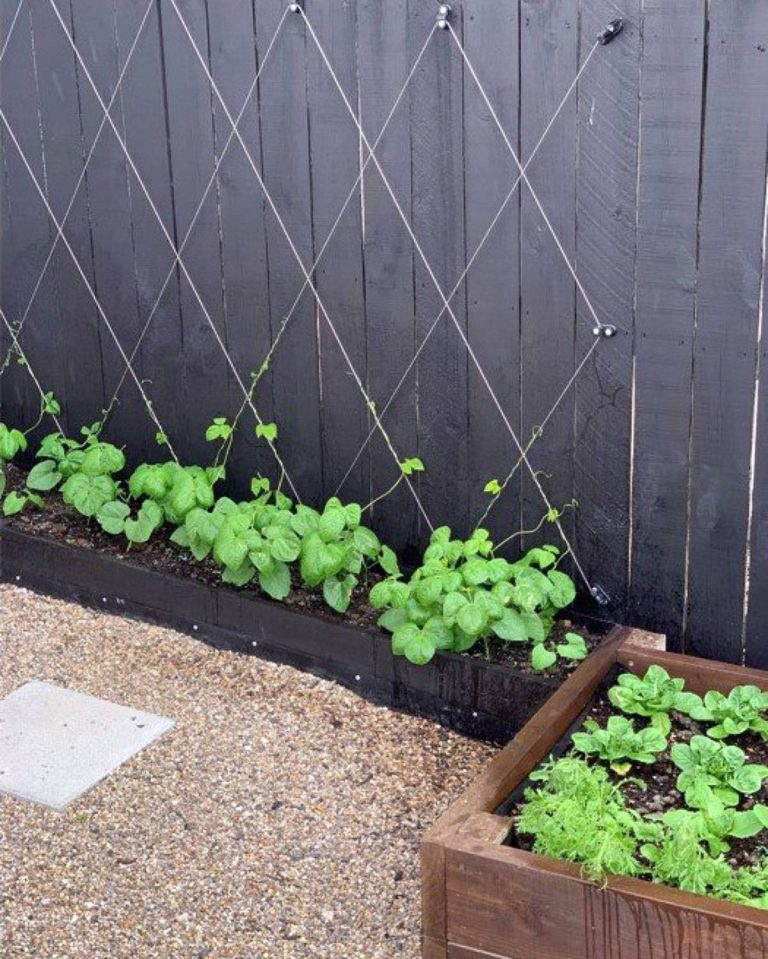
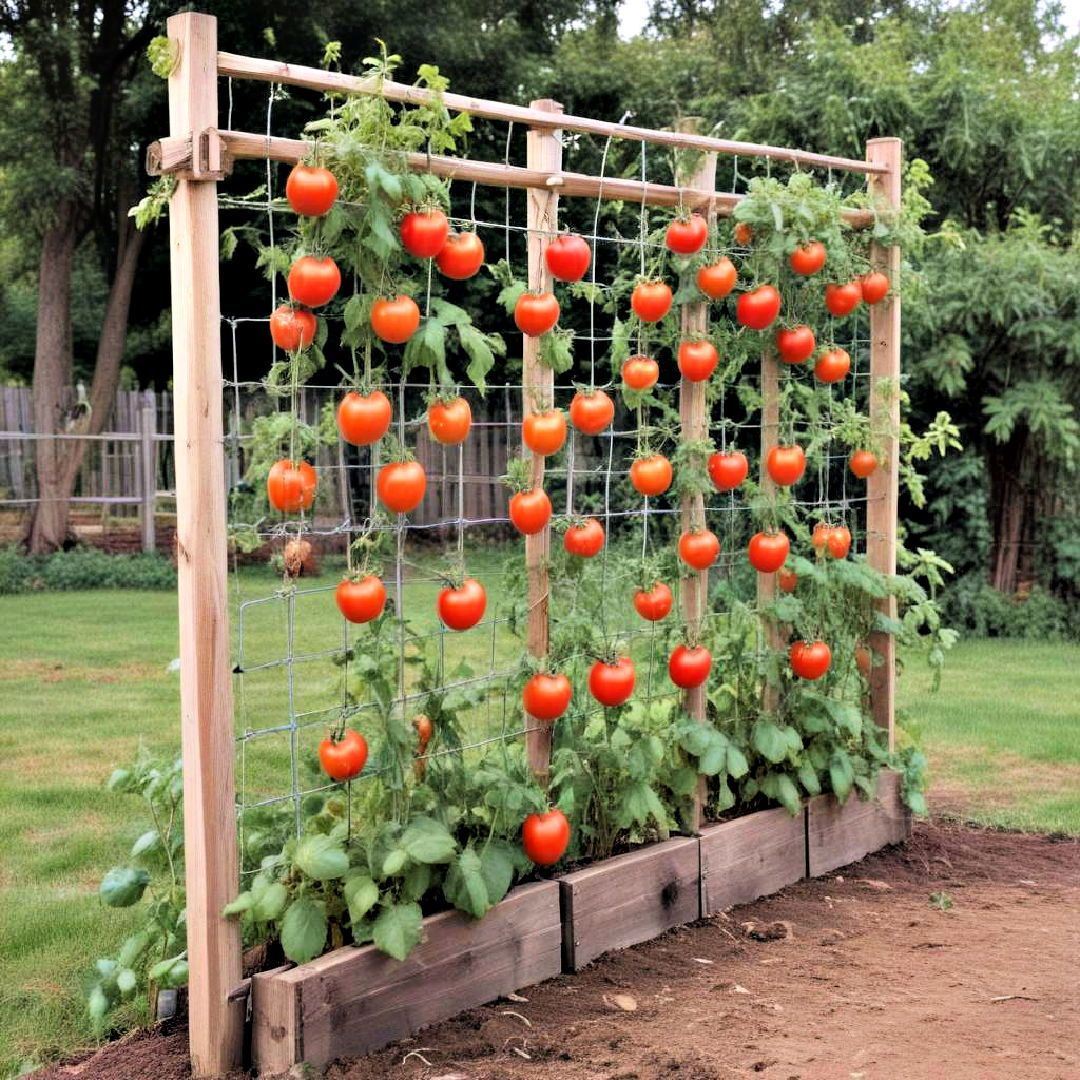
You don’t need an expensive, commercial-grade setup. A simple two-wire trellis works wonders for small backyards. Use sturdy posts (wood or metal) set firmly in the ground. Run galvanized wire between them at about 3 feet and 5 feet high. Train your main trunk up to the top wire, then let the canes spread out along the wires. This vertical shoot positioning keeps the fruit zone open and accessible. It also helps with spray coverage if you need to treat for pests or disease. Everything gets coated evenly when the vine is organized.
Building the trellis before or at the time of planting is ideal. It’s hard to retrofit later without damaging the roots or the vine structure. If you already have a vine that’s sprawling, don’t worry. You can train it up gradually. Tie the main trunk to a stake until it reaches the wire. Then start selecting canes to train horizontally. It might take a season or two to get it fully organized, but the improvement in health and yield will be obvious. Don’t underestimate the power of good infrastructure. It’s the backbone of a successful vineyard, even if that vineyard is just ten feet by ten feet.
Ignoring Disease Until It’s Too Late
Grapes are prone to several fungal diseases. Powdery mildew, downy mildew, black rot. These aren’t just cosmetic issues. They can defoliate the vine, weaken it, and ruin the crop. Many backyard growers wait until they see obvious spots on the leaves or shriveled, mummified grapes before they act. By then, it’s often too late. The disease has already taken hold. Prevention is key. You don’t need to spray harsh chemicals every week. But you do need to be proactive.
Start with variety selection. In 2026, there are more disease-resistant hybrids available than ever before. Varieties like Marquette, Frontenac, or Somerset Seedless are bred to withstand common pressures. If you live in a humid climate, choosing these varieties can save you endless headaches. Check with your local nursery for recommendations suited to your specific region. Don’t just buy the prettiest label. Buy the one that fits your environment.
Sanitation is your best friend. In the fall, after the leaves drop, clean up everything. Rake up fallen leaves, pick up mummified fruit, and remove pruned canes. Do not compost this material unless your pile gets very hot. Most home compost piles don’t reach temperatures high enough to kill fungal spores. Bag it up and throw it away. This removes the overwintering sites for diseases, reducing the inoculum load for the next spring. A clean vineyard is a healthy vineyard. It’s a simple step, but it breaks the disease cycle effectively.
So, there you have it. The five silent killers. Poor site choice, over-watering, fear of pruning, lack of support, and ignoring disease. It’s a lot to think about, I know. But don’t let it discourage you. Growing grapes is a journey. You’ll make mistakes. I certainly did. My first vine looked like a victim of a hurricane because I was too scared to cut it back. It survived, barely, and taught me a valuable lesson.
The beauty of grapevines is their resilience. They want to grow. They want to produce. If you give them the basic conditions they need—good drainage, sunlight, air flow, and proper pruning—they will reward you. Maybe not in the first year. Maybe not even in the second. But by the third or fourth year, you’ll be standing under a canopy of green, holding a cluster of sweet, homegrown grapes. And that taste? It’s worth every moment of effort.
Start small. Pick one or two things to focus on this season. Maybe it’s building a better trellis. Maybe it’s learning to prune. Take it step by step. Talk to other growers. Join a local gardening group. Share your successes and your failures. We’re all learning together. And remember, every expert was once a beginner who killed a few vines along the way. Don’t give up. Your perfect cluster is waiting.