Ever stood in the grocery aisle, staring at a piece of fish that costs more than your lunch, and thought, "I could do this myself"? Or maybe you’ve looked at those sad, plastic-wrapped herbs and wondered if there’s a better way. You’re not alone. In 2026, more people are turning their backs on the supermarket conveyor belt and looking toward their backyards, balconies, and even living rooms for food. It’s not just about saving money, though that’s a nice bonus. It’s about knowing exactly what went into your meal. No weird pesticides. No mystery additives. Just pure, clean food.
But here’s the thing. Gardening is hard. Keeping fish is tricky. Doing both at the same time? That sounds like a recipe for disaster, right? Actually, it’s the opposite. When you combine them, they help each other out. It’s called aquaponics, and it’s basically nature’s perfect loop. The fish poop feeds the plants, and the plants clean the water for the fish. It’s a symbiotic relationship that’s been around for centuries, but now, thanks to some clever DIY hacks and modern materials, it’s easier than ever to set up in your own home. Whether you have a sprawling backyard or just a sunny corner in your apartment, you can make this work.
So, why dive in? Because there’s something deeply satisfying about pulling a crisp lettuce leaf from a system you built with your own hands, while knowing the tilapia swimming below helped grow it. It’s a mini-ecosystem. A little slice of self-sufficiency. And honestly? It’s kind of magical to watch. Let’s break down how you can start your own journey into growing fresh fish and veggies, without needing a degree in biology or a fortune in equipment.
Understanding the Magic of Aquaponics
At its core, aquaponics is a marriage of two old-school methods: aquaculture (raising fish) and hydroponics (growing plants in water). But instead of keeping them separate, you mash them together into one closed-loop system. Think of it as a circular economy in a tank. The fish live in a tank, eating food and producing waste. Normally, that waste would build up and become toxic to the fish. But in an aquaponics system, that water gets pumped up to the plants.
Here’s where the science bit kicks in, but don’t worry, it’s simple. Beneficial bacteria—tiny, invisible heroes—live in the grow beds or media where the plant roots are. These bacteria convert the ammonia from the fish waste into nitrates. Plants love nitrates. It’s like their favorite snack. They soak it up, using it to grow big, green, and healthy. In the process, they filter the water, cleaning it before it cycles back down to the fish tank. It’s a win-win. The fish get clean water, and the plants get free fertilizer. No soil needed. No chemical nutrients to buy. Just nature doing its thing.
This setup uses way less water than traditional gardening. Like, up to 90% less. Why? Because the water is constantly recirculated. You only top it off when some evaporates or the plants drink it up. For anyone living in a dry area or just trying to be more eco-friendly, that’s a huge deal. Plus, since you’re not using soil, you don’t have to worry about weeds, soil-borne diseases, or digging holes in your yard. It’s clean, efficient, and surprisingly productive. You can grow lettuce, basil, tomatoes, peppers, and even strawberries, all while raising tilapia, trout, or catfish. It’s a lot of food from a small footprint.
Choosing Your Space and System Size
Before you go buying tanks and pumps, you need to figure out where this thing is going to live. This is the most important step, and it’s often overlooked. Aquaponics systems need light, power, and stability. If you’re indoors, a sunny window or a spot under grow lights is essential. Plants need at least 6-8 hours of light a day. If you’re outdoors, consider the climate. In 2026, weather patterns are still unpredictable, so having a plan for extreme heat or cold is smart. A greenhouse or a covered patio can extend your growing season significantly.
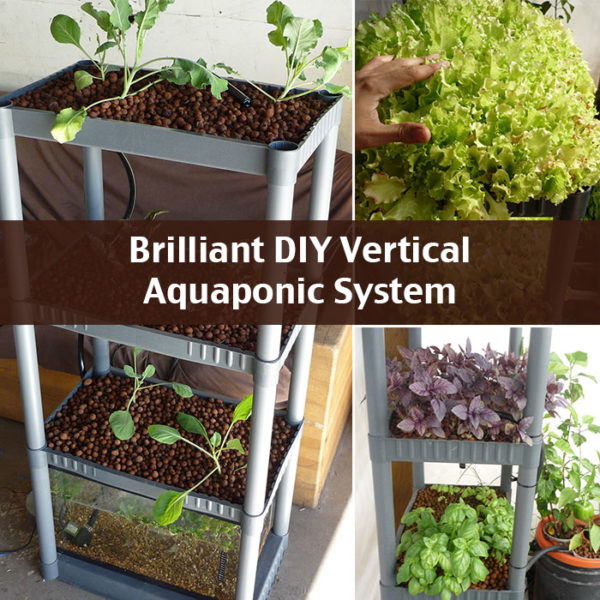
Size matters, too. Don’t try to build a commercial farm on your first go. Start small. A 50-gallon tank is a great starting point for a beginner. It’s manageable, doesn’t take up too much space, and allows you to learn the ropes without risking a huge investment. You can fit a 50-gallon system on a sturdy stand in a garage, on a deck, or even in a large living room if you’re okay with the humidity. For those with limited space, vertical systems are a game-changer. These stack grow beds on top of each other, maximizing yield per square foot. You can grow a surprising amount of greens in a 2×2 foot footprint.
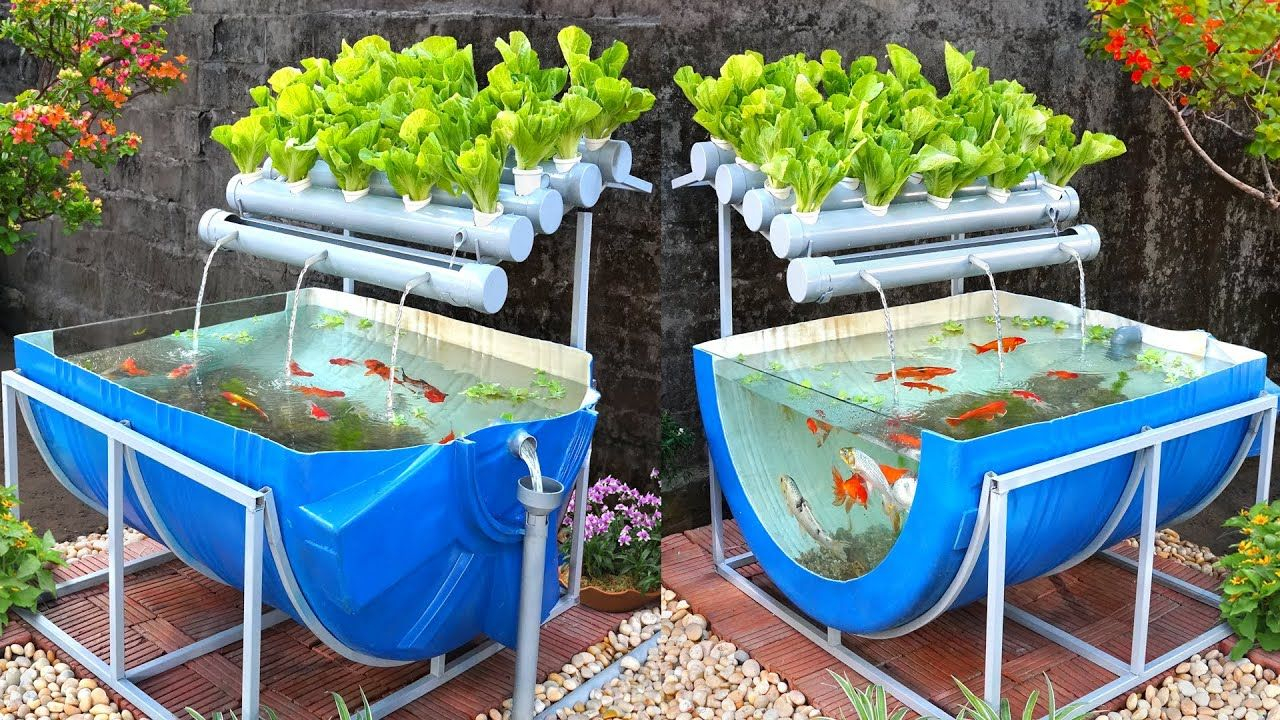
If you have a backyard, you can go bigger. IBC totes (those large plastic containers used for shipping liquids) are popular for DIY builds. Cut one in half, use the bottom for fish and the top for plants, and you’ve got a robust system. But remember, bigger means more weight. Water weighs 8 pounds per gallon. A 200-gallon system weighs over 1,600 pounds. Make sure your floor or deck can handle it. Also, think about access. You’ll need to feed the fish, check the plants, and maintain the pump. Don’t hide it in a corner where you can’t reach it. Keep it accessible and visible. You’re more likely to care for it if you see it every day.
Building Your First DIY System
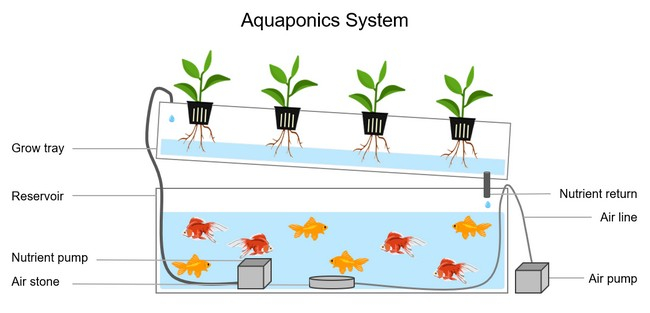
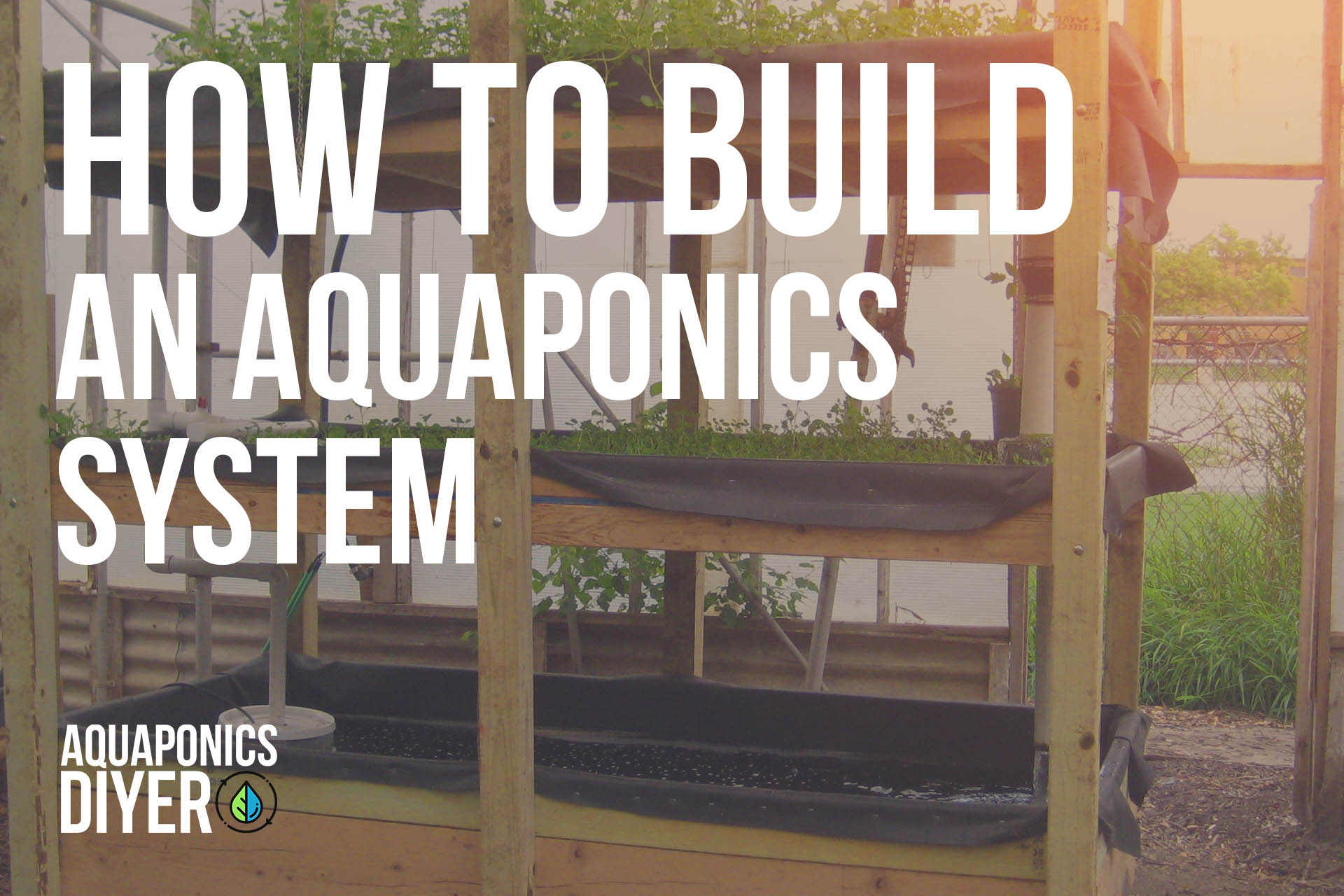
You don’t need to be a carpenter or a plumber to build an aquaponics system. Most beginner setups rely on simple components you can find at any hardware store. The basic parts are: a fish tank, a grow bed, a water pump, an air pump, and some plumbing. Let’s talk about the grow bed first. This is where the plants sit. You can use plastic storage bins, wooden boxes lined with pond liner, or even repurposed bathtubs. The key is that it needs to hold water and support the growing medium.
Speaking of medium, what do you put in the grow bed? Clay pebbles (also called hydroton) are a favorite. They’re lightweight, pH neutral, and provide plenty of surface area for those beneficial bacteria to colonize. Gravel works too, but it’s heavy and can compact over time. Avoid using soil or compost. It’ll clog the system and create anaerobic zones that smell bad. Fill your grow bed with about 12 inches of medium. This gives the plant roots enough room to spread out and access the nutrients.
Now, the plumbing. You need a way to get water from the fish tank to the grow bed and back again. A submersible pump in the fish tank does the lifting. Run tubing from the pump up to the grow bed. From there, you can use a bell siphon for a flood-and-drain system (which is great for root aeration) or a simple constant flow setup where water trickles through the media. The water then drains back into the fish tank via a standpipe. Don’t forget the aeration! Fish need oxygen. An air pump with air stones in the fish tank is non-negotiable. Without it, your fish will suffocate, especially as they grow larger. Test your system with water for a few days before adding any living creatures. Check for leaks. Make sure the flow rate is right. Patience here saves heartache later.
Selecting the Right Fish and Plants
Not all fish are created equal when it comes to aquaponics. For beginners, tilapia is the gold standard. They’re hardy, fast-growing, and tolerate a wide range of water conditions. Plus, they taste good. If you’re in a cooler climate, trout might be a better choice, but they’re pickier about water temperature and oxygen levels. Catfish are another option, though they can be a bit messy. Avoid ornamental fish like goldfish if your goal is food production; they’re fun, but they don’t give you a harvest. Aim for fingerlings (baby fish) about 2-3 inches long. Stock your tank lightly at first. A general rule is one pound of fish per 5-10 gallons of water. You can always add more later.
On the plant side, start with leafy greens. Lettuce, kale, spinach, and Swiss chard are easy winners. They have low nutrient requirements and grow quickly, giving you early success boosts. Herbs like basil, mint, and cilantro also thrive in aquaponics. Once your system is established and the bacterial colony is strong, you can try fruiting plants like tomatoes, peppers, and cucumbers. These guys are hungry. They need more nutrients, so wait until your fish are bigger and producing more waste. Strawberries are a surprising favorite in vertical systems. They love the constant moisture and nutrient flow.
Avoid plants that need acidic soil, like blueberries, or those that are heavy feeders right out of the gate, like corn. Also, stay away from plants that require dry periods, like lavender. Remember, the roots are always wet. If you’re unsure, start with lettuce. It’s forgiving and shows you quickly if something is wrong. If the lettuce turns yellow, your nutrients might be off. If it wilts, check your water flow. It’s your canary in the coal mine. And don’t forget, you can grow flowers too. Marigolds and nasturtiums add beauty and can help deter pests if you’re dealing with outdoor insects.
Maintaining Balance and Health
Setting up the system is just the beginning. The real work is in the maintenance. But don’t panic—it’s not daily chores. It’s more like checking in. The most critical thing to monitor is water quality. You need to test for ammonia, nitrite, and nitrate levels. In the first few weeks, you’ll see spikes in ammonia and nitrite as the bacteria colony establishes itself. This is called "cycling." It can take 4-6 weeks. During this time, don’t add many fish. Let the bacteria catch up. Once ammonia and nitrite hit zero and nitrates start rising, you’re ready to stock up.
Feeding your fish is another key task. Feed them high-quality pellets, but don’t overfeed. Uneaten food rots and spikes ammonia levels. A good rule of thumb is to feed only what they can eat in 5 minutes, once or twice a day. Observe them. If they’re active and eating eagerly, you’re good. If they’re sluggish, check your water parameters. Temperature matters too. Most tropical fish like water between 75-80°F. If it gets too cold, their metabolism slows, and they eat less, which means less waste for the plants. In winter, you might need a heater. In summer, shade might be necessary to prevent overheating.
Plant health is usually a reflection of fish health. If your plants look great, your fish are probably happy. But keep an eye out for deficiencies. Yellow leaves might mean iron deficiency, which is common in aquaponics. You can add chelated iron if needed. Pests can still show up, even indoors. Aphids and spider mites love tender greens. Use natural remedies like neem oil or introduce beneficial insects like ladybugs. Avoid chemical pesticides. They’ll kill your fish. If you have a pest problem, it’s often a sign of imbalance. Maybe the airflow is poor, or the plants are too crowded. Prune regularly to keep air moving. And clean out any dead leaves. Decay is the enemy of balance.
The best part? The harvest. With leafy greens, you can practice "cut and come again." Snip the outer leaves, leaving the center intact, and the plant will keep growing. This gives you a continuous supply rather than a one-time dump of lettuce. Basil and other herbs respond well to regular pruning too. The more you cut, the bushier they get. For fruiting plants like tomatoes, wait until they’re fully ripe. The flavor from aquaponically grown produce is often more intense than store-bought. Why? Because the plants are stress-free and getting a steady diet of nutrients.
Harvesting fish is a bit more emotional for some people. If you’re raising tilapia, they’re usually ready to harvest in 6-9 months, depending on the temperature and feeding. When they reach about 1 pound, you can choose to harvest them. There are humane ways to do this, such as icing them down to slow their metabolism before processing. It’s a moment of truth for many beginners. Remember, you’re raising them for food. It’s part of the cycle. If you’re not comfortable eating your fish, you can raise ornamental koi or goldfish instead, but then you’re not getting the full food-production benefit. Many people find that raising their own protein makes them more mindful of waste and more appreciative of the meal.
Once you’ve harvested, cook simply. Grill the fish with some lemon and herbs from your system. Toss the lettuce in a light vinaigrette. Taste the difference. It’s fresh. It’s clean. It’s yours. And the best part? You’ve reduced your carbon footprint. No transportation emissions. No packaging waste. Just food from your home. As you get more confident, you can expand. Add more tanks. Try different fish. Experiment with exotic herbs. The system is scalable. You can start with one tank and end up with a backyard food forest. The skills you learn here—patience, observation, balance—apply to so much more than just gardening. They connect you to the rhythms of nature, right in your own home.
So, are you ready to get started? It might seem like a lot at first. Tanks, pumps, bacteria, fish. But take it one step at a time. Build the frame. Fill the tank. Cycle the water. Add the fish. Watch the plants grow. It’s a journey. And in 2026, with resources online and communities sharing tips, you’re never alone. There’s a whole world of home growers out there, ready to help. Dive in. Get your hands wet. Grow something real.