Remember when "smart home" meant shouting at a speaker to turn on a single lamp? Or maybe fumbling with five different apps just to watch a movie? Yeah, those days feel ancient now. It’s 2026, and the game has changed completely. We aren’t talking about gadgets anymore. We’re talking about homes that breathe with you. Homes that know you’re tired before you do. The luxury market has moved past the novelty of connectivity and settled into something far more profound: restorative comfort.
If you walk into a top-tier residence today, you won’t see screens everywhere. You won’t hear beeps. You’ll just feel… better. The air is crisp. The light mimics the sun’s natural arc. The music follows you from room to room without you lifting a finger. This isn’t magic. It’s sophisticated engineering hiding in plain sight. And at the center of this quiet revolution is a name that keeps popping up in architectural blueprints and builder meetings across the country: Savant. But why them? With 139 million smart homes now online, the noise is deafening. Yet, for the discerning homeowner, the choice is becoming clearer. It’s not about who has the most features. It’s about who makes technology disappear.
The Shift from Flashy to Invisible
Let’s be honest. Early smart homes were kind of annoying. They demanded attention. You had to maintain them. You had to troubleshoot them. In 2026, the definition of luxury has flipped. True luxury is invisibility. It’s the absence of friction. Recent reports from industry insiders highlight a massive shift toward "invisible, restorative comfort." We’re seeing high-end solutions focus on the basics of human wellbeing: air quality, water purity, soundscapes, and lighting.
Think about circadian lighting. It’s not just about dimming lights at night. It’s about adjusting the color temperature throughout the day to match your body’s natural clock. In a Savant-integrated home, this happens automatically. You don’t set a schedule. The house knows what time it is, where you are, and what the weather is like outside. It adjusts. Similarly, AI-driven thermostats aren’t just holding a temperature. They’re learning your preferences based on humidity, occupancy, and even your sleep patterns.
This approach turns a residence into a high-performance sanctuary. Every daily ritual feels considered. When you wake up, the shades rise slowly. The coffee maker starts. The news briefing plays softly in the background. None of this requires a command. It’s just… there. This is the core promise of modern luxury tech. It doesn’t shout. It whispers. And for homeowners who are exhausted by the digital noise of their work lives, this silence is priceless.
Simplicity Through Artificial Intelligence
Here’s the thing about complexity: it’s easy to build a complex system. It’s incredibly hard to build a simple one. For years, smart homes promised convenience but delivered headaches. You’d have a tablet for lights, a phone app for security, and a remote for the TV. It was a mess. Savant has been tackling this head-on, especially with their latest updates showcased at ISE 2026. They’ve introduced fully conversational control powered by advanced AI.
Imagine walking into your kitchen and saying, "I’m making dinner," instead of "Turn on kitchen lights to 50 percent." The system understands context. It knows that "making dinner" means you need task lighting, maybe some jazz music, and the oven preheated. It’s natural. It feels like talking to a really competent assistant, not a robot. This is a huge deal because it lowers the barrier to entry. You don’t need to be a tech wizard to live in a smart home. You just need to speak.
Builder Innovator noted this shift recently, pointing out how AI-driven interfaces are helping simplify the connected experience for both builders and homeowners. The hardware is getting more accessible, too. But the real win is the software layer that ties it all together. When the interface is intuitive, people actually use the technology. They don’t ignore it. They lean into it. And that’s when the home starts to feel alive. It’s not just a collection of devices; it’s a cohesive ecosystem.
Power as the New Foundation
This is a point that often gets overlooked until things go wrong. Power. We take it for granted, right? You flip a switch, and light happens. But in a modern luxury home, everything is always on. Servers, sensors, cameras, displays, climate controls. The dependency on connectivity is total. If the power flickers, the "smart" home becomes a very dumb, very expensive box. That’s why power management has emerged as a foundational element of the 2026 luxury smart home.
Savant has been vocal about this. Blair Piersall, their VP of Sales, recently outlined how integrated power solutions are reshaping expectations. It’s not just about having a backup battery. It’s about managing energy flow intelligently. The system monitors consumption. It balances loads. It ensures that critical systems stay online during outages. This level of integration provides peace of mind that standalone gadgets simply can’t offer.
Consider the practical side. Energy costs are still a concern, even for wealthy homeowners. An integrated system can optimize usage, shifting heavy loads to off-peak hours or drawing from solar storage when available. It’s efficient. It’s sustainable. And it’s reliable. When you’re investing millions in a property, you don’t want your security system to go offline because of a storm. You want resilience. By treating power as part of the automation ecosystem, rather than an afterthought, Savant is addressing a critical pain point that older systems ignored.
The Ecosystem Advantage: Integration Over Isolation
There’s a big difference between a house full of smart devices and a smart home. One is a toy store. The other is a symphony. In 2026, the leading platforms are those that play well with others while maintaining a central brain. Savant has long been known for bringing lighting, climate, entertainment, and security under one elegant control. But it’s the depth of that integration that sets it apart.
Take entertainment, for example. In a typical setup, you might have a separate system for audio and another for video. In a Savant home, they’re unified. You can start a movie in the theater, pause it, and resume it in the bedroom with zero lag. The audio zones sync perfectly. The lighting dims in sync with the screen. It’s seamless. This level of coordination requires robust backend architecture. It’s not something you can hack together with off-the-shelf Wi-Fi bulbs.
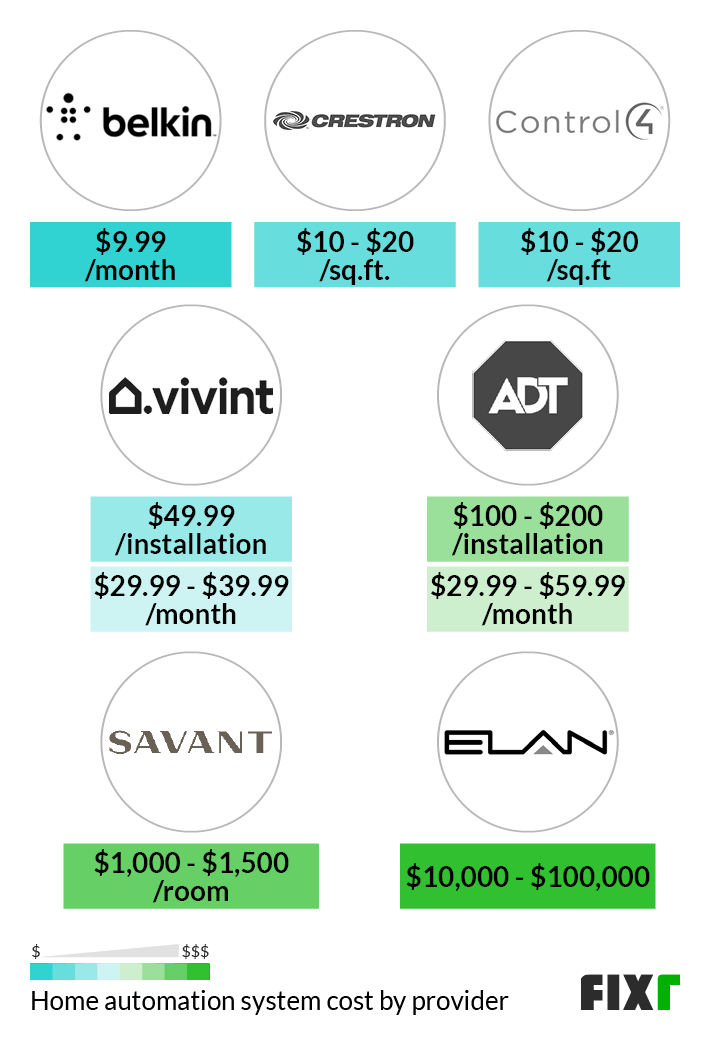
Recent comparisons in the luxury rebuild market highlight this distinction. When looking at Control4, Crestron, and Savant, the conversation often centers on user experience and long-term support. Savant’s approach focuses on a unified interface that doesn’t fragment. You aren’t switching contexts. You aren’t logging into different portals. Everything is present in one place. For the homeowner, this means less cognitive load. They don’t have to remember which app controls the pool heater. It’s all there. It’s consistent. And consistency builds trust.
Voice, Touch, and the Human Interface
So, how do you actually interact with all this tech? In 2026, the options are richer than ever. Voice control has matured significantly. While many systems support various assistants, Savant has leaned heavily into native Siri integration. For Apple users, this is a massive plus. It means deep, system-level control without needing third-party bridges. You can ask Siri to adjust the entire house, not just a single device.
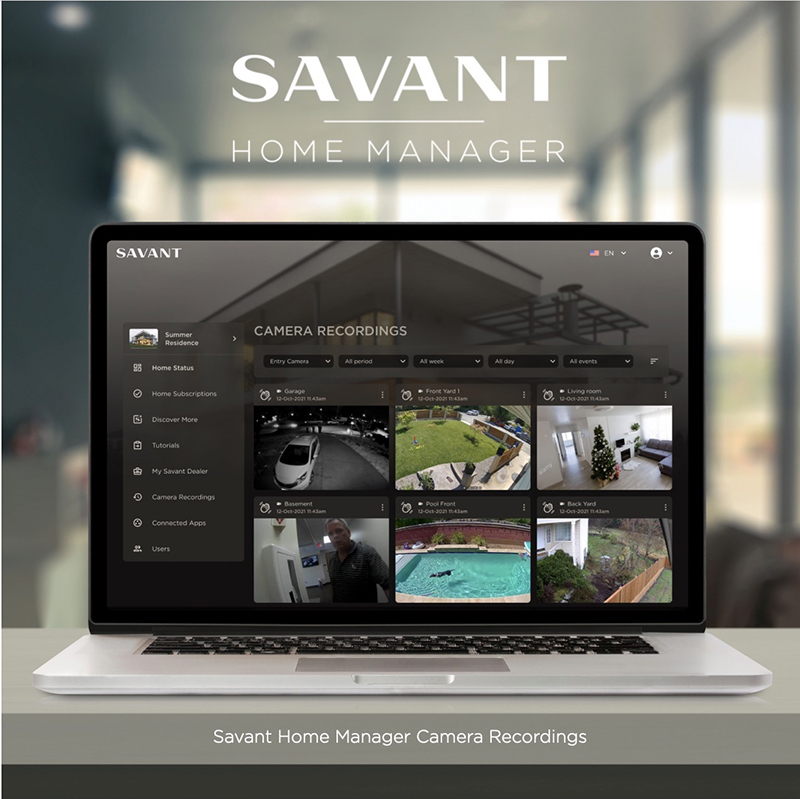
But voice isn’t always the answer. Sometimes you want tactile feedback. Sometimes you want to see a visual representation of your home. This is where Savant’s hardware shines. Their touch panels are designed to look like high-end interior design elements, not computer screens. They blend into the wall. They offer intuitive graphics that make navigation effortless. You can see the status of every room at a glance.
Repenic’s recent analysis pointed out that while Control4 supports all assistants flawlessly, Savant’s native Siri lead is a key differentiator for a specific demographic. However, the real strength is the flexibility. You can use voice. You can use touch. You can use automated scenes. The system adapts to you. It doesn’t force you into a single mode of interaction. This respect for user preference is what separates luxury tech from mass-market tech. It acknowledges that every homeowner is different. Some want total voice control. Others prefer silent, automatic adjustments. The best systems accommodate both.
Building or renovating a luxury home is a major investment. You want it to last. You don’t want to rip out walls in five years because the technology is obsolete. This is the concept of future-proofing. In the smart home world, this means choosing a platform with a strong roadmap and a committed partner network. Savant has been making moves here, too. Recent announcements include strategic partnerships with companies like Timber Block for intelligent home design and adding Silent Gliss to their recommended partner program.
These partnerships matter. They mean that the automation system is being considered early in the design process, not tacked on at the end. When architects and builders work closely with automation experts, the result is cleaner. Wires are hidden. Sensors are placed optimally. The technology enhances the architecture rather than cluttering it. This collaborative approach ensures that the home remains relevant as technology evolves.
Furthermore, the appointment of key executives to industry boards, like JC Murphy to the Consumer Technology Association Smart Home Division, signals a commitment to shaping the future of the industry. It’s not just about selling products today. It’s about setting standards for tomorrow. For a homeowner, this translates to longevity. You’re buying into a system that will be supported, updated, and expanded for years to come. You’re not buying a gadget. You’re buying into an infrastructure.
At the end of the day, technology should serve us, not the other way around. The best smart home is the one you don’t notice. It’s the one that makes your life smoother, calmer, and more enjoyable without demanding your attention. In 2026, Savant is leading this charge by focusing on invisibility, AI-driven simplicity, and robust infrastructure. They’ve moved beyond the basic "on/off" mentality to create environments that truly respond to human needs.
It’s not about having the most gadgets. It’s about having the right connections. It’s about power stability, intuitive interfaces, and seamless integration. When you strip away the marketing hype, what remains is a simple truth: we all want our homes to be sanctuaries. We want them to protect us, comfort us, and adapt to us. The technology is finally catching up to that desire. And for those building their dream homes today, the choice isn’t just about features. It’s about feeling. It’s about coming home to a place that just… works.