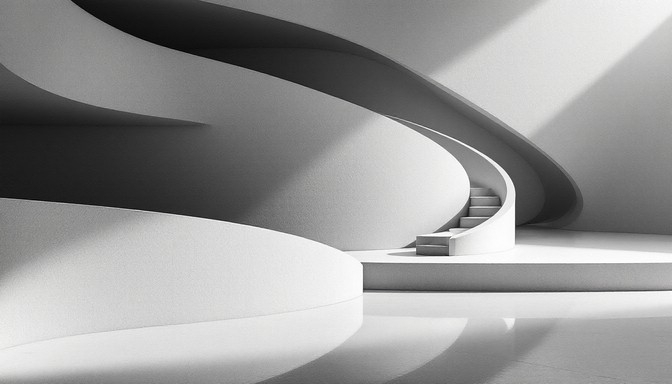
There is something truly magical about walking into an older room and running your eyes along the smooth curve of a hand-crafted plaster arch. These architectural features carry stories from the past, holding up walls while adding a touch of elegance that modern drywall just cannot touch. But how do you make sure these stunning details do not fade into the shadows when the sun goes down.
Lighting a historic home is an art form. You want to honor what came before while making the space feel warm and livable for 2026. Too often, harsh overhead bulbs wash out the subtle textures and hand-tooled imperfections that make old plaster so special. By using a mix of different light sources, you can wake up those sleepy curves and give the entire room a gentle, breathing glow.
Understanding the Anatomy of Plaster
Before you plug in a single lamp, take a close look at how your arch is built. Plaster is a living material in many ways, showing off brush marks, subtle waviness, and tiny cracks that prove human hands shaped it decades ago. These little quirks are not flaws. They are the personality of your home.
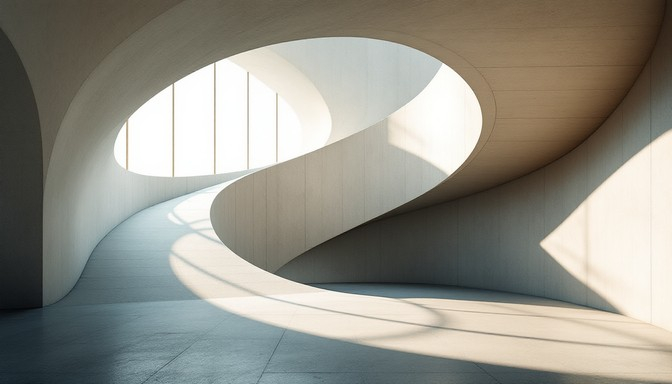
When light hits a flat surface straight on, it looks boring and flat. But when light brushes across a textured plaster surface from the side, it creates tiny shadows that pop. This trick is called grazing, and it is your best friend when working with historic architectural elements.
The Magic of Layered Illumination
Layered lighting simply means using more than one source of light in a space. Instead of relying on a single overhead ceiling fixture, you combine ambient, task, and accent lighting to create depth. Think of it like painting a picture with shadows and brightness.
For an archway, this means blending soft background glow with targeted beams that draw the eye upward. When you layer your lights correctly, the arch stops being just a doorway and becomes the main focal point of the room. It feels cozy, rich, and deeply welcoming.
Choosing the Right Bulbs and Color Temperatures
Color temperature matters more than most people realize. If you use cold, bluish LED bulbs, your historic plaster will look sterile and sad, like a hospital hallway. Instead, look for warm white bulbs that sit around 2400K to 2700K.
Warm light mimics the gentle glow of old incandescent bulbs and firelight, which complements the historic nature of plasterwork. It brings out the golden undertones in aged materials and makes the whole environment feel soft on the eyes. Always check the color rendering index too, as higher numbers mean colors look truer and richer.
Hidden Fixtures and Discreet Placement
The secret to great accent lighting is hiding the hardware. You want to see the glow, not the bulb. Tucking tiny strip lights into the upper molding or placing a small uplight on the floor behind a piece of furniture can work wonders.
In 2026, LED technology is so small and flexible that you can conceal strips almost anywhere without damaging delicate historical plaster. Just make sure to run wires safely and avoid drilling heavy anchors into fragile structural areas without checking what is behind the wall first.
Playing With Shadows and Depth
Light needs shadow to look interesting. If every inch of your arch is blasted with high brightness, the charm disappears. Allow some areas to stay in a soft twilight while other curves catch the highlight.
This contrast creates a dramatic three-dimensional effect that celebrates the depth of the plaster molding. Try moving a lamp around at night to see how different angles change the mood before you commit to a permanent setup.
Old plaster needs a little extra love, especially when you start adding electrical components near it. Heat from poorly chosen bulbs can dry out old materials or discolor the paint over time. Stick to cool-running LEDs to keep your walls safe.
Dust your light fixtures and the arch surfaces regularly so the glow stays bright and clear. A gentle wipe with a soft cloth will keep everything looking fresh and prevent dust buildup from dulling your carefully planned lighting design.
Bringing old architectural features back to life does not require a massive renovation or a museum budget. By paying attention to how light interacts with textured surfaces, you can completely change the mood of your living space.
Take your time experimenting with different angles and warm tones. Your home will reward you with a cozy, timeless atmosphere that feels both deeply rooted in history and perfectly suited for everyday life today.