Ever stared at your electric bill and wondered where all that money went? You’re not alone. It’s a mystery that haunts almost every household. Maybe it’s that old fridge humming in the garage. Or perhaps it’s the gaming PC left on standby. We guess, we worry, and we pay. But what if you could actually see what’s using power? That’s where smart plugs come in. Specifically, the ones with energy monitoring.
In 2026, these little devices aren’t just novelty gadgets anymore. They’ve matured. The tech has gotten cheaper, smarter, and way more reliable. But here’s the big question: are they worth your time and cash? Can a $15 plug really help you cut costs, or is it just another piece of e-waste cluttering your outlets? Let’s dig into the real data, skip the marketing fluff, and figure out if these things actually deliver on their promises.
The Mystery of the Phantom Load
Let’s start with a story. A tester from The Home Picker recently had a bafflingly high electric bill. He suspected something was wrong but couldn’t pinpoint it. He plugged a $15 smart monitor into the wall behind his old dehumidifier. Within 48 hours, the mystery was solved. That dehumidifier? It was drawing 680 watts. Around the clock. Even when it wasn’t actively cooling. That’s a silent budget killer.
This is what experts call "phantom load" or "vampire power." It’s the energy devices suck up even when they’re off or in standby mode. In the past, finding these energy hogs required expensive equipment or an electrician. Now? It takes a simple plug. By identifying just one or two of these offenders, you can offset the cost of the smart plug itself in a single month. It’s not about saving pennies. It’s about stopping the leaks you didn’t know existed.
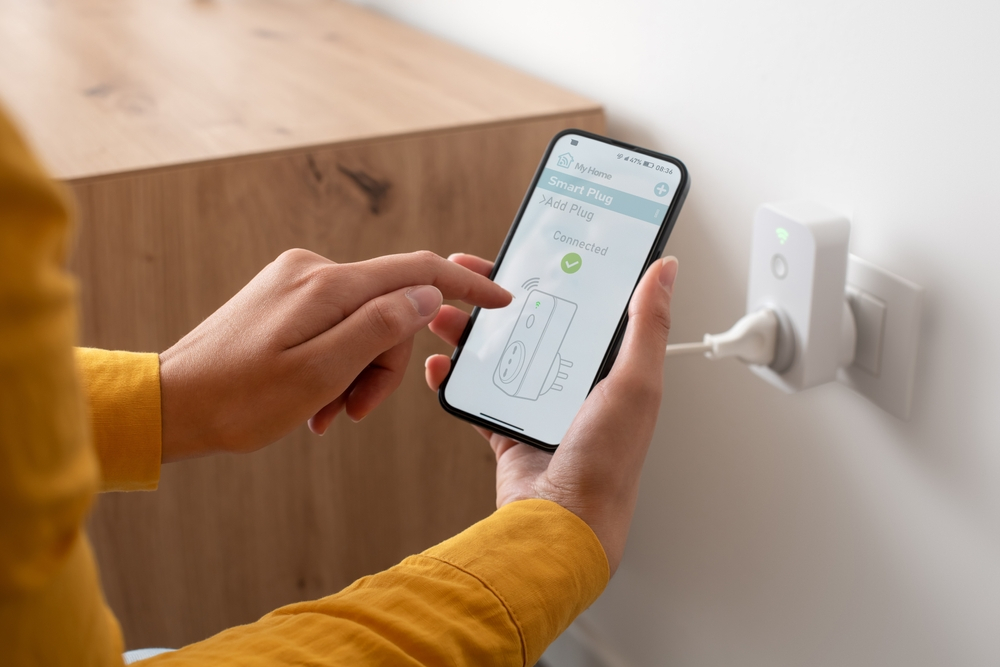
The beauty of this approach is its simplicity. You don’t need to rewire your house. You don’t need a degree in electrical engineering. You just plug it in, check the app, and see the truth. It turns abstract kilowatt-hours into concrete dollars and cents. And once you see that number ticking up in real-time, your behavior changes. You start unplugging things. You start questioning why that old printer needs to be on 24/7. Awareness is the first step to savings.
Accuracy Matters More Than You Think
Not all smart plugs are created equal. In fact, most of them are pretty forgettable. Amazon lists over 4,000 results for "smart plug," but after aggregating ratings from trusted sources like Wirecutter, CNET, and PCWorld, only a handful earned top marks in 2026. Why? Because accuracy is tricky. If a plug says your device is using 10 watts but it’s actually using 50, you’re making decisions based on bad data.
Recent tests measured various plugs against a Kill-A-Watt meter, the gold standard for consumer energy tracking. The results were mixed. Some cheap models drifted significantly over time. Others struggled with low-power devices, failing to register anything under 5 watts. This matters because many modern electronics sip power rather than gulp it. If your smart plug can’t detect that sip, it’s useless for monitoring standby usage.
The good news is that the market has evolved. In 2026, energy monitoring has moved from a premium feature to an expected standard on mid-range models. The TP-Link Kasa KP125M, for instance, offers Matter certification and solid accuracy for around $20. The Tapo P110M also combines detailed monitoring with wide integration. When you buy these established brands, you’re paying for calibration and reliability. Don’t skimp here. A slightly more expensive plug that gives you the right data is infinitely more valuable than a cheap one that guesses.
The Matter Revolution and Compatibility
Remember when you had to choose between Alexa, Google Home, and Apple HomeKit? It was a nightmare. You’d buy a plug, get home, and realize it didn’t talk to your phone. Those days are mostly behind us, thanks to Matter. In 2026, Matter protocol support is becoming standard on the best smart plugs. This is a huge deal for energy monitoring because it means your data isn’t locked into one ecosystem.
With Matter, you can use an Apple iPhone to check your energy stats, while your Android-using partner controls the same plug via Google Home. The data flows freely. This interoperability makes the smart plug a long-term investment. You aren’t tied to a brand that might go bust or drop support. You’re buying into a universal language. This stability is crucial when you’re trying to build a system for tracking energy over months or years.
But it’s not just about voice assistants. It’s about automation. Imagine setting a rule: if the energy usage of your space heater exceeds 1500 watts for more than an hour, send me an alert. Or, automatically turn off the entertainment center when the total draw drops below 10 watts for 30 minutes, indicating everyone has left the room. These automations require reliable, fast communication between devices. Matter delivers that. It removes the friction, letting you focus on the savings rather than troubleshooting connection errors.
Real Savings vs. Hype
So, let’s talk numbers. Can a smart plug actually lower your bill? Yes, but with caveats. It won’t slash your bill in half. That’s a myth. However, it can shave off 5-10% if you’re diligent. The savings come from two places: identifying inefficient appliances and changing habits. For example, discovering that your old second fridge in the basement is costing you $15 a month might prompt you to unplug it or replace it. That’s immediate, tangible savings.
Another area is heating and cooling. Portable heaters and window AC units are massive energy users. A smart plug with monitoring lets you see exactly how much they cost per hour. You might realize that running the heater for four hours costs $2. Suddenly, putting on a sweater seems like a better idea. It’s psychological. When you see the cost accumulating in real-time, you become more conscious. You stop leaving things on "just in case."
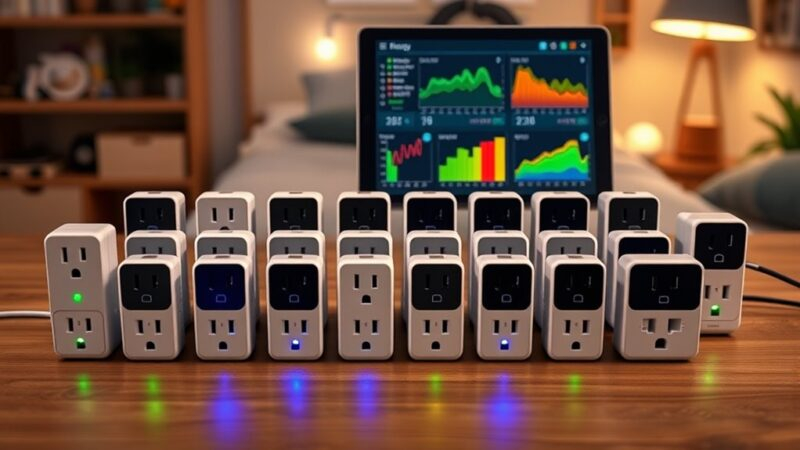
However, don’t expect miracles from small devices. Charging your phone or laptop uses negligible power. Monitoring those won’t save you much. The value lies in the big ticket items: dehumidifiers, refrigerators, heaters, aquariums, and entertainment centers. Focus your plugs there. Spread them out. Monitor one device for a week, then move the plug to another. You don’t need ten plugs to get the picture. You just need to be strategic. It’s about hunting the whales, not the minnows.
Choosing the Right Plug for Your Needs
With so many options, how do you pick? First, look for Matter certification. It’s the future-proof choice. Second, check the form factor. Some plugs are bulky and block the second outlet on your wall plate. That’s annoying. The best models in 2026, like the ones highlighted by Propel RC and Engadget, feature compact designs that preserve outlet access. You want functionality without sacrificing convenience.
Third, consider the app experience. The hardware is only half the battle. The app needs to show you clear, easy-to-read graphs. Does it show daily, weekly, and monthly usage? Can you export the data? Some apps are cluttered with ads or upsells. Avoid those. Look for clean interfaces that prioritize data visibility. The TP-Link Kasa and Tapo apps are often praised for this balance. They give you the info without the noise.
Finally, think about your specific use case. Are you monitoring a high-power device like a dryer? Make sure the plug is rated for 15 amps or higher. Are you monitoring a delicate electronic? Ensure the plug has surge protection. There’s no one-size-fits-all. If you’re just starting, grab one reputable model—like the KP125M or P110M—and test it on your biggest energy suspect. See how it feels. See if the data resonates with you. Then expand if it does.
Beyond the Bill: The Bigger Picture
There’s a deeper benefit to energy monitoring that goes beyond dollars. It’s about understanding your footprint. In 2026, climate consciousness is higher than ever. Knowing exactly how much energy your home consumes empowers you to make greener choices. Maybe you decide to run your dishwasher during off-peak hours when the grid is cleaner. Maybe you realize your old TV is an energy hog and decide to recycle it for a more efficient model.
This data also helps with maintenance. Sudden spikes in energy usage can indicate a failing appliance. A motor struggling to turn will draw more power. A compressor on its last legs will work harder. By monitoring trends, you can catch these issues before they lead to a complete breakdown. It’s predictive maintenance for your home. Instead of waiting for the smoke, you see the warning sign in the wattage.
Plus, there’s a sense of control. In a world that often feels chaotic, knowing exactly what’s happening in your home provides a small but significant comfort. You’re not passive. You’re active. You’re managing your resources. That feeling of agency is valuable. It transforms your home from a black box of expenses into a transparent, manageable system. And honestly? That’s pretty cool.
So, are smart plugs worth it for energy monitoring in 2026? Absolutely. But only if you use them right. They aren’t magic wands. They’re tools. Like any tool, their value depends on how you wield them. If you buy one, plug it in, and never look at the app, it’s a waste. But if you use it to hunt down energy vampires, optimize your habits, and understand your home’s pulse, it’s one of the best investments you can make.
Start small. Pick one device that suspects of being wasteful. Get a reliable, Matter-certified plug. Watch the data for a week. Let the numbers surprise you. Then, decide if you want to expand. The technology is mature, the prices are reasonable, and the potential savings are real. It’s not about becoming an energy obsessive. It’s about being informed. And in 2026, being informed is the smartest move you can make.
Don’t let the complexity scare you off. The setup is easy. The apps are intuitive. The results are immediate. Give it a shot. You might just find that your old dehumidifier is costing you a fortune. Or maybe you’ll find that your habits are already pretty good. Either way, you’ll know. And knowing is half the battle.