You know that feeling when you walk into a room and immediately feel your shoulders drop? That instant exhale? It’s rarely because of the furniture. Or the paint color. Usually, it’s the light. Or rather, how the light makes you feel. For years, we’ve been stuck in this bright, harsh era of "big light" syndrome. You flip a switch, and boom—your living room looks like an interrogation cell. But something has shifted. If you’ve scrolled through design feeds or walked into a trendy hotel lobby lately, you’ve noticed it. The light is coming from below. It’s soft. It’s warm. And it’s everywhere.
We are seeing a massive return to ambient floor lighting. It’s not just a trend; it feels like a correction. A gentle pushback against the sterile, over-lit spaces of the past decade. Designers aren’t just talking about it; they are rewriting the rules of illumination. They are saying that light shouldn’t just show us where things are. It should hold us. It should wrap around the room like a blanket. In 2026, the floor isn’t just for walking on. It’s the new canvas for mood.
The Death of the "Big Light" Era
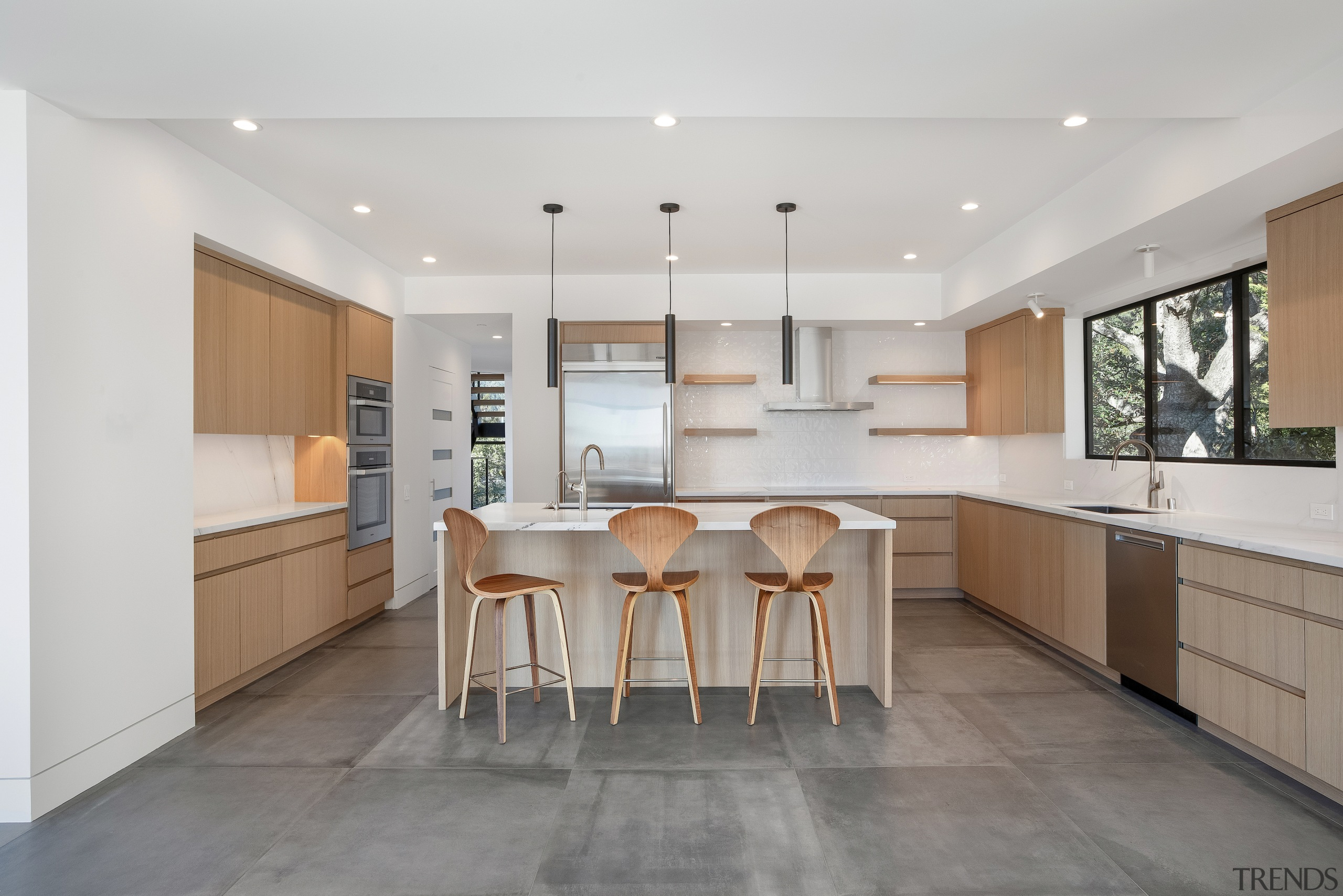
Let’s be honest. Overhead lighting has had a bad reputation for a while. We all have that one ceiling fixture we avoid turning on at all costs. It casts weird shadows under our eyes. It makes everyone look a bit tired. Interior architects have been whispering about this for years, but now they are shouting it. The consensus is clear: ceiling lights are for tasks, not for living.
Designers argue that light sources positioned at eye level or below create a sense of intimacy. When the light comes from the floor, it mimics the natural glow of a sunset or a campfire. It’s primal. It signals safety. Sarah Jenkins, a leading residential designer based in Portland, put it simply in a recent interview. "When you lower the light source, you lower the energy of the room. It forces people to slow down. You don’t yell in a room lit by floor lamps. You converse."
This shift isn’t just about aesthetics. It’s about biology. Our circadian rhythms hate blue-heavy, bright overhead LEDs at night. By moving light to the floor, we naturally reduce the intensity and often the color temperature. It’s a subtle hack for better sleep and less anxiety. People are craving spaces that feel like sanctuaries, not showrooms. And you can’t build a sanctuary with a fluorescent tube on the ceiling.
Sculptural Silhouettes and Hidden Tech
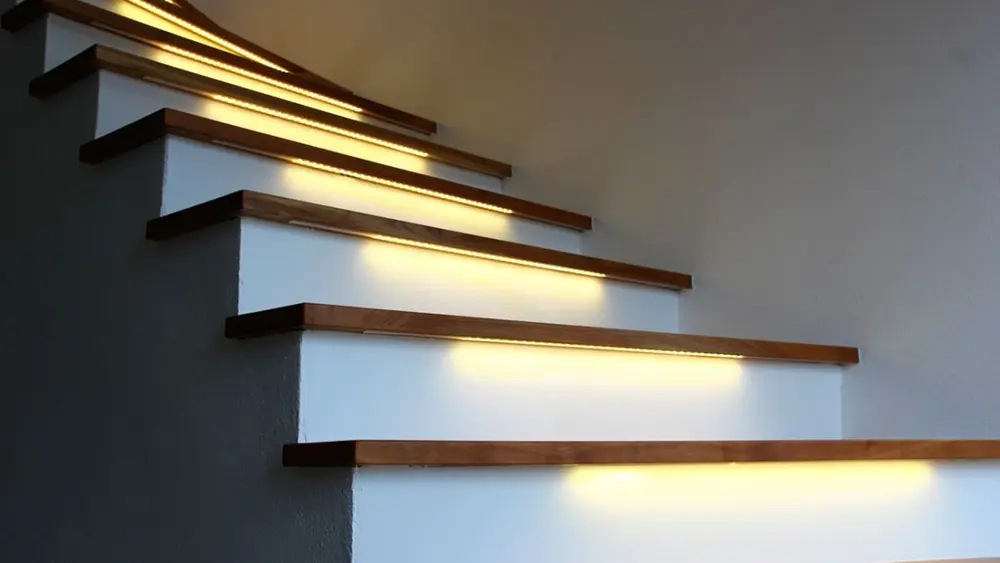
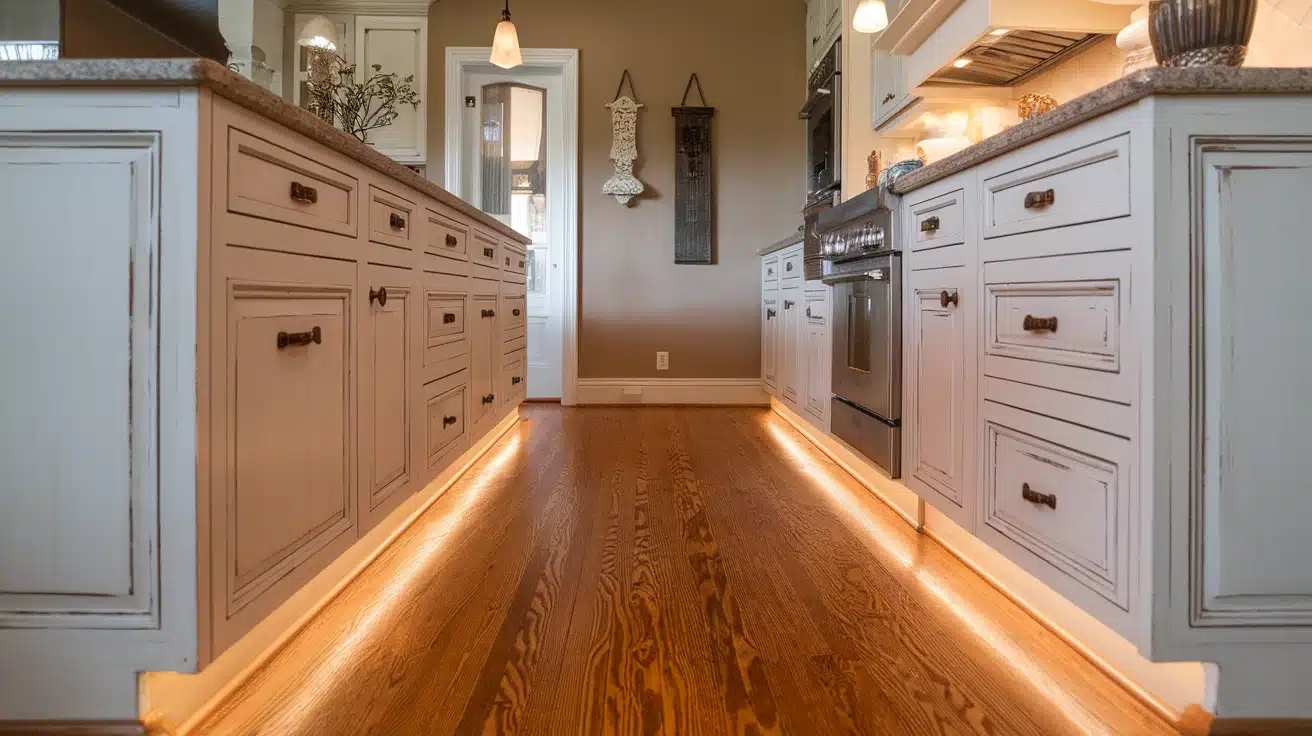
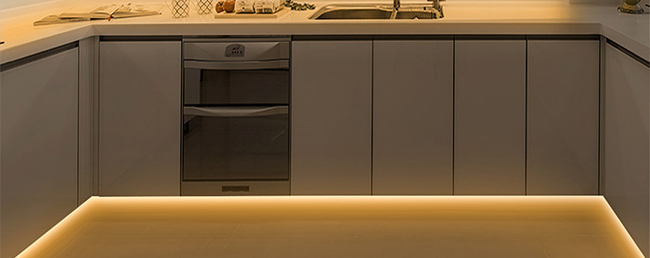
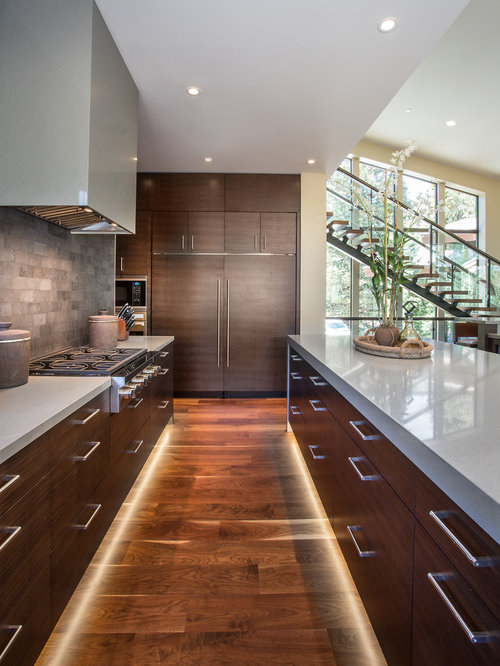
So, what does this actually look like? It’s not just your grandma’s fringed lamp anymore. The designs hitting the market in 2026 are sleek, minimal, and often surprising. We are seeing a lot of "invisible" lighting. Think LED strips embedded into the baseboards or tucked under floating shelves that graze the floor. The goal is to see the effect, not the source.
Then there are the sculptural pieces. Designers are treating floor lamps as art installations. Curved arcs of brushed brass. Tubes of frosted glass that glow from within. Some even look like abstract stones or organic forms rising from the ground. These aren’t just lights; they are anchors for the room. They draw the eye down, which makes ceilings feel higher and spaces feel larger. It’s a clever visual trick that works every time.
Technology plays a huge role here too. Smart integration is seamless now. You can adjust the warmth and brightness of these floor fixtures with a voice command or a subtle touch. But the tech is hidden. The focus remains on the material and the form. Designers are mixing materials like terrazzo, wood, and recycled plastics to create textures that catch the light in interesting ways. It’s tactile. You want to reach out and touch them.
Creating Zones Without Walls
Open-concept living has been the standard for twenty years. But lately, people are realizing that open doesn’t mean undefined. We still need separation. We need distinct areas for cooking, working, and relaxing. Traditionally, we used rugs or furniture to do this. Now, designers are using pools of light.
Ambient floor lighting allows you to carve out a "room" within a room. Imagine a large loft space. Instead of building a wall to separate the reading nook from the dining area, you place two low-profile, glowing orbs on the floor near the armchair. Suddenly, that corner feels enclosed. Cozy. Private. It’s a psychological boundary, not a physical one. This is crucial for small apartments where every square foot counts. You can’t afford to lose space to partitions. Light is free. Well, almost.
This technique also helps with flow. When you walk through a space lit by floor sources, your path is guided by the glow. It creates a narrative. You move from one pool of warmth to another. It feels intentional. Designers call this "light layering," but at its core, it’s just good storytelling. You are directing the experience of the home. You decide where the drama is. You decide where the calm is. All without moving a single brick.
The Warmth Factor: Color and Texture
It’s not just about where the light is. It’s about what the light looks like. The return of ambient floor lighting has brought back the love for warm tones. We are talking 2200K to 2700K. That’s candlelight territory. Designers are adamant that cool white light has no place in evening ambient settings. It feels clinical. It feels like a hospital.
But warmth alone isn’t enough. The interaction between light and texture is key. When light grazes a textured wall from a low angle, it creates shadows and depth. It highlights the imperfections in plaster or the grain in wood. This adds richness to a space. Flat, overhead light washes all that out. It makes everything look smooth and boring. Floor lighting brings the surfaces to life.
Designers are also experimenting with colored tints. Not neon brights, but subtle hues. A faint amber glow. A soft violet dusk. These colors evoke emotions. Amber feels nostalgic. Violet feels creative. By using floor-level fixtures, these colors stay contained. They don’t flood the whole house. They stay in their lane, creating specific moods for specific moments. It’s emotional design, plain and simple.
Sustainability and Energy Efficiency
Here is a practical angle that often gets overlooked. Ambient floor lighting is usually more energy-efficient than blasting a whole room with overhead cans. Why? Because you are lighting only what you need. You are task-lighting the human experience, not the architecture. If you are sitting on the sofa, you only need light around the sofa.
Many of the new floor fixtures use advanced LED technology that sips power. They last for years. And because they are often modular, if one part breaks, you don’t throw the whole lamp away. You replace the strip or the bulb. This aligns with the broader sustainability goals of the design industry in 2026. Clients are asking for durable, repairable, and efficient solutions. Floor lighting fits the bill perfectly.
There is also a reduction in material waste. Installing recessed ceiling lights requires cutting into drywall, running new wires, and patching holes. It’s messy and wasteful. Plug-in floor lamps or battery-operated puck lights require zero construction. You can change your mind tomorrow. You can take them with you when you move. It’s a flexible, low-impact way to upgrade your home’s vibe. Designers love this because it empowers the homeowner. You don’t need a contractor to change your atmosphere.
You don’t need to hire a pro to try this. Start small. Look at your main living space. Identify the corners that feel dark or empty. Place a simple uplight there. Aim it at a plant or a piece of art. See how the shadow play changes the room. It’s instant gratification. You might be surprised by how much cozier it feels.
Next, think about height. Mix it up. Don’t put all your lights at the same level. Have one tall arc lamp. Have two tiny table lamps on the floor. Have a strip under the couch. Variety creates interest. It keeps the eye moving. And remember, dimmers are your best friend. If a fixture doesn’t have a built-in dimmer, get a smart plug. Being able to tweak the intensity is crucial for getting the mood right.
Finally, don’t be afraid to break the rules. Put a lamp in the middle of the room. Hide a light behind a curtain. Let the cord show if it’s a nice braided fabric. The goal is comfort, not perfection. Experiment. See what makes you feel good. Because at the end of the day, that’s what design is about. It’s not about what looks good in a magazine. It’s about how it feels when you kick off your shoes and sink into the couch.
The return of ambient floor lighting is more than a stylistic choice. It’s a shift in how we value our home environments. We are prioritizing comfort. We are prioritizing mental well-being. We are choosing warmth over brightness. And honestly? It’s about time. So go ahead. Turn off the big light. Plug in something low. And let the room breathe.