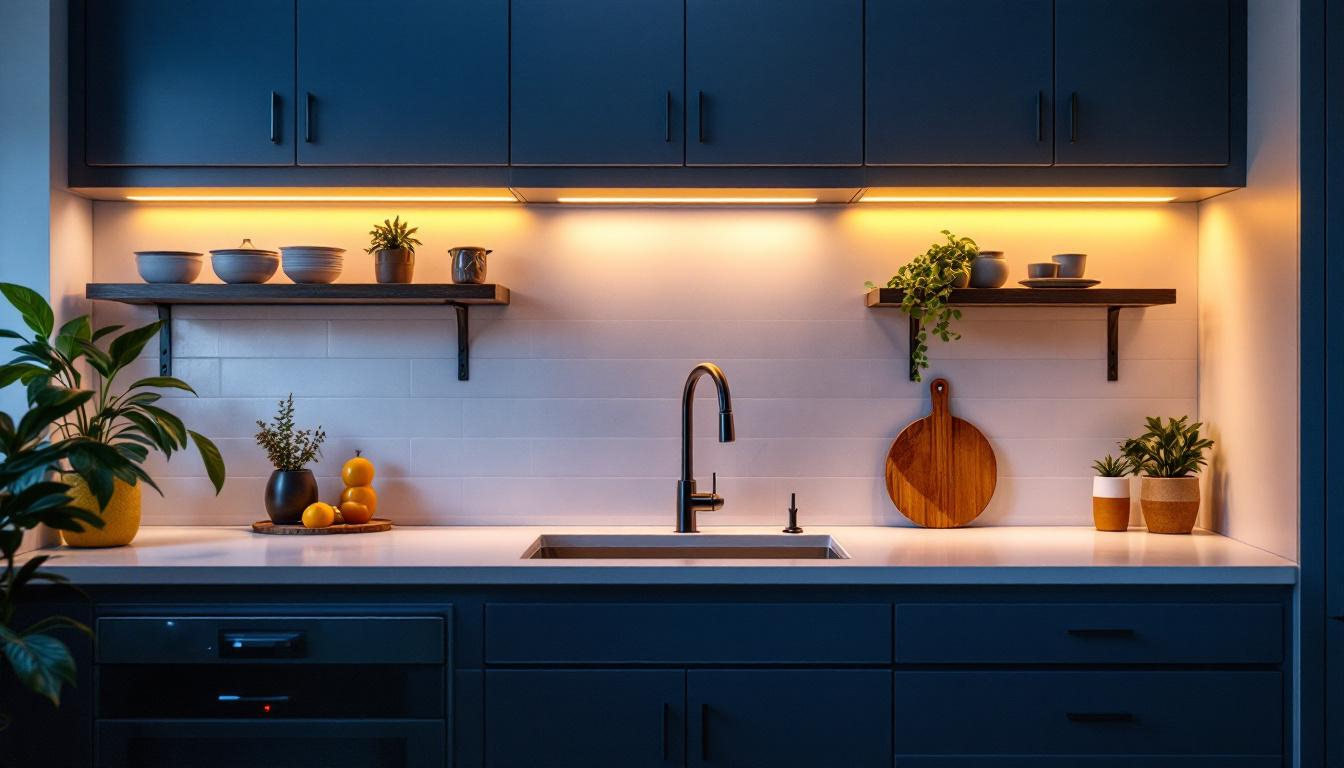
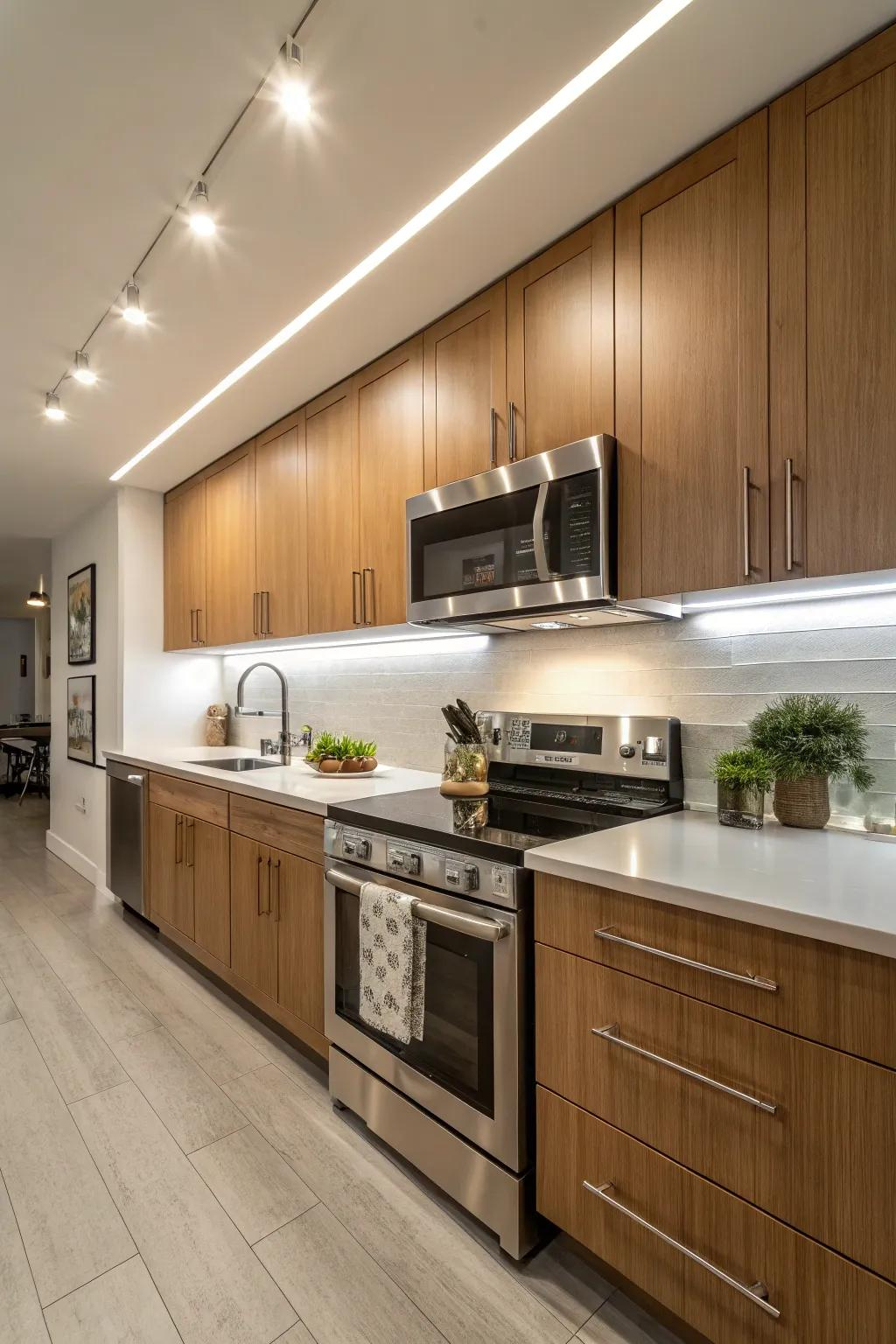
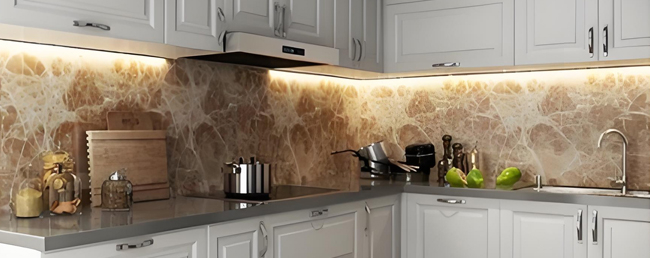
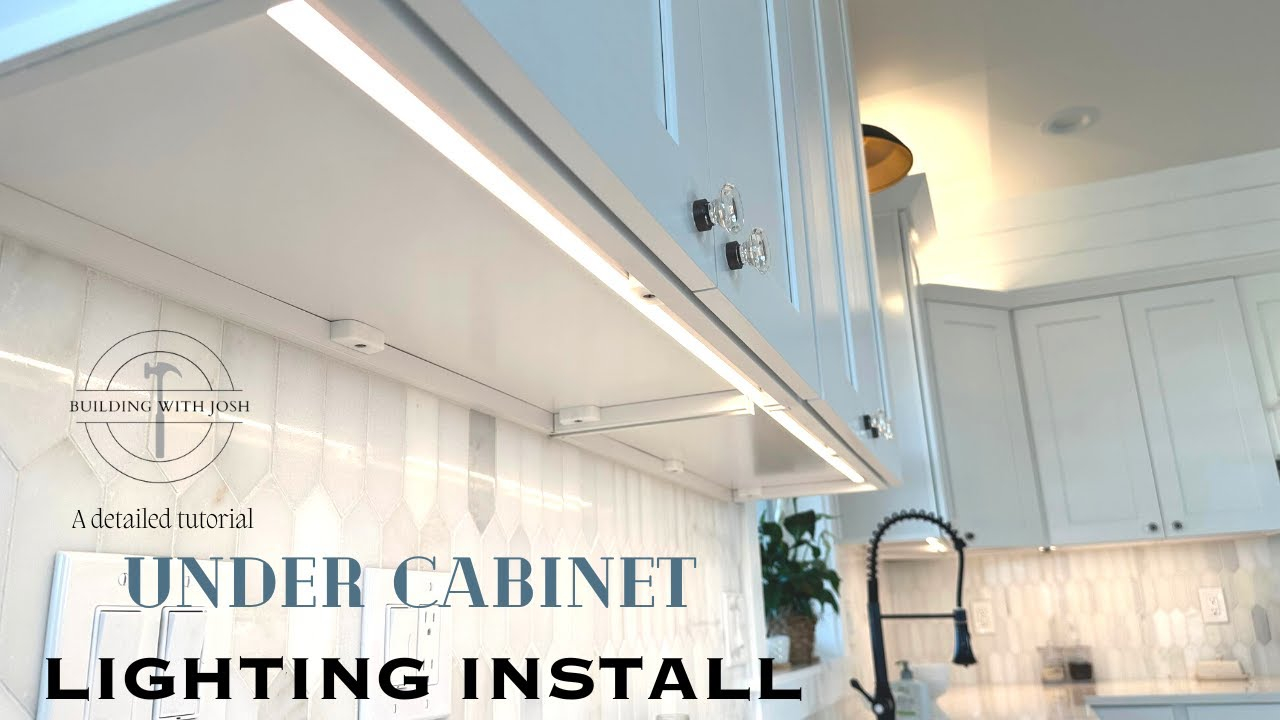
You know that feeling when you walk into a high-end kitchen showroom? The light is perfect. It’s warm, it’s even, and there isn’t a single wire in sight. The cabinets seem to float. The backsplash glows like it has its own inner life. That is the "professional" look we are all chasing. But when you get home to your own space, reality hits. You have a dark corner by the sink and a shadowy spot where you chop vegetables. You want that showroom vibe, but you don’t necessarily want to tear open your drywall or spend a fortune.
So, here is the big question everyone is asking in 2026: Can you get that sleek, built-in look with a simple plug-in light? Or is hardwiring still the only way to look like a pro? The answer isnt as black and white as you might think. Technology has changed the game. Installation methods have evolved. And honestly, "professional" means different things to different people. For some, it’s about pristine aesthetics. For others, it’s about smart functionality without the hassle. Let’s dig into the nitty-gritty of what actually looks better, why, and what you should choose for your home.
The Aesthetic Verdict: Clean Lines vs. Visible Reality
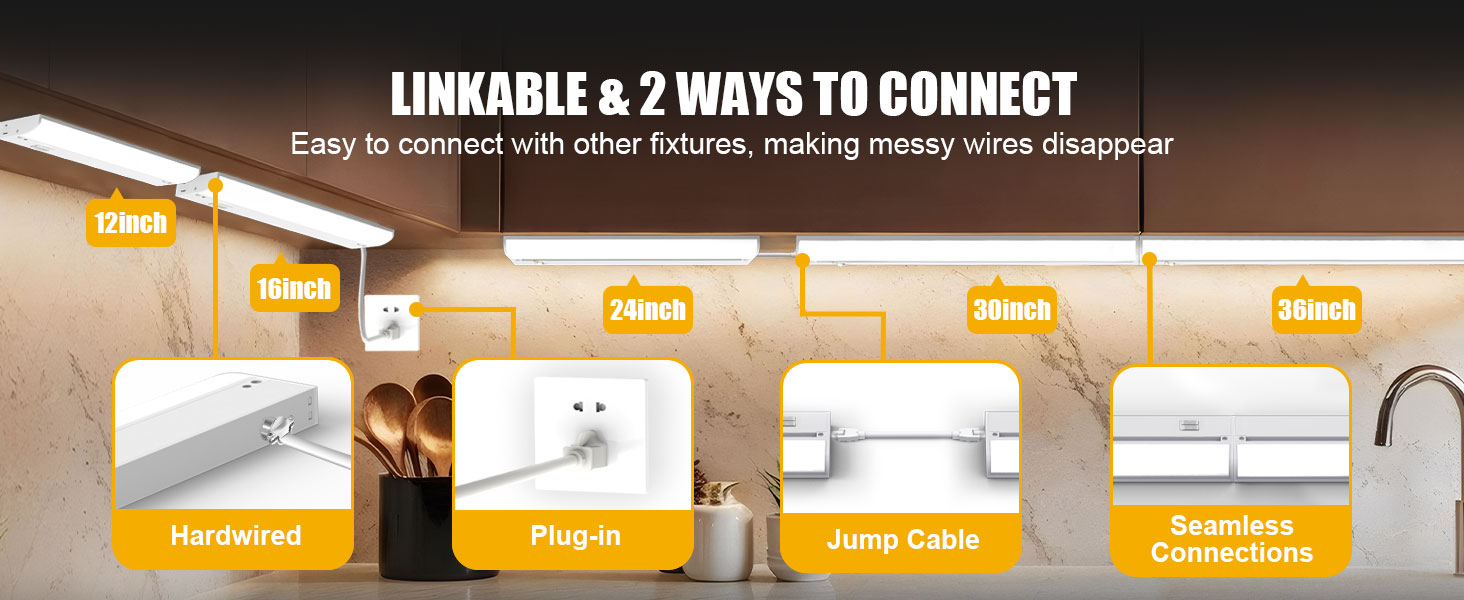
Let’s be real for a second. If we are talking strictly about visuals, hardwired lighting is the undisputed champion of the "professional" aesthetic. There is just no arguing with it. When lights are hardwired, the power source is hidden inside the wall or the cabinet itself. You see the fixture, you see the light, and that is it. No cords draping down the side of your cabinets. No bulky adapters hogging your precious outlet space. It looks intentional. It looks permanent. It looks like it was part of the house since day one.
Plug-in lights, on the other hand, come with baggage. Literally. You have a cord. You have a plug. You have an outlet that is now occupied. In a minimalist kitchen, that visible black or white cord running along the back splash or down the side of a cabinet can feel like a stain on an otherwise perfect picture. It breaks the line of sight. It reminds you that this is an add-on, not an integration. For designers and architects, this is the cardinal sin. They will almost always push for hardwired solutions because it preserves the integrity of the design.
However, dont dismiss plug-ins entirely based on old stereotypes. In 2026, manufacturers are getting smarter. We are seeing ultra-thin cords, color-matched wires that blend into cabinet finishes, and clever channeling systems that hide the bulk of the cable. Some high-end plug-in models now feature remote transformers that can be tucked away in a drawer or behind a toe-kick, leaving only a tiny, nearly invisible wire connecting to the light. It’s not quite as clean as hardwired, but it’s getting uncomfortably close. If you are willing to do a little bit of creative hiding, you can mitigate the "plug-in look" significantly.
The Installation Hurdle: DIY Dream vs. Electrician’s Payday
Here is where the plot thickens. Hardwired lighting looks better, sure, but getting it there is a whole different story. Unless you are a licensed electrician or a very brave DIYer with a lot of free time, you are going to need to hire a pro. And pros are not cheap. According to recent data from beeslighting.com, hiring a licensed electrician to install hardwired under-cabinet lighting can cost anywhere from $250 to $800 in labor alone. That is on top of the cost of the fixtures themselves. You are also looking at potential drywall repair, painting, and the general disruption of having someone work in your kitchen for a day or two.
Plug-in lighting is the ultimate rebel in this scenario. It requires zero electrical knowledge. You buy the light. You stick it up (usually with strong adhesive or simple screws). You plug it in. Done. The entire process can take less than an hour. For renters, this is a non-negotiable win. You cannot hardwire lights in a rental property without violating your lease and likely losing your security deposit. Plug-ins give you the benefit of great task lighting without the commitment or the legal headaches. It is freedom in a box.
But let’s talk about the outlet situation. To use plug-in lights, you need an accessible outlet. If your kitchen was built in the 90s, you might have outlets spaced far apart, or worse, located in awkward spots behind appliances. Running an extension cord across your countertop is not a professional look—it’s a tripping hazard and an eyesore. If you dont have an outlet near where you want the light, hardwiring might actually be the easier path, paradoxically. An electrician can tap into existing circuits relatively easily, whereas you cant magic an outlet into existence without similar construction work.
Cost Breakdown: Upfront Savings vs. Long-Term Value
Money talks, especially in 2026. When you look at the price tag, plug-in lighting is the clear winner for upfront costs. You can find high-quality LED plug-in strips for under $100. Sometimes much less. There are no labor costs. No permit fees. No surprise charges when the electrician finds old wiring that needs updating. It is budget-friendly and predictable. For homeowners who are watching every penny, or who just want to test out the look before committing, plug-ins are a low-risk entry point.
Hardwired systems, however, offer a different kind of value. Yes, the initial investment is higher. But they are often built with higher-grade materials and more robust drivers. They tend to last longer because they are not subjected to the wear and tear of being plugged and unplugged, or having their cords yanked accidentally. Furthermore, hardwired lighting adds to the resale value of your home. Potential buyers see integrated lighting as a premium feature. It signals that the home has been updated and cared for. Plug-in lights, conversely, are seen as personal property. They leave with you when you move.
Think of it like buying furniture. A plug-in light is like a nice piece from a flat-pack store. It serves its purpose, it looks good, and it was affordable. A hardwired system is like custom-built cabinetry. It costs more, it takes longer to install, but it becomes part of the home’s architecture. If you plan to stay in your house for ten years or more, the hardwired option often pays for itself in durability and enjoyment. If you are moving in two years, the plug-in route makes much more financial sense.
Flexibility and Control: Living with Your Lights
Life changes. Maybe you decide you want to repaint your kitchen. Maybe you want to rearrange your appliances. Maybe you just want to change the vibe from cool white to warm amber. Plug-in lights offer unparalleled flexibility here. You can move them. You can replace them. You can take them with you. If a light burns out, you swap it out in seconds. There is no calling an electrician. There is no turning off the breaker. It is user-friendly in the truest sense.
Hardwired lights are committed relationships. Once they are in, they are in. Moving them requires patching holes, repainting, and rewiring. It is a project, not a tweak. However, modern hardwired systems have caught up in terms of control. In the past, you were stuck with a single wall switch. Today, most hardwired LED systems are compatible with smart home ecosystems. You can control brightness, color temperature, and scheduling via apps or voice commands, just like you can with many high-end plug-in options. The gap in functionality has closed significantly.
One thing to consider is the "clutter factor" on your countertops. Plug-in lights often require a transformer or a driver box somewhere. If you cant hide it inside a cabinet, it might end up sitting on your counter or dangling visibly. This defeats the purpose of a clean, professional look. Hardwired transformers are typically installed in remote locations—inside a soffit, behind a panel, or in a basement crawl space. This keeps the visible parts of your kitchen clutter-free. For those who obsess over clear counters, this hidden infrastructure is a major selling point for hardwired setups.
The "Professional" Perception: What Do Buyers and Designers Say?
We asked ourselves: what does "professional" actually mean in the context of home design? We looked at trends from 2024 through 2026, and the consensus among interior designers is shifting slightly. While hardwired is still the gold standard, the stigma around plug-ins is fading. Why? Because the quality of plug-in LEDs has skyrocketed. We no longer have to deal with flickering, dim, or uneven light. Modern plug-in strips offer high CRI (Color Rendering Index) ratings, meaning your food looks vibrant and natural, just like in a pro kitchen.
Real estate agents also weigh in on this. They note that while hardwired lighting is a nice "wow" factor during showings, it is rarely a deal-breaker if it’s missing. However, visible, messy plug-in cords can be a negative. It suggests a lack of finish or a temporary fix. So, if you go the plug-in route, execution is everything. If the cords are hidden, the transformers are concealed, and the light quality is excellent, most buyers wont even notice the difference. They will just see a well-lit, inviting kitchen.
There is also a psychological aspect. Hardwired lighting feels permanent and stable. It subconsciously signals quality to visitors. Plug-in lighting, even when done well, can feel transient. It’s a subtle cue, but humans are picky about their environments. If you are hosting dinner parties or trying to impress clients, that seamless, cordless look of hardwired lights contributes to an atmosphere of polish and attention to detail. It’s the difference between wearing a tailored suit and a really nice off-the-rack one. Both look good, but one fits perfectly.
So, how do you decide? It comes down to your specific situation. Start by asking: How long will I live here? If the answer is "a long time," lean towards hardwired. If it’s "a few years," plug-in is probably smarter. Next, look at your budget. Can you afford the $300-$800 installation cost? If not, plug-in is your friend. Then, assess your skills. Are you comfortable drilling into cabinets and managing wires? If yes, you might be able to do a semi-hardwired job yourself, but be careful. Electrical work can be dangerous if done incorrectly.
Consider your outlet layout. Walk around your kitchen. Where are the outlets? Are they hidden behind the fridge? Are they right where you need the light? If you have convenient outlets, plug-in becomes a much more viable aesthetic option because you can minimize cord length. If you have no outlets nearby, hardwiring might be the only way to get light where you need it without running ugly extension cords across your backsplash.
Finally, think about your tolerance for imperfection. Can you stand seeing a small wire? Does it bother you every time you walk into the kitchen? If yes, spend the money on hardwired. If you are more pragmatic and care more about the light quality than the source, plug-in will serve you well. There is no wrong choice, only the choice that fits your life. Remember, good lighting makes your space look bigger, brighter, and more expensive, regardless of how it gets power.
At the end of the day, both hardwired and plug-in under cabinet lighting have their merits. Hardwired systems offer that cleaner, seamless look that screams "professional renovation." They are permanent, valuable, and visually superior. Plug-in options provide flexibility, ease of installation, and a lower barrier to entry. They are perfect for renters, budget-conscious homeowners, or anyone who wants a quick upgrade without the construction mess. In 2026, the gap in light quality has vanished. The only real difference is the wire. Choose the path that lets you sleep at night—and cook in the light.