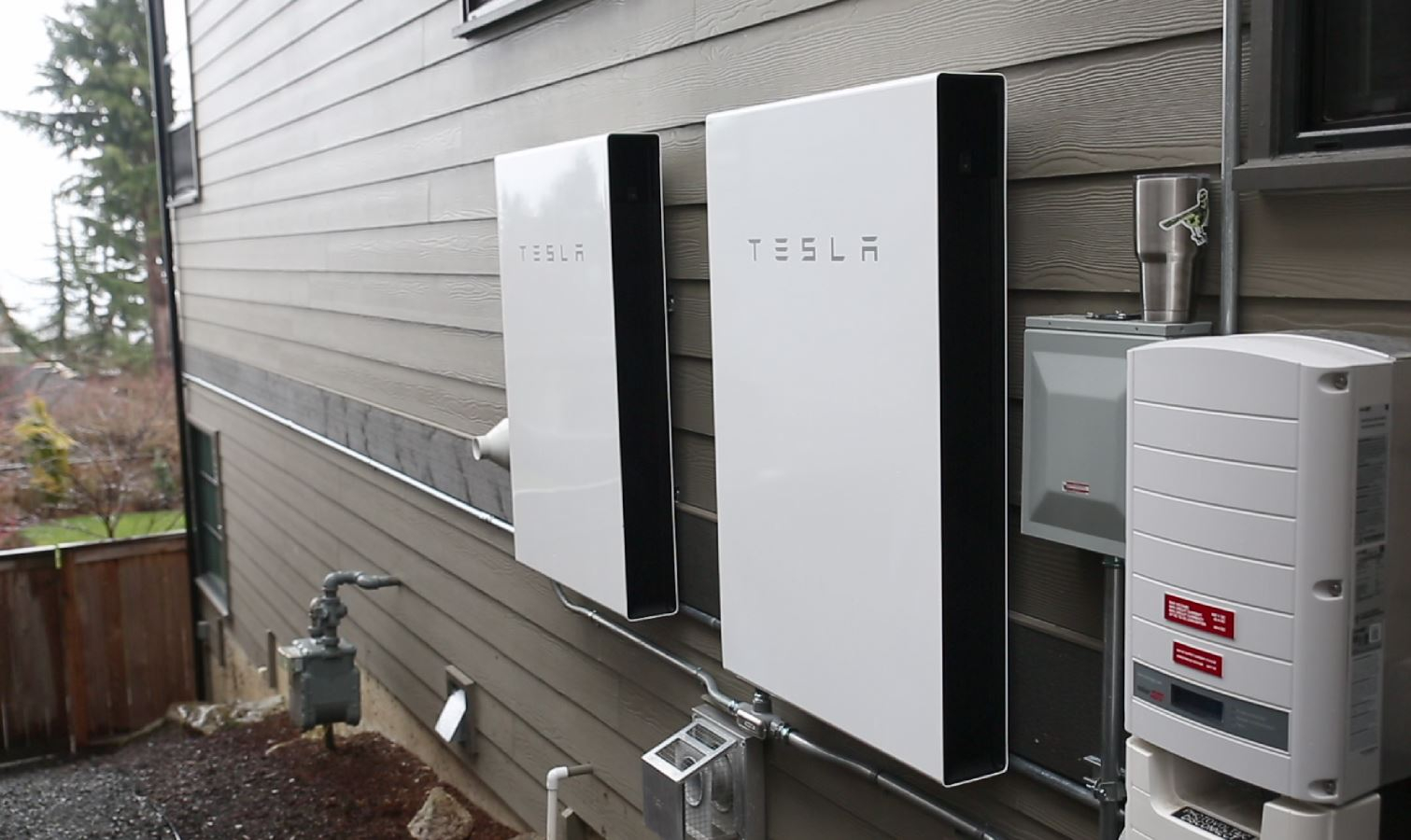
So, you’re thinking about getting a home battery. Maybe you’ve seen your neighbors installing those sleek white boxes on their garage walls. Or perhaps the power went out last winter for three days straight, and you promised yourself, "Never again." It’s a smart move. But if you’ve started poking around online, you’ve probably hit a wall of confusion. One site says you get 30% off. Another says that credit is gone. Who’s right?
Here’s the thing: both are kind of right, depending on who you ask and when they wrote their article. The landscape for home energy storage has shifted dramatically in 2026. The old rules? They’re mostly history. The new reality is a patchwork quilt of local incentives, utility payouts, and state-specific programs. It’s messy, sure. But it’s also full of opportunity if you know where to look. Let’s cut through the noise and figure out what’s actually available to you right now.
The Great Federal Shift: What Happened to the 30% Credit?
For years, the federal Investment Tax Credit (ITC), also known as Section 25D, was the golden ticket. It offered a straightforward 30% tax credit for solar and battery systems. It was simple. It was reliable. But as of January 1, 2026, that blanket federal coverage for standalone batteries has expired. Yes, you read that right. If you are installing only a battery without new solar panels, the federal government is no longer writing you that big check. This change, driven by the One Big Beautiful Bill Act (OBBBA) adjustments, has left many homeowners scratching their heads.
However, don’t panic just yet. If you are adding a battery to an existing solar system, or installing solar and battery together, some interpretations of the law still allow for credits, but the window is narrowing and the rules are stricter. Most experts agree that the era of easy, universal federal subsidies is over. This doesn’t mean batteries are too expensive. It just means the savings have moved downstream. You won’t find the money in Washington D.C. anymore; you’ll find it in your state capital and your local utility office.
This shift forces us to think differently. Instead of relying on a one-size-fits-all federal program, we have to get local. It’s a bit more work, I know. But the upside is that many local programs are actually more generous than the federal credit was, especially in high-cost areas. You just have to know which doors to knock on.
State-Level Lifelines: California, New York, and Beyond
Let’s talk about the heavy hitters. States are stepping up to fill the gap, and some are offering incredible deals. California, for instance, has the Self-Generation Incentive Program (SGIP). It’s been around for a while, but in 2026, it remains one of the most robust programs in the country. Depending on where you live in the state and whether you’re in a high-fire-threat district, you can get hundreds of dollars per kilowatt-hour (kWh) of storage capacity. For a typical home battery, that can add up to thousands of dollars in upfront savings. It’s not just a tax break; it’s often a direct rebate that lowers your invoice.
Then there’s New York, Massachusetts, and Connecticut. These states have long recognized the value of grid resilience. In 2026, New York’s NY-Sun initiative continues to provide point-of-sale incentives for battery storage. You might see discounts ranging from $300 to over $1,000 per kWh. That’s huge. Imagine a $15,000 battery system suddenly costing $10,000 because the state covered the difference. Other states like Colorado and Maryland have also launched or expanded their own rebate programs, often tied to energy efficiency goals or disaster preparedness grants.
But here’s the catch: these funds are finite. They operate on a first-come, first-served basis. When the budget runs out, the program pauses until the next fiscal year or until more funding is approved. This creates a sense of urgency. If you’re in a state with an active rebate program, waiting six months could cost you thousands. It’s worth checking your state’s energy office website today. Don’t assume you’re eligible until you verify the current status. Programs change fast, and budgets drain quicker than you’d think.
Utility Companies: The Hidden Goldmine
Your electric utility company might be your new best friend. Seriously. In 2026, utilities are desperate for grid stability. They hate building new power plants. They’d much rather pay you to store energy when it’s cheap and release it when demand is high. This is where Virtual Power Plants (VPPs) come in. By joining a VPP, you allow your utility to tap into your battery during peak times. In exchange, they pay you. Sometimes it’s a monthly bill credit. Sometimes it’s an upfront incentive just for signing up.
Take a look at programs in Texas, Florida, and parts of the Northeast. Many utilities are offering upfront rebates between $500 and $3,000 just for installing a compatible battery. Why? Because your battery helps them avoid blackouts. It’s a win-win. You get backup power and cash; they get a more stable grid. Some utilities even offer special time-of-use rates that make charging your battery at night super cheap, then letting you use that power during the day when electricity prices spike. The math works out in your favor if you play it right.
To find these deals, you can’t just look at your bill. You need to dig. Call your utility’s customer service line and ask specifically about "distributed energy resource incentives" or "battery storage rebates." Ask if they have a Virtual Power Plant program. If the first person you talk to doesn’t know, ask for someone in the energy efficiency or renewable energy department. It’s a bit of a scavenger hunt, but the treasure is real. And unlike state rebates, utility programs often have larger budgets and renew annually.
The Rise of Third-Party Ownership and Leasing
Not everyone has $15,000 or $20,000 lying around to buy a battery outright. And with the federal tax credit gone for standalone units, the upfront cost feels steeper. Enter third-party ownership. This isn’t new for solar, but it’s booming for batteries in 2026. Companies like Tesla, Sunrun, and local installers are offering leases or power purchase agreements (PPAs) specifically for storage. Here’s how it works: the company owns the battery. You pay a monthly fee to use it, or you pay for the energy it provides.
The beauty of this model? The company claims the incentives. They take the state rebates, the utility payments, and any remaining tax benefits. In return, they pass some of those savings on to you in the form of lower monthly payments. You get the backup power without the massive upfront cost. It’s like renting vs. buying a house. You don’t build equity, but you also don’t need a huge down payment. For many families, this is the only way to make the numbers work right now.
Just be careful with the fine print. Lease contracts can be tricky. Make sure you understand what happens if you sell your home. Can the new buyer take over the lease? Is there a buyout option? Also, check if the lease includes maintenance. Batteries degrade over time. You want a partner who will replace the unit if its capacity drops too low. It’s a trade-off: convenience and lower initial cost versus long-term ownership. For 2026, though, it’s a vital pathway to consider.
Stacking Incentives: How to Maximize Your Savings
The secret to making batteries affordable in 2026 isn’t finding one big check. It’s stacking small ones. Think of it like couponing. You wouldn’t just use one coupon if you could use three, right? Same logic applies here. You can often combine a state rebate, a utility incentive, and a manufacturer promotion. Let’s say you live in California. You might get $2,000 from SGIP. Then, your utility offers a $1,000 sign-up bonus for their VPP. Plus, the battery manufacturer is running a spring promo for $500 off. Suddenly, that $15,000 system is down to $11,500. That’s a game changer.
To do this effectively, you need a spreadsheet. I know, it sounds boring. But write down every potential incentive. List the requirements for each. Do you need to apply for the state rebate before installation? Does the utility require a specific meter upgrade? Timing is everything. Some rebates require pre-approval. If you install the battery before getting the green light, you might disqualify yourself. It’s a hassle, yes. But the payoff is worth the paperwork.
Also, don’t forget about local municipal programs. Some cities and counties have their own green energy grants. They’re smaller, maybe $200 or $500, but every bit helps. Check with your city clerk’s office or local community action agencies. They often have lists of available resources that don’t show up on national search engines. It’s about being thorough. The more layers you peel back, the more money you keep in your pocket.
Let’s step back for a second. Money matters, obviously. But is it the only reason to get a battery? Not really. In 2026, extreme weather events are more common. Hurricanes, wildfires, ice storms—they’re disrupting power grids more frequently. A home battery isn’t just a financial asset; it’s an insurance policy. It keeps your fridge running, your lights on, and your medical devices powered when the rest of the neighborhood is dark. That peace of mind? You can’t put a price tag on it.
Plus, there’s the property value angle. Homes with solar and storage are selling faster and for more money. Buyers are savvy. They know that energy independence is valuable. They see a battery and think, "I won’t have to worry about the next storm." It makes your home more attractive in a competitive market. While the exact boost in value varies by region, studies consistently show that energy-efficient features are a strong selling point. It’s an investment in your home’s future marketability, not just your current electricity bill.
So, when you’re crunching the numbers, don’t just look at the rebate checks. Look at the avoided costs of spoiled food, hotel stays during outages, and the potential increase in your home’s resale value. When you factor all that in, the return on investment looks a lot better. It’s a holistic view. The incentives help you get in the door, but the long-term benefits keep you there. It’s about building a home that’s ready for whatever 2026 and beyond throws at it.
Navigating the 2026 incentive landscape takes a bit of legwork. The federal safety net is gone for standalone batteries, but a vibrant ecosystem of state, utility, and private programs has risen to take its place. It’s less automatic, but potentially more rewarding if you’re proactive. Start by checking your state’s energy office website. Then, call your utility. Ask about leases if cash is tight. Stack every discount you can find.
It’s not as simple as it used to be. But it’s still very much worth it. The technology is better, the prices are stabilizing, and the support is there if you know where to look. Don’t let the complexity scare you off. Take it one step at a time. Find one rebate. Then another. Before you know it, you’ll have a system that protects your home and saves you money. And honestly? That’s a pretty good feeling.