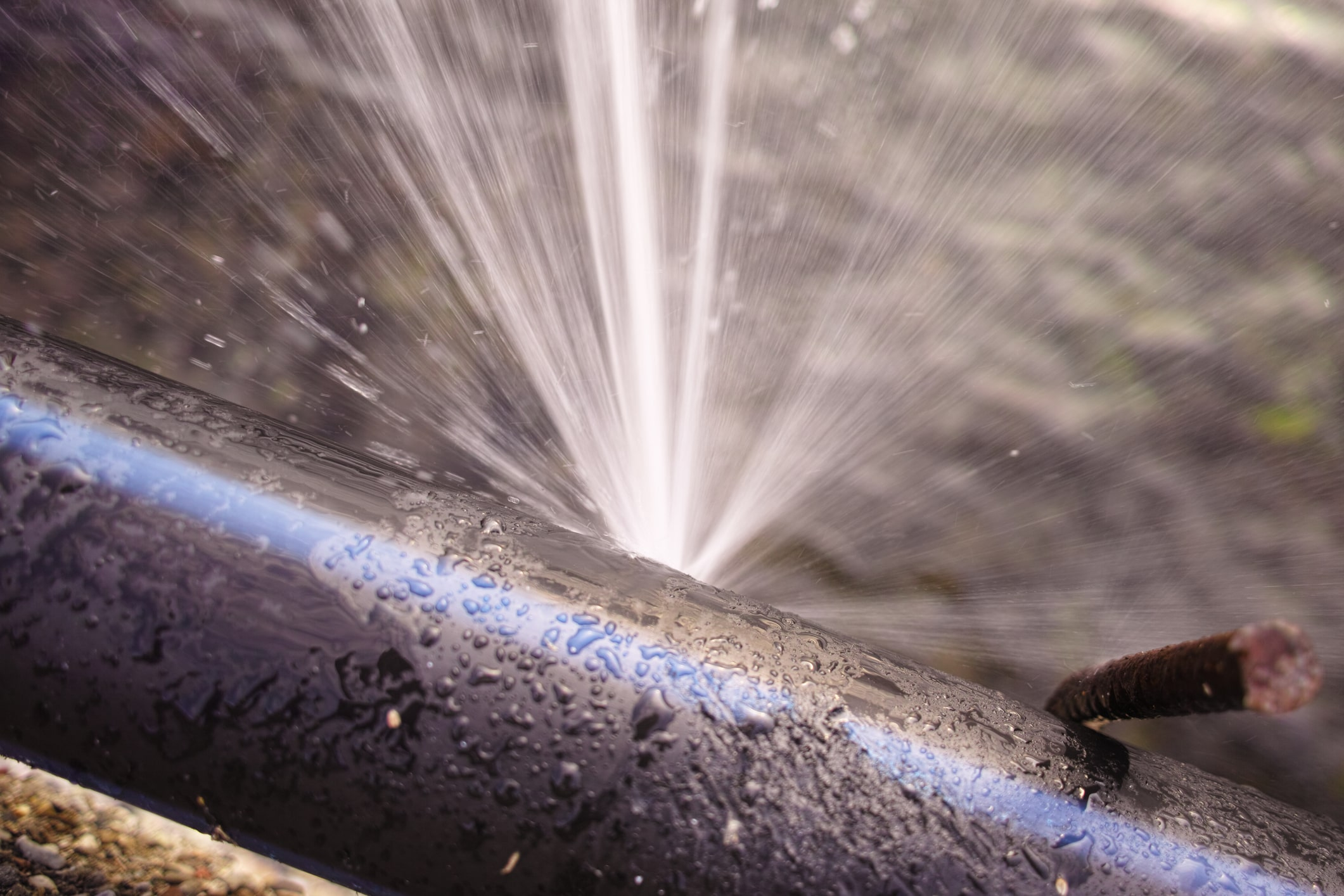
You know that feeling. You’re finally settled into your beach chair, the sun is warm, and you’ve got a cold drink in hand. But then, a tiny voice in the back of your head whispers, "Did I leave the stove on? Did I lock the back door? And… are my pipes going to explode?" It’s annoying, right? That little nagging doubt can steal the joy right out of a perfectly good trip. We’ve all been there. The fear of coming home to a flooded basement or ruined hardwood floors is real. It’s not just about the money, though that’s a huge part of it. It’s the hassle. The cleanup. The smell of wet drywall. Nobody wants that.
But here’s the good news. You don’t have to spend your vacation staring at your phone, refreshing your smart home app every five minutes. With a bit of prep work before you leave, you can silence that inner worrier for good. Whether you’re heading out for a long weekend or a month-long adventure, protecting your plumbing isn’t rocket science. It’s mostly common sense and a few key habits. Let’s talk about how to keep your home safe so you can actually relax.
The Big Chill: Why Winter Travel Needs Extra Care
Let’s start with the obvious culprit: cold weather. If you’re traveling in the winter, frozen pipes are your number one enemy. Water expands when it freezes. It’s simple physics, but the results are messy. When that ice builds up inside your copper or PVC pipes, the pressure has nowhere to go but out. Pop. Crack. Burst. Suddenly, you’ve got gallons of water pouring into your walls. In 2026, we’ve seen some pretty wild temperature swings, so even if you live in a "mild" climate, a sudden snap freeze can catch you off guard.
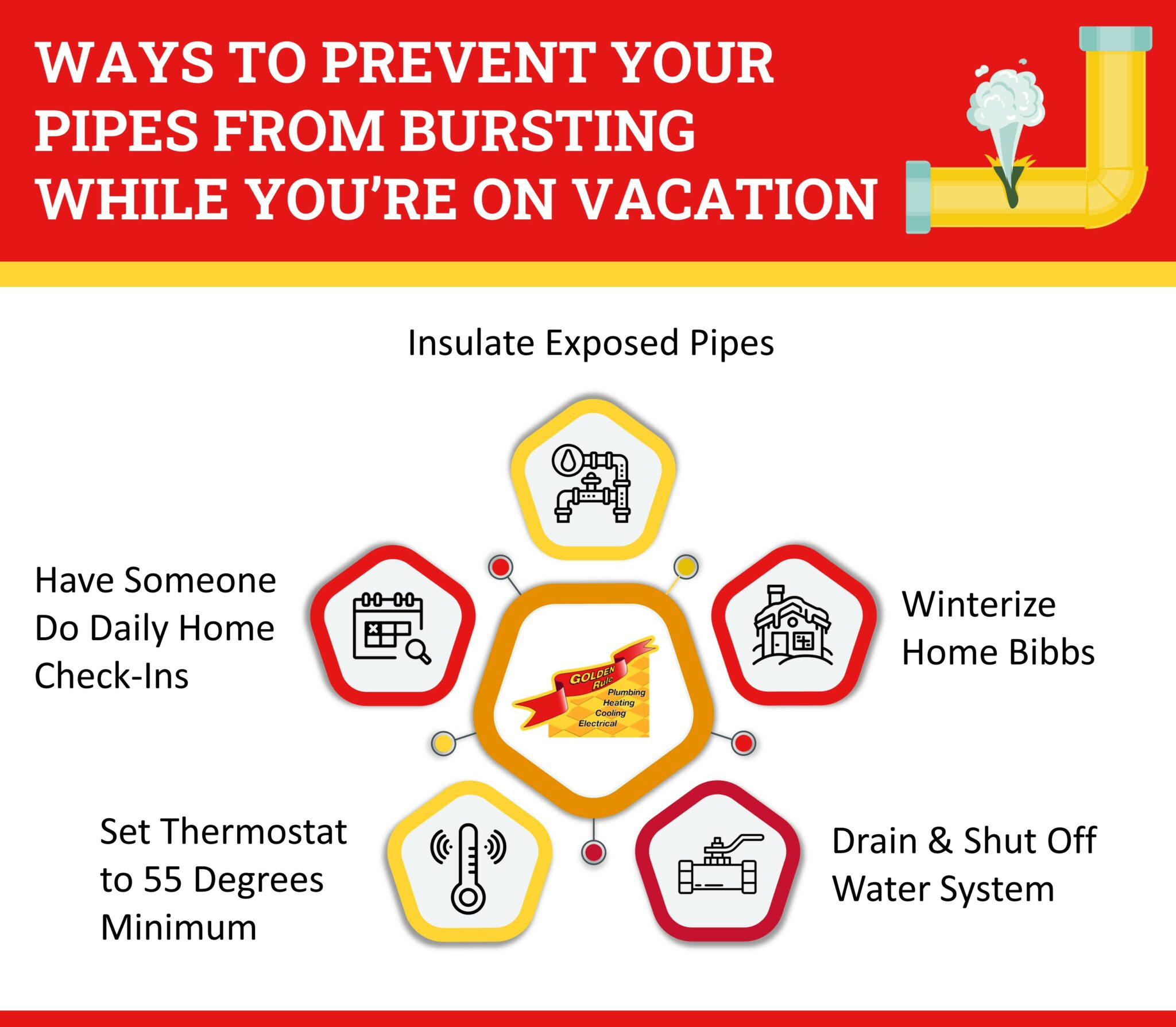
The first line of defense is heat. Keep your thermostat set to at least 55°F (about 13°C). Some experts say 50°F is okay, but why risk it? That extra five degrees is cheap insurance. It keeps the air around your pipes warm enough to prevent freezing, even in those drafty corners of your basement or attic. Don’t try to save a few bucks on your heating bill by turning it down to 40°F. One burst pipe will cost you way more than a week of heating. Trust me on this one.
Also, think about airflow. Open the cabinet doors under your kitchen and bathroom sinks. It looks a bit weird, sure, but it lets the warm air from your house circulate around the pipes. Those exterior walls get cold fast. If you have pipes running through unheated spaces like garages or crawl spaces, make sure they’re insulated. Foam pipe sleeves are dirt cheap and easy to slap on. If you haven’t done it yet, do it now. It takes ten minutes and saves you a world of hurt.
Summer Surprises: Heat and Pressure Issues
Wait, you might be thinking, "I’m going to Hawaii in July. Do I need to worry about freezing?" No, probably not. But summer has its own plumbing quirks. High heat puts stress on outdoor plumbing and irrigation systems. If you have a sprinkler system, check it before you go. A broken head or a leaky valve can waste hundreds of gallons of water while you’re gone, hiking up your bill and maybe even causing erosion or mud issues in your yard.
Another thing to watch for in the summer is water pressure. Sometimes, municipal water pressure can spike during low-usage times. If your home doesn’t have a pressure regulator, or if it’s failing, those spikes can stress old joints and fittings. It’s less common than a freeze, but it happens. If you hear banging noises in your pipes (water hammer) when you use water, get that checked out before you leave. A simple pressure gauge from the hardware store can tell you if your levels are too high. Aim for between 40 and 60 psi. Anything over 80 is asking for trouble.
Don’t forget about your water heater either. If you’re gone for more than a few days, consider turning it to "vacation mode" or lowering the temperature. Most modern heaters made in the last few years have a specific setting for this. It saves energy and reduces the risk of leaks from the tank itself. Older tanks can corrode and fail, and coming home to a flooded utility room is no fun, regardless of the season. Just a small tweak can make a big diference in safety and savings.
The Nuclear Option: Shutting Off the Water
If you really want to sleep soundly, there’s one move that beats them all: shut off the main water supply. It’s the nuclear option, but it’s incredibly effective. If there’s no water flowing into your house, there’s no water to leak out. Simple as that. Locate your main shut-off valve. It’s usually in the basement, near the street side of the house, or in a utility closet. Make sure you know where it is and that it turns easily. If it’s stiff or rusty, lubricate it or replace it before you leave. You don’t want to be wrestling with a stuck valve when you’re already late for your flight.
Once you’ve turned off the main valve, you need to drain the lines. Go to the highest faucet in your house (like an upstairs bathroom) and turn it on. Then, go to the lowest faucet (like a basement sink or an outdoor spigot) and turn that on too. This lets gravity do the work, pulling the remaining water out of your pipes. Let them run until they sputter and stop. This step is crucial. Even with the main off, trapped water can still freeze and burst a pipe section. Draining them removes that risk entirely.
While you’re at it, flush your toilets. This empties the tanks and bowls, which prevents stale water from sitting and developing odors or bacteria growth while you’re away. It also stops any potential leaks from the flapper valves in the tanks. It feels a bit extreme, maybe, but when you come home to a bone-dry house, you’ll be glad you did it. Plus, it’s free. No gadgets to buy, no apps to download. Just a few minutes of turning handles.
Smart Tech: Your Digital House Sitter
Okay, so maybe shutting off the water feels too drastic for a three-day trip. Or maybe you just love gadgets. Either way, smart home tech has come a long way by 2026. Water leak detectors are small, battery-powered sensors you can place near your water heater, washing machine, and under sinks. If they detect moisture, they send an alert to your phone immediately. Some even connect to automatic shut-off valves that cut the water flow the second a leak is detected. It’s like having a plumber living in your walls, minus the awkward small talk.
There are also smart water monitors that attach to your main water line. These devices learn your household’s water usage patterns. If they see water flowing at 3 AM when everyone is asleep, or if they detect a continuous flow that suggests a running toilet or a burst pipe, they alert you. Some systems let you shut off the water remotely from your phone. This is huge for peace of mind. You can be on a plane and still protect your home. Just make sure your Wi-Fi is reliable. If your internet goes down, some of these features might not work, so check the specs before you buy.
Are they worth the investment? For frequent travelers, absolutely. The cost of a good smart shutoff system is a fraction of the cost of repairing water damage. And the convenience is unbeatable. You can check your home’s status from anywhere in the world. Just remember, technology isn’t perfect. Batteries die. Wi-Fi signals drop. So, don’t rely on it 100%. Use it as a layer of protection, not your only defense. Combine it with the basic steps like insulation and temperature control for the best results.
The Human Element: Asking for Help
Sometimes, the best technology is a friend. If you’re going to be gone for more than a week, ask a neighbor, friend, or family member to check on your place. Give them a key and a simple checklist. Ask them to look for any signs of leaks, listen for running water, and make sure the heat is still on. Having a human set of eyes on your home once or twice a week can catch problems that sensors might miss. Maybe a window blew open during a storm, or a raccoon got into the attic and chewed a line. A person can spot that stuff.
Make it easy for them. Write down where the main water shut-off is. Show them how to reset the circuit breaker if needed. Leave your contact info and the number for your plumber. If they see something weird, they need to know who to call. And please, be a good host. Bring them a gift when you get back. A bottle of wine, a gift card, or just a sincere thank-you note goes a long way. You’re asking for a favor, after all. Building that community connection is valuable in itself.
This approach also helps with other things, like bringing in mail or watering plants. An overflowing mailbox is a sign that nobody’s home, which isn’t great for security. Having someone pick it up keeps your house looking lived-in. It’s a win-win. You get peace of mind, and they get to feel helpful. Just make sure you trust them. And maybe give them a spare key that’s easy to identify, so they don’t lose it. Label it clearly. "House Key" works better than a mysterious blank brass tag.
The Pre-Departure Checklist: Don’t Forget the Basics
Before you walk out the door, do a final sweep. It’s easy to forget the small stuff when you’re rushing to catch a cab. Start with the outdoors. Disconnect all garden hoses. If you leave them attached, water can get trapped in the hose bib (the outdoor faucet) and freeze, causing the pipe behind the wall to burst. Drain the hoses and store them. If you have an irrigation system, turn it off and drain it if possible. Winterize those spigots if you have frost-free ones, but double-check they’re working.
Inside, check your appliances. Unplug non-essential electronics to save energy and reduce fire risk. But for plumbing, focus on the washing machine and dishwasher. Make sure they aren’t mid-cycle. Check the hoses for cracks or bulges. If they look old and brittle, replace them before you go. Rubber hoses degrade over time and are a common source of leaks. Braided stainless steel hoses are much tougher and last longer. If you’ve got the old rubber ones, swap them out. It’s a cheap upgrade that pays off.
Finally, take a photo of your water meter. It sounds weird, but it’s a good baseline. If you come home and suspect a leak, you can compare the new reading to the old one. If it’s moved significantly without you using water, you’ve got a hidden leak somewhere. Also, clean out your drains. Pour a bit of baking soda and vinegar down the sinks and toilets to keep them fresh and prevent clogs while you’re gone. It’s a nice touch that makes coming home feel a bit more welcoming. No one likes the smell of stagnant drain water after a week away.
So, there you have it. Protecting your pipes while you’re on vacation doesn’t have to be a source of stress. It’s just a matter of taking a few sensible steps. Keep the heat on, insulate the vulnerable spots, and consider shutting off the water if you’re gone for a while. Use tech if it helps, but don’t rely on it exclusively. And don’t be afraid to ask for help from friends or neighbors. These actions are small, but they add up to a huge amount of security.
Think about it. What’s the alternative? Spending your entire trip worrying? Checking your phone every hour? That’s no way to travel. By spending an hour or two prepping your home, you buy yourself the freedom to truly disconnect. You can enjoy that sunset, taste that local food, and sleep in without that nagging voice in your head. The best souvenir you can bring back is a dry, safe home.
Next time you pack your bags, take a few minutes to pack your home’s safety too. It’s a habit worth forming. And hey, if you do everything right and nothing happens, that’s the goal. Boring is good when it comes to plumbing. No news is good news. So go ahead. Book that ticket. Leave the worry behind. Your pipes—and your peace of mind—will thank you. Safe travels.