It starts with a sound. Or maybe it doesn’t. Sometimes it’s just a flicker. A light that dims for a split second before snapping back to full brightness. You shrug it off. It’s probably nothing, right? Just the grid doing its thing. But then, two days later, your smart fridge stops cooling. Your gaming PC won’t boot. And the HVAC system is making a noise that sounds like a dying cat.
That’s when the panic sets in.
We’ve all been there, or at least we’ve heard the stories. In 2026, our homes are more connected than ever. We aren’t just protecting lightbulbs anymore; we’re guarding entire ecosystems of sensitive microchips. Yet, so many of us still treat surge protection as an afterthought. We buy a $15 power strip for the TV and call it a day. We think we’re safe. Until we aren’t.
The regret isn’t just about the money—though that hurts plenty. It’s the feeling of preventable loss. The "if only I had known" that keeps you up at night. Let’s look at what happens when people skip the big picture protection, and why the experts say you need more than just a plug-in strip.
The Myth of the Power Strip Savior
Most of us grow up thinking that a surge protector is that beige box with six outlets and a little red light. If the light is on, we’re good. That’s the logic. It’s simple. It’s comforting. But it’s also dangerously incomplete.
Take the case of Sarah, a homeowner in Texas. She had high-end power strips on every major appliance. Her TV, her computer, even her washing machine were plugged into "protected" outlets. Then, a summer storm rolled through. Lightning didn’t strike her house directly, but it hit a transformer three blocks away. The surge traveled down the lines, jumped into her panel, and fried the main board of her central air conditioner.
Why? Because the surge entered through the hardwired connection, not a plug. The power strips couldn’t touch it. They were sitting ducks on the other side of the wall. As one electrician noted on a popular forum, plug-in protectors are great, but they only work if the "whole house" protector connects with low impedance to the earthing electrodes. Without that first line of defense at the panel, the surge has nowhere to go but through your stuff.
Sarah learned the hard way that internal surges—those caused by your own appliances cycling on and off—are also a threat. In 2025, data showed that most surges actually start inside the home, not from lightning. Your refrigerator compressor kicks on, creating a spike. Your pool pump cycles. These mini-surges degrade electronics over time. A power strip might catch the big external hit, but it often misses the slow death by a thousand cuts happening inside your walls.
When the Grid Bites Back
Living in an area with stable power feels like a privilege. Until it isn’t. We tend to trust the utility company to deliver clean, steady electricity. But the grid is aging. It’s stressed. And in 2026, with the rise of solar and electric vehicles, the flow of power is more complex than ever.
Mark, a homeowner in California, thought he was immune. He had solar panels, which he assumed acted as a buffer. "I figured the inverter would handle any weirdness," he said. He was wrong. When a nearby construction crew accidentally severed a main line, the resulting voltage spike bypassed his solar setup entirely. It surged through the meter and into his sub-panel.
The result? His smart home hub, his security cameras, and his high-end audio system were toast. Total loss: nearly $4,000.
Experts point out that whole-house surge protectors are typically pitched as protection from utility surges and lightning. But they are also crucial for homes with solar. The susceptibility to utility power surges doesn’t disappear just because you generate your own power. In fact, the interplay between grid-tied systems can sometimes create unique vulnerability points. Mark’s mistake was assuming his solar gear was a shield. It wasn’t. It was just another piece of expensive electronics waiting to be fried.
The lesson here is clear: the grid is unpredictable. Relying on the utility company to keep things smooth is a gamble. And as anyone who’s lost a motherboard knows, the house always wins.
The Hidden Cost of "Internal" Surges
We often picture surges as dramatic events. Lightning bolts. Exploding transformers. But the silent killers are much more mundane. They happen every single day.
Every time your air conditioner compressor kicks on, it draws a massive amount of current. When it shuts off, that energy has to go somewhere. It creates a spike. Same with your washing machine, your dishwasher, and even your LED lights if they’re cheap quality. These are internal surges. They’re smaller than a lightning strike, sure. But they add up.
Jenny, a tech consultant in Seattle, noticed her devices were failing prematurely. Her laptop chargers burned out every six months. Her smart TV developed dead pixels. She blamed bad luck. She blamed the brands. It wasn’t until an electrician inspected her panel that she found the truth. Her home had no surge protection at all. Not even a basic one.
"The electronics face much risk from power surges," the electrician told her. "And most of these start inside your home."
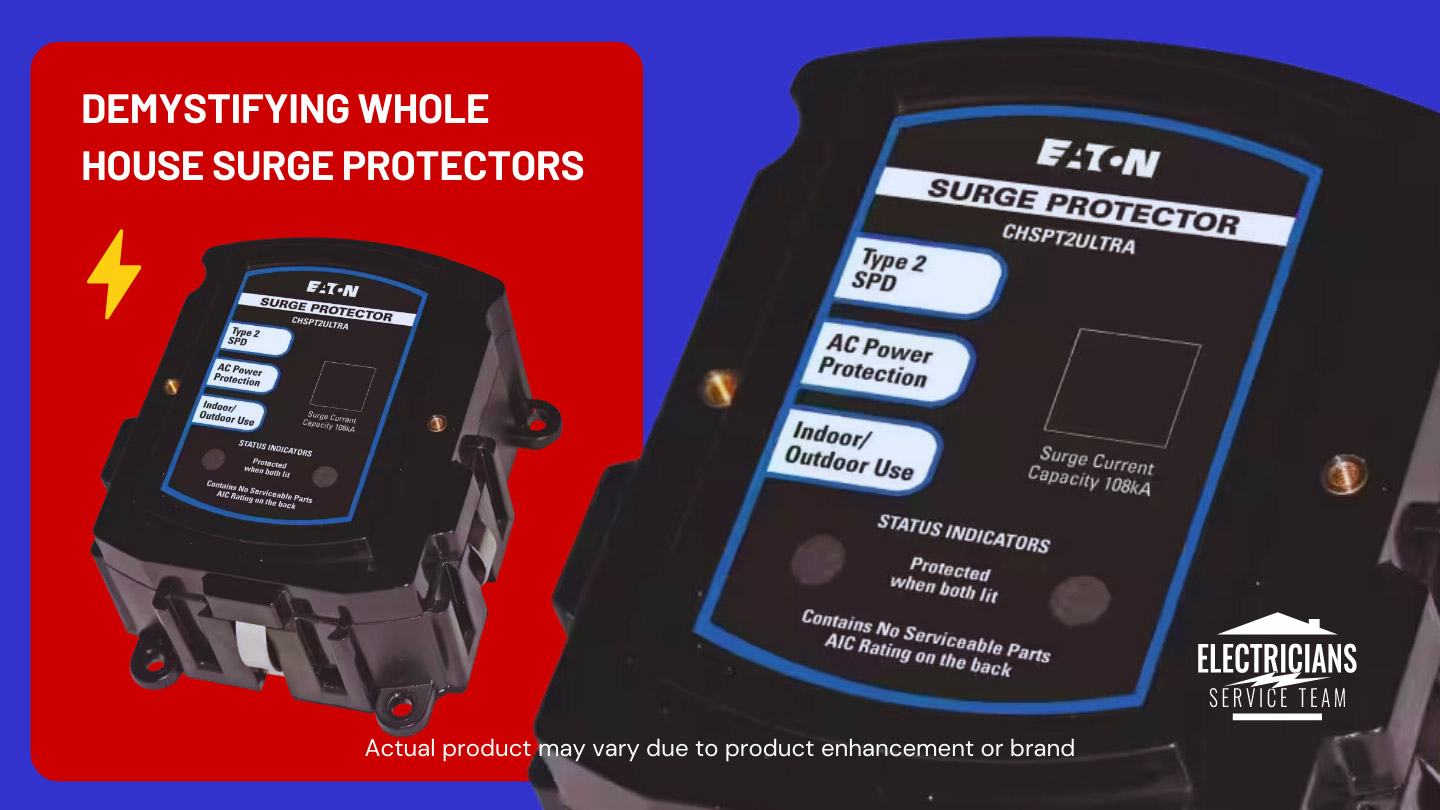
Without a whole-house unit to clamp these spikes at the source, they travel through your wiring, degrading the sensitive components in your devices. It’s like driving a car with bad alignment. You might not crash today, but your tires will wear out fast. Jenny replaced her devices, but she also installed a 100 kA (kilo-amp) surge protector at her service panel. Since then? Zero failures in two years.
It’s a subtle point, but a vital one. Surge protection isn’t just about disaster recovery. It’s about longevity. It’s about making your $2,000 fridge last ten years instead of five.
The Insurance Gap Nobody Talks About
Here’s a question that keeps insurance agents busy: Does my homeowners policy cover surge damage?
The answer is… maybe. But probably not in the way you think.
Many policies have exclusions for "power failure" or "mechanical breakdown." If a surge causes a component to fail, the insurer might argue it was a mechanical issue, not an external event. Others might cover the fire that results from a surge, but not the damaged electronics themselves. It’s a maze of fine print.
Tom, a homeowner in Florida, filed a claim after a storm damaged his home office. He had receipts for everything. His computer, his monitors, his printer. The adjuster denied the claim. Why? Because there was no evidence of an "external direct lightning strike." The surge had come from a downed line nearby. Technicality? Yes. Devastating? Absolutely.
This is where whole-house protection becomes a financial tool, not just an electrical one. Some insurance companies offer discounts for having certified whole-house surge protection installed. More importantly, it provides a layer of proof. It shows you took reasonable steps to mitigate risk.
In 2026, as claims get scrutinized harder, having that hardware in place can be the difference between a payout and a denial. It’s not a guarantee, but it’s a strong argument. And when you’re staring at a $5,000 repair bill, you’ll take any argument you can get.
Layering Is the Only Way Forward
So, do you just buy one big box and call it done? No. That’s another common mistake.
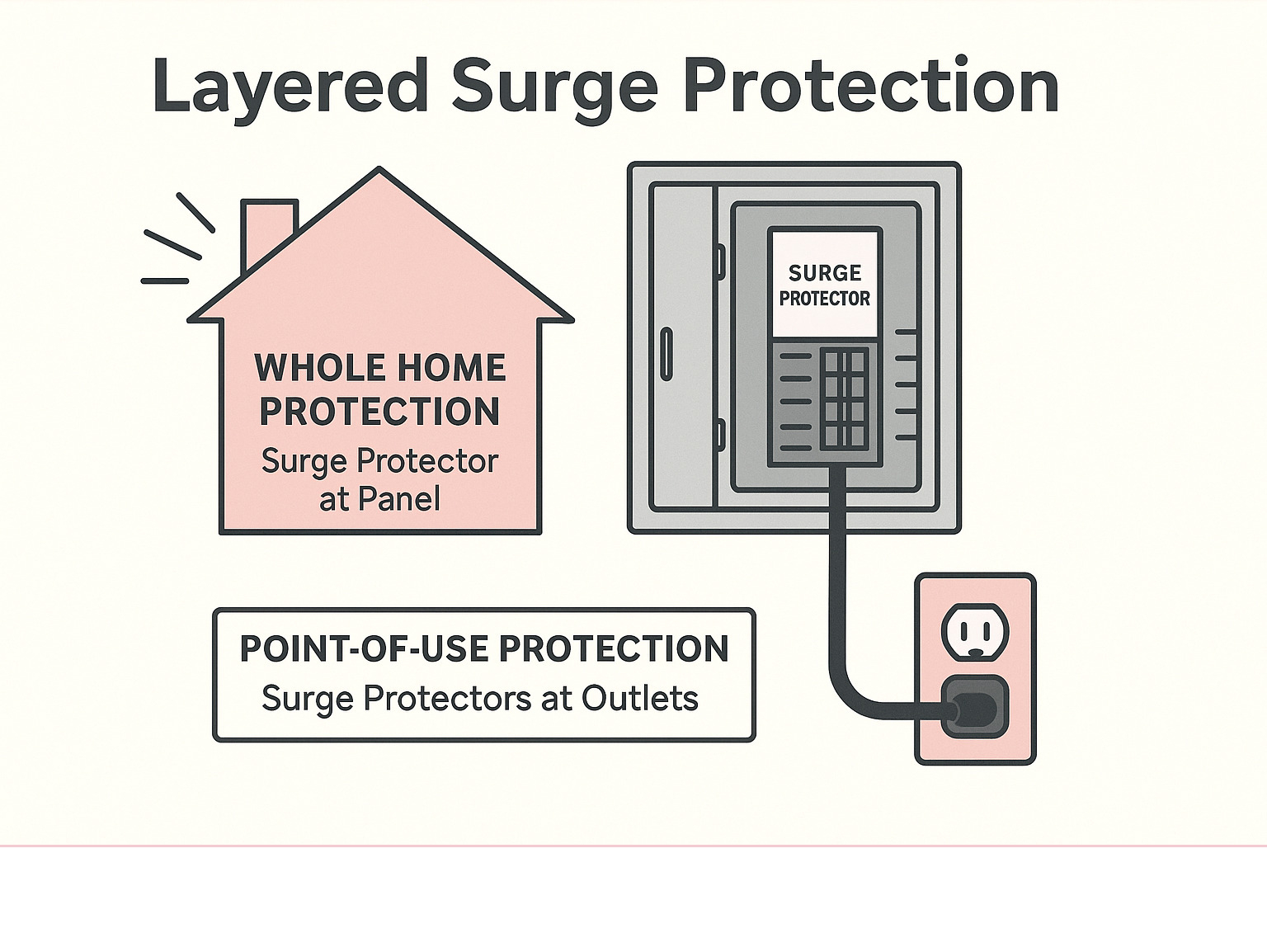
Think of surge protection like an onion. Or better yet, like a castle. You have the outer wall (the whole-house protector). You have the inner gates (sub-panel protectors). And you have the keep (point-of-use strips).
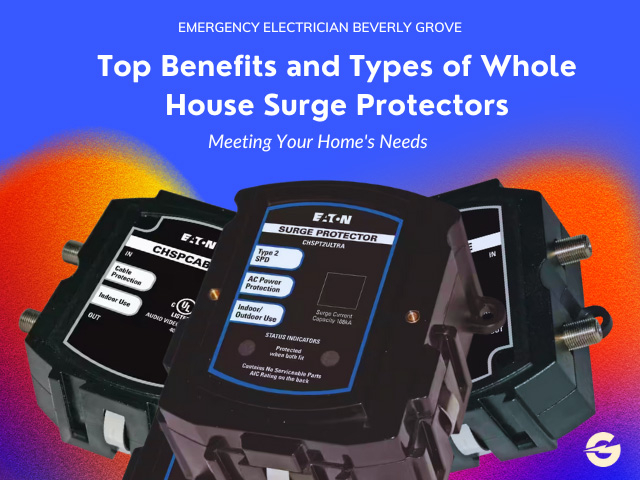
Electricians recommend a layered approach. Start with the best protection available at the service entry—around 100 kA capacity. This handles the big hits. Then, add protection at sub-panels, especially for sensitive areas like home offices or entertainment centers. Finally, use high-quality plug-in strips for your most delicate gear.
Mike, a DIY enthusiast, tried to save money by only installing a plug-in strip for his server rack. He skipped the whole-house unit. When a surge hit, the strip did its job, but the voltage was so high it arced over the strip’s internal components, damaging the wall outlet and the server anyway.
"I thought the strip was enough," Mike admitted. "But it was like trying to stop a flood with a paper towel."
The key is impedance. The path from the whole-house protector to the ground needs to be short and direct. No sharp bends. No splices. If the installation is sloppy, the protector won’t work. It needs to shunt the energy to the earthing electrodes instantly. If it can’t, the energy finds another path. Usually through your TV.
Making the Right Choice in 2026
If you’re ready to invest, how do you choose? The market is flooded with options. Some claim to protect everything. Others are basic clamps.
Look for the Joule rating, but don’t obsess over it. A higher number is generally better, but the clamping voltage and response time matter more. For most homes, a unit with around 1200 joules at the point of use is solid, but the main panel unit should be rated for much higher currents—50,000 amps or more is a good baseline for minimal protection.
Also, check for indicators. You want a unit that tells you when it’s failed. Surge protectors sacrifice themselves to save your gear. Once they’ve taken a big hit, they’re done. If you don’t know they’re dead, you’re walking around unprotected.
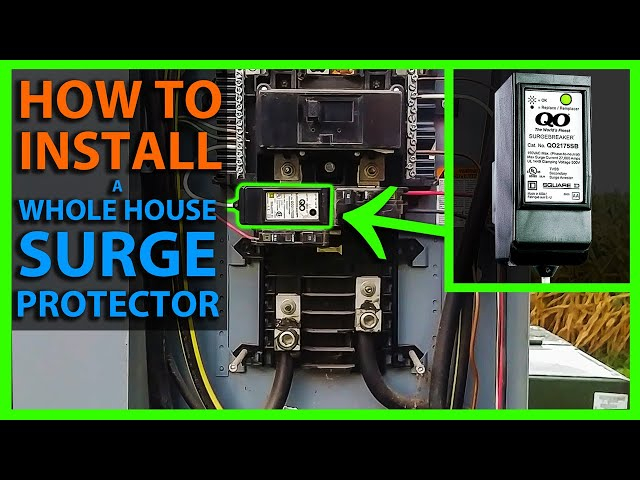
And please, hire a pro. This isn’t a weekend DIY project unless you’re a licensed electrician. Working in the main panel is dangerous. One slip and you’re not just fixing a TV; you’re dealing with serious injury. A professional ensures the grounding is correct and the connections are tight.
It’s worth noting that in 2026, smart surge protectors are becoming more common. These can send alerts to your phone if a surge occurs or if the unit fails. For the tech-savvy homeowner, this peace of mind is invaluable. You know exactly when your shield has taken a hit.
Regret is a heavy emotion. It’s heavier when it comes with a repair bill.
The homeowners we spoke to all shared one sentiment: they wished they had acted sooner. They thought it was an upsell. A scam. An unnecessary expense. They were wrong.
In a world where our homes are filled with $3,000 refrigerators and $5,000 home theaters, skimping on protection is a false economy. The cost of a whole-house surge protector is a fraction of the cost of replacing a single major appliance.
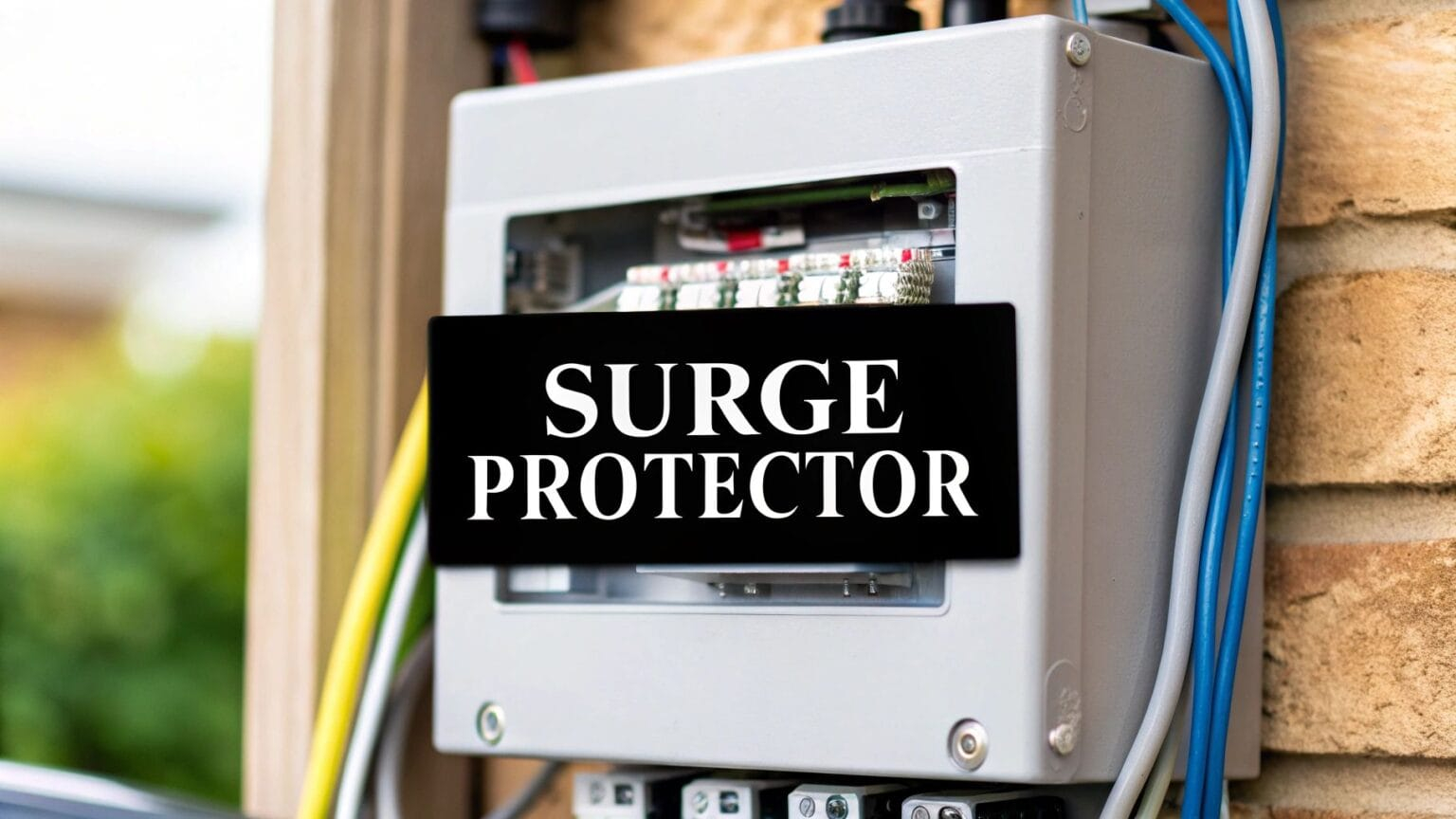
So, take a look at your panel. Do you see a surge protection device? If not, make the call. Get a quote. Ask about layering. Protect your investment.
Because when the next storm rolls in, or the next grid fluctuation hits, you won’t be wondering if you’re covered. You’ll know. And that knowledge? It’s worth every penny.