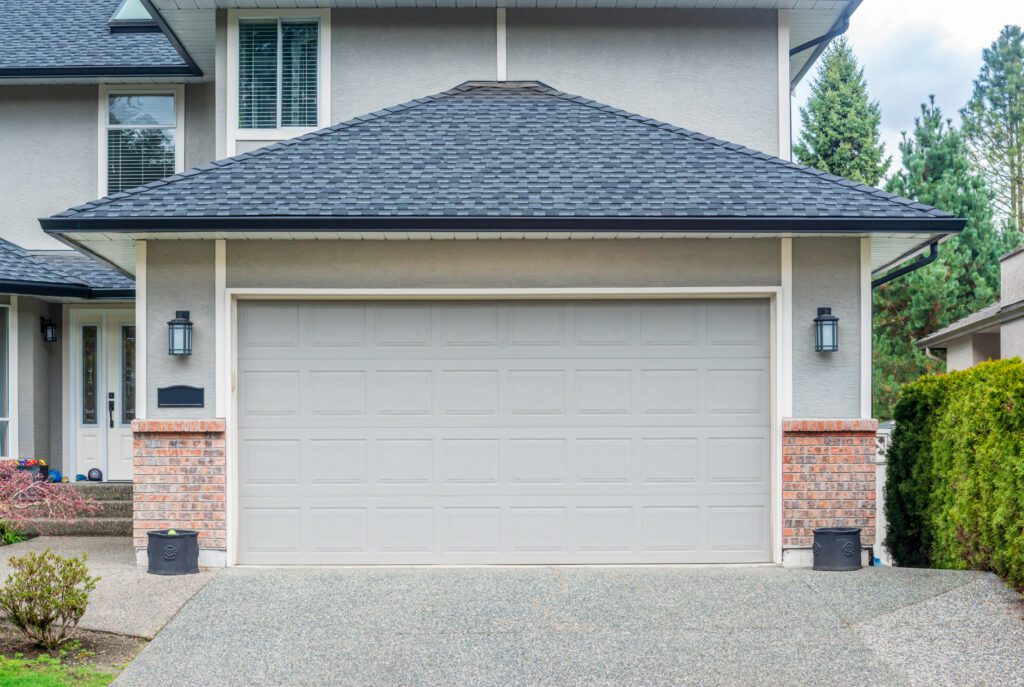
You know that sinking feeling? You’re halfway to work, coffee in hand, when a nagging thought hits you. Did I close the garage door? It’s a small thing, really. But it feels huge. For years, the only fix was buying a whole new opener system. Expensive. Hassle-heavy. And frankly, wasteful if your old motor still hums along just fine.
But things have changed. A lot. In 2026, you don’t need to rip out working hardware to get smart security. There are these little devices—retrofit kits—that slap onto your existing setup. They bridge the gap between your dusty, dumb opener and the sleek phone in your pocket. It’s not just about convenience, though. It’s about peace of mind. And saving a few hundred bucks while you’re at it.
Let’s talk about how to make your home smarter, safer, and a bit more efficient, all without touching the heavy lifting of a full replacement.
Why Keep the Old Motor?
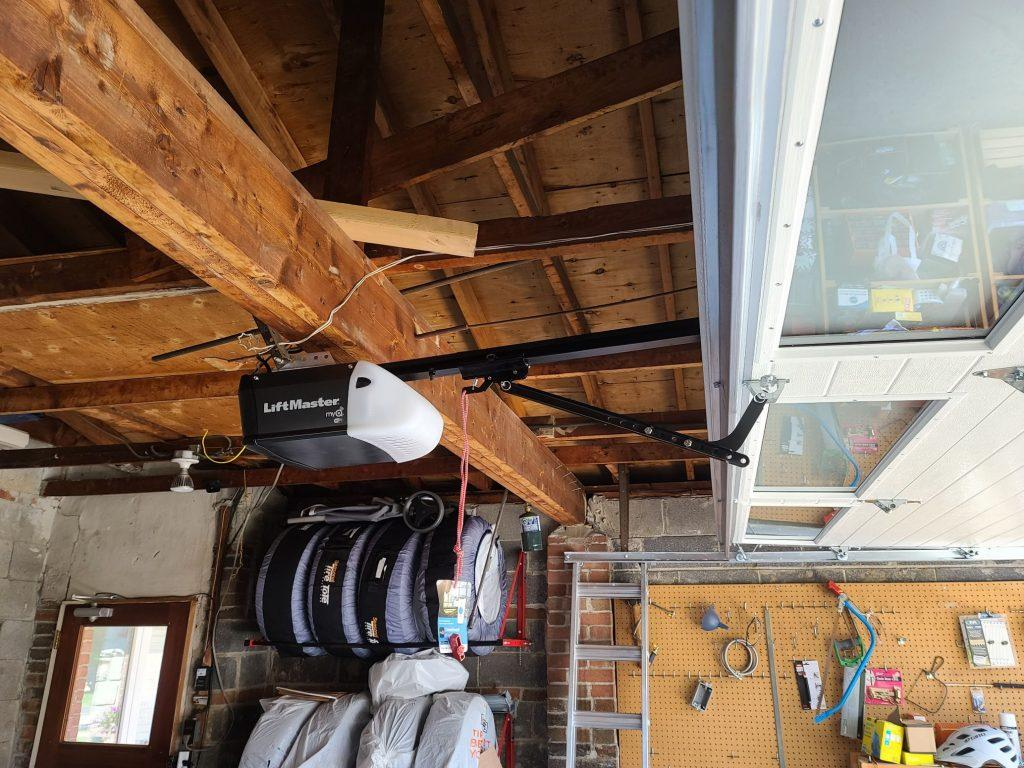
It might seem counterintuitive. Tech moves fast, right? So why hold onto a garage door opener from 2015 or even 2010? Well, here’s the thing. Those older motors are tanks. They were built to last decades, not just until the next software update. If your door opens and closes smoothly, there’s no mechanical reason to toss it.
Replacing an entire unit is a chore. You’ve got to disconnect springs (dangerous!), rewire sensors, and program new remotes. It’s a weekend project that often spills into Monday. Plus, the environmental cost is real. E-waste is a growing problem, and tossing a perfectly good motor contributes to that landfill pile. By keeping the motor, you’re making a choice that’s kinder to your wallet and the planet.
Think of it like putting a smartwatch on your wrist. You don’t need a new arm to tell time and track steps. You just need the right accessory. That’s what these kits are. They’re the accessory that breathes new life into old iron.
What Exactly Is a Retrofit Kit?
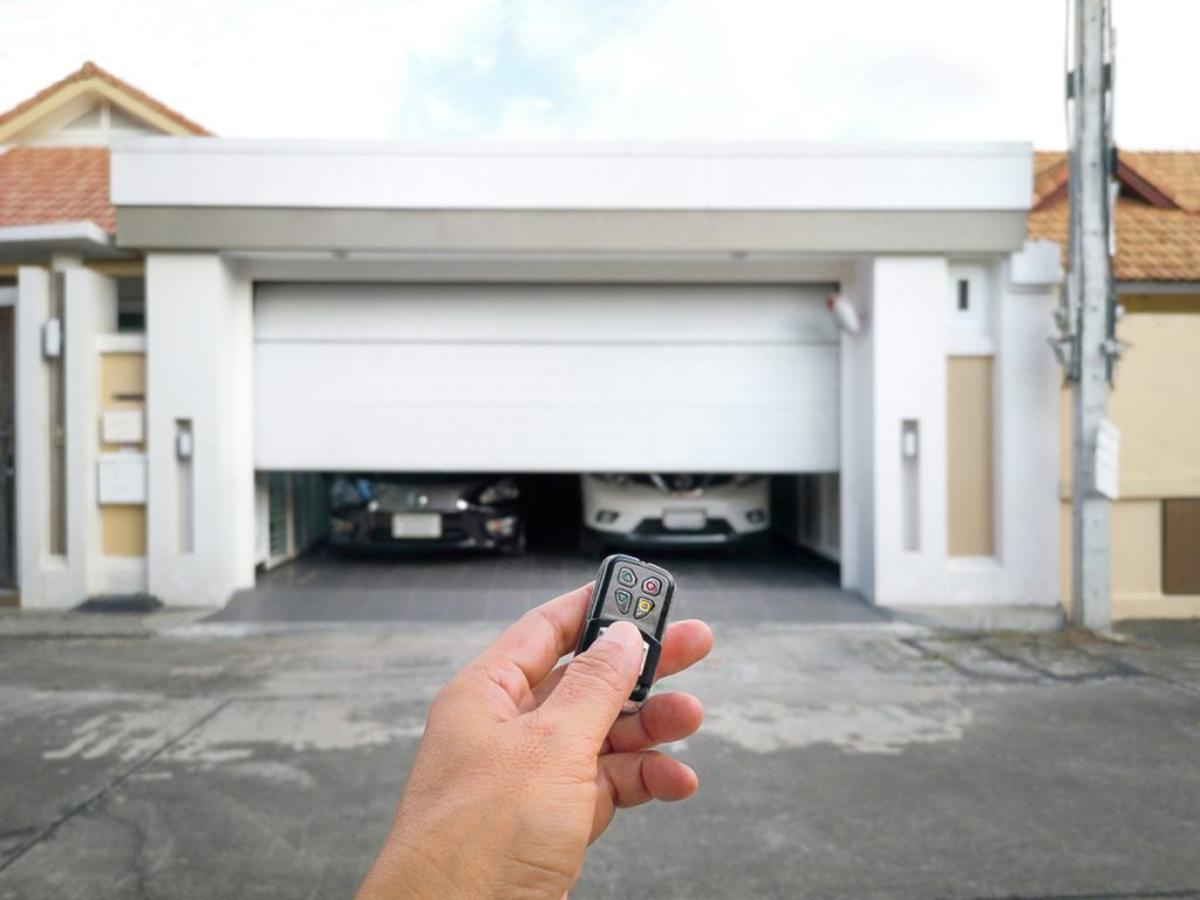
So, what are we talking about here? A retrofit kit is a small, Wi-Fi-enabled device that connects to your existing garage door opener. It usually has two main jobs. First, it acts as a remote control. It presses the button for you, digitally speaking. Second, it uses a sensor to tell you if the door is open or closed.
Most kits in 2026 use simple dry contact relays. This sounds technical, but it’s actually quite simple. It mimics the action of pressing the wall button inside your garage. When you tap "Close" on your phone, the kit sends a tiny electrical signal to the opener, just like your finger would. No complex rewiring needed. Just two wires clipped onto the existing terminals.
The beauty lies in the simplicity. You aren’t changing how the motor works. You’re just adding a layer of intelligence. These devices connect to your home Wi-Fi and talk to an app. Some even work with voice assistants like Alexa or Google Home. It’s a bridge between the analog past and the digital present. And the best part? Installation often takes less than thirty minutes.
Top Features to Look For in 2026
Not all kits are created equal. As we move through 2026, the market has matured. You’ve got options ranging from basic on/off switches to sophisticated security hubs. Here’s what you should keep an eye on.
First, check for local control. Some cheaper models rely entirely on the cloud. If your internet goes down, you can’t open your garage. That’s a headache waiting to happen. Look for kits that offer local LAN control or Bluetooth backup. This ensures you can still get in even if the Wi-Fi acts up.
Second, consider the sensor type. Older kits used simple tilt sensors. Newer ones in 2026 often use magnetic contact sensors or even ultrasonic distance measurers. These are more accurate. They tell you exactly where the door is, not just if it’s tilted. Some high-end models even integrate with your home security system, triggering alarms if the door opens unexpectedly.
Lastly, look at power sources. Battery-powered sensors are easy to install but require swapping batteries every year or so. Hardwired options draw power from the opener itself. They’re set-and-forget. If you’re not keen on climbing ladders to change AA batteries, go for the hardwired route. It’s a small detail that makes a big difference in long-term satisfaction.
Step-by-Step Installation Guide
Ready to dive in? Don’t worry. You don’t need to be an electrician. Most kits are designed for DIYers. Start by unplugging your garage door opener. Safety first. Always. You don’t want any accidental activations while you’re poking around with wires.
Next, locate the terminal block on your motor unit. It’s usually on the back or side, near where the wall button wires connect. You’ll see two screws labeled something like "Push Button" or "Wall Console." Loosen those screws. Take the two wires from your new retrofit kit and slide them under the screw heads. It doesn’t matter which wire goes where; polarity usually doesn’t matter for these simple switches. Tighten the screws back down.
Now, mount the sensor. If it’s a tilt sensor, stick it on the inside of the garage door, near the top. If it’s a magnetic contact, place one part on the door and the other on the frame. Make sure they align when the door is closed. Plug the opener back in. Download the app. Follow the pairing instructions. Usually, you just press a button on the kit until a light blinks. Boom. You’re connected.
Test it out. Open the app. Hit "Close." Watch the door go down. Check the status. Does it say "Closed"? Great. If not, double-check the sensor alignment. It’s mostly trial and error, but it’s low-stakes trial and error. Worst case, you undo the wires and try again.
Integrating With Your Smart Home Ecosystem
Once the kit is installed, the real fun begins. Integration. In 2026, interoperability is key. You don’t want five different apps for five different devices. You want one dashboard. Most major retrofit brands now support Matter, the new universal smart home standard. This means your garage door can talk to your lights, your locks, and your thermostat seamlessly.
Imagine this scenario. You pull into your driveway at night. Your phone geofences your location. The garage door opens automatically. As you drive in, the hallway lights turn on. The thermostat adjusts to your preferred evening temperature. All because your garage door kit told the rest of the house you were home. It’s not just cool; it’s comforting.
You can also set up routines. If you leave for work, your phone can prompt you: "Garage door is open. Close it?" One tap, and it’s done. Or, link it to your security cameras. If the door opens while you’re away, record a clip and send an alert. This level of automation transforms your garage from a storage space into a smart entry point. It adds a layer of security that was impossible with standalone openers.
Common Pitfalls and Troubleshooting
It’s not always smooth sailing. Sometimes, things go wrong. The most common issue? Wi-Fi signal. Garages are often far from the router. Walls, metal doors, and insulation can block signals. If your kit keeps going offline, consider a Wi-Fi extender or a mesh network node in the garage. A strong connection is crucial for reliability.
Another hiccup is sensor misalignment. If the app says the door is open when it’s closed, check the magnet. Maybe the door settled slightly. Adjust the sensor position. A little piece of tape can work wonders for temporary fixes, but proper mounting is better. Also, check the batteries if you went the wireless sensor route. Dead batteries cause ghost alerts.
Compatibility is another area to watch. While most openers from the last 20 years work fine, some very old models or specialized commercial units might not play nice. Check the manufacturer’s compatibility list before buying. And remember, these kits control the button. They don’t override safety sensors. If your door’s eye-beams are blocked, the door won’t close, retrofit or not. That’s a feature, not a bug. It keeps your kids and pets safe.
So, there you have it. Securing your home doesn’t require a complete overhaul. It just needs a smart touch. By using a retrofit kit, you keep the reliable muscle of your old motor while gaining the brains of modern tech. It’s a win-win. You save money, reduce waste, and gain peace of mind.
In 2026, smart homes aren’t about having the newest gadgets. They’re about making your current setup work harder for you. These little devices prove that innovation isn’t always about replacement. Sometimes, it’s about enhancement. It’s about looking at what you have and asking, "How can this be better?"
Take the plunge. Pick a kit that fits your needs. Spend that half-hour installing it. Then, sit back and enjoy the quiet confidence of knowing your garage is secure, no matter where you are. It’s a small change. But it feels like a big leap forward. And honestly? It’s about time we stopped throwing away good motors just to get a little bit of smart.