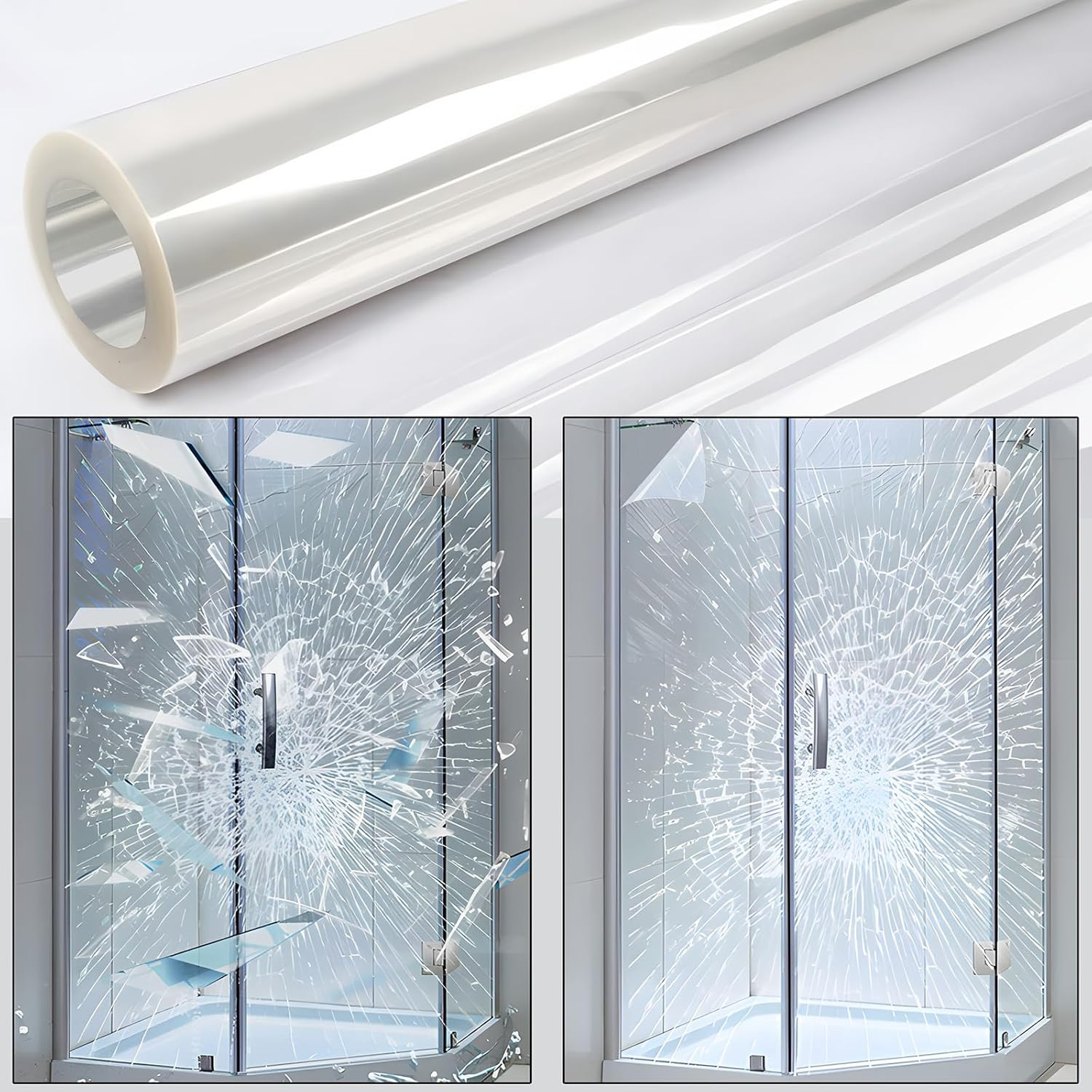
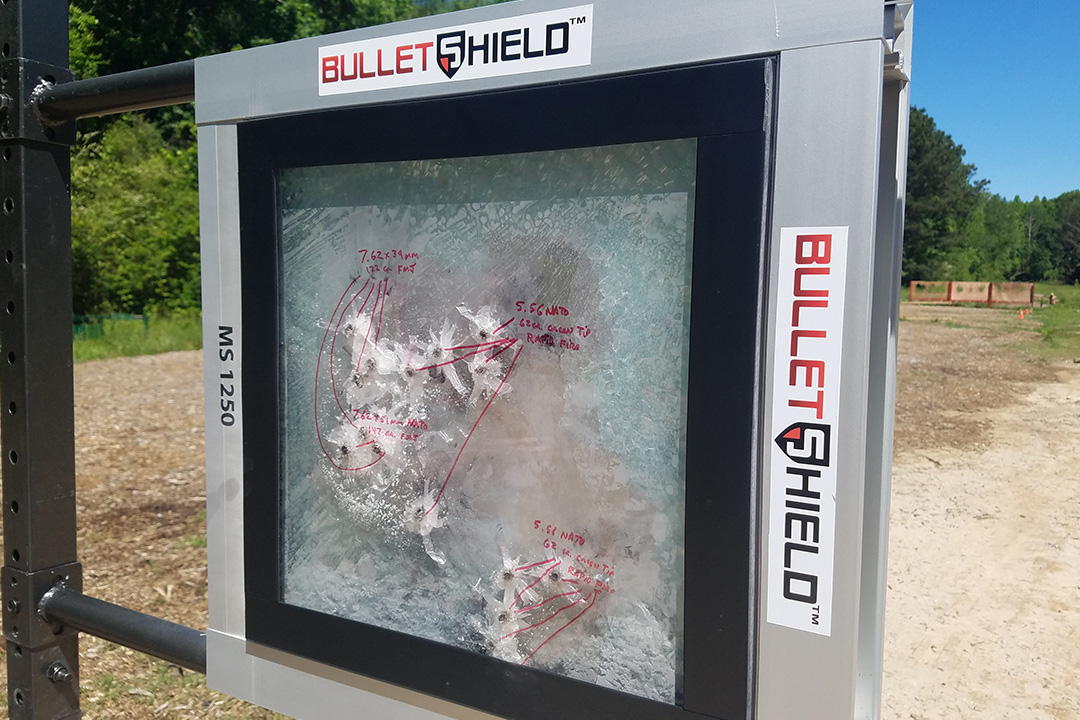
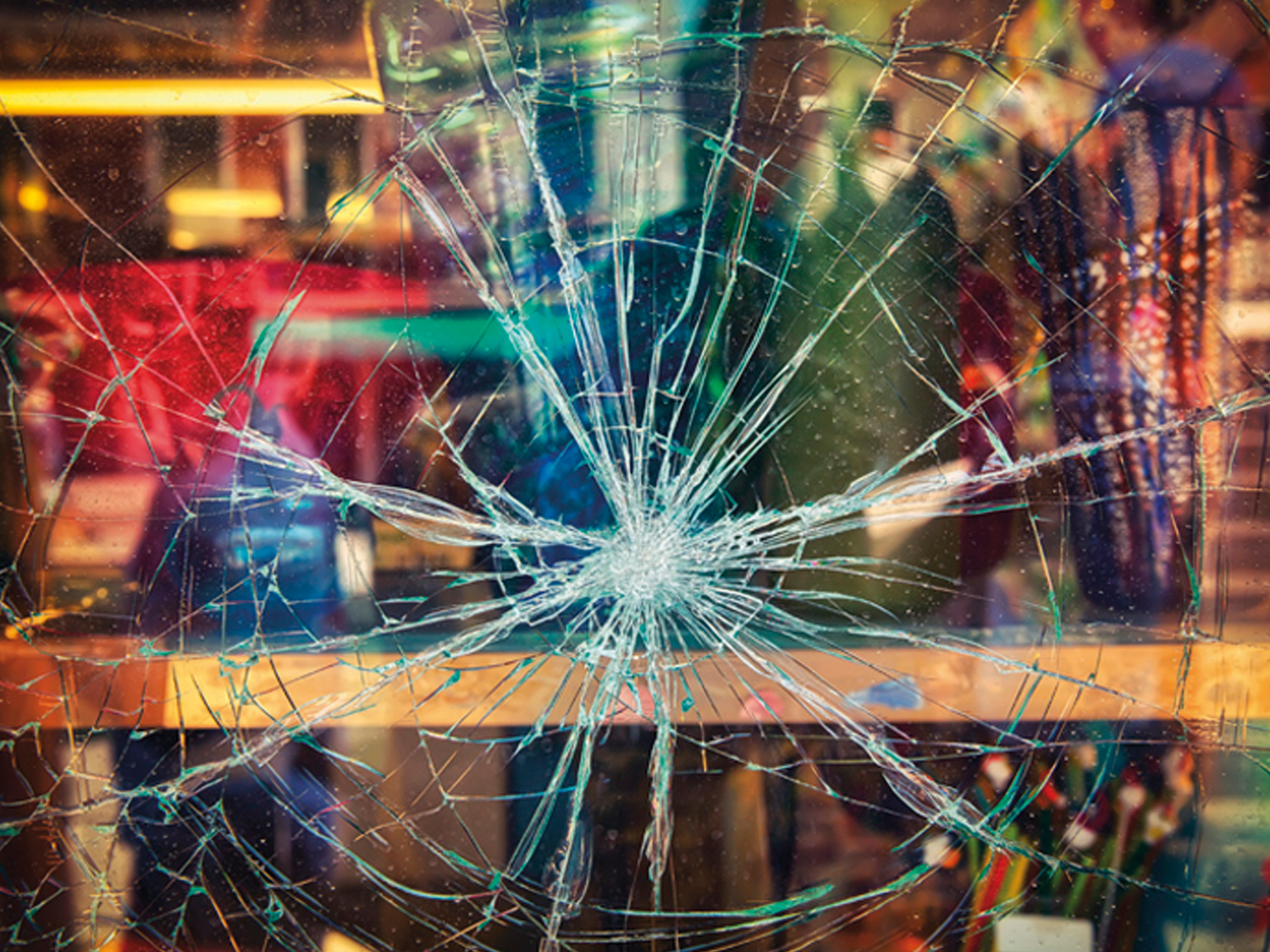
You’ve probably seen the ads. They show a brick bouncing off a window or a storm raging outside while the glass inside stays perfectly intact. It looks like magic. It looks easy. So, you think, "I can do that." Maybe you even buy a roll of film online, ready to transform your home into a fortress. But here is the thing nobody tells you in the commercial: applying safety film is less like putting on a sticker and more like performing surgery on your windows.
It’s messy. It’s stressful. And if you get it wrong, it doesn’t just look bad—it might not work at all. In 2026, with weather events getting more unpredictable and security concerns shifting, more people are looking at their windows and feeling vulnerable. Safety film seems like the perfect, cheap fix. But before you peel back that liner, you need to know what you are really signing up for. This isn’t just about aesthetics. It’s about physics, adhesion, and knowing when to call in the pros.
Let’s be honest. Most of us underestimate how tricky glass can be. We think it’s just a flat surface. But windows have frames, seals, edges, and imperfections. Adding a thick layer of polyester changes how all those parts interact. If you don’t understand the mechanics, you risk damaging your windows or wasting hundreds of dollars on a product that peels off in six months. This guide breaks down the real talk—the stuff experts whisper to each other but rarely put in brochures.
It Is Not Just Tape, It Is Engineering
First, let’s clear up a massive misconception. Safety film is not the same as the solar tint you put on your car to keep the sun out. Sure, they look similar. But safety film is heavy. We are talking about thick, multi-layered polyester that is designed to hold shattered glass together. In 2026, the standard for residential safety film is usually between 4 mil and 15 mil thick. For context, regular window tint is often less than 2 mil. That difference matters. A lot.
When glass breaks, it wants to fly apart. Safety film acts as a net. It catches the shards. But for that net to work, it has to stick to the glass with incredible force. This is where the adhesive comes in. It’s not just glue; it’s a chemical bond that needs time to cure. If you install it on a cold day, or if the glass isn’t perfectly clean, that bond fails. And if the bond fails, the film is just plastic hanging there. It won’t stop an intruder. It won’t stop a hurricane. It’s useless.
Also, consider the weight. Thick film adds stress to your window seals. Older windows, especially those installed before 2010, might not handle the extra tension. The film pulls on the glass as it cures and shrinks slightly. If your window frame is weak or the sealant is old, you could actually crack the glass during installation. It sounds counterintuitive—trying to make your window safer and ending up breaking it—but it happens. Experts check the structural integrity of the frame first. You should too. Don’t assume your thirty-year-old double panes can take the load.
The Devil Is in the Preparation (And It Is Brutal)
If you watch a pro install film, you will notice they spend 80% of their time cleaning and only 20% applying. This is the part DIYers skip. They want to get to the fun part. But dirt is the enemy. A single speck of dust under safety film creates a bubble. With thin solar tint, small bubbles might disappear as they dry out. With thick safety film? They stay. Forever. And because the film is so thick, you can’t just squeegee them out easily.
The cleaning process is rigorous. Pros use razor blades to scrape off every tiny bit of paint, sap, or hard water spot. Then they use a specific solution, usually baby shampoo mixed with water or a dedicated slip solution, to lubricate the glass. The glass has to be surgically clean. If you miss a spot, you will see it every time the sun hits that window. It drives people crazy. I have heard from homeowners who tore out their own DIY jobs because one little piece of lint was driving them insane.
Then there is the environment. You can’t install this in direct sunlight. The solution dries too fast. You can’t install it in a dusty room. You basically need to create a sterile field in your living room. Close the vents. Wet the floors to keep dust down. Wear lint-free clothes. It feels excessive, but it’s necessary. In 2026, some newer films have "repositionable" adhesives that claim to be easier, but the rule remains: if the glass isn’t perfect, the result won’t be either. Prepare yourself for a day of scrubbing before you even touch the film.
To Anchor or Not to Anchor, That Is the Question
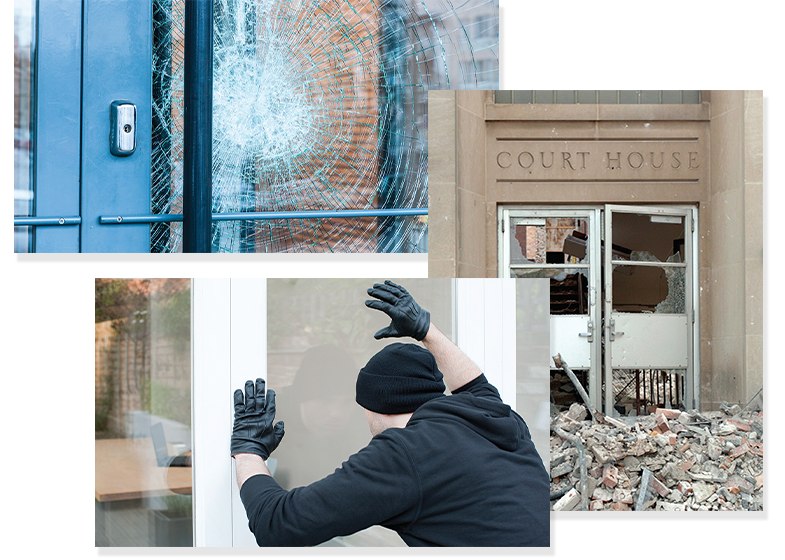
Here is the secret most salespeople won’t tell you: film alone is often not enough for high-security situations. If someone throws a brick at a filmed window, the glass might break, but the film holds it. However, the whole pane can still pop out of the frame if it’s not anchored. This is called "catching the glass." Without anchoring, the film-covered glass becomes a heavy, flexible sheet that can detach from the window frame entirely.
Anchoring involves using a structural silicone or a mechanical attachment system to bond the edges of the film to the window frame. This ensures that even if the glass shatters completely, the unit stays in place. It turns the window into a shield rather than just a contained mess. For homes in hurricane zones or areas with high burglary risk, anchoring is non-negotiable. But it adds complexity. You have to be careful not to damage the frame or void the window warranty.
Many DIY kits do not include anchoring systems. They just give you the film. This leaves a gap in protection. You might feel safe, but you aren’t fully protected. Professionals assess whether your window type can handle anchoring. Some vinyl frames, for example, can’t take the stress of the silicone pull. If you are doing it yourself, research anchoring methods thoroughly. Don’t just slap the film on the glass and call it done. Understand how the force transfers from the glass to the frame. Otherwise, you are building a trap, not a barrier.
The Cost Reality Check
Let’s talk money. You see rolls of film online for $50 or $100. It looks like a bargain compared to replacing windows or installing shutters. But the real cost is in the labor and the risk. Professional installation in 2026 typically runs between $15 and $30 per square foot, depending on the thickness and whether anchoring is included. For a standard house, this can add up to several thousand dollars. It’s an investment.
Why is it so expensive? Because it’s hard work. It requires skill, specialized tools, and insurance. If a pro breaks a window, they pay for it. If you break a window, you pay for it. Plus, pros offer warranties. Most reputable companies provide a warranty that covers peeling, bubbling, and delamination for 5 to 10 years. DIY has no warranty. If it fails in year two, you are back to square one, paying for removal and re-installation.
Consider the value of your time. A professional crew can do a whole house in a day or two. A DIYer might take weeks, working on one window at a time, fighting bubbles and dust. Is your weekend time worth less than the premium you pay for pros? Often, no. Also, remember that improper installation can void your home insurance claims if the film fails during an incident. Insurers are getting stricter about proof of proper installation. Keep that in mind when balancing the budget. Cheap film plus bad install equals zero protection.
Living With Film: Maintenance and Myths
Once it’s up, you might think you’re done. But safety film requires care. The biggest myth is that it’s indestructible. It’s not. It can scratch. Avoid using abrasive cleaners or rough sponges. Stick to soft cloths and mild soap. Ammonia-based cleaners, like standard Windex, can degrade the adhesive over time, especially on the edges. Use ammonia-free glass cleaner. It’s a small change, but it extends the life of the film significantly.
Another issue is edge lifting. Over time, especially if the window expands and contracts with temperature changes, the edges of the film might start to peek up. This is normal to a degree. If it’s minor, it can often be sealed with a clear coat. If it’s major, moisture can get underneath, leading to mold or total failure. Check your windows twice a year. Look for signs of separation. Catching it early saves the whole sheet.
Also, be aware of thermal stress. Darker films absorb more heat. While safety film is usually clear or lightly tinted, any added layer changes how your glass handles temperature. In rare cases, this can cause thermal breakage, where the glass cracks due to uneven heating. This is more common with older, imperfect glass. If you notice new cracks appearing after installation, it might not be an impact issue. It could be thermal. Know the signs. And don’t panic. Most modern films are designed to minimize this, but it’s a possibility you should acknowledge.
So, when should you DIY and when should you fold? If you have small, simple, single-pane windows in a low-risk area, maybe you can try it. Practice on a shed window first. See how it feels. But for large picture windows, double-paned units, or anything above the first floor, hire a pro. The risk of injury from falling or dropping heavy glass is too high. The complexity of handling large sheets of film without wrinkling them is immense. Two people are needed minimum for big windows.
Professionals have tools you don’t. They have heat guns to shrink the film for perfect fits. They have hard cards and squeegees designed for thick material. They have experience knowing how much solution to use. Too much, and it takes weeks to dry. Too little, and it sticks prematurely and wrinkles. This intuition comes from doing hundreds of installs, not from watching a YouTube video.
In 2026, the technology is better, but the physics haven’t changed. Glass is fragile. Film is stubborn. Combining them requires precision. If you value peace of mind, pay for the expertise. A botched DIY job looks ugly and offers false security. A professional job is invisible, effective, and warranted. It’s not just about sticking plastic on glass. It’s about creating a reliable safety system. Don’t gamble with your home’s integrity. Sometimes, the smartest move is knowing you can’t do it all yourself.
Installing safety film is a serious upgrade for your home. It adds a layer of protection that glass alone simply cannot provide. But it demands respect. It requires preparation, patience, and often, professional help. Don’t let the marketing fool you into thinking it’s a quick weekend project. It’s a construction task. Treat it that way. Clean thoroughly. Anchor properly. Maintain regularly. And if in doubt, call an expert. Your windows—and your safety—are worth getting it right.