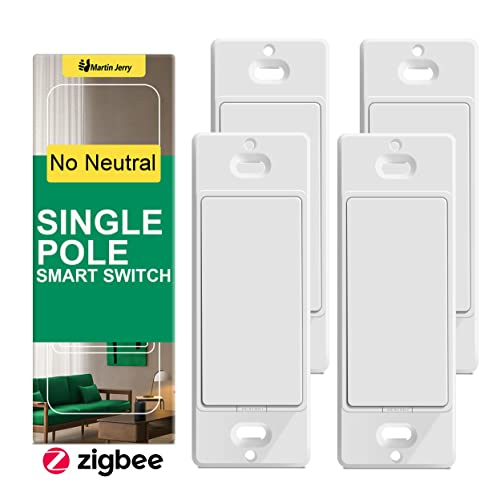
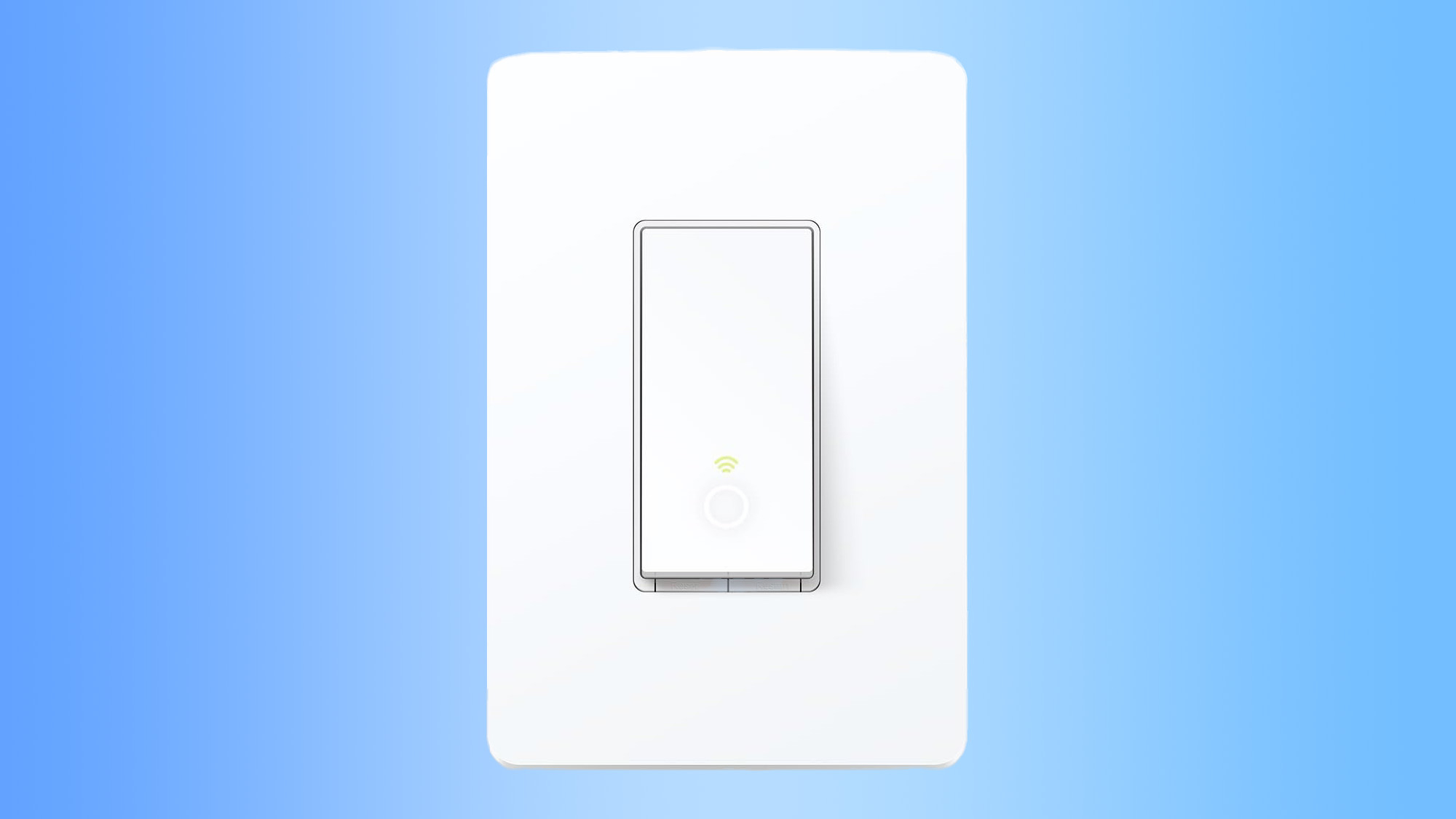
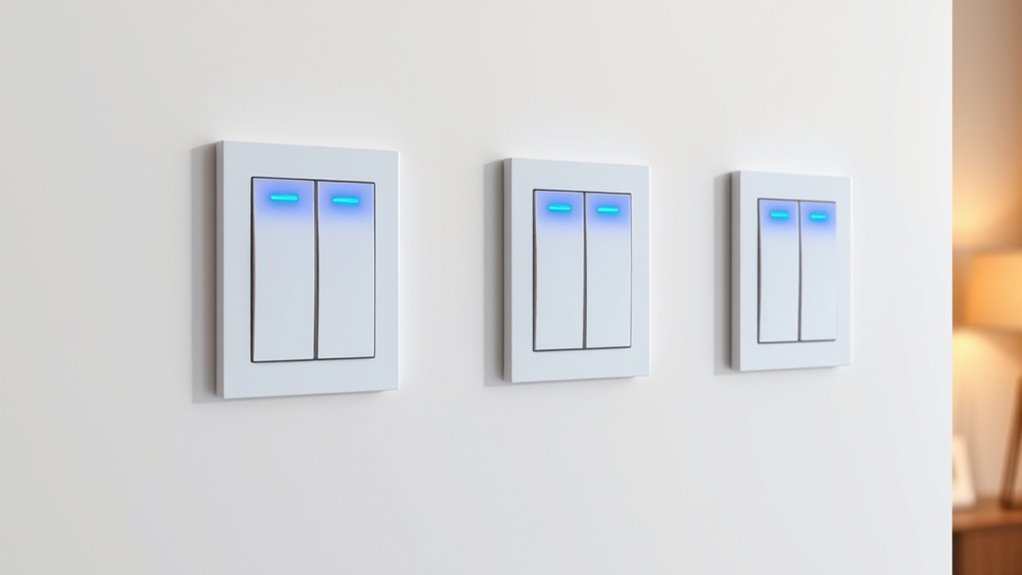
You’re standing in your hallway, staring at that old light switch. It’s beige, it’s crunchy, and it definitely doesn’t have a smart bone in its body. You want to change it. You’ve got the app, you’ve got the vision. But then you pull off the faceplate and see… nothing. Just two wires. No white neutral wire tucked back in the box. Panic sets in. Can you even do this?
The short answer is yes. But the long answer involves a bit of a tug-of-war between two wireless giants: Z-Wave and Zigbee. For years, folks have argued over which is "better." But when you’re dealing with the tricky physics of no-neutral wiring, the debate shifts. It’s not just about range or speed anymore. It’s about stability, power sipping, and whether your lights will flicker like a haunted house when you try to turn them on from your phone.
Let’s cut through the jargon. In 2026, both protocols are still very much alive, despite the hype around Matter and Thread. If you’re retrofitting an older home, understanding the subtle (and not-so-subtle) differences between these two can save you hours of frustration and a few returns to the hardware store.
The Physics of Missing Wires
First, let’s talk about why "no neutral" is such a headache. Most smart switches need power to stay awake. They need to listen for your voice command or that tap on the app. Normally, they steal a tiny bit of electricity from the neutral wire to keep their brains running. Without that neutral, the switch has to trick the circuit. It sends a tiny amount of current through the light bulb itself to power up.
This is where things get messy. If that trickle of power is too high, your LED bulbs might glow faintly when they’re supposed to be off. We call this "ghosting." If it’s too low, the switch drops offline. Both Z-Wave and Zigbee have to deal with this, but they handle the power budget differently. Z-Wave devices, generally speaking, are built with a slightly more robust power management profile for these edge cases. Because Z-Wave operates on a sub-GHz frequency (around 908 MHz in the US), the radio chip often requires a different antenna design and power curve than the 2.4 GHz chips used by Zigbee.
Does this mean one is automatically better? Not exactly. But it does mean that Z-Wave no-neutral switches have historically been a bit more forgiving with older, finicky electrical setups. They tend to have larger capacitors inside to store that trickled energy. Zigbee switches have caught up significantly by 2026, especially with newer chipsets, but you’ll still find that Z-Wave options are often the "safe bet" for difficult installs where the load is super low, like a single small LED fixture.
Range and Wall Penetration Reality
Here’s a common myth: Zigbee is weak. That’s not true, but it is different. Zigbee runs on 2.4 GHz, the same crowded highway as your Wi-Fi and microwave. It’s fast, but it struggles to punch through thick plaster walls or metal junction boxes. Z-Wave, hanging out below 1 GHz, moves slower but travels further and slips through obstacles like a ghost.
For no-neutral switches, this matters more than you’d think. Why? Because these switches are often installed in deep, metal-backed boxes in older homes. Metal is the kryptonite of wireless signals. A Zigbee switch buried in a metal box might struggle to talk to your hub if it’s more than a room away. A Z-Wave switch? It’ll likely punch right through.
However, both technologies use mesh networking. This means every powered device acts as a repeater. If you have a Zigbee smart plug in the outlet next to your switch, that switch gets a boost. But if you’re relying solely on battery-powered sensors or other no-neutral switches, the chain can get weak. In 2026, Zigbee 4.0 has improved routing efficiency, making the mesh smarter about finding paths. But Z-Wave’s Long Range (ZWLR) technology has also matured, offering incredible reach. If your hub is in the basement and your switch is on the second floor behind three brick walls, Z-Wave is probably going to give you less grief.
The Hub Ecosystem and Compatibility
You can’t just buy a switch and hope it works. You need a brain. A hub. And this is where the ecosystem lock-in happens. Z-Wave is proprietary, owned by Silicon Labs. This sounds bad, but it’s actually good for compatibility. Every Z-Wave device has to pass strict certification. If it says it’s Z-Wave, it will work with your Z-Wave hub. Period. There’s no guessing.
Zigbee is an open standard. This is great for innovation but terrible for consistency. Not all Zigbee devices talk to all Zigbee hubs. You might buy a fancy new no-neutral switch that works perfectly with a Philips Hue bridge but refuses to pair with your Home Assistant setup. By 2026, the situation has improved thanks to better adherence to Zigbee 3.0 and the new Zigbee 4.0 standards, but quirks remain.
If you’re a tinkerer who loves Home Assistant or Hubitat, you’ll find both protocols well-supported. But if you want a "plug and play" experience with systems like SmartThings or Aeotec, Z-Wave often feels more polished. The no-neutral market is particularly fragmented in Zigbee land. You’ll find dozens of brands, some great, some terrible. Z-Wave has fewer players, but the ones there—like Inovelli, Zooz, and Aeotec—have refined their no-neutral designs over many generations. You’re less likely to buy a lemon.
Power Stability and The "Bypass" Question
Remember that ghosting issue? To fix it, manufacturers often include a "bypass capacitor." You install this little disc-shaped component at the light fixture itself. It absorbs the excess current so the bulb stays dark when off. Here’s the kicker: Z-Wave no-neutral switches almost always require a bypass if the load is under a certain wattage (usually 25W). It’s part of the spec.
Zigbee switches are hit or miss. Some newer models claim "no bypass needed" thanks to ultra-low power consumption. In practice? It’s risky. I’ve seen plenty of 2025-era Zigbee switches that claimed to be bypass-free but still caused flickering on cheap LEDs. Z-Wave’s approach is more honest: "Yes, you probably need this extra part, but it guarantees stability."
Installing a bypass isn’t hard, but it means climbing a ladder and opening up the ceiling fixture. If you’re doing a whole house, that’s a lot of ladders. Some users prefer Zigbee for this reason alone, hoping to skip the bypass step. But if you value reliability over convenience, Z-Wave’s requirement forces a more stable installation. It ensures the switch has enough power reserve to send a strong signal back to the hub, reducing the chance of "device unavailable" errors in your app.
Speed and Latency in Daily Use
How fast does the light turn on? For most people, instant is instant. But technically, there are differences. Zigbee is faster on paper. It has higher data rates. Z-Wave is slower, more deliberate. In a no-neutral scenario, though, latency is often dictated by how quickly the switch can wake up from its low-power state, not the protocol speed itself.
Both protocols now support "instant on" features where the switch keeps the radio partially active. However, Z-Wave’s S2 security framework adds a tiny bit of overhead for encryption handshakes. You won’t notice it with a single switch. But if you’re triggering a scene with ten no-neutral switches at once, Zigbee might feel snappier. Z-Wave might stagger them slightly to avoid network congestion.
In 2026, this gap is negligible for single actions. Where you notice it is in feedback. When you tap the physical paddle, does the app update instantly? Z-Wave tends to be more consistent here because of its less congested frequency band. Zigbee, sharing space with your neighbor’s Wi-Fi, can occasionally suffer from interference spikes, causing a half-second delay. It’s minor, but in a smart home, minor annoyances add up.
Future Proofing with Matter and Thread
We can’t talk about 2026 without mentioning Matter. It’s the new universal language. But here’s the secret: Matter doesn’t replace Z-Wave or Zigbee directly. It runs on top of them (or Thread/Wi-Fi). Many new Z-Wave and Zigbee devices are now "Matter bridges" compatible. This means your old-school Z-Wave switch can appear in your Apple Home app via a bridge.
However, no-neutral switches are power-constrained. Running the Matter stack requires more memory and processing power. Currently, most true no-neutral switches are still pure Z-Wave or pure Zigbee. They rely on a hub to translate to Matter. Don’t expect a standalone, battery-free, no-neutral Matter switch just yet. The power draw is still too high for the trickle-charging method.
So, which is more future-proof? Arguably, neither. They’re both legacy protocols now, but "legacy" doesn’t mean "dead." It means "stable." Z-Wave’s strict certification means your switch will likely work for another decade. Zigbee’s openness means you’ll have more choices, but you might need to swap hubs sooner. If you’re betting on the next five years, Z-Wave offers a smoother ride for critical infrastructure like lighting. Zigbee is great for expanding with sensors and plugs later.
So, which one should you pick? If you live in an older home with thick walls, metal boxes, and unpredictable wiring, go with Z-Wave. It’s the tank of the smart home world. It’s not flashy, but it gets the job done. The requirement for a bypass is a small price to pay for knowing your lights won’t flicker or drop offline. Brands like Inovelli have mastered the art of the no-neutral Z-Wave switch, offering features like local dimming and status LEDs that actually work without a neutral.
If you’re in a newer build, have a strong Zigbee mesh already established (maybe from lots of smart bulbs), and want to save a few bucks, Zigbee is a solid choice. Just be prepared to troubleshoot. Read the reviews specifically for "no neutral" performance. Look for mentions of bypass requirements. And maybe keep a spare capacitor on hand just in case.
At the end of the day, both technologies have earned their place. They aren’t going anywhere soon. The "real" difference isn’t in the specs sheet; it’s in the installation experience. Z-Wave asks for a bit more upfront effort (the bypass, the specific hub) but rewards you with silence and stability. Zigbee offers flexibility and speed but demands a bit more attention to detail. Choose the one that matches your patience level and your home’s personality. And hey, if all else fails, there’s always the option of calling an electrician to run a neutral wire. But where’s the fun in that?