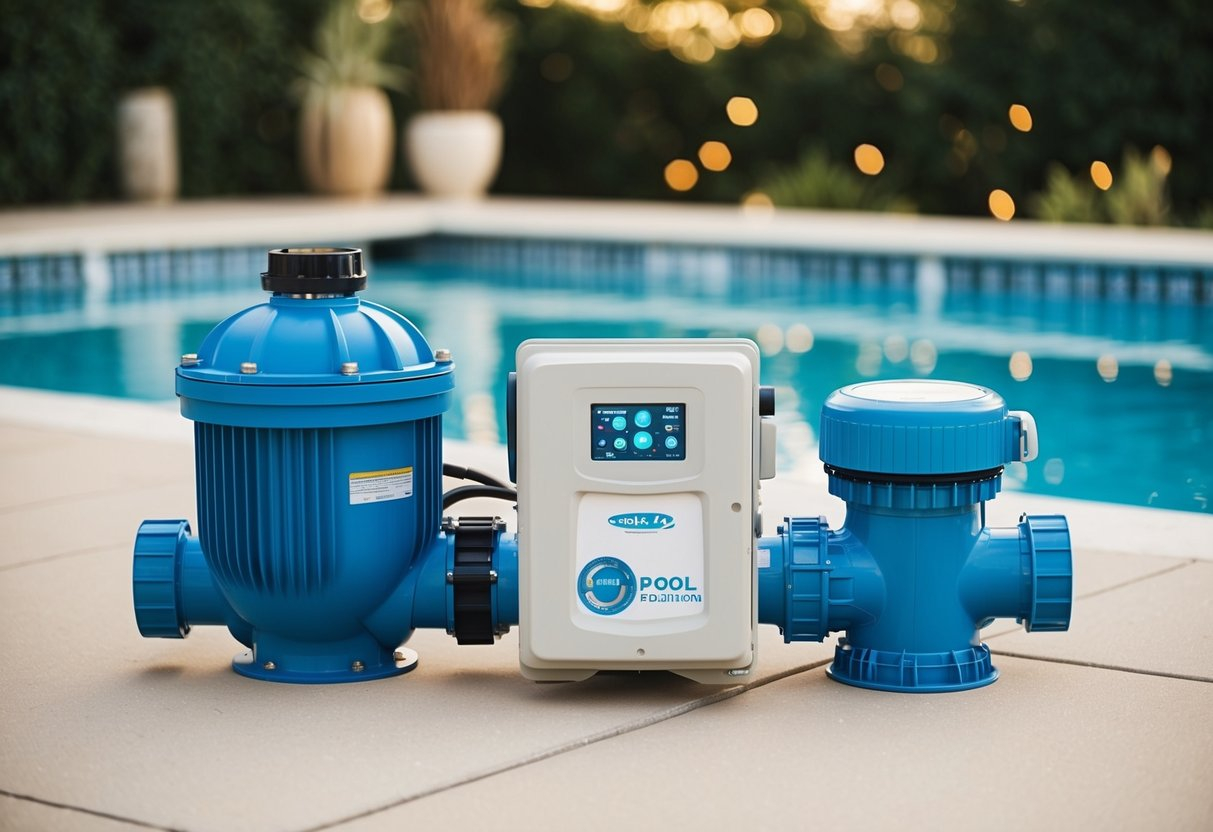
You know that feeling when you finally kick back by the water after a long week? The sun is warm, the breeze is just right, and all you want is to float. But then you remember. You have to test the water. Again. You have to adjust the pump schedule. You have to worry about whether the heater kicked on in time for your morning swim. It’s a lot of mental load for something that’s supposed to be relaxing, isn’t it?
That’s where the magic of smart pool controllers comes in. Think of them less like complicated computers and more like a really attentive assistant who lives in your equipment pad. In 2026, these devices aren’t just for tech wizards or luxury estates anymore. They’ve become accessible, user-friendly, and honestly, kind of essential if you want to stop worrying about your pool and start enjoying it.
Let’s be real though. Walking into a pool store or scrolling through online forums can feel like learning a new language. Words like "variable frequency drive," "ORP sensors," and "Z-Wave integration" get thrown around until your head spins. But underneath the jargon, the concept is simple. It’s about giving your pool a brain so you don’t have to be the brain. This guide is here to strip away the confusion. We’re going to look at what these systems actually do, why they might save you cash (and sanity), and how to pick one that fits your life without breaking the bank.
What Exactly Is a Smart Pool Controller?
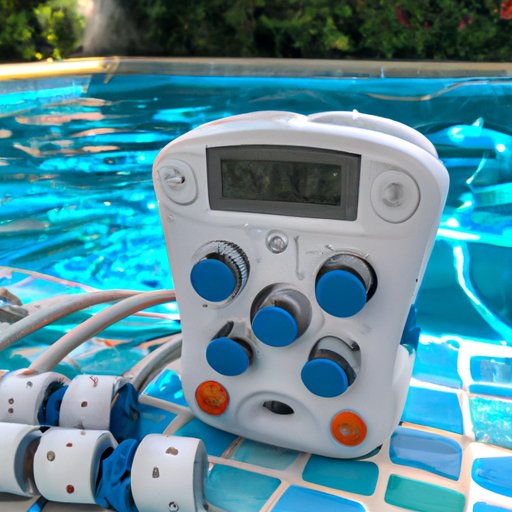
At its core, a smart pool controller is a central hub that manages the various mechanical parts of your swimming pool. In the old days—and I mean even just ten years ago—you had separate timers for the pump, a manual dial for the heater, and maybe a basic clock for the lights. You had to physically walk out to the equipment pad to change anything. If it was raining, you forgot to turn off the pump. If you wanted a warmer swim on Tuesday, you had to remember to crank up the heat on Monday.
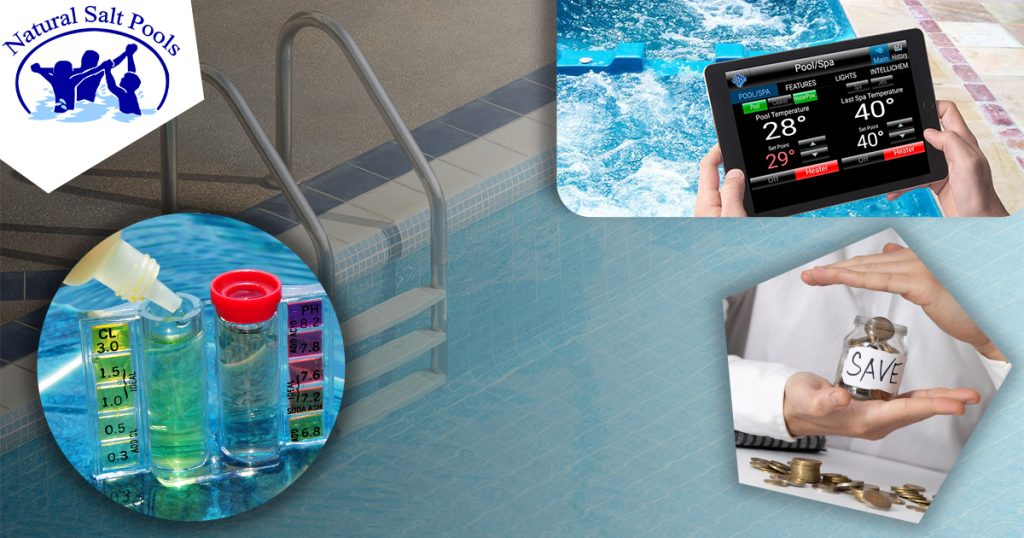
A smart controller replaces those clunky mechanical timers with a digital brain. It connects to your pump, heater, salt chlorine generator, lights, and even some advanced chemical feeders. Instead of dials, you get an interface—usually an app on your phone or a sleek panel on your wall. This allows you to control everything from anywhere. Sitting at work and realize you forgot to turn on the spa jets? Tap your phone. Want the pool lights to turn on automatically at sunset? Set it once and forget it.
But it’s not just about remote control. The "smart" part comes from automation and logic. Modern systems in 2026 can make decisions based on data. For instance, if you have a variable-speed pump (which you really should), the controller can tell it to run slowly during off-peak electricity hours to save money, then speed up when it’s time to vacuum or backwash the filter. It takes the guesswork out of efficiency. It’s the difference between driving a car with a manual transmission in heavy traffic versus letting an adaptive cruise control handle the stops and starts. One is exhausting; the other is effortless.
Why Bother? The Real Benefits Beyond Cool Tech
Let’s talk about the elephant in the room: cost. Smart controllers aren’t cheap. A basic system might set you back a few hundred dollars, while a fully integrated setup with advanced sensors can run into the thousands. So, why do it? The biggest reason is usually chemical balance and equipment longevity. When your pump runs efficiently and your sanitizer levels are monitored automatically, you use fewer chemicals. Over a season, those savings add up. Plus, balanced water is gentler on your plaster, liner, and metal components, meaning you won’t be resurfacing or replacing parts as often.
Then there’s the energy bill. This is huge. Older single-speed pumps are energy hogs. They guzzle electricity like a thirsty camel. Smart controllers are designed to work with variable-speed pumps, which can reduce energy consumption by up to 80% compared to old models. By programming the pump to run at lower speeds for longer periods (which is actually better for filtration), you slash your monthly utility costs. In many regions, utility companies even offer rebates for installing these efficient systems, which can help offset the initial price tag. It’s an investment that pays you back.
And let’s not ignore the peace of mind factor. Have you ever gone on vacation and worried about your pool? Maybe a storm knocked out power, or a leaf clogged the skimmer, or the salt cell stopped working. With a smart system, you get alerts. If the flow switch detects no water moving, your phone buzzes. If the temperature drops unexpectedly, you know. You’re not left guessing. You’re connected. For parents with young kids, this is invaluable. You can ensure the pool is safe and clean before the kids jump in, without having to run test strips every single hour.
Key Features to Look For in 2026
Not all controllers are created equal. As you start shopping, you’ll see a dizzying array of features. Some are must-haves; others are nice-to-haves. First, look for mobile app quality. This is your primary interface. Is the app intuitive? Does it load quickly? Can you easily create schedules? In 2026, the best apps offer dashboard views that show you everything at a glance: current water temp, air temp, pump status, and chemical levels. Avoid clunky interfaces that require five clicks to turn on a light. If the app feels frustrating in the demo, it will be infuriating in daily use.
Next, consider compatibility. This is critical. Does the controller work with your existing equipment? If you have a Pentair pump, a Hayward heater, and a Jandy light, you need a system that plays nice with all of them. Some brands are "open" and work with almost anything via standard relays. Others are proprietary, meaning they work best (or only) with their own brand’s equipment. If you’re building a new pool, sticking to one brand ecosystem can simplify installation. If you’re retrofitting an older pool, look for universal controllers that use dry contact relays to trigger devices regardless of the manufacturer.
Finally, think about expansion and sensors. Do you want just basic on/off control, or do you want deep data? Advanced systems can integrate with ORP (Oxidation-Reduction Potential) and pH sensors. These sensors measure the actual sanitation level and acidity of the water in real-time, adjusting chemical feeders automatically. This is the holy grail of pool care. Also, look for weather integration. Some controllers connect to local weather stations. If it starts raining, the system can pause the pump to save energy. If a freeze warning is issued, it can automatically turn on the pump to prevent pipes from bursting. These features transform the system from a remote control into a true guardian.
Installation: DIY Dream or Professional Job?
Here’s the tricky part. Can you install this yourself? Well, it depends on your comfort level with electricity. And I don’t mean changing a lightbulb. We’re talking about high-voltage connections, low-voltage wiring, and potentially modifying your existing electrical panel. For most homeowners, hiring a licensed electrician or a pool professional is the safest and smartest route. They ensure the wiring is up to code, the grounds are correct, and the system is configured properly. A mistake here isn’t just inconvenient; it can be dangerous or damage your expensive equipment.
That said, the industry has shifted toward user-friendly installations in recent years. Many 2026 models come with color-coded wires, plug-and-play connectors, and step-by-step video guides built into the app. If you’re handy and have experience with low-voltage landscape lighting or home automation, you might tackle the communication wiring yourself. You can run the thin, low-voltage cables that connect the sensors and keypads to the main unit. But leave the high-voltage power connections to the pros. It’s a good hybrid approach that saves some labor costs without risking safety.
If you do hire out, get quotes from at least three providers. Ask them specifically about their experience with smart automation. Not all pool guys are tech-savvy. You want someone who understands networking, Wi-Fi signals, and software updates, not just plumbing and pumps. Ask to see examples of other systems they’ve installed. Check if they offer ongoing support. Software glitches happen. Wi-Fi networks change. Having a pro who will answer the phone when your system goes offline is worth its weight in gold. Don’t just pick the cheapest bid; pick the most knowledgeable partner.
Common Pitfalls and How to Avoid Them
Even with the best technology, things can go wrong. One of the most common issues is poor Wi-Fi connectivity. Your equipment pad is often located far from the house, maybe behind a fence or in a corner of the yard. Wi-Fi signals struggle to penetrate walls and distance. If your controller keeps dropping offline, it’s useless. Before you buy, check the signal strength at your equipment pad. If it’s weak, consider installing a Wi-Fi extender or a mesh network node nearby. Some newer controllers also support cellular backups or Zigbee/Z-Wave protocols that can bridge the gap if Wi-Fi is unreliable.
Another pitfall is over-complication. It’s tempting to buy the most expensive system with every bell and whistle. But if you only have a basic pool with a single-speed pump and no heater, a $2,000 controller is overkill. You’ll never use half the features, and the complexity might just annoy you. Start with your needs. Do you need chemical monitoring? Do you need solar heating control? Make a list of "must-haves" and stick to it. You can always add sensors later. Most modern systems are modular, allowing you to plug in new capabilities as your budget or interests grow.
Lastly, don’t neglect maintenance of the controller itself. These are electronic devices living outdoors. They face heat, humidity, rain, and dust. Ensure your controller is installed in a weatherproof enclosure, preferably in a shaded area. Direct sunlight can overheat the electronics and fade the screen. Also, keep the firmware updated. Manufacturers release updates to fix bugs, improve security, and add features. Set a reminder to check for updates every few months. Ignoring this is like leaving your computer unpatched; eventually, something will break or become vulnerable. A little care goes a long way.
So, where is this technology heading? If you think today’s systems are cool, wait until you see what’s coming. Artificial Intelligence is starting to play a bigger role. Imagine a system that learns your usage patterns. It notices you swim every Saturday morning at 9 AM, so it automatically heats the water to 82 degrees by 8:30 AM. It notices that after heavy rain, your pH tends to drop, so it pre-adjusts the chemical feeder. This predictive automation is already emerging in high-end models and will become standard in the next few years.
Integration with smart homes is also deepening. In 2026, your pool controller isn’t just an island; it’s part of your home’s ecosystem. You can create routines like "Party Mode," which turns on the pool lights, cranks up the spa jets, starts the outdoor speakers, and dims the patio lanterns—all with one voice command to Alexa or Google Home. Security cameras can link to the pool system, sending alerts if someone enters the pool area after hours. The boundary between indoor and outdoor living is blurring, and the pool is becoming a central node in that connected experience.
Sustainability is another major driver. As water conservation becomes more critical, smart controllers are incorporating leak detection and evaporation management. Some systems can monitor water levels and alert you to unusual drops that might indicate a leak. Others integrate with automated pool covers, ensuring the cover is on when the pool isn’t in use to reduce evaporation and heat loss. These features aren’t just about convenience; they’re about responsible stewardship of resources. The pool of the future isn’t just smart; it’s green. And that’s a trend we can all dive into.
Wrapping your head around smart pool controllers doesn’t have to be a headache. It’s really about reclaiming your time and enhancing your enjoyment. By automating the mundane tasks—testing, scheduling, adjusting—you free yourself to focus on what matters: making memories with family and friends. The technology is mature, the benefits are real, and the options are diverse enough to fit any budget or pool type.
Take your time choosing. Ask questions. Talk to other pool owners. Look at the long-term value, not just the upfront price. Remember, the best system is the one you’ll actually use. If it’s too complex, it’ll sit idle. If it’s too basic, it won’t solve your problems. Find that sweet spot. And when you finally sit down by the water, phone in your pocket, knowing everything is running perfectly behind the scenes… well, that’s the real payoff. That’s the smart choice.