We’ve all been there. You buy the brightest red feeder, plant a row of scarlet salvia, and wait. And wait. Maybe a hummingbird zips by, but it doesn’t stick around. It’s frustrating, right? For years, the gardening world has shouted one message from the rooftops: if you want hummers, paint your yard red. But here’s the thing. That advice is kinda outdated. Or at least, it’s incomplete.
In 2026, we’re seeing a shift. Gardeners are moving past the simple "red equals nectar" rule. We’re learning that these tiny, high-energy birds have complex tastes. They care about shape, scent, timing, and yes, colors that aren’t just crimson. If you’ve been struggling to keep your backyard buzzing, you’re not alone. The secret isn’t just about slapping a coat of red paint on everything. It’s about creating a habitat that speaks their language. Let’s dive into what’s actually working this year.
The Myth of the Red Obsession
Let’s clear the air first. Do hummingbirds like red? Absolutely. Their eyes are tuned to see red wavelengths better than most other birds. It’s an evolutionary trick. In nature, red flowers often hold the most nectar and don’t rely on bees (who can’t see red well) for pollination. So, hummingbirds learned early on: red means food. Sources like Avian Bliss confirm that this visual preference is hardwired. But here’s the catch. Just because they notice red doesn’t mean they’ll stay for it.
Think about it. If you went to a restaurant because the sign was bright yellow, but the food was stale, would you go back? Probably not. Hummingbirds are smart. Really smart. They have incredible memories. Research highlighted by Country Living notes that once a hummingbird finds a reliable food source, it remembers the location, the shape of the flower, and even the time of day the nectar is freshest. If your red flowers are empty or hard to access, they’ll skip them. They’re looking for efficiency. They burn energy faster than almost any other creature on earth. They can’t afford to waste time on dead ends.
This is why so many well-intentioned yards end up empty. Backyard Garden Lover points out that the number one reason hummers avoid a yard isn’t the lack of red—it’s the lack of consistent, high-quality fuel. They need a buffet, not a single dish. Relying solely on red blooms limits your options. It ignores the vast array of other signals these birds use to find food. By focusing only on color, we miss the bigger picture of what makes a garden truly inviting.
Color Spectrum Surprises
If red is the headline, orange, pink, and purple are the supporting actors stealing the show in 2026. Bird Watching Daily explains that hummingbirds are drawn to a spectrum of bright hues. Orange is huge. Think of trumpet vines or California fuchsias. These shades stand out against green foliage just as well as red does, sometimes better. Pink is another sleeper hit. Bee balm comes in lovely pink varieties that hummers adore. It’s softer on the human eye but still screams "nectar here" to a bird with superior color vision.
Then there’s the unexpected winner: white and pale yellow. Wait, what? Yes. While they might not pop from a distance like a red cardinal flower, certain white blooms like nicotiana or jasmine release strong scents at night or dusk. This attracts hummingbirds during those cooler parts of the day when they’re still active but other pollinators are asleep. It’s a niche strategy, but it works. Martha Stewart’s recent guides emphasize that contrast matters more than specific hues. A bright yellow bloom in a shady corner will catch a hummer’s eye faster than a dark red one hidden in shadows.
The key is variety. Don’t plant a monochrome garden. Mix it up. Plant a cluster of orange lilies next to purple salvias. Add some white evening primrose for the late-shift workers. This creates a visual map for the birds. They learn to associate your yard with diversity and abundance. When they see a mix of colors, they know there’s likely something blooming at any given time. It keeps them curious. And a curious hummingbird is a visiting hummingbird.
Shape Matters More Than You Think
Color gets them to look, but shape gets them to land. Hummingbirds have long, slender beaks designed for specific types of flowers. Tubular shapes are the gold standard. Why? Because they protect the nectar from rain and evaporation, keeping it fresh and concentrated. Flowers like penstemon, columbine, and foxglove have these perfect tube structures. The bird hovers, inserts its beak, and gets a quick, efficient drink. It’s engineering at its finest.
But it’s not just about tubes. The landing platform—or lack thereof—matters too. Many hummingbird-pollinated flowers don’t have wide petals for landing. This is intentional. Hummingbirds are the only pollinators that can hover steadily. By excluding bees and butterflies who need to perch, these flowers ensure the nectar is saved for the hummers. Nature With Birds highlights several 2026 top picks that feature this exclusive design. If you’re planting flat, open daisies, you’re mostly feeding bees. That’s great for bees, but it won’t bring the hummers.
Consider the angle of the bloom too. Downward-facing flowers can be tricky for hummingbirds to access while hovering. Upward or outward-facing tubes are easier. Try observing your current plants. Are the flowers facing the sky? Or are they hidden underneath leaves? Sometimes, a simple pruning job can expose more blooms to the birds. It’s a small tweak that makes a big difference. Make sure their flight path is clear. They zoom in fast. They need space to maneuver.
The Native Advantage in 2026
Here’s where things get really interesting. In 2026, the push for native plants is stronger than ever. And for good reason. Native plants co-evolved with local hummingbird species. They know each other. A ruby-throated hummingbird in the East knows exactly how to handle a native trumpet honeysuckle. It’s built for it. Exotic plants might look pretty, but they often lack the right nectar composition or bloom at the wrong time. The Environmental Blog stresses that regional gardening guides are essential. What works in Florida won’t necessarily work in Maine.
Native plants also support the insect population. And guess what? Hummingbirds eat insects. Up to 50% of their diet is protein from tiny bugs, spiders, and gnats. They need this protein, especially when raising chicks. A sterile garden with no bugs is a hungry garden. By planting native species, you create a mini-ecosystem. You get the nectar sources and the protein sources. It’s a win-win. Bird Watching HQ lists over 32 common native flowers that are easy to grow and highly effective.
Plus, natives are tougher. They’re adapted to your local weather. They need less water, less fertilizer, and less fuss. This means more time for you to sit on the porch and watch the birds, and less time wrestling with a hose. Look for plants like wild bergamot, coral bells, and native lobelias. Check with your local nursery for what’s indigenous to your area. Don’t just grab the prettiest packet of seeds. Grab the ones that belong there. The birds will thank you.
Timing Is Everything
Hummingbirds are migratory marvels. They travel thousands of miles. Timing their arrival with peak bloom is critical for their survival. If you want them to stop in your yard, you need to be ready before they arrive. For many parts of the US, April is peak arrival time. If your flowers don’t bloom until July, you’ve missed the boat. You need early spring bloomers like crocus, lungwort, and early columbines. These provide that crucial fuel after their long journey.
But don’t stop there. You need a succession of blooms. Spring, summer, and fall. Late-season bloomers are vital for hummingbirds preparing for their return migration. Plants like goldenrod, asters, and sedum provide energy for the trip south. Realsimple mentions some unexpected flowers that bridge these gaps. Fuchsia, for instance, blooms late into the fall in many regions. It’s a lifeline for birds gearing up for winter.
Create a calendar. Map out what blooms when. Identify the gaps. If you have a drought in June where nothing flowers, fill it. Plant mid-summer stars like bee balm and daylilies. The goal is continuous availability. If a hummingbird visits in May and finds food, it’ll remember. If it comes back in August and finds nothing, it won’t return next year. Consistency builds trust. And trust brings them back year after year.
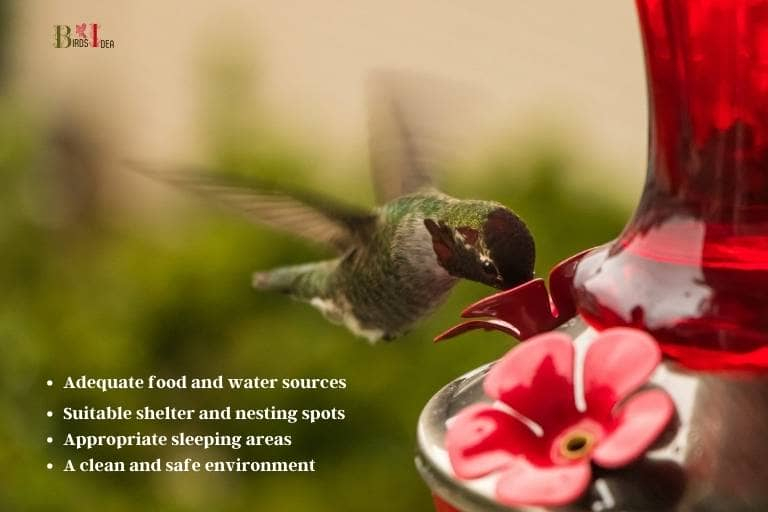
Flowers are the main course, but they aren’t the whole meal. Hummingbirds need water, shelter, and perches. They don’t use traditional birdbaths much because they’re too deep. They prefer misters, drippers, or shallow puddles with stones. A simple solar-powered mister attached to a fence can be a magnet. They love to fly through the mist to clean their feathers. It’s playful to watch and essential for their health.
Shelter is often overlooked. They need places to hide from predators like hawks or cats. Dense shrubs, small trees, or even a trellis with vines provide cover. They also need perches to rest. Hummingbirds spend a lot of time sitting still, conserving energy. Thin branches, wire fences, or even the edge of a feeder pole work well. If your yard is too open, they feel exposed. They won’t linger. Add some layers. Tall trees in the back, shrubs in the middle, flowers in the front.
And please, skip the pesticides. Insects are food. Poisoning them poisons the birds. It’s that simple. Use natural pest control methods. Encourage ladybugs and lacewings. Let some leaves stay on the ground. A slightly messy yard is a healthy yard. Backyard Garden Lover notes that the real reason birds skip yards is often due to a lack of these holistic elements. It’s not just about the flower color. It’s about the vibe. Is your yard safe? Is it comfortable? Is it alive?
So, there you have it. The secret to attracting hummingbirds in 2026 isn’t just a bucket of red paint. It’s about understanding their needs. It’s about color variety, proper flower shapes, native choices, perfect timing, and a supportive habitat. It’s a bit more work than just hanging a feeder, sure. But the reward? Watching these jewels of the sky zip around your garden, knowing you provided a sanctuary for them. That’s priceless. Start small. Pick one or two of these tips. Add a native plant. Install a mister. Watch what happens. You might just find your garden buzzing with life sooner than you think.