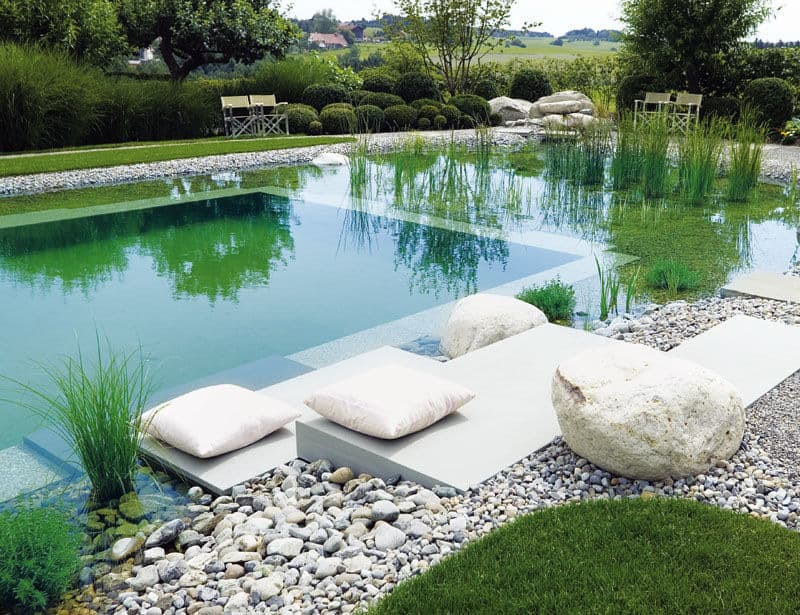
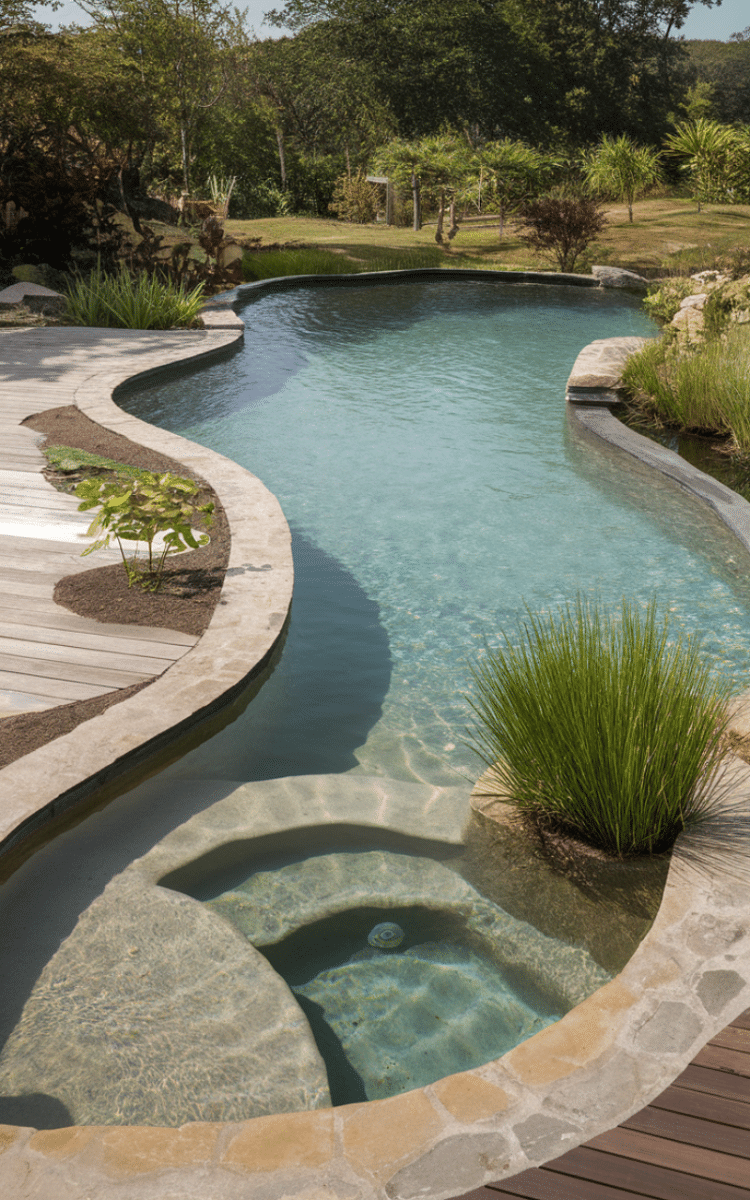
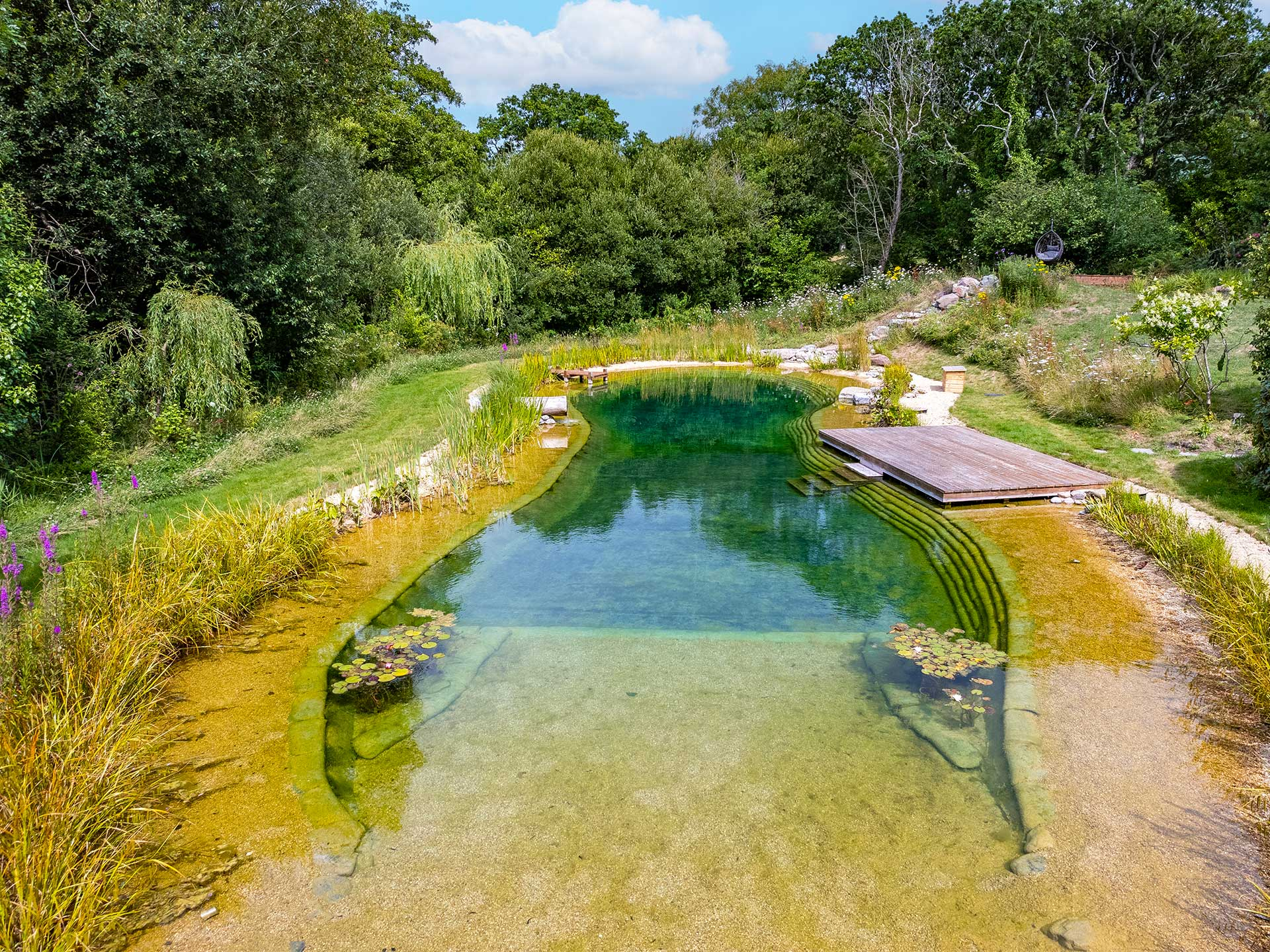
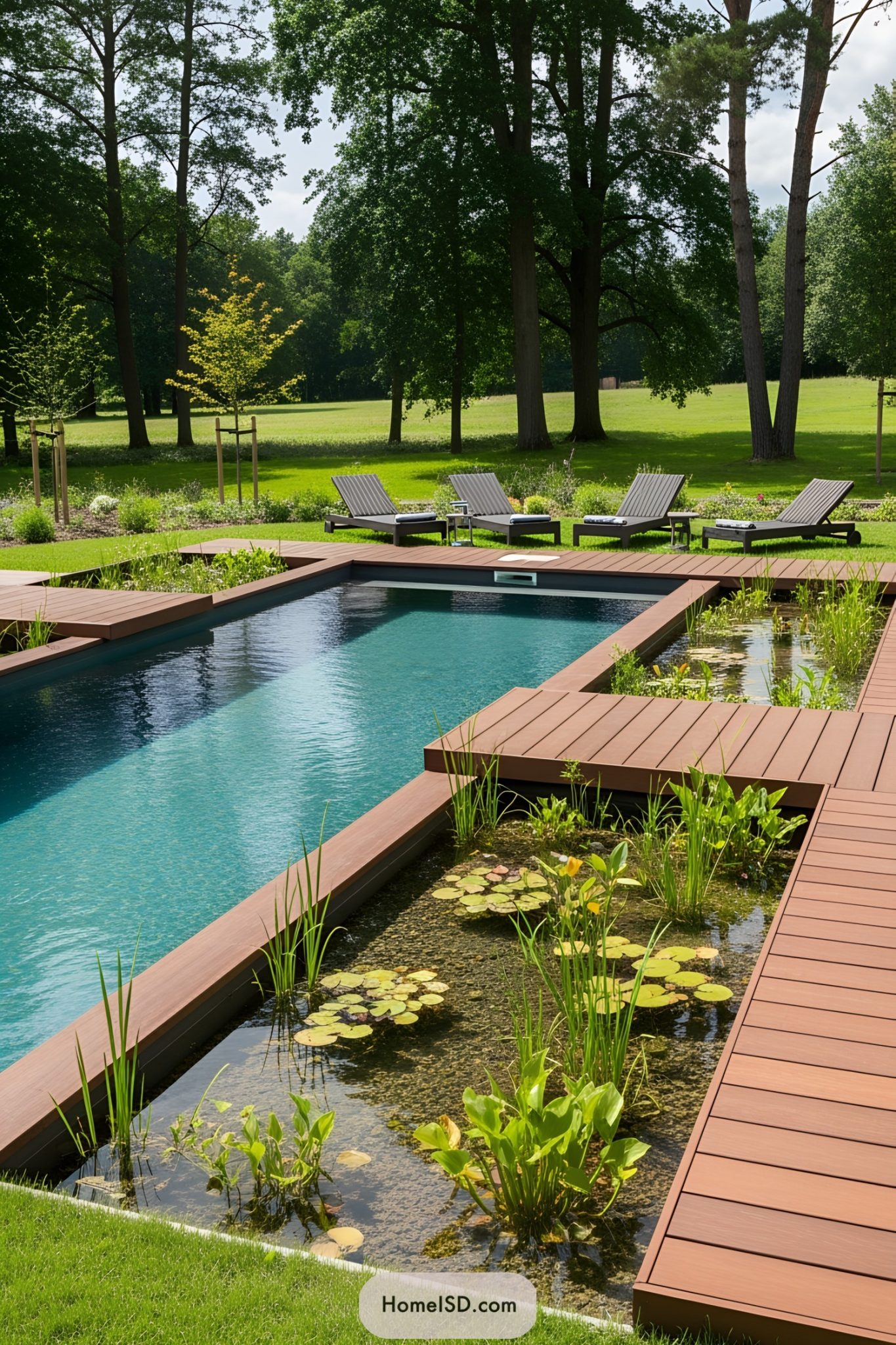
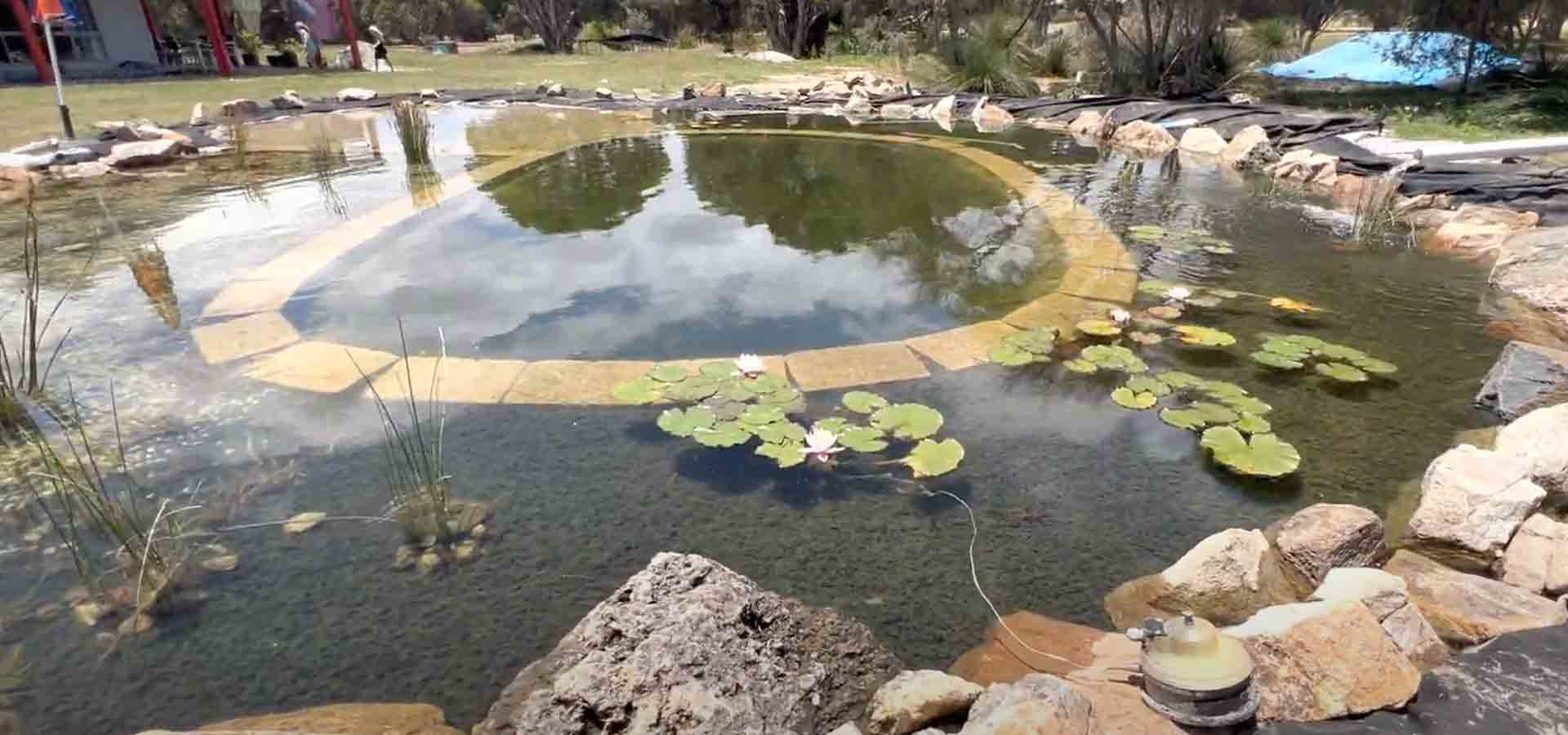
You’ve seen the photos. Crystal clear water that looks like a mountain lake, surrounded by lush ferns and reeds instead of harsh concrete edges. It’s quiet. No hum of pumps drowning out the birds. Just you, the water, and nature. It feels like a dream, doesn’t it? But then reality hits. You start asking the question that keeps most people up at night: how much is this going to cost me?
If you are looking for a simple number, I have bad news. There isn’t one. But if you are willing to dig into the details, there is clarity. In 2026, the price tag for a natural swimming pool has shifted. Labor costs have climbed, material availability has stabilized but remains pricey, and the demand for eco-friendly backyards is higher than ever. We are seeing averages hover between $50,000 and $150,000 for most residential projects. That is a wide range. Why? Because a "natural pool" can be anything from a small, DIY-adjacent pond with a basic filter to a sprawling, architect-designed oasis with custom stone work and advanced bio-filtration.
Let’s be honest. Sticker shock is real. But understanding where every dollar goes helps you decide if it is worth it. This isn’t just about digging a hole. It is about building a living ecosystem. And ecosystems, unlike chlorinated boxes, require thoughtful design. So, let’s break down the real costs, the hidden fees, and what you should actually expect when you decide to take the plunge in 2026.
Breaking Down the Price Per Square Foot
When you start talking to contractors, they will likely throw around a per-square-foot number. In 2026, that number typically lands between $50 and $100 per square foot for the total installed cost. But here is the catch: you aren’t just paying for the part you swim in. You are paying for the regeneration zone, too.
A natural pool usually splits its area. About 60% might be for swimming, and 40% is for the plants that clean the water. So, if you want a 300-square-foot swimming area, you are actually building a 500 to 600-square-foot system. According to recent data from Pool Research, a setup with a total area of 600 square feet (with 300 sq ft for swimming) will run you roughly $50,000 to $90,000. If you go bigger, say a 1,400-square-foot total area with 700 square feet of swimming space, expect to pay between $80,000 and $130,000 minimum.
This pricing structure confuses a lot of first-timers. They compare it to a traditional vinyl liner pool and think, "Wait, why is this double?" The answer is complexity. A traditional pool is a hollow box. A natural pool is a layered landscape. You have excavation, yes, but you also have specialized liners that allow for plant root penetration without leaking, gravel layers of specific sizes, and careful grading to ensure water flows correctly through the filter bed. It is more akin to landscaping a garden than pouring a patio.
The Big Ticket Items: Excavation and Liners
Let’s talk about the dirt. Excavation is often the first major line item on your invoice, and it is unpredictable. If your backyard is flat and accessible, great. If your yard is sloped, rocky, or hard to reach with heavy machinery, your costs can skyrocket. In 2026, labor rates for skilled excavators have risen, meaning that every extra hour of machine time hurts the wallet.
Then there is the liner. You cannot just use any plastic sheeting. Natural pools need durable, UV-stable liners that are safe for aquatic life and robust enough to handle the weight of gravel and water pressure. Some high-end builds use concrete or clay finishes, which Angi notes can shape durability and water balance differently. Concrete is expensive and requires skilled artisans to make it look natural. Clay is traditional but can be tricky to maintain. Most mid-range projects stick to high-quality EPDM or reinforced PVC liners, which offer a good balance of cost and longevity.
Don’t forget the edge detailing. This is where the magic happens visually. You can choose simple turf edges, which are cheaper, or go for hand-laid stone boulders and timber retaining walls. The latter adds thousands to the bill but transforms the pool from a "hole with plants" into a stunning architectural feature. It is a choice between function and form, and your budget will dictate how much form you can afford.
The Heart of the System: Filtration and Plants
This is the part that makes a natural pool a natural pool. The regeneration zone. This is not just a flower bed; it is a biological engine. The cost here depends heavily on the technology you choose. Passive systems, which rely mostly on gravity and plant uptake, are cheaper to build but require more land area. Active systems, which use pumps and sometimes supplemental UV or ozone treatment, cost more upfront but can be more compact.
The plants themselves are a significant investment. You aren’t buying petunias. You need specific aquatic species like hornwort, water lilies, and rushes that are proven to strip nutrients from the water. In 2026, sourcing mature, healthy specimens can be costly. DesignTransitionStudio highlights that the regeneration plant bed is a main cost driver. You need enough biomass to keep the water clear. Skimping on plants to save money now means algae blooms later.
Also, consider the mechanical equipment. Even natural pools need pumps to circulate water through the gravel filter. These aren’t the massive industrial pumps of public pools, but they are specialized, energy-efficient units designed for continuous low-flow operation. Add in the plumbing, the skimmers, and the control systems, and you are looking at a substantial chunk of your budget. It is easy to underestimate this because it is mostly underground, but it is the most critical part of the build.
Hidden Costs: Permits, Access, and Site Prep
Here is where dreams often hit a bureaucratic wall. Permits. In many municipalities, natural pools fall into a gray area. Are they ponds? Are they swimming pools? The answer determines your permit fees and inspection requirements. Some areas treat them exactly like traditional pools, requiring fencing, specific setbacks, and expensive permits. Others have no code for them at all, which can delay your project while officials figure it out. Always check local regulations before you draw a single line on paper.
Site access is another silent budget killer. If a bulldozer cannot fit through your side gate, you might have to bring in a mini-excavator, which takes three times as long. Or worse, you might have to remove a fence or part of a deck to get the machines in, adding repair costs to your tab. LatestCost points out that local permitting and site constraints are major variables. A difficult site can add 10-20% to your total cost just in logistics.
Then there is soil disposal. You are digging out tons of earth. Where does it go? If you can spread it around your yard to raise garden beds, great. If you have to haul it away, trucking fees in 2026 are steep. Conversely, if you need to import specific types of gravel or sand for your filter layers, that is another delivery fee. These small logistical items add up faster than you think.
Maintenance: The Long-Term Financial Picture
One of the biggest selling points of natural pools is lower chemical costs. You aren’t buying chlorine or acid every week. That saves money. But "low maintenance" does not mean "no maintenance." In fact, natural pools require a different kind of care. You need to prune plants, remove debris, and occasionally vacuum the bottom. If you hire a service, expect to pay for specialized knowledge. Not every pool guy knows how to manage a bio-filter.
In the first year, your costs might be slightly higher as the ecosystem establishes itself. You might need to add beneficial bacteria or adjust plant ratios. After that, the system stabilizes. However, you should budget for occasional equipment repairs. Pumps don’t last forever. Liners might need patching after a decade. While you save on chemicals, you are investing in horticulture. Think of it as gardening with a swimming area.
Comparing this to a traditional pool is interesting. A conventional pool has high ongoing chemical and energy costs. A natural pool has lower energy costs (if designed well) and zero chemical costs, but higher landscaping maintenance. Over ten years, the total cost of ownership often evens out, but the natural pool offers a quality of experience that chlorinated water simply cannot match. It is softer on the skin, better for the environment, and visually stunning year-round.
Can you build it yourself? Technically, yes. There are kits available, and plenty of online guides. OneAndDonePrep suggests that smaller, simple systems with passive biofilters can land near the $40,000 low end. If you are handy, have access to machinery, and understand hydraulics, you might save 30-40% by doing the labor yourself.
But beware. Water is heavy. A mistake in the liner installation or the gravel gradient can lead to leaks or stagnant water. Fixing a failed natural pool is often more expensive than building it right the first time. Most experts recommend at least hiring a consultant for the design phase. Get the engineering right, then maybe do the planting yourself.
For most people, a professional build is the safer bet. Look for contractors who specialize in natural pools, not just general landscapers. Ask for references. Visit their past projects. See how the pools look in late summer, when algae pressure is highest. A pro ensures that your investment lasts. And in 2026, with material costs being what they are, you want it to last.
So, where does this leave you? If you have $50,000 to $150,000 to invest, a natural pool is an attainable dream. It is not a quick flip or a cheap upgrade. It is a major home improvement project that changes how you live outdoors. The costs are significant, but they buy you something unique: a slice of nature in your own backyard.
Think about the value beyond the dollar signs. The quiet mornings. The lack of chemical smell on your skin. The way the dragonflies hover over the reeds. For many, that peace is priceless. But knowing the price tag helps you plan realistically. Start with a clear budget. Get multiple quotes. Understand that the "regeneration zone" is not optional—it is essential.
In the end, building a natural pool in 2026 is about patience and perspective. It takes time to build, and it takes time to mature. But once that water clears and the plants take hold, you will have a sanctuary that feels worlds away from the stress of daily life. And honestly? That is worth every penny.