Let’s be honest for a second. Hearing the words “Section 8” can trigger a mix of emotions for landlords. For some, it’s relief—knowing the rent check is partly backed by the government. For others, it’s anxiety about red tape, inspections that feel like interrogations, and paperwork that seems to multiply overnight. But here’s the thing: the landscape has shifted. In 2026, the Housing Choice Voucher (HCV) program isn’t just a safety net; for many property owners, it’s become a strategic tool for stability in a volatile rental market.
You’ve probably heard the rumors. Maybe a friend told you the inspections are impossible to pass. Or perhaps you read online that the payments take forever to arrive. While there’s always friction in any bureaucratic system, the reality on the ground this year is different. With new HUD rules effective January 2026 and a push for digital efficiency, the process is smoother than it’s been in decades. If you’re willing to learn the rhythm of the program, you might just find your most reliable tenants yet.
So, why does this matter now? Because vacancy rates are creeping up in certain markets, and tenant turnover is costing everyone more money. Section 8 tenants, statistically, stay in their homes three times longer than standard renters. That’s not just a number; that’s less wear and tear, fewer marketing costs, and a steady cash flow. But to get there, you have to navigate the gatekeepers: the inspection and the payment contract. Let’s break down exactly how that works, without the jargon.
Understanding the Money: How HAP Payments Actually Work
First things first, let’s talk about the cash. The biggest misconception is that the government pays all the rent. They don’t. The Housing Assistance Payment (HAP) is a split deal. The tenant pays their portion directly to you—usually about 30% of their adjusted monthly income—and the local Public Housing Authority (PHA) sends the rest. This structure is crucial because it means you still have a financial relationship with the tenant. They have skin in the game. If they stop paying their share, you can still evict for non-payment, just like any other lease.
In 2026, the timing of these payments has become more predictable thanks to updated digital portals used by most PHAs. Gone are the days of waiting six weeks for a paper check to get lost in the mail. Most authorities now use direct deposit systems that align with standard banking cycles. However, there’s a catch you need to watch out for: the initial approval lag. The first payment often takes longer because the PHA has to verify the lease, the inspection status, and the tenant’s eligibility all at once. Once that first hurdle is cleared, subsequent payments are usually automated and reliable. It’s like setting up a utility bill; once it’s in the system, it runs itself.
But what if the tenant’s income changes? This is where the "portability" and annual recertification come in. Every year, the tenant must report their income to the PHA. If they earn more, their share goes up, and the government’s share goes down. If they earn less, the opposite happens. As a landlord, you don’t need to chase this info. The PHA handles it and sends you a new HAP contract amendment. Your job is simply to ensure the total rent (tenant share + HAP) doesn’t exceed the Fair Market Rent (FMR) limits for your area, unless you’re in a region with exception payment standards. Keeping an eye on your local FMR updates is smart, as these caps dictate the maximum subsidy available.
The Inspection Beast: Passing HQS in 2026
Now, let’s address the elephant in the room: the Housing Quality Standards (HQS) inspection. This is the part that makes most landlords sweat. The inspector is coming to check everything from the peeling paint on the windowsill to the functionality of the smoke detectors. In 2026, the focus has shifted slightly from aesthetic perfection to health and safety fundamentals, but the bar is still high. The goal isn’t to make your property look like a model home; it’s to ensure it’s safe, sanitary, and functional.
Think of the inspection as a checklist of "must-haves" rather than "nice-to-haves." For example, every bedroom needs a window that opens for emergency egress. Every bathroom needs a working sink, toilet, and shower or tub with hot and cold running water. The kitchen needs a stove that works and a fridge that keeps food cold. These seem obvious, right? But you’d be surprised how many failures happen because of small things. A missing handrail on a staircase with four or more steps. An electrical outlet that’s cracked or exposed. A leaky faucet that wastes water. These are "fail" items. And here’s the kicker: if you fail, you usually get a short window—often 24 hours for critical issues like no heat or water, and up to 30 days for non-critical ones—to fix them.
Preparation is half the battle. Before you even schedule the inspection, walk through your unit with a critical eye. Test every single window. Turn on every faucet. Check the GFCI outlets in the kitchen and bathrooms. Make sure the smoke detectors are less than ten years old (yes, they expire) and have fresh batteries. Carbon monoxide detectors are also mandatory if you have fuel-burning appliances or an attached garage. In 2026, some PHAs are using tablet-based inspections where the inspector logs issues in real-time. This means you’ll know immediately if you passed or failed. No more waiting for a letter in the mail. If you fail, ask the inspector for the specific code violation so you can fix it precisely. Don’t guess.
The Lease-Up Process: Step-by-Step for 2026
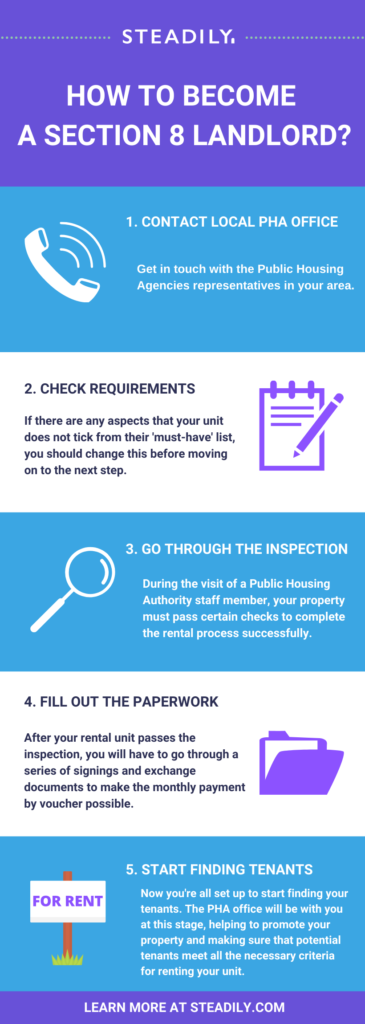
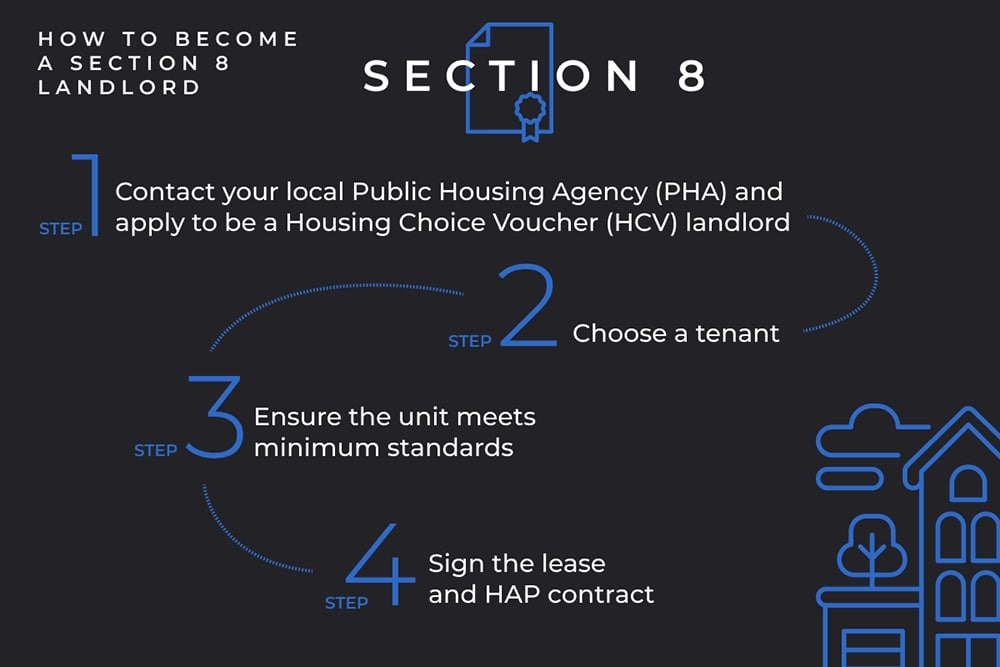
So, you’ve found a tenant with a voucher. Now what? The process isn’t just signing a lease and handing over keys. There’s a specific dance you have to do with the PHA. First, you screen the tenant just like you would any other applicant. Check their credit, criminal background, and rental history. The voucher guarantees the rent payment, not the tenant’s behavior. You have the right to deny a tenant for legitimate business reasons, provided you aren’t discriminating against them solely because they have a voucher (which is illegal in many states and cities now).
Once you approve the tenant, you’ll fill out a "Request for Tenancy Approval" form. This is where you propose the rent amount. The PHA will then conduct a "Rent Reasonableness" test. They’ll compare your unit to similar unassisted units in the same neighborhood. If your rent is way higher than comparable homes, they’ll ask you to lower it. This isn’t negotiable based on your mortgage costs; it’s based on market value. Be prepared to provide comps if you think your rent is fair. In 2026, many PHAs use automated valuation models to speed this up, but having your own data handy helps if you need to appeal.
After the rent is approved and the inspection is passed, you sign two documents: the lease with the tenant and the HAP contract with the PHA. These are separate but linked. The lease controls the relationship between you and the tenant. The HAP contract controls the relationship between you and the government. Never start collecting rent or letting the tenant move in until both are signed and the PHA gives you the official start date. Starting early is a classic mistake that can delay your first payment by months. Patience here pays off.
Navigating Common Pitfalls and Red Tape
Even with the best intentions, things can go sideways. One common issue in 2026 is the "abatement" of payments. If your unit fails an annual inspection and you don’t fix the issues within the given timeframe, the PHA will stop paying their share of the rent. They won’t tell the tenant to stop paying their share, but you’ll be missing that chunk of income. Worse, if the issues are severe, the tenant might be allowed to break the lease without penalty. To avoid this, treat annual inspections with the same seriousness as the initial one. Set a reminder on your calendar a month before the inspection is due to do a pre-check.
Another pitfall is misunderstanding who is responsible for repairs. Under Section 8, the landlord is responsible for maintaining the unit to HQS standards. This means normal wear and tear is on you. If the water heater breaks, you fix it. If the roof leaks, you fix it. You cannot charge the tenant for these repairs, nor can you deduct them from the security deposit unless the damage was caused by the tenant’s negligence or abuse. Keep clear records of all maintenance requests and repairs. If a tenant damages a wall, document it with photos before and after. This clarity protects you during move-out disputes.
Communication is also key. Build a good relationship with your local PHA caseworker. They are human beings dealing with hundreds of files. Being polite, responsive, and organized makes their job easier, which often means they’re more willing to help you when you have a question or a problem. Save their email address. Keep copies of every document you submit. In 2026, most communication is digital, so create a dedicated folder on your computer for each Section 8 tenant. Scan everything. When in doubt, over-communicate.
Why Retention Matters: The Long-Term View
Let’s zoom out for a moment. Why bother with all this? Because retention is the secret weapon of successful landlords. Turning over a unit costs money. You have to clean, paint, advertise, screen, and potentially lose weeks of rent while it sits empty. Section 8 tenants, on average, stay in their homes much longer than market-rate tenants. Why? Because finding another landlord who accepts vouchers can be difficult for them. They value stability. If you treat them well, maintain the property, and respond to repairs quickly, they are likely to stay for years.
This stability translates to financial predictability. You know exactly when the government portion of the rent is coming. You know the tenant’s portion is subsidized, making it more affordable for them and thus less likely to be missed due to temporary job loss. During economic downturns, Section 8 rents remain stable because the subsidy adjusts to the tenant’s income. While market rents might drop or spike, your HAP income remains consistent. It’s a hedge against volatility.
Moreover, serving this population can be genuinely rewarding. You’re providing safe, decent housing to families, veterans, and elderly individuals who might otherwise struggle to find quality homes. Building a reputation as a landlord who accepts vouchers and treats tenants with respect can open doors to community partnerships and even preferential treatment in some local housing initiatives. It’s not just about profit; it’s about being part of the solution in your community. And honestly, a happy tenant takes better care of your property.
If you’re ready to dive in, here are a few last-minute tips to keep in your back pocket. First, know your local laws. Some states and cities have "Source of Income" discrimination laws that require you to accept vouchers if you meet certain criteria. Others don’t. Don’t assume the federal rules are the only ones that apply. Check with a local attorney or housing advocate if you’re unsure. Second, be transparent with your tenants. Explain the process to them. Let them know what the inspection involves so they can prepare their home. A prepared tenant is a partner in passing the inspection.
Third, consider using property management software that integrates with Section 8 workflows. In 2026, there are tools designed specifically to track HAP payments, store inspection reports, and manage lease expirations. These can save you hours of administrative headache. Finally, don’t be afraid to say no if a deal doesn’t make sense. If the rent reasonableness test comes back too low, or the tenant’s screening reveals serious red flags, you can walk away. The goal is a profitable, sustainable rental business, not just filling units at any cost.
Accepting Section 8 isn’t for everyone. It requires patience, attention to detail, and a willingness to play by a specific set of rules. But for those who master it, the rewards are significant. Stable income, long-term tenants, and a streamlined process that gets easier with every cycle. The key is to approach it not as a burden, but as a different business model—one with its own quirks, but also its own unique advantages. So take a deep breath, get your checklist ready, and maybe, just maybe, you’ll find your next great tenant is holding a voucher.