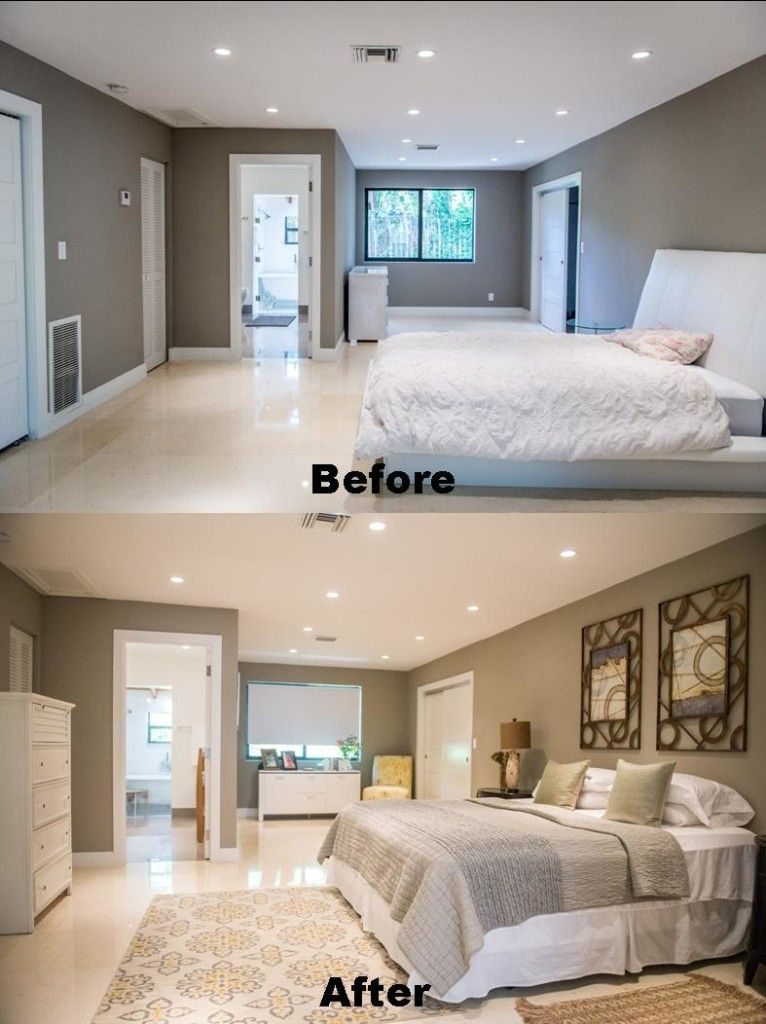
You know that feeling when you finally collapse into bed after a long day? The sheets are cool, the pillows are just right, and for a second, everything is perfect. Then you open your eyes. And there it is. That big, blank, white expanse staring back at you. It’s flat. It’s boring. And honestly? It feels a bit like an office. We spend so much time obsessing over thread counts, mattress firmness, and blackout curtains that we completely forget about the surface that takes up nearly a third of our visual field when we’re trying to drift off.
It’s called the fifth wall. And in 2026, it’s getting the attention it deserves. For years, designers treated ceilings as an afterthought—a place to hide wires or stick a generic light fixture. But new research into sleep hygiene and environmental psychology suggests that what’s above us matters just as much as what’s around us. A chaotic or sterile ceiling can keep your brain alert, while a thoughtful, cozy one can signal to your nervous system that it’s time to power down. You don’t need a contractor or a huge budget to fix this. You just need to look up.
Why Your Brain Cares About What’s Above You
Think about the last time you slept under the stars. Or maybe in a tent with a canvas roof. There’s a primal comfort in having a "shelter" overhead. It’s protective. In contrast, a stark white ceiling in a modern home can feel exposed. It reflects light harshly and offers no visual softness. When you’re lying in bed, your gaze naturally drifts upward. If that space is empty or glaring, your mind stays active. It’s looking for something to latch onto. By transforming this space, you’re essentially creating a visual lullaby.
Recent trends in biophilic design—bringing nature indoors—have highlighted how organic shapes and colors reduce cortisol levels. Applying this to the fifth wall means moving away from clinical brightness. A ceiling that mimics the sky at dusk, or the warmth of wood, triggers a relaxation response. It’s not just about aesthetics; it’s about biology. Your circadian rhythm responds to light and color temperature. A ceiling that absorbs light rather than bouncing it around helps lower the ambient energy in the room, making it easier to transition into sleep mode.
This isn’t about following a fleeting trend. It’s about reclaiming your rest. In a world that’s constantly demanding our attention, the bedroom should be a cave. A retreat. The fifth wall is the lid on that cave. When you treat it with intention, you change the entire atmosphere of the room. It becomes heavier, warmer, and more intimate. You stop feeling like you’re sleeping in a box and start feeling like you’re being held. That shift in perception is powerful. And it starts with realizing that the space above you is part of the experience, not just a boundary.
Paint It Dark (Yes, Really)
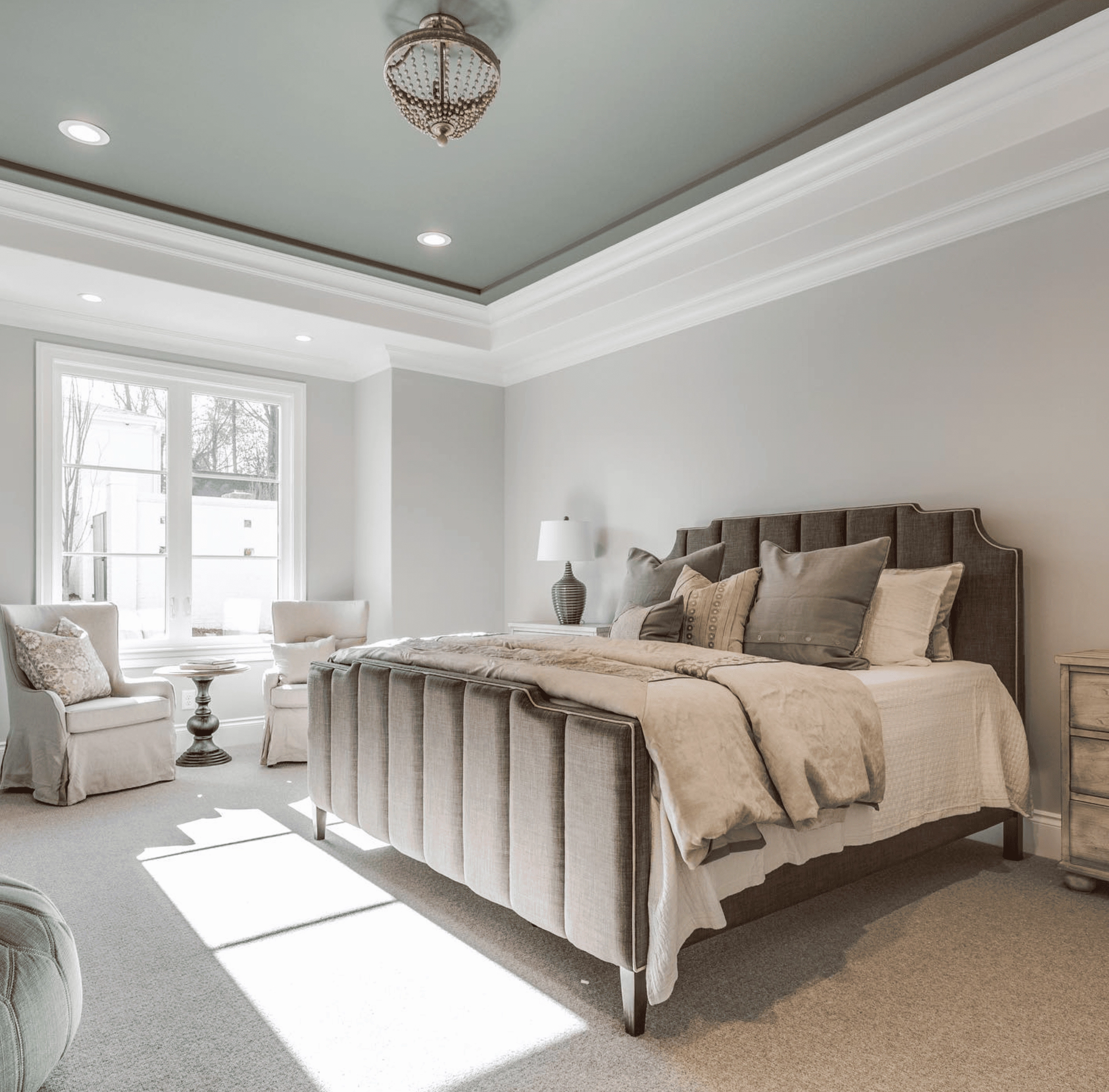
The most common fear people have is that dark colors will make a room feel small. And sure, if you paint all four walls black, you might feel like you’re in a elevator shaft. But the ceiling? That’s different. Painting your ceiling a deep, moody hue creates a cocoon effect. It lowers the visual height of the room, which sounds counterintuitive for coziness, but actually makes the space feel more grounded and secure. Think navy blues, charcoal grays, or even a deep forest green. These colors recede, creating a sense of infinite depth, like looking into a night sky.
If full-on dark feels too bold, try a tonal approach. Take the color of your walls and go two or three shades darker for the ceiling. This creates a seamless blend that wraps around you. It eliminates the harsh line where the wall meets the ceiling, which can feel disjointed. In 2026, we’re seeing a lot of "color drenching," where the entire room, including trim and ceilings, is painted in varying intensities of the same hue. It’s soothing because there are no sharp contrasts for your eyes to process. Your brain doesn’t have to work hard to define the edges of the room. It can just let go.
Don’t worry about the darkness making the room gloomy during the day. Remember, this is a sleep sanctuary. You want it to feel dim and inviting even when the sun is out. Plus, dark ceilings hide imperfections better than white ones. Those little cracks or uneven patches in the plaster? They disappear into the shadow. It’s a practical benefit that adds to the aesthetic. Just make sure to use a matte finish. Glossy dark paint will reflect light in weird ways and look wet. Matte absorbs light, keeping the vibe soft and velvety. It’s a small detail that makes a huge difference in how the room feels.
Bring the Outdoors In with Texture
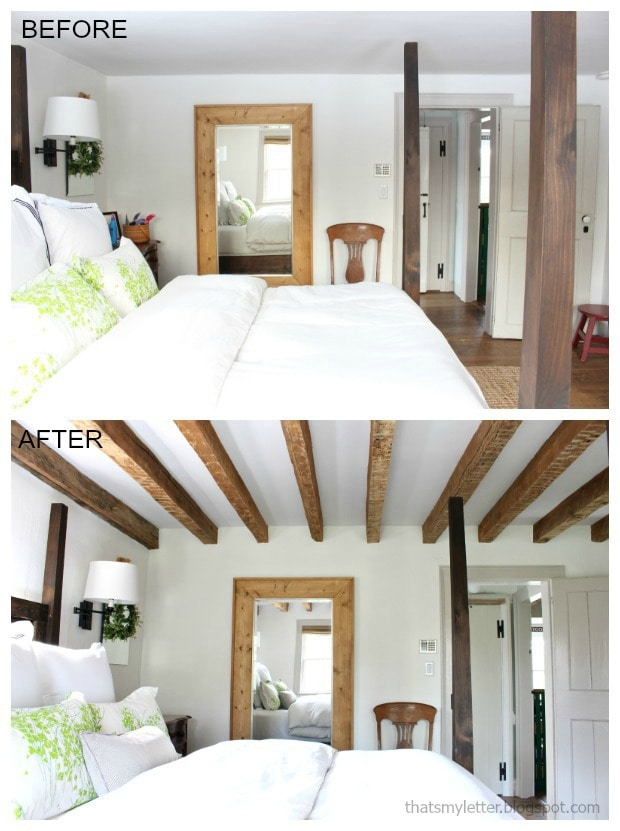
Flat paint is fine, but texture adds soul. Imagine looking up and seeing the grain of wood, the weave of fabric, or the roughness of stone. These natural elements connect us to the earth, grounding us in a way that smooth drywall never can. One of the most popular ways to do this in recent years is with wood paneling or beams. You don’t need to install heavy structural beams. Lightweight faux beams made of polyurethane can be glued up in a weekend. They add architectural interest and warmth, turning a bland box into a rustic cabin retreat.
If wood isn’t your style, consider fabric. Draping linen or cotton across the ceiling can soften the acoustics of the room, reducing echo and creating a hushed, library-like silence. It’s particularly effective in rooms with high ceilings or hard floors. The fabric acts as a sound dampener, which is crucial for sleep. Even a simple canopy over the bed can create a focused zone of comfort. It defines the sleeping area without building walls. It’s romantic, yes, but also functional. It blocks out peripheral distractions and focuses your attention on rest.
Another option is wallpaper. Yes, on the ceiling. There are incredible options now that mimic grasscloth, silk, or even starry skies. A subtle, textured wallpaper can add depth without overwhelming the senses. Look for patterns that are organic and irregular, avoiding rigid geometric shapes that can feel stimulating. The goal is to create a surface that invites your eyes to wander gently, not to analyze. When you combine texture with the right color, you create a tactile experience that engages your sense of touch visually. It makes the room feel lived-in and loved, not just staged.
Lighting That Mimics the Moon
Lighting is the single biggest factor in sleep quality, and most people get it wrong on the fifth wall. The standard overhead "boob light" or recessed cans are terrible for relaxation. They cast harsh shadows and stimulate the brain. To transform your ceiling into a retreat, you need to change how you light it. The key is indirect, low-level illumination. Think of the moon, not the sun. You want light that grazes the surface of the ceiling, highlighting its texture and color, rather than blasting down onto your face.
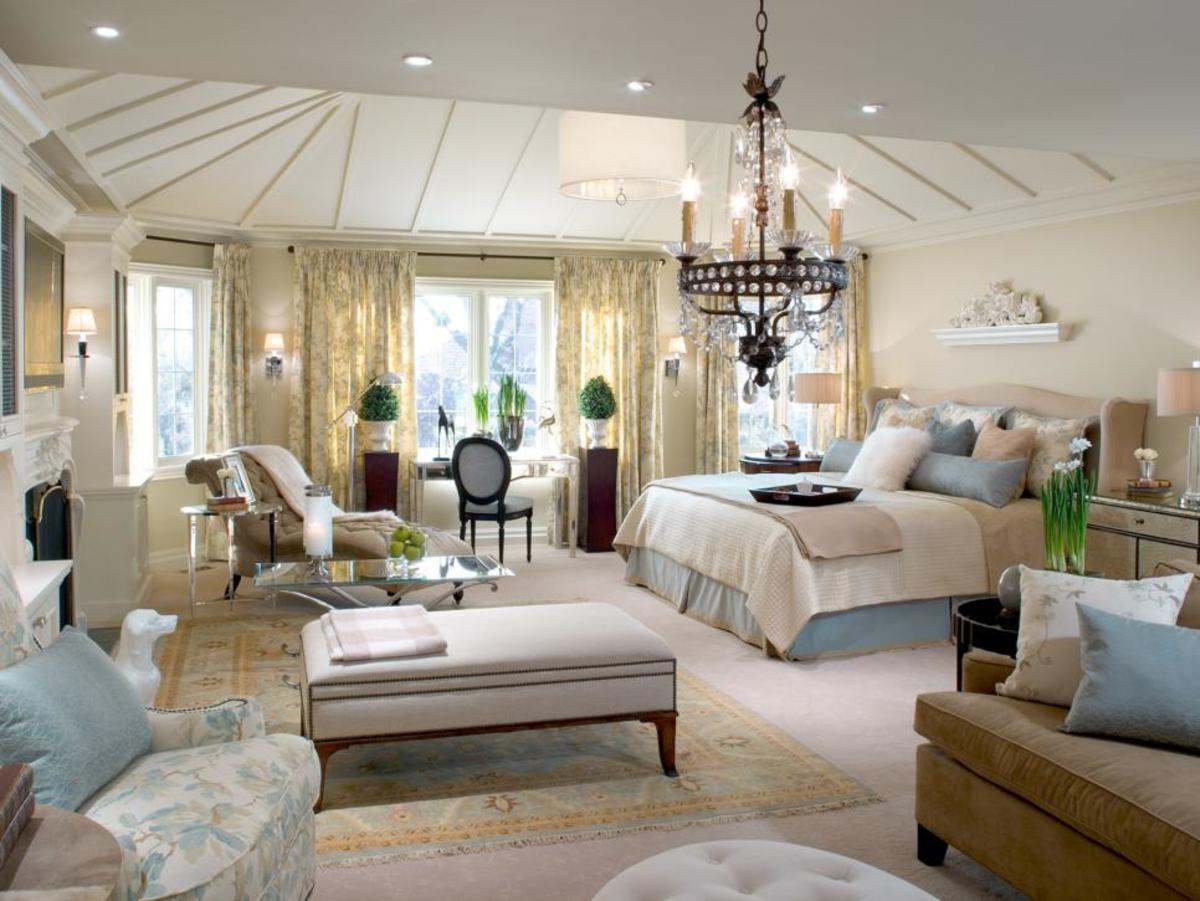
Sconces that uplight onto the ceiling are a game-changer. They wash the ceiling in a soft glow, making it appear higher and more ethereal if you’ve kept it light, or richer and deeper if you’ve gone dark. LED strip lights hidden in coves or behind crown molding can also create this effect. The trick is to keep the color temperature warm—around 2700K or lower. Anything cooler will feel like daylight and suppress melatonin production. In 2026, smart lighting systems make this easy. You can program your ceiling lights to dim gradually as the evening progresses, mimicking the natural sunset.
Avoid placing any bright lights directly above the bed. It’s uncomfortable and disruptive. Instead, focus lighting on the periphery of the room or on specific features like artwork or plants. If you need a reading light, use a directed task lamp on a nightstand, not an overhead source. The ceiling should remain a zone of shadow and softness. By controlling the light from above, you control the mood of the entire room. It becomes a place where time seems to slow down. The harsh edges of the day soften, and you’re left with a gentle, glowing embrace.
Architectural Details That Add Depth
Sometimes, the problem isn’t the color or the light, but the lack of character. A flat ceiling can feel institutional. Adding architectural details breaks up the monotony and adds a layer of sophistication. Crown molding is the classic choice, but don’t stop there. Consider tray ceilings or coffered designs if you have the height. These indentations create pockets of shadow and interest, drawing the eye upward in a structured, calming way. They add a sense of history and permanence to the room, which can be very reassuring.
If major construction isn’t an option, you can achieve similar effects with moldings applied directly to the surface. Grid patterns, medallions, or simple border strips can create a custom look for a fraction of the cost. Paint these details in a contrasting shade to highlight them, or keep them monochromatic for a subtle, sculptural effect. The goal is to create rhythm. A repeating pattern on the ceiling can be hypnotic in a good way, helping to quiet the mind. It gives your eyes a path to follow, rather than letting them dart around aimlessly.
Beams, as mentioned earlier, are another powerful tool. They don’t have to be rustic. Sleek, painted beams can add a modern graphic element. Curved arches or domes can soften the corners of the room, creating a more organic, flowing space. These details change the way sound travels and light falls, adding complexity to the sensory experience. They make the room feel designed, not just assembled. When you put effort into the details, you signal to yourself that this space is special. It’s worth caring for. And that care translates into better rest.
The Psychology of the Canopy Effect
There’s a reason why four-poster beds have been popular for centuries. They create a room within a room. A canopy, whether it’s fabric, wood, or metal, establishes a boundary around your sleeping space. It’s a psychological shield. When you’re under a canopy, you’re protected from the rest of the house. It’s your private domain. This sense of enclosure is deeply comforting to the human psyche. It taps into our ancestral need for shelter and safety. In a modern open-plan home, this separation is even more valuable.
You don’t need a massive four-poster bed to get this effect. A simple curtain rod installed on the ceiling can hold sheer panels that drape around the bed. Or, you can install a wooden frame directly onto the fifth wall above the mattress. This frames the bed and draws attention to it as the focal point of the room. It anchors the space. When the ceiling actively participates in framing your rest, it reinforces the idea that this is a place for sleep. It separates the act of sleeping from the act of living.
This zoning is crucial for mental health. Many of us work, eat, and relax in the same spaces. The bedroom often becomes a catch-all for stress. By using the fifth wall to create a distinct canopy or zone, you physically and mentally separate sleep from other activities. It’s a visual cue that says, "Here, we rest." Over time, your brain associates this specific visual environment with downtime. It’s a form of conditioning that can help combat insomnia. The ceiling becomes part of the ritual, signaling the end of the day and the beginning of rest.
You might be thinking this sounds expensive. It doesn’t have to be. Transforming the fifth wall is one of the most cost-effective ways to change a room because you’re working with a single, contained surface. A gallon of paint goes a long way. Peel-and-stick wallpaper options have improved dramatically in quality and ease of use, allowing for renter-friendly updates. Fabric can be sourced from remnants or thrift stores. The key is creativity, not cash. Start small. Paint just the area above the bed. Add a single beam. Hang a piece of art on the ceiling.
DIY is your friend here. Installing faux beams or molding is a manageable weekend project for most people. There are countless tutorials online that break it down step-by-step. The satisfaction of doing it yourself adds to the cozy factor. The room becomes a reflection of your effort and care. And remember, you don’t have to do everything at once. Layer the changes. Start with paint. Then add lighting. Then texture. Let the room evolve as you learn what makes you feel most relaxed. It’s a personal journey, not a race to a finished magazine spread.
Ultimately, the goal is to create a space that feels like you. If you love the stars, paint them on. If you love the woods, bring in the timber. If you love softness, drape the fabric. There are no rules, only guidelines. Listen to your instincts. What makes you feel safe? What makes you feel calm? The fifth wall is a blank canvas, literally and figuratively. Use it to tell a story of comfort. Use it to build a sanctuary that supports your well-being. Because in the end, better sleep isn’t just about the mattress. It’s about the whole environment. And that includes looking up.