You’re standing in the middle of your living room, staring at the worn-out carpet or the scratched-up laminate, and you know it’s time for a change. But then comes the big question: what do you put down? If you care about the planet, or maybe just love the look of natural materials, you’ve probably landed on two heavy hitters: bamboo and cork. They’re the cool kids of the eco-friendly flooring world. But here’s the thing—looking good and being green is one thing. Paying for it is another.
Everyone talks about how sustainable they are. And sure, that matters. But when you’re trying to stick to a renovation budget in 2026, the sticker shock can be real. You might have heard that bamboo is cheaper. Or maybe someone told you cork lasts longer so it’s a better deal. Who’s right? Well, it’s not exactly black and white. The "real" cost isn’t just what you pay at the register. It’s what you pay to get it installed, keep it looking nice, and eventually replace it if it doesn’t hold up.
Let’s cut through the noise. We’re going to look at the actual dollars and cents, but also the hidden costs that sneak up on homeowners. Because choosing flooring isn’t just about picking a color. It’s about investing in the space where you live your life. So, grab a coffee. Let’s figure out which one actually fits your wallet and your lifestyle this year.
Breaking Down the Sticker Price in 2026
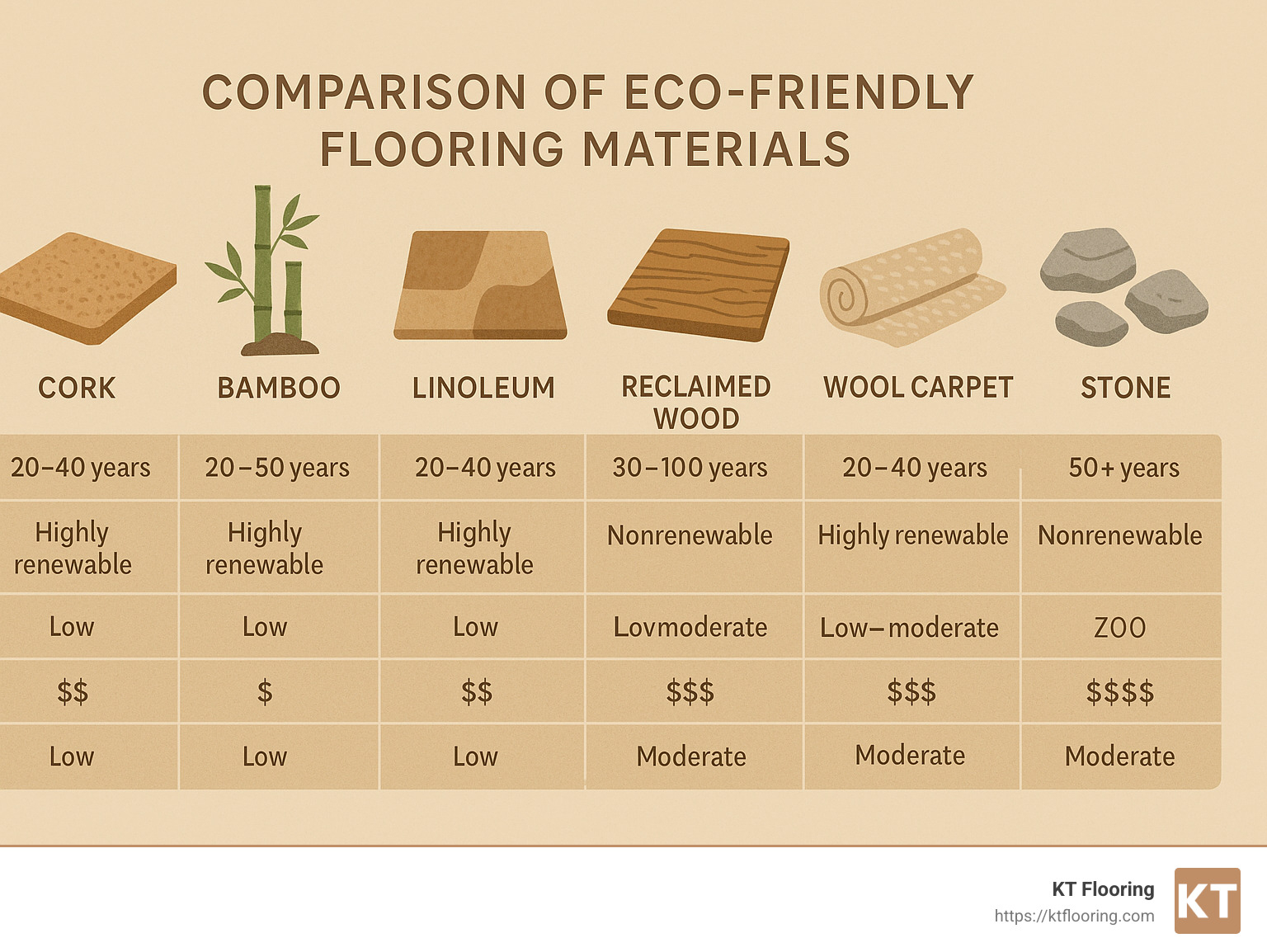
First things first: let’s talk about the raw material cost. This is usually the first number you see, and it’s often misleading if you don’t look closer. In 2026, the market has shifted a bit due to supply chain adjustments and increased demand for sustainable goods. Generally speaking, bamboo tends to have a slight edge in upfront affordability, especially if you go with engineered options. You can find decent strand-woven bamboo starting around $3 to $5 per square foot. That’s pretty competitive with mid-range hardwoods.
Cork, on the other hand, often sits a little higher on the price tag. Expect to pay between $4 and $8 per square foot for good quality cork tiles or planks. Why the difference? It comes down to processing. Bamboo is essentially a grass that grows fast and is harvested in large volumes, particularly from Asia. Cork comes from the bark of oak trees, mostly in Portugal and Spain. The harvesting process is labor-intensive and specialized. You can’t just chop the tree down; you have to carefully strip the bark every nine years without hurting the tree. That craftsmanship costs money.
But don’t let the higher starting price of cork scare you off just yet. There’s a catch with bamboo. The really cheap stuff? It’s often filled with adhesives that might off-gas VOCs (volatile organic compounds), which means you might need to spend more on air purification or deal with smell issues initially. Higher-quality, low-VOC bamboo pushes the price up, narrowing the gap with cork. So, while bamboo looks cheaper on paper, the "safe" and durable versions are closer in price to cork than you’d think. It’s a classic case of you get what you pay for.
Installation: DIY Dreams vs Professional Reality
Here’s where the plot thickens. You’ve bought the boxes of flooring. Now, who’s putting it down? If you’re handy with tools and have a weekend to spare, you might be tempted to DIY. Bamboo is generally easier for the average homeowner to install. Most modern bamboo comes in click-lock systems that float over the subfloor. It’s forgiving. If you mess up a piece, you can usually unclick it and try again. This ease of use can save you thousands in labor costs. In 2026, professional installation for bamboo averages $3 to $5 per square foot, but doing it yourself brings that cost down to zero, minus the rental of a few tools.
Cork is a different beast. While cork tiles can be glued down by a determined DIYer, cork planks often require more precision. Cork is softer and more flexible, which is great for your feet but tricky for cutting and aligning perfectly. If you glue it down, there’s no going back. Mistakes are permanent. Because of this fragility during installation, many pros charge a premium for cork, often ranging from $4 to $7 per square foot. They know it takes more patience and care. If you botch a cork install, you’re looking at wasted material and a lumpy floor.
So, let’s do some quick math. If you have a 500-square-foot room, installing bamboo yourself might cost you $2,000 in materials. Installing cork professionally could run you $3,000 in materials plus $2,500 in labor. That’s a huge difference. However, if you hire pros for both, the gap shrinks. Bamboo would be $2,000 materials + $2,000 labor = $4,000. Cork would be $3,500 materials + $3,000 labor = $6,500. The initial outlay for cork is significantly higher. But is it worth it? That depends on how much you value your own time and sanity.
Durability and the Cost of Wear and Tear
Let’s be honest. Floors take a beating. Kids drop toys. Dogs run around. Chairs get dragged. This is where the concept of "cost per year" becomes important. Bamboo, specifically strand-woven bamboo, is incredibly hard. In fact, it’s often harder than oak. It resists dents and scratches well. This means it looks new for longer. If you have a high-traffic household, bamboo holds up remarkably well. You won’t be refinishing or replacing it anytime soon. This durability lowers its long-term cost because you aren’t fixing it every five years.
Cork is soft. Like, really soft. It has a cellular structure that acts like millions of tiny airbags. When you step on it, it compresses and bounces back. This is amazing for your joints and for dropping a glass (it probably won’t break). But that same softness makes it vulnerable to dents. Heavy furniture can leave permanent indentations. Dog claws can dig in. If you don’t use felt pads under every single chair leg, you will see marks. In 2026, newer cork finishes are tougher, but they still can’t match the brute strength of strand-woven bamboo.
Does this mean cork is a bad investment? Not necessarily. It means the maintenance cost is higher. You’ll need to re-seal cork floors every few years to keep them protected from moisture and wear. That sealant costs money, and so does the time to apply it. Bamboo, once installed and finished, is largely hands-off. You sweep, you mop, you’re done. Over a ten-year period, the cumulative cost of maintaining cork (sealants, potential patching of dents) can add up, potentially offsetting its other benefits. If you’re rough on your house, bamboo is the cheaper ride in the long run.
Comfort, Health, and Hidden Value
Money isn’t just about repairs. It’s about quality of life. This is the "hidden value" part that spreadsheets ignore. Cork is warm. Seriously, touch it in the winter. It feels warm to the bare foot. Bamboo? It’s cold. Hard. Unyielding. If you stand in the kitchen cooking for an hour, your back and knees will feel it on bamboo. On cork, you’ll feel fine. For people with joint pain, arthritis, or just older folks, cork provides a level of comfort that is priceless. You might spend more upfront, but you save on discomfort.
Then there’s sound. Cork is a natural sound insulator. It absorbs noise. If you have a second-story apartment or a house with noisy kids, cork dampens the thud of footsteps and the clatter of dropped items. Bamboo reflects sound. It can make a room feel echoey and loud. To fix this with bamboo, you might need to buy expensive area rugs or soundproofing underlayment, adding to your total cost. With cork, that soundproofing is built-in. It’s a feature you don’t have to buy separately.
Health-wise, both are good if you pick the right brands. But cork has a natural advantage: it’s antimicrobial. It contains suberin, a waxy substance that repels bugs, mold, and mildew. This makes it a fantastic choice for allergy sufferers or homes in humid climates. Bamboo doesn’t have this natural property. While treated bamboo is safe, it doesn’t actively fight allergens. If someone in your family has severe allergies, the health benefit of cork might reduce medical costs or improve sleep quality, which is a tangible, albeit hard-to-measure, financial win.
Environmental Impact and Resale Value
We live in 2026, and sustainability isn’t just a buzzword; it affects property value. Buyers are smarter now. They look for eco-friendly features. Both bamboo and cork are renewable, but they have different stories. Bamboo grows insanely fast—some species grow three feet in a day. It’s a grass, so it regenerates from the roots. However, most bamboo comes from overseas, meaning a larger carbon footprint from shipping. Cork is harvested locally in Europe (mostly) and the trees live for centuries, absorbing CO2 the whole time. It’s a carbon-negative product in many cases.
When it comes to resale, unique flooring can be a selling point or a turn-off. Bamboo has become quite common. It’s seen as a standard "green" option. It adds value, but it doesn’t wow people anymore. Cork is still considered a premium, niche product. Some buyers love it for the comfort and eco-cred. Others hate it because they worry about dents. It’s a gamble. However, in high-end markets or eco-conscious communities, cork can actually boost your home’s appeal more than bamboo because it signals a higher level of thoughtful design.
Also, consider the end of life. When you eventually rip out the floor, what happens? Cork is biodegradable and recyclable. It can be ground down and used for other products. Bamboo, especially engineered bamboo with glues, is harder to recycle. It often ends up in a landfill. If you care about the full lifecycle cost to the planet, cork wins. And for some buyers, knowing their home has truly circular materials is a major plus. It’s a subtle factor, but in a tight housing market, these details can tip the scale.
So, how do you choose? It comes down to your specific situation. If you are on a tight budget and need something tough that can handle a busy family, pets, and minimal maintenance, bamboo is likely your best bet. The lower upfront cost and lower maintenance requirements make it the pragmatic choice. It’s the workhorse. Just make sure you spend a little extra to get a low-VOC brand so you aren’t breathing in chemicals. The small extra cost upfront saves you headache later.
If you have a bit more flexibility in your budget, or if you prioritize comfort, silence, and health, cork is worth the premium. It’s ideal for bedrooms, playrooms, or kitchens where you stand a lot. It’s also great for older homes where you want to preserve a softer, warmer aesthetic. Be prepared to baby it a bit more. Use furniture pads. Re-seal it when needed. Think of it as a luxury item that requires care, like a leather sofa. The cost is higher, but the daily experience is superior for many people.
Don’t forget to factor in your local climate. If you live in a very dry area, bamboo can crack. If you live in a very wet area, cork can swell if not sealed properly. Check with local installers about what works best in your region. Sometimes, the "cheapest" option becomes the most expensive if it fails due to climate issues. Get samples. Live with them for a week. See how they feel under your feet. The right floor isn’t just about the price tag. It’s about how it makes your home feel every single day.
In the end, both are solid choices. They’re both miles better than vinyl or laminate in terms of environmental impact and aesthetics. The "real" cost difference is about $1 to $3 per square foot in favor of bamboo, but that gap closes when you factor in installation and maintenance. Look at your lifestyle. Are you a "set it and forget it" person? Go bamboo. Are you a "cozy and conscious" person? Go cork. Either way, you’re making a good choice for your home and the planet. Just make sure you budget for the reality of the material, not just the dream.