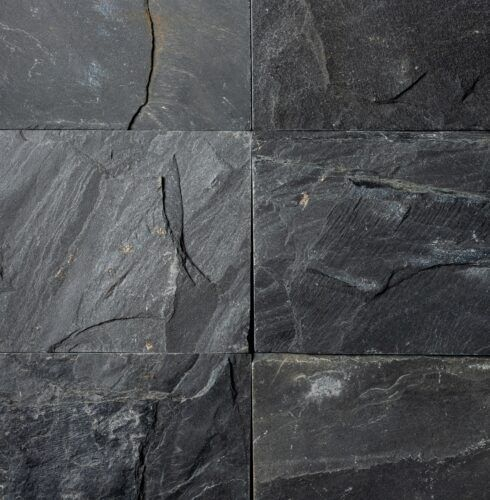
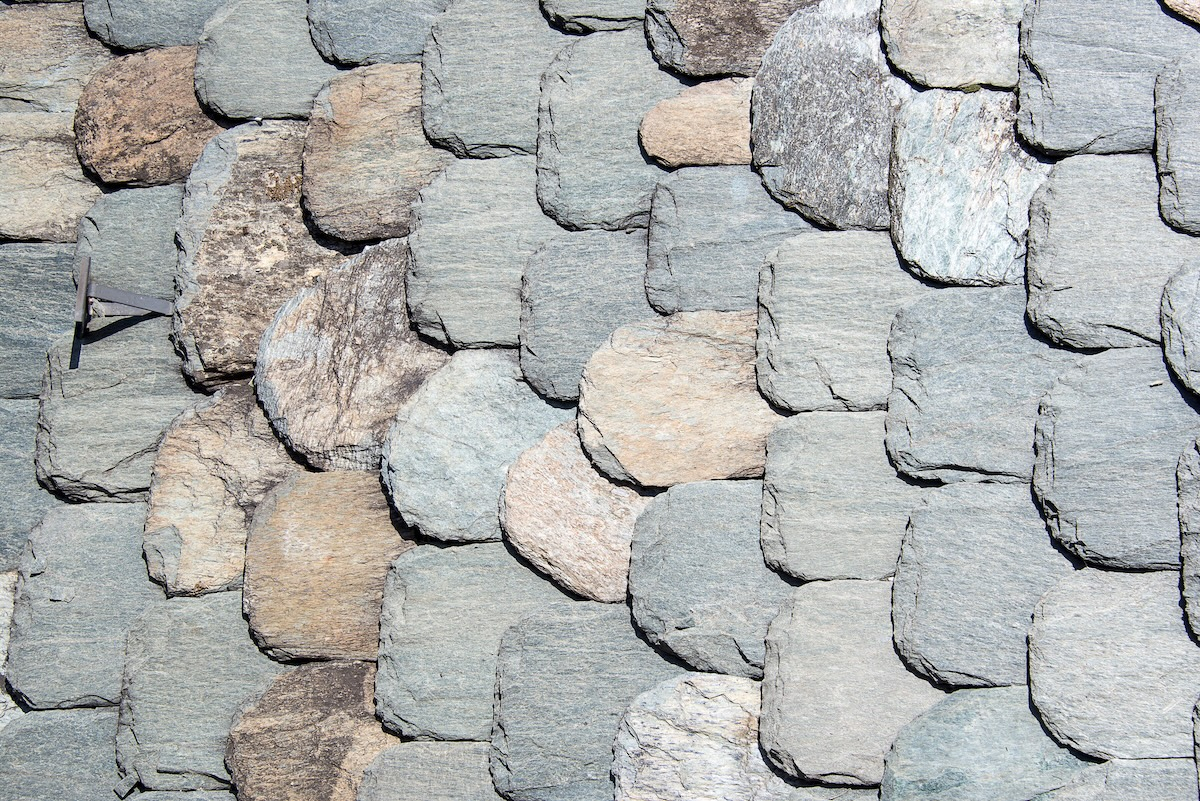
You know that feeling when you walk into a room and the floor just looks… tired? Maybe it’s lost its deep, rich color. Or perhaps it feels gritty underfoot no matter how much you mop. If you have slate tiles, you’re not alone. It’s a stunning material, sure. Those earthy tones and natural textures are why we pick it in the first place. But slate is tricky. It’s not like ceramic or porcelain where you can basically ignore it for years. Slate has personality. And like any personality, it needs the right kind of attention.
I’ve seen homeowners spend thousands on beautiful slate installations, only to watch them turn gray and chalky within a year. Why? Usually, it’s not because the stone was bad. It’s because the care routine was wrong. We treat slate like it’s invincible rock, but it’s actually quite porous and sensitive. The good news is, you don’t need to be a geologist to keep it looking great. You just need to stop making the same old mistakes everyone else makes. Let’s fix that.
Slate is metamorphic rock, formed under intense heat and pressure. That makes it durable, yes. But it also means it has layers, cleavage planes, and tiny pores that trap dirt and moisture. When we get this wrong, the damage isn’t always obvious right away. It creeps up on you. A little dullness here, a stubborn stain there. By the time you notice, it feels like the floor is ruined. It’s not. It’s just misunderstood. In 2026, with so many conflicting cleaning hacks online, it’s easier than ever to accidentally harm your floors while trying to help them. Let’s clear up the confusion.
The Acid Trap: Why Vinegar Is Your Slate’s Worst Enemy
Here’s the biggest lie in home cleaning: vinegar fixes everything. You’ve seen the TikToks. You’ve read the blogs. "Natural," "eco-friendly," "cheap." It sounds perfect. But if you have slate, vinegar is essentially poison. Slate is a calcareous stone in many cases, or at least it has mineral components that react badly to acid. When you mop with vinegar or lemon juice, you aren’t cleaning the stone. You’re etching it.
Etching is a chemical reaction that eats away at the surface. It doesn’t look like a scratch. It looks like dull, white spots that won’t buff out. Over time, the whole floor loses its luster. It becomes flat and lifeless. I talked to a homeowner in Portland last month who had been using a DIY vinegar solution for three years. Her once-black slate looked like faded concrete. She thought the sealant had worn off. It hadn’t. The stone itself was damaged.
So, what do you use instead? pH-neutral cleaners. That’s it. No exceptions. Look for products specifically labeled for natural stone. They’re gentle. They lift dirt without attacking the mineral structure. Yes, they cost a few dollars more than a bottle of vinegar. But think about the cost of refinishing or replacing your floor. It’s a no-brainer. If you’ve been using acidic cleaners, stop today. Switch to a neutral pH cleaner and see if the dullness stops spreading. It won’t reverse existing etching, but it will save what’s left.
Sealing Secrets: Timing and Technique Matter More Than You Think
Sealing slate isn’t a one-and-done deal. This is where most people drop the ball. They seal it when it’s installed, pat themselves on the back, and never think about it again. Five years later, they wonder why wine spills leave permanent marks. Slate is porous. Think of it like a sponge, albeit a very hard, dense sponge. Without a sealer, liquids sink right in. Oil, coffee, mud—they all become part of the stone.
But here’s the catch: not all sealers are created equal, and not all slate needs the same type. There are penetrating sealers, which soak in and protect from within, and topical sealers, which sit on top and create a shine. Most experts in 2026 recommend penetrating sealers for indoor floors because they let the stone breathe and maintain its natural look. Topical sealers can peel or scratch, creating a messy appearance.
How often should you reseal? It depends. Do the water test. Sprinkle a few drops of water on your floor. If it beads up, you’re good. If it soaks in and darkens the stone within five minutes, it’s time to reseal. For high-traffic areas, this might be every year. For a guest bathroom, maybe every three years. Don’t guess. Test. And when you do seal, make sure the floor is bone dry and perfectly clean. Sealing over dirt just locks the dirt in. That’s a mistake you’ll see every time you look down.
The Mop Myth: Less Water Is Actually More Effective
We have this instinct that a wet mop equals a clean floor. With slate, that instinct is wrong. Excess water is a silent killer. Slate tiles are often installed with grout lines, and while the stone itself is tough, the grout is vulnerable. But even worse, water can seep into the microscopic pores of the slate. If it gets trapped underneath, it can cause efflorescence—that white, powdery residue that pops up on the surface. It’s minerals being pushed out by moisture. It looks terrible and is hard to remove.
Furthermore, slate often has a clefted surface, meaning it’s uneven with little ridges and valleys. A soaking wet mop just pushes dirty water into those valleys. It doesn’t lift it out. You end up with a film of grime that makes the floor look cloudy. Instead, use a damp mop. Wring it out until it’s almost dry. You might feel like you’re not doing enough, but trust me, you are. You’re lifting dirt, not redistributing it.
For those tough spots, use a soft brush. A nylon bristle brush works wonders on the textured surface. Gently agitate the cleaner into the clefts, then wipe it up immediately with a microfiber cloth. Don’t let the cleaner sit and dry. That leaves residues. And please, avoid steam mops. The heat and pressure can force moisture deep into the stone and potentially weaken the bond between the tile and the subfloor. It’s not worth the risk. Keep it simple. Damp mop. Dry buff. Done.
Abrasive Anxiety: Scrubbing Pads and Harsh Chemicals
When something looks dirty, our urge is to scrub harder. We grab the green scouring pad. We use powdered cleansers. We think friction equals cleanliness. On slate, friction equals destruction. Those "non-scratch" pads? They’re often too abrasive for the softer minerals in slate. Over time, they create micro-scratches. These scratches trap dirt, making the floor look permanently dingy. It’s a vicious cycle. The more you scrub, the dirtier it looks, so you scrub harder.
Powdered cleansers are another culprit. They contain silica or other gritty substances that act like sandpaper. Even if the box says "safe for tile," it’s usually referring to ceramic or porcelain. Natural stone is different. It’s softer. It’s more varied. One patch of your floor might be harder than another. An abrasive cleaner will wear down the softer spots faster, creating an uneven, patchy appearance.
Stick to liquid cleaners and soft tools. Microfiber mops are your best friend. They trap dust and dirt effectively without needing heavy agitation. If you have a stuck-on substance, like gum or dried food, use a plastic scraper. Gently lift it off. Don’t dig. If you need extra power, use a dedicated stone cleaner with a soft brush. Remember, you’re caring for a natural surface, not scrubbing a driveway. Treat it with respect. Gentle does it. Always.
Ignoring the Grout: The Weak Link in Your Floor
We focus so much on the slate tiles that we forget the grout. But grout is arguably more important for the overall look and health of your floor. Grout is porous. Very porous. It absorbs stains, moisture, and bacteria. If your grout lines are dark and discolored, your entire floor will look old, no matter how clean the tiles are. In 2026, we have better grout options, like epoxy or urethane grouts, which are less porous. But most existing homes have cement-based grout.
Cement grout needs love. It needs to be sealed, just like the slate. In fact, it often needs sealing more frequently because it’s more absorbent. If you’re resealing your floor, pay extra attention to the grout lines. Use a small brush to apply sealer directly into the joints. This prevents water and stains from penetrating. It also makes cleaning easier because dirt sits on top rather than sinking in.
When cleaning, don’t ignore the grout. Use a narrow brush to gently clean the lines. Avoid acidic cleaners here too, as they can break down the cement binder. If your grout is already stained beyond repair, don’t despair. Grout colorants or stains can refresh the look without ripping everything out. It’s a cheaper, easier fix than you’d think. Just make sure the grout is clean and dry before applying. A unified, clean grout line frames the slate beautifully. A dirty one ruins the effect.
Here’s the truth: slate doesn’t need deep cleaning often. It needs regular, light maintenance. Many homeowners wait until the floor is visibly filthy before they touch it. Then they launch into a massive, aggressive cleaning session. This boom-and-bust cycle is hard on the stone. It subjects the floor to harsh chemicals and heavy scrubbing periodically, rather than gentle care consistently.
Daily care is simple. Sweep or dry mop. Get the grit off. Sand and dirt are abrasives. Every time you walk on them, they scratch the floor. Keeping the floor free of debris is 80% of the battle. Weekly, do a damp mop with your pH-neutral cleaner. That’s it. This prevents buildup. It keeps the sealer working effectively. It maintains the shine.
Think of it like brushing your teeth. You don’t skip brushing for a month and then scrub for an hour. You brush a little bit every day. Slate is the same. Consistency is key. If you establish a simple routine, you’ll rarely need to do a "deep clean." And when you do, it’ll be easy. No heavy machinery. No harsh chemicals. Just a bit of elbow grease and the right tools. Your floors will thank you. They’ll stay vibrant. They’ll feel smooth. They’ll look like the stunning investment they were meant to be.
So, take a look at your slate. Really look at it. Is it dull? Stained? Gritty? Identify the mistake. Maybe it’s the vinegar. Maybe it’s the lack of sealing. Maybe it’s just neglect. Whatever it is, it’s fixable. Start small. Switch your cleaner. Test the seal. Dry mop daily. You don’t need to be an expert. You just need to be attentive. Slate is a gift from the earth. It’s meant to last generations. With a little care, it will. And you’ll love walking on it every single day.