Have you ever stepped out of a steaming hot shower, wiped a clear circle into the fogged-up mirror, and wondered where all that heavy moisture actually goes? We tend to obsess over cleaning our tiles, scrubbing the tub, and wiping down counters. Yet, that trusty little ceiling grill often gets totally ignored until something smells funky or mold starts creeping up the corners.
It is easy to assume that if you hear a motor humming overhead, everything is running smoothly. But sound can be deceiving. A fan can roar like a jet engine and still fail to pull out a single wisp of steam. Let us look at why this matters so much for your health and your house.
Why That Little Fan Matters More Than You Think
Your bathroom works hard every single day. Every time someone showers or draws a bath, gallons of water vapor float into the air. Without proper ventilation, that trapped humidity settles right onto your walls and ceiling.
Over time, this invisible moisture leads to peeling paint, warped wood, and stubborn mold growth. Indoor air quality takes a big hit too. A good exhaust system pulls out stale odors and damp air fast, keeping your living space fresh and safe.
The Famous Toilet Paper Trick
You do not need fancy gadgets or expensive tools to test your ventilation power. The easiest and most common way to check your bathroom exhaust fan is the famous paper test.
Turn your wall switch on. Then grab a single square of toilet paper and hold it right up against the plastic grill. If the suction is strong enough, that paper will stick completely to the vent on its own.
If the paper flutters weakly or drops right to the floor, you have got a problem. You can also try a slightly heavier paper towel to test for stronger airflow. If it stays put, your motor and duct work are doing their baseline job.
Uncovering Hidden Airflow Blockages
So what happens if your paper test fails? Do not panic and call a repair person right away. Often, the issue is just a buildup of dust and lint trapped inside the plastic cover.
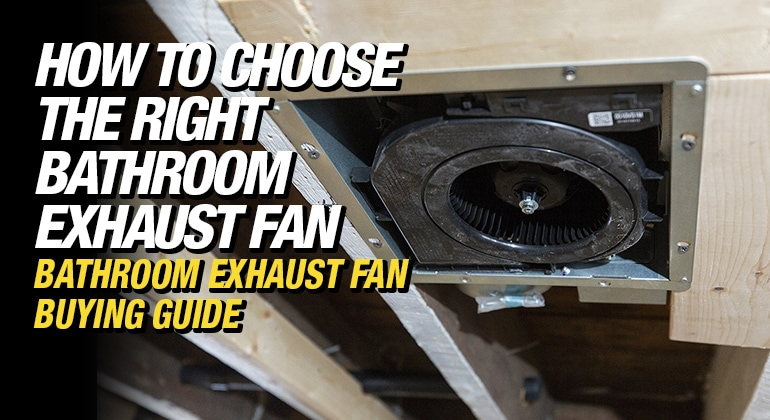
Dust bunnies love to clog up these vents over the months and years. When the blades and pathways get caked in grime, the fan cannot push air through to the outside world.
Grab a screwdriver and take off the cover. You will likely be shocked at what is hiding up there. A quick vacuum session can instantly bring your airflow back to life.
The Lingering Steam Mirror Test
Another great way to evaluate your system is the mirror test. Take a long, steamy shower and pay attention to how long the room stays foggy afterward.
In a healthy bathroom, the mirror should clear up pretty quickly after you turn off the water and flip the switch. If you walk back in twenty minutes later and the room still feels like a sauna, your fan is falling short.
Poor airflow means moisture is lingering where it should not be. That lingering dampness is an open invitation for mildew spores to grow behind your wallpaper.
Checking Where the Air Actually Goes
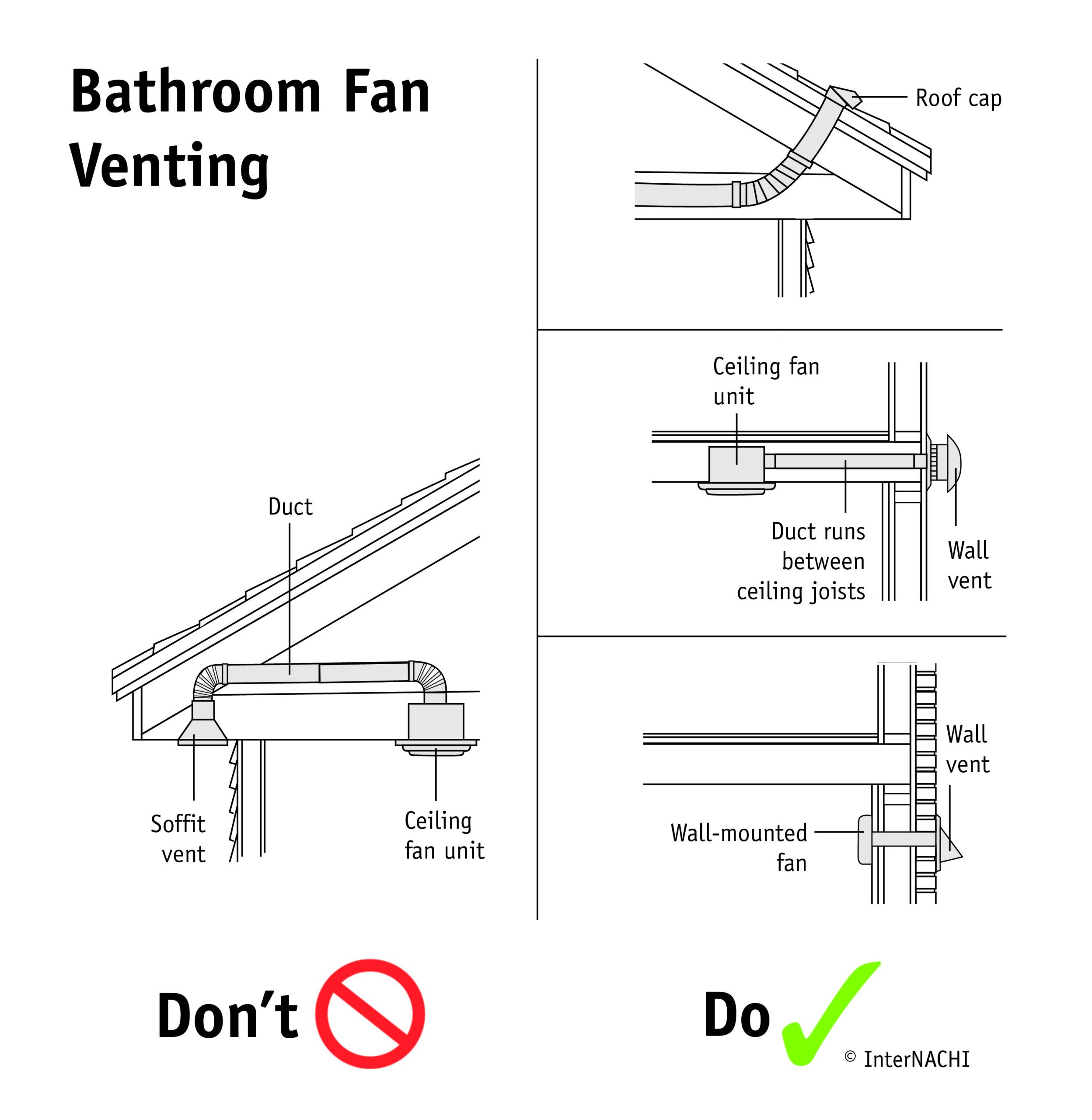
Sometimes the fan sucks air out of the room just fine, but it stops there. You need to make sure the duct connects all the way to the outside of your house.
If your ventilation pipe ends inside the attic instead of venting outdoors, you are just pumping wet bathroom air into your roof space. That creates a hidden disaster zone for rot and wood damage.
Take a flashlight up into your attic if you can safely access it. Make sure the flexible silver tube points straight out through a roof cap or wall vent.
Most minor airflow issues come down to simple maintenance. Regular cleaning fixes weak suction ninety percent of the time.
However, motors do wear out as they age. If your unit sounds like a lawnmower or vibrates violently against the ceiling, the internal bearings might be shot.
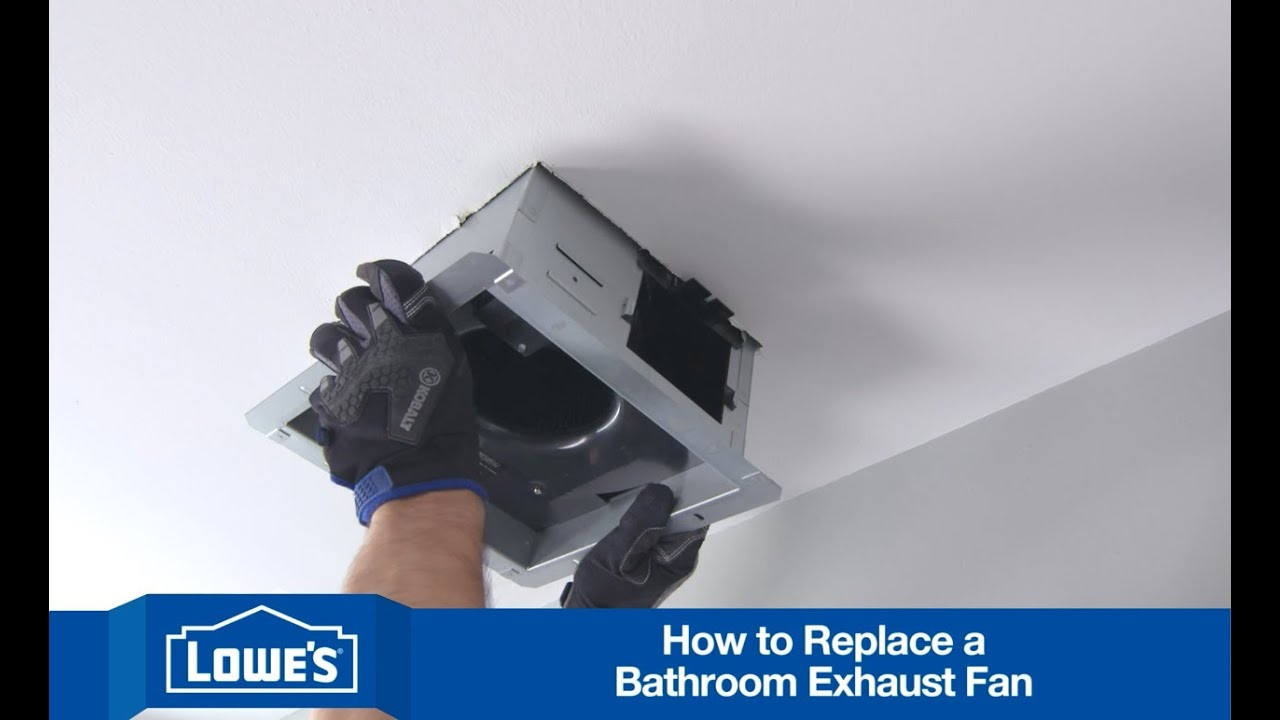
Swapping out an old assembly is usually a straightforward weekend project. A brand new fan runs quietly and protects your home investment for years to come.
Keeping your bathroom fresh does not have to feel like a chore. By taking two minutes to run a simple paper test today, you can catch minor issues before they turn into costly repairs.
Take a moment to check your vents this week. Your walls, your lungs, and your home will thank you for it.