Let’s be honest. Moving is rarely the fresh start we imagine it to be. It’s usually a whirlwind of cardboard boxes, lost tape dispensers, and that sinking feeling you forgot something important. Like, did you unplug the fridge? Did you forward the mail? Why is there a single sock in the kitchen sink? If you are planning a move in 2026, you are not alone in feeling overwhelmed. It is one of life’s most stressful events, right up there with changing jobs or having a baby. But it doesn’t have to be a disaster.
The secret isn’t working harder. It’s working smarter with a plan that actually fits into real life. Most checklists out there are rigid. They assume you have endless free time and zero other responsibilities. That’s not how 2026 looks for most of us. We need a flexible, decision-based approach. A guide that acknowledges you might be tired, busy, or just plain done with packing by week four. This article breaks down the ultimate timeline. It pulls from industry experts and real-world experiences to give you a roadmap that keeps your sanity intact. From the first box to the last pizza box in your new place, we’ve got you covered.
The Eight-Week Wake-Up Call
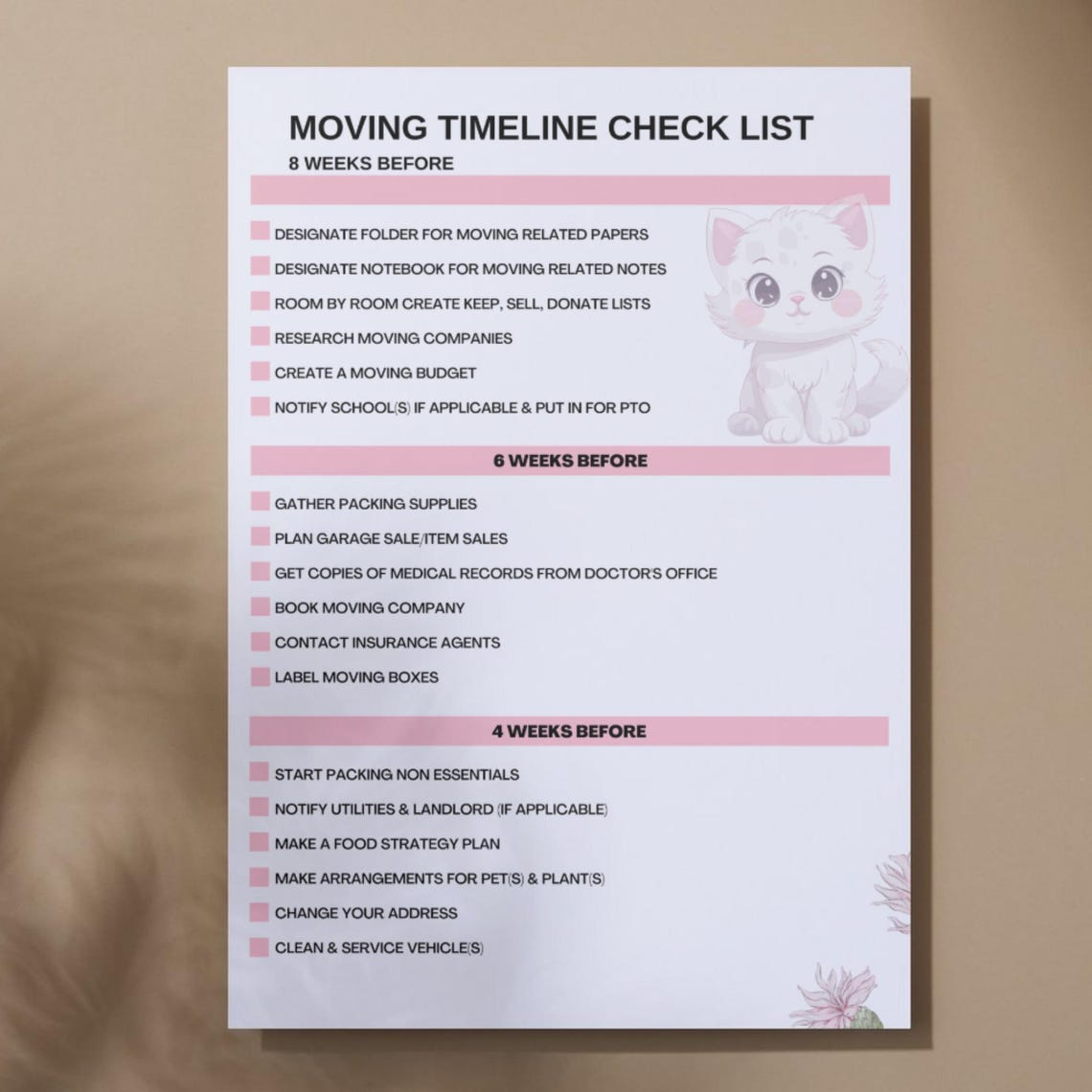
Eight weeks out might feel like forever. It’s not. This is the phase where you lay the groundwork. If you skip this, you pay for it later in stress and maybe even money. Start by decluttering. Seriously. Do not pack things you don’t want. Go room by room. Ask yourself: Have I used this in the last year? Does it bring me joy? If the answer is no, donate it, sell it, or trash it. Getting rid of stuff now means fewer boxes to lift later. It also saves on moving costs if you are hiring pros, since they often charge by weight or volume.
Next, get your quotes. In 2026, the moving industry is still fluctuating. Don’t just pick the first company you find on a search engine. Get at least three estimates. Look for licensed movers with good reviews. Beware of rogue movers who give low-ball estimates over the phone and then hike up the price on moving day. Ask for binding estimates. This locks in the price so there are no surprises. Also, start gathering supplies. You’ll need boxes, tape, bubble wrap, and markers. Don’t wait until the last minute. Scavenging for boxes at the grocery store two days before the move is a recipe for panic.
Finally, create a master folder. Digital or physical, it doesn’t matter. Keep all your moving documents here. Contracts, receipts, inventory lists, and contact info for utilities. This small step saves hours of digging through piles of paper when you are already stressed. Think of it as your command center. If you lose the contract, you know exactly where to look. It sounds simple, but in the chaos of moving, simple things get lost. Stay ahead of the curve here, and the rest of the process feels manageable.
The Six-Week Deep Dive
By six weeks out, the reality is setting in. This is when you tackle the administrative heavy lifting. Notify your landlord if you are renting, or start the closing process if you are buying. These timelines can slip, so keep communication open. Change your address with the post office. It’s easy to forget, and you don’t want important bills going to your old place. Update your address with banks, insurance companies, and subscription services too. A lot of people miss this step and end up dealing with missed payments or lost packages.
Start packing the non-essentials. Think about items you won’t need in the next month. Holiday decorations, off-season clothes, extra linens, and books you’ve already read. Label these boxes clearly. Use a color-coding system if it helps. For example, blue for bedroom, red for kitchen. Write the room name AND a brief list of contents on each box. "Kitchen – Pots and Pans" is much better than just "Kitchen." When you arrive at your new home, you’ll know exactly where everything goes without opening every single box.
Also, schedule your utility transfers. You want electricity, water, gas, and internet ready at your new place on day one. Nothing kills the vibe like sitting in the dark on your first night. Confirm dates with your providers. In 2026, many utilities allow you to do this online, which is a huge time saver. Double-check the shut-off date for your old place too. You don’t want to pay for power in an empty house. This phase is about logistics. It’s boring, sure, but it prevents major headaches later. Keep ticking those boxes off.
The Four-Week Crunch
Four weeks left. The clock is ticking louder now. This is when you start eating down your pantry. Stop buying groceries in bulk. Use up what you have. Freeze leftovers or cook meals that use up perishables. The goal is to have as little food as possible to move. It’s lighter, cheaper, and less messy. If you have a lot of food left, consider donating non-perishables to a local food bank. It’s a nice way to clear out and help others at the same time.
Begin packing room by room. Start with the rooms you use least. Guest bedrooms, formal dining rooms, or that spare office. Pack similar items together. Keep heavy items in small boxes and light items in large ones. Never put heavy books in a big box; it will break, and you will hurt your back. Use towels and socks to wrap fragile items. It saves money on bubble wrap and uses up items you need to pack anyway. Just remember to label them as fragile.
Take photos of your electronics setup. Before you unplug the TV, computer, or sound system, snap a picture of the back. Show where each cable goes. Trust me, you will forget. Trying to reconnect a tangle of wires in the dark is nobody’s idea of fun. Also, start defrosting your freezer if you have one. It takes time. If you wait until the last day, you’ll have a puddle of water and spoiled food. Plan ahead. Small steps like this make the final week much smoother.
The Two-Week Packing Phase
Two weeks out. This is the intense part. Most of your life should be in boxes now. Focus on the essentials. Pack the kitchen, bathrooms, and daily-use items. Leave out a "survival kit" for each family member. Include clothes, toiletries, medications, and chargers for the last few days and the first few nights in the new home. Keep these bags separate from the moving truck. You’ll thank yourself when you can shower and change clothes without digging through fifty boxes.
Confirm details with your movers. Reconfirm the date, time, and address. Give them specific instructions if needed. Like, "the piano needs to go up the stairs," or "parking is reserved on the street." If you are doing a DIY move, rent the truck early. Check the equipment. Make sure you have dollies, straps, and ramps. Practice lifting techniques. Protect your floors and walls in both homes. Use furniture pads or old blankets. Scratches are expensive to fix and annoying to see.
Dispose of hazardous materials. Movers won’t take propane tanks, paint, chemicals, or aerosols. Check local regulations for disposal. Don’t just throw them in the trash. It’s dangerous and illegal in many places. Take them to a designated drop-off site. Also, clean your old place as you empty rooms. It’s easier to clean an empty closet than one full of stuff. If you are renting, this helps ensure you get your security deposit back. Take photos of the clean, empty rooms as proof of condition.
The Final Countdown
One week to go. The house should be mostly bare. Finish packing the last few items. Label every box with its destination room. Strip the beds and pack the linens last, so you have them for sleeping until the very end. Disconnect appliances. Drain the washing machine hoses. Clean the fridge and oven. You want to leave the old place in good shape. It’s respectful to the next occupants and good for your own peace of mind.
Prepare your valuables. Jewelry, important documents, passports, and cash should stay with you. Not in the moving truck. Put them in a safe bag or box that you carry personally. Loss or damage to these items is devastating and often not fully covered by moving insurance. Keep a copy of your inventory list handy. Check off boxes as they are loaded and unloaded. This ensures nothing gets left behind or lost in transit.
Get cash for tips. If you are using movers, have small bills ready. Tipping is customary for good service. Also, have snacks and water available for the crew. It’s a nice gesture that keeps morale high. Plan your meals for moving day. Order takeout or pack a cooler. You won’t have time or energy to cook. Charge all your devices. Power banks are essential. You’ll be using your phone for coordination, maps, and photos. Keep it charged.
It’s finally here. Moving day. Stay calm. Direct the movers or your helpers. Point out which boxes go to which rooms. Use the labels you made. Keep the survival kit and valuables with you. Do a final walkthrough of the old house. Check closets, cabinets, under sinks, and behind doors. It’s easy to miss small items. Take meter readings for utilities. Hand over keys to the landlord or new owner. Lock up.
At the new place, supervise the unloading. Place boxes in the correct rooms. Don’t try to unpack everything at once. That’s a trap. Start with the basics. Set up beds first. You’ll be tired. Assemble the bathroom so you can shower. Hook up the kitchen essentials for coffee and simple meals. Unpack the rest over the next few weeks. There’s no rush. Your home doesn’t need to be perfect on day one.
Change the locks. You don’t know who has copies of the old keys. It’s a simple safety step. Register to vote at your new address. Update your driver’s license if required by your state. Explore your new neighborhood. Find the nearest grocery store, pharmacy, and hospital. Say hi to neighbors. Building community starts with small interactions. Take a breath. You did it. The hard part is over. Now, enjoy your new space.
Moving in 2026 doesn’t have to break you. With a solid plan, realistic expectations, and a bit of flexibility, you can navigate this transition smoothly. Remember, it’s okay if it’s not perfect. Boxes might get misplaced. You might order pizza three nights in a row. That’s fine. The goal is to get from point A to point B with your sanity intact. Use this checklist as a guide, not a rulebook. Adapt it to your needs. Prioritize what matters to you. And don’t forget to celebrate when you’re done. You’ve earned it.