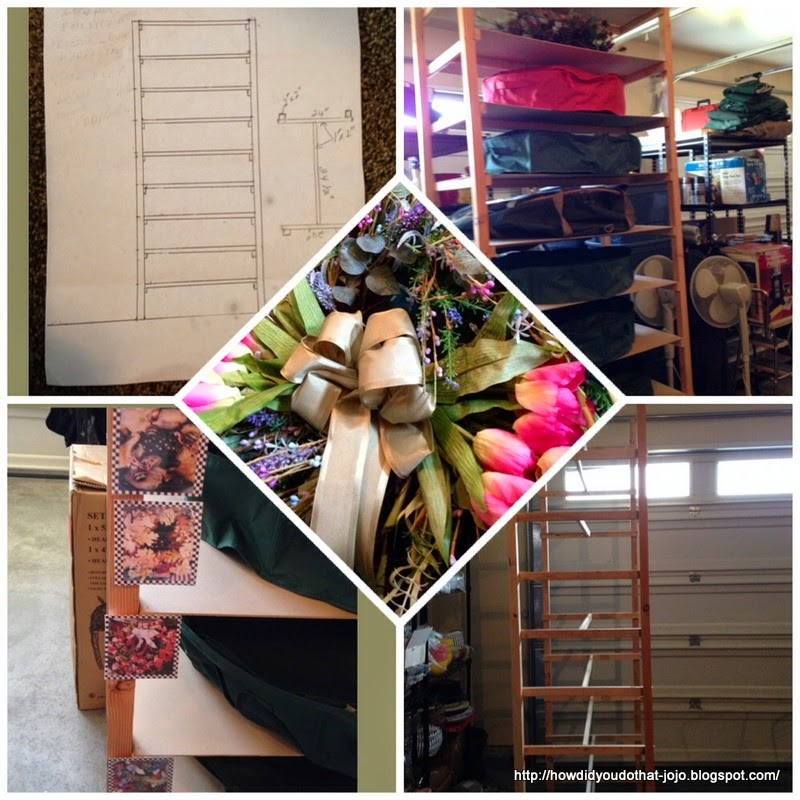
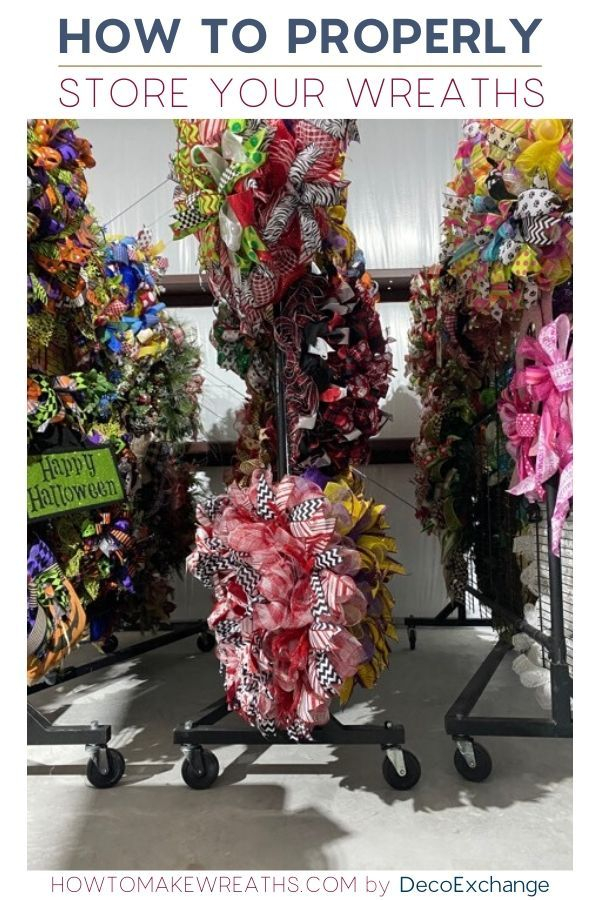
You know that feeling. It’s mid-November, you’re digging through the attic or the back of the garage, and you pull out last year’s Christmas wreath. You hold your breath. You unzip the bag or lift the lid. And there it is—squashed flat, branches bent at weird angles, maybe even a few broken twigs scattered at the bottom. It’s heartbreaking. You spent good money on that greenery, whether it was fresh, faux, or something in between. Now it looks like it went through a wringer.
We’ve all been there. The debate over how to store these circular beauties isn’t just about tidiness; it’s about preservation. Do you go with the lightweight, flexible soft-sided bags that seem to fit anywhere? Or do you invest in the rigid, bulky hard boxes that promise fortress-like protection? In 2026, the options are more varied than ever, but the core question remains the same: what actually keeps your wreath looking snazzy year after year?
Let’s cut through the marketing fluff. We aren’t here to sell you a specific brand. We are here to talk about physics, material science, and the reality of your storage space. Because the "best" container isn’t the most expensive one. It’s the one that fits your life. Whether you have a single 24-inch front door piece or a collection of fifteen oversized garlands, understanding the difference between fabric and plastic can save you time, money, and a whole lot of holiday stress.
The Case for Soft-Sided Bags: Flexibility and Breathability
Soft-sided storage bags have become incredibly popular, and for good reason. They are lightweight, easy to maneuver, and usually much cheaper than their hard-shell counterparts. Most of these bags are made from durable polyester or heavy-duty fabric, often with some padding built into the walls. This padding is key. It provides a cushion against minor bumps and helps maintain the wreath’s shape without adding significant weight. If you have a climate-controlled storage space, like a closet or an interior cupboard, these bags work wonders.
One of the biggest advantages here is breathability. Natural wreaths, or even high-quality faux ones with real wood elements, need to breathe. Trapping moisture inside a sealed plastic container can lead to mold or mildew, which is a disaster you don’t want to discover in December. Fabric bags allow air circulation, keeping your decor dry and fresh. Many modern designs also feature clear windows, so you can see exactly which wreath is inside without having to open every single bag. That’s a huge time saver when you’re decorating in a rush.
However, they aren’t perfect. The main drawback is protection against crushing. If you stack other boxes on top of a soft bag, even a padded one, the weight will eventually compress the wreath inside. They are best suited for hanging storage or for being placed on top of other items, never underneath. Also, check the zipper quality. A flimsy zipper is the weak point of any soft bag. If it breaks, your wreath is exposed to dust and pests. Look for reinforced stitching around the handles and zippers. A durable handle or strap is necessary if you plan to hang these in a garage or shed, as mentioned in recent reviews from BestReviews.
The Argument for Hard-Sided Boxes: Maximum Protection
If you are storing your decorations in a garage, basement, or attic where things might get stacked, shifted, or occasionally dropped, hard-sided boxes are the way to go. These containers are typically made from rigid plastic or sturdy cardboard with reinforced corners. They offer the most protection against physical damage. As noted by SourceFed, hard-sided plastic boxes prevent the "squish" factor entirely. Your wreath sits inside a structured environment that won’t collapse under pressure.
These boxes are also excellent for keeping out pests. Mice, spiders, and silverfish love to nest in cozy, dark places. A sealed hard plastic bin is much harder for them to penetrate than a fabric bag. Plus, they are waterproof. If your storage area is prone to leaks or high humidity, a hard box with a tight-sealing lid will keep your wreath dry. This is crucial for preventing warping in wooden frames or rusting in metal accents. For those with valuable or heirloom wreaths, this level of security is often worth the extra cost and bulk.
But let’s be real about the downsides. Hard boxes take up more space. They don’t compress when empty, so you need dedicated shelf or floor space for them year-round. They can also be heavier and more awkward to carry, especially if you have multiple large wreaths. And while they protect against crushing, they don’t always offer great ventilation. If you store a slightly damp wreath in a sealed plastic box, you’re creating a mini greenhouse for mold. Some newer models include ventilation holes, but you still need to ensure your wreath is completely dry before sealing it up. It’s a trade-off: maximum physical protection for less flexibility.
Material Matters: Polyester, PVC, and Plastic Quality
Not all bags are created equal, and not all boxes are bulletproof. When shopping in 2026, you’ll see a mix of materials. For soft bags, polyester is the standard. It’s durable, resistant to tearing, and usually water-resistant. However, some cheaper options use thin PVC or vinyl. These materials can crack over time, especially in cold storage areas like an unheated garage. PVC also tends to smell chemically, which can transfer to your wreath. Stick with high-denier polyester or canvas-like fabrics for longevity. Look for terms like "heavy-duty" or "reinforced," but don’t just take the label’s word for it. Check the thickness if possible.
For hard boxes, the type of plastic matters. Polypropylene is common and generally sturdy, but look for bins labeled as "impact-resistant." Clear plastic is nice for visibility, but it can become brittle and yellow over time if exposed to sunlight or extreme temperature fluctuations. Opaque, thick plastic tends to last longer. Cardboard boxes are an option too, often sold as eco-friendly alternatives. They are lightweight and recyclable, but they offer zero protection against moisture or pests. If you go the cardboard route, make sure it’s double-walled and store it in a dry, indoor location only.
The construction details are where the real quality shows up. In soft bags, look for double-stitched seams. Single stitching will rip under the weight of a heavy wreath. For hard boxes, check the lid mechanism. Snap-on lids are common, but latching lids provide a tighter seal. Hinges should be robust. If the hinge breaks, the lid becomes useless. Also, consider the interior. Some high-end boxes come with internal dividers or straps. These features help hold the wreath in place so it doesn’t slide around and get damaged during transport. As hhdesco points out, structural features like these are what separate a generic bin from a true storage solution.
Space and Storage Conditions: Where Will It Live?
Your storage environment dictates your choice more than anything else. Do you have a spacious, climate-controlled basement with plenty of shelving? A hard box might be overkill, and a soft bag could save you space. Do you have a cramped attic with limited headroom and fluctuating temperatures? A hard, stackable bin might be safer. If you live in an apartment with minimal storage, a hanging soft bag that fits in a closet door might be your only viable option. Think about where the container will sit for eleven months of the year.
Garage storage presents unique challenges. Temperatures can swing wildly from freezing in winter to sweltering in summer. Pests are more common. Moisture can accumulate. For garages, hard plastic bins with tight seals are generally recommended. They keep out the bugs and the damp. If you must use a soft bag in a garage, make sure it’s hung up off the concrete floor and away from walls where condensation might form. Use a durable strap or mounting hardware, as suggested by BestReviews, to keep it secure. Never leave a soft bag sitting on the garage floor where it could get wet or chewed on.
Indoor closets and cupboards are ideal for soft bags. The temperature is stable, and there’s no risk of pests or water damage. Here, the breathability of fabric is a huge plus. You can stack light items on top of flat-packed soft bags if necessary, but avoid heavy weights. If you have a dedicated storage room with shelves, hard boxes can be stacked neatly, maximizing vertical space. Just remember to label them clearly. There’s nothing worse than pulling down three heavy boxes just to find the wrong wreath. Clear bins solve this, but if you use opaque ones, invest in a good labeling system.
Handling and Usability: Zippers, Straps, and Handles
Let’s talk about the user experience. How easy is it to get the wreath in and out? Soft bags usually rely on zippers. A full-circle zipper is ideal because it allows the bag to open wide, making it easy to slide the wreath in without bending it. Half-zippers can be frustrating, requiring you to fold the wreath slightly to get it in, which defeats the purpose of careful storage. Check the zipper pull tabs. Large, easy-to-grip tabs are better, especially if you’re wearing gloves or dealing with cold hands.
Hard boxes often have hinged lids or separate tops. Hinged lids are convenient because you don’t have to find a place to set the lid down. Separate tops can be lost or misplaced, which is annoying. Look for boxes with built-in handles. Carrying a large, awkward box without handles is a recipe for dropping it. Some soft bags come with carrying handles too, which is helpful for transporting them from storage to the living room. If you plan to hang your storage, ensure the handles or loops are reinforced. A torn handle means your wreath ends up on the floor.
Interior features can make a big difference in usability. Many containers now come with internal straps, clips, or ties. These secure the wreath in place, preventing it from shifting during movement. This is particularly important for hard boxes, where a loose wreath can bounce around and get damaged. For soft bags, internal ties help keep the wreath centered and flat. Some advanced systems even have adjustable dividers, allowing you to store multiple smaller wreaths in one container. This is great for people with collections of seasonal decor, not just Christmas wreaths. Consider how you’ll use the container day-to-day, not just how it looks on the shelf.
Price is always a factor. Soft-sided bags are generally cheaper, ranging from $10 to $30 depending on size and quality. Hard boxes can cost anywhere from $20 to $60 or more. Is the extra cost worth it? It depends on the value of your wreaths. If you have a $200 handmade wreath, spending $40 on a protective hard box is a no-brainer. It’s insurance. If you have a $15 mass-produced wreath, a simple soft bag or even a repurposed garment bag might be sufficient. Think about the long-term value. A good storage container lasts for years, protecting your investment annually.
Durability plays a huge role in value. A cheap soft bag that rips after one season is a waste of money. A high-quality bag that lasts five years is a bargain. Similarly, a flimsy plastic bin that cracks in the cold is useless. Invest in quality materials. Look for warranties or guarantees from reputable brands. Sometimes, spending a bit more upfront saves you from replacing both the container and the damaged wreath later. Consider the cost of replacement. If a crushed wreath means buying a new one every two years, better storage pays for itself quickly.
Also, think about versatility. Can the container be used for other things? Some hard boxes are designed to store other holiday decor, like garlands or ornaments, with adjustable inserts. Soft bags might be usable for storing other circular items, like lamp shades or hats. Multi-use items offer better value. Don’t just look at the price tag. Look at the construction, the features, and how well it solves your specific storage problem. In 2026, with so many options available, you don’t have to settle for a mediocre solution. Find the one that fits your budget and your needs.
So, what’s the verdict? There is no single "best" option for everyone. Soft-sided bags are fantastic for climate-controlled spaces, offering breathability and ease of use. They are lightweight, affordable, and great for hanging storage. Hard boxes are the champions of protection, ideal for garages, attics, or anywhere your decor might face crushing weight, moisture, or pests. They are bulkier and pricier, but they offer peace of mind.
Assess your situation. Look at your storage space. Consider the value of your wreaths. Think about how much effort you want to put into handling them. Maybe you need a mix of both. Use hard boxes for your prized possessions in the garage and soft bags for your everyday decor in the closet. The goal is to keep your wreaths beautiful and ready to shine, year after year. Don’t let poor storage ruin your holiday spirit. Choose wisely, store carefully, and enjoy your decorations without the stress of repair or replacement. It’s a small step that makes a big difference in your holiday routine.