You know that feeling when you step outside in July, the heat hitting you like a physical wall, and you look at your front garden? Maybe it’s looking a bit sad. Brown edges on the leaves. Droopy stems. It feels personal, doesn’t it? Like the plants are judging your watering habits. Or maybe you’re just tired of dragging the hose out every single evening, watching the water bill climb while wondering if it’s even making a difference. We’ve all been there. The traditional lush green lawn is a thirsty beast, and frankly, in 2026, keeping one alive feels less like gardening and more like a part-time job we didn’t sign up for.
But here’s the secret nobody tells you early enough: you don’t have to choose between a beautiful home entrance and a sustainable lifestyle. You can have both. In fact, some of the most striking, architectural, and colorful gardens I’ve seen recently are the ones that barely drink any water at all. It’s not about giving up on beauty; it’s about swapping out the divas for the tough guys. The plants that shrug off heatwaves. The ones that look just as good in January as they do in June. Let’s talk about how to build a front yard that works for you, not against you.
Why Going Dry Doesn’t Mean Going Bare
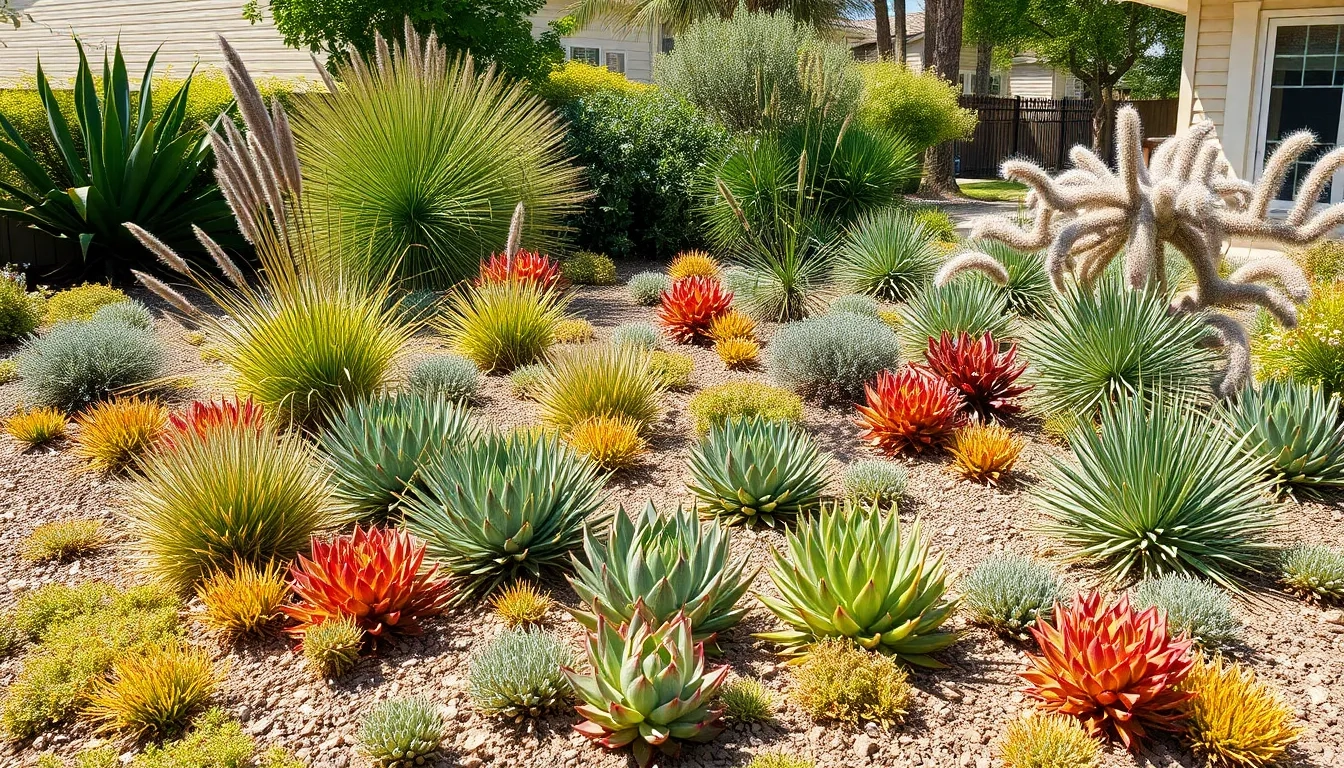
For a long time, "drought-tolerant" was code for "cactus and gravel." And sure, cacti are cool. But a front garden needs more than just spikes. It needs warmth. It needs texture. It needs to welcome people home. The shift in landscaping over the last few years has been massive. We aren’t just surviving dry spells anymore; we are designing for them. This approach, often called xeriscaping, isn’t about deprivation. It’s about working with nature instead of fighting it. When you pick plants native to your region or adapted to arid climates, you’re tapping into millions of years of evolutionary genius. These plants have figured out how to thrive with less.
Think about the roots. Most thirsty plants have shallow root systems that panic when the top inch of soil dries out. Drought-tolerant species? They go deep. They send roots down feet into the earth to find moisture that stays cool and available long after the surface has baked. This makes them incredibly resilient. Once they are established—and this is key, they need a little help at first—they become almost self-sufficient. You aren’t just saving water; you’re saving time. No more daily hose duty. No more guilt trips when you go on vacation. Your garden just keeps on ticking.
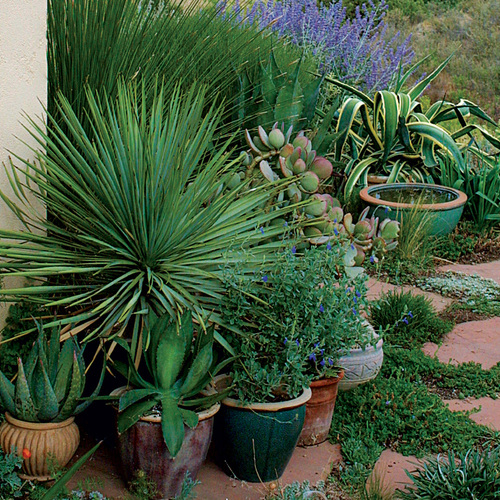
And let’s be real about the aesthetic. There is a unique beauty in these plants. The silvery sheen of lavender leaves reflecting the sun. The bold, sculptural lines of yucca against a blue sky. The way ornamental grasses catch the light in the late afternoon. It’s a different kind of pretty. It’s rugged and refined at the same time. In 2026, this look isn’t just practical; it’s trendy. It signals that you’re thoughtful about your environment. It adds a layer of sophistication to your curb appeal that a standard manicured lawn just can’t match. Plus, pollinators love these plants. Bees and butterflies are drawn to the hardy blooms, bringing life and movement to your static landscape.
The Backbone: Shrubs That Structure Your Space
Every great garden needs a skeleton. Without structure, a garden is just a collection of pretty things that might look messy by August. Shrubs provide that year-round framework. They are the furniture of your outdoor room. One of the absolute champions here is the Rosemary shrub. Not just the culinary kind, but the prostrate varieties that spill over walls or the upright ones that stand like sentinels. They stay green all year. They smell amazing when you brush past them. And they produce delicate blue flowers that bees go crazy for. It’s a sensory experience that costs you almost nothing in water once it’s settled in.
Then there’s the Rockrose, or Cistus. If you live in a Mediterranean-style climate or somewhere with hot, dry summers, this is your best friend. It looks a bit wild, with crinkly paper-like flowers in white, pink, or purple. It grows fast, covers ground quickly, and handles poor soil like a champ. The key with Rockrose is not to baby it. Don’t fertilize it heavily. Don’t overwater it. Let it struggle a little, and it will reward you with an explosion of blooms in late spring. It provides that crucial green backdrop during the winter months when everything else has died back, ensuring your front yard never looks barren.
Another structural hero is the Dwarf Olive tree. Okay, technically a small tree, but it functions like a large shrub in many front yards. It’s iconic. The silver-green foliage is stunning against brick or stucco homes. It’s evergreen, so you get that visual weight all winter long. While it does need a tiny bit more care than a cactus, it’s far less demanding than a maple or oak. Prune it lightly to keep its shape, and it becomes a living sculpture. Pair it with some lower-growing groundcovers, and you have an instant focal point that screams "curb appeal" without screaming "high maintenance." It’s elegant, timeless, and tough as nails.
Perennials That Punch Above Their Weight
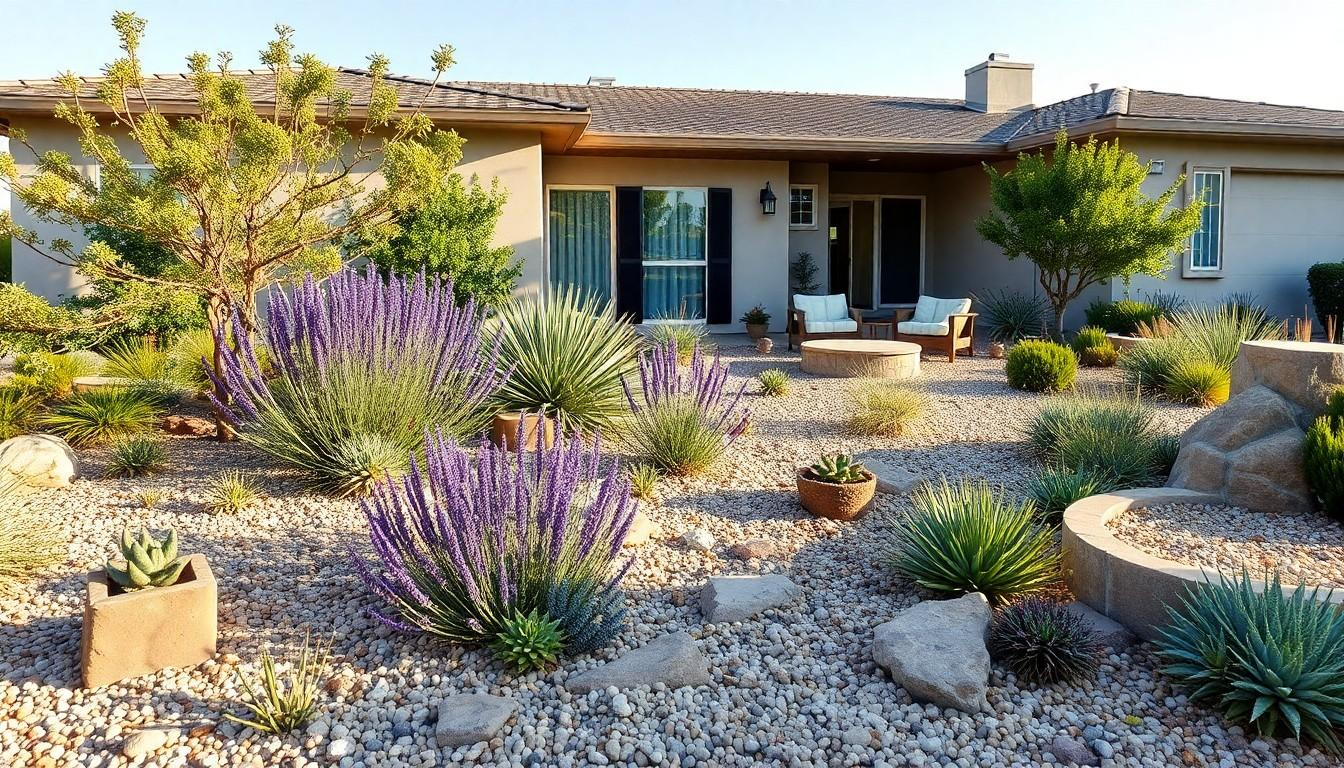
Shrubs give you structure, but perennials give you the party. They come back year after year, often spreading and getting better with age. The king of this category has to be Lavender. Specifically, English Lavender for cooler zones or Spanish/French Lavender for hotter areas. It’s not just about the scent, though that’s a huge bonus. It’s about the longevity. Lavender blooms for weeks, sometimes months, if you deadhead it. The gray-green foliage is attractive even when it’s not flowering. It hates wet feet, so if you have clay soil, mix in some gravel. It’s forgiving, fragrant, and frankly, it just makes a house feel like a home.
Sedum, or Stonecrop, is another heavy hitter. These succulents are virtually unkillable. The ‘Autumn Joy’ variety is a classic for a reason. It starts as bright green buds in summer, turns pink in late summer, and then rusts to a deep bronze in fall. It provides interest across three seasons. And in winter, the dried seed heads look fantastic covered in frost or snow. You can leave them standing for visual interest or cut them back in early spring. They attract butterflies in droves. Plus, you can propagate them easily. Snap off a piece, stick it in the ground, and boom—new plant. It’s the gift that keeps on giving.
Don’t sleep on Coneflowers (Echinacea) either. They are native to North America, which means they are built for our weather patterns. They have deep taproots that access water deep underground. The daisy-like flowers are cheerful and bright, coming in purples, oranges, yellows, and whites. They bloom from mid-summer into fall, bridging that gap when other plants start to fade. And the birds? They love the seed heads in winter. Leaving the spent flowers on the plant provides food for finches and adds a rustic, naturalistic touch to your winter garden. It’s functional beauty at its finest. You get color, wildlife support, and zero fuss.
Grasses That Move With the Breeze
Lawns are static. They sit there. They demand mowing, edging, and gallons of water. Ornamental grasses, on the other hand, dance. They add movement and sound to your garden. The rustle of grass blades in the wind is one of the most calming sounds in nature. Fountain Grass is a popular choice for good reason. It forms neat clumps with arching blades and fluffy seed heads that catch the light beautifully. It turns golden in the fall, providing warm tones when the rest of the garden is cooling down. It’s drought-tolerant once established and doesn’t spread aggressively, so it stays where you put it.
Blue Fescue is another option, especially for smaller spaces or border edging. It’s tiny, forming perfect little blue-gray mounds. It looks like a sea urchin made of hair. It’s incredibly tidy and requires almost no care. Just comb out the dead blades in spring with your fingers, and it’s good to go. It contrasts beautifully with broader-leaved plants like Sedum or Lavender. The texture difference is what makes a garden look professionally designed. You want smooth next to rough, fine next to broad. Blue Fescue provides that fine, delicate texture that softens hardscapes like driveways and walkways.
For a taller, more dramatic effect, try Switchgrass. Native to the prairies, it’s built for extremes. It can handle flooding and drought. It grows tall and airy, creating a see-through screen that doesn’t block views but adds privacy and depth. The cultivar ‘Northwind’ stands perfectly vertical, adding a modern, architectural line to your garden. In autumn, it turns a brilliant yellow-gold. It’s low maintenance, disease-resistant, and provides habitat for beneficial insects. Replacing a strip of lawn with a bed of Switchgrass reduces your mowing area and adds a dynamic, seasonal element that changes with the light. It’s lazy gardening that looks like high art.
Groundcovers That Carpet Without Thirst
Weeds hate competition. If you leave bare soil, weeds will move in. They are opportunists. The best defense against weeds in a dry garden is a thick layer of drought-tolerant groundcover. Creeping Thyme is a superstar here. It forms a dense mat that you can actually walk on. It releases a spicy scent when stepped on, which is a delightful surprise for guests approaching your front door. In early summer, it’s covered in tiny pink or purple flowers that attract bees. It handles foot traffic, heat, and neglect. It’s the perfect replacement for grass in narrow strips between sidewalks and driveways.
Ice Plant (Delosperma) is another vibrant option. It’s a succulent groundcover that spreads quickly. The flowers are neon-bright—pinks, oranges, purples—that seem to glow in the sunlight. It’s incredibly tough, thriving in rocky, poor soil where nothing else wants to grow. It’s evergreen in milder climates, providing color in winter when most other groundcovers go dormant. Just be careful not to plant it where water pools, as it will rot. It needs sharp drainage. But in the right spot, it’s a explosion of color that requires zero fertilizer and very little water. It’s basically solar-powered beauty.
For shadier spots or a softer look, consider Woolly Thyme or Silver Carpet. These have a fuzzy texture that looks cool to the touch. They reflect heat, helping to keep the soil around them cooler. This micro-climate effect can help neighboring plants survive better too. Groundcovers also prevent soil erosion, which is a big deal if your front yard has any slope. They hold the dirt in place with their dense root mats. By covering the soil, they also reduce evaporation, keeping moisture available for the plant roots. It’s a win-win-win situation: less weeding, less watering, and a lush, finished look.
Choosing the right plants is half the battle. How you put them together is the other half. The biggest mistake people make is planting drought-tolerant plants in thirsty soil habits. You have to change your mindset. Group plants with similar water needs together. This is called hydrozoning. Don’t put a fern next to a cactus. Keep the thirsty plants (if you have any) close to the house where you can easily water them by hand, and put the drought-lovers further out. This way, you aren’t wasting water on plants that don’t need it, and you aren’t drowning the ones that hate it.
Mulch is your best friend. Seriously. A two-to-three-inch layer of organic mulch, like wood chips or shredded bark, or inorganic mulch, like gravel or decomposed granite, makes a huge difference. It keeps the soil cool, reduces evaporation, and suppresses weeds. In a drought-tolerant garden, gravel often looks better and works well for succulents and Mediterranean plants. It reflects light and keeps the crown of the plant dry, preventing rot. Just make sure to keep the mulch away from the actual stem of the plant to allow air circulation. This simple step can cut your watering needs by half.
Finally, think about the soil before you plant. Most drought-tolerant plants prefer well-draining soil. If you have heavy clay, you need to amend it. Mix in compost and coarse sand or grit to break it up. Or, build raised beds. Good drainage is non-negotiable for many of these species. Wet roots in winter are often what kills drought-tolerant plants, not the summer heat. So, prep the site properly. Dig wide, not just deep. Give the roots room to spread out horizontally. And remember, patience is key. The first year is about establishment. Water deeply but infrequently to encourage those deep roots. After that, you can mostly step back and let nature do its thing.
So, where does this leave us? With a front yard that is not only beautiful but also responsible. A space that welcomes you home without demanding your every spare minute. By choosing plants like Lavender, Sedum, Rosemary, and ornamental grasses, you are building a landscape that is resilient. It can handle the heatwaves of 2026 and beyond. It supports local wildlife. It saves you money on water bills. And perhaps most importantly, it gives you peace of mind. You don’t have to worry about your garden dying when you’re busy with life.
Start small if you need to. Replace one patch of lawn with a bed of Creeping Thyme. Swap out a thirsty hydrangea for a Coneflower. See how it goes. You’ll likely find that you enjoy the process. There’s a satisfaction in growing things that are tough. It feels aligned with the times. We are learning to live with less waste, less excess, and more intention. Your front garden is a perfect place to start that journey. It’s the face of your home, after all. Make it a face that smiles back, rain or shine, without asking for much in return.