We’ve all been there. You walk into the bathroom, flip on the light, and there it is. That shadowy ring lurking just below the waterline. Or maybe it’s a strange pinkish smear creeping up the side of the bowl. It’s gross, sure, but it’s also kind of mysterious. Why does it keep coming back no matter how much you scrub? Why did that blue tablet thing make it worse?
It’s easy to feel defeated by porcelain. We treat the toilet like this monolithic enemy that we just have to battle with bleach until something gives. But here’s the secret nobody tells you: not all stains are created equal. In fact, treating a rust stain with bleach is like trying to put out a fire with gasoline. It doesn’t work, and it might even make things uglier.
Understanding what you’re looking at changes everything. Once you know if you’re dealing with minerals, bacteria, or old pipes, the solution becomes simple. Actually, it becomes easy. This isn’t about buying the most expensive cleaner on the shelf. It’s about using the right chemistry for the job. Let’s break down the mystery, color by color, so you can get back to having a bathroom that actually feels clean.
The Dreaded Brown Ring: Hard Water and Mineral Buildup
If you see a rough, crusty ring that ranges from light tan to dark brown, you’re likely dealing with hard water. This is super common, especially if you live in an area with high mineral content in your tap water. Those minerals—mostly calcium and magnesium—don’t just disappear when you flush. They settle. Over time, they build up layer by layer, creating a scale that feels like sandpaper to the touch.
The mistake most people make here is scrubbing harder. You can scrub until your arm falls off, but if that mineral bond is strong, you won’t budge it. You need acid. Not the scary kind, but the cleaning kind. White vinegar is your best friend here. It’s cheap, it’s safe, and it dissolves calcium like magic. Pour a cup or two of white vinegar into the bowl, making sure it covers the stain. Let it sit. Ideally, overnight. If you’re in a rush, at least give it an hour.
After the soak, take a pumice stone. Yes, the same kind you use on your heels. Wet the stone and gently rub the ring. The combination of the softened minerals from the vinegar and the gentle abrasion of the stone will lift the deposit without scratching the porcelain. Just keep the stone wet; if it dries out, it can scratch. For really stubborn cases in 2026, there are also citric acid-based powders that work wonders if you want something stronger than vinegar but still non-toxic.
The Orange-Red Nightmare: Rust Stains
Sometimes that ring isn’t brown—it’s orange. Or reddish-brown. And it looks less like crust and more like a dye has been spilled. This is rust. It usually comes from two places: either your water pipes are corroding (common in older homes built before the 90s), or there’s a high iron content in your well water. Unlike hard water stains, rust is metallic. It bonds differently to the surface.
Here’s the critical part: do not use bleach. Bleach contains chlorine, which reacts with iron to create iron oxide. Basically, bleach sets rust stains. It makes them permanent. If you’ve been bleaching a rust stain and wondering why it gets darker, now you know. Instead, you need a reducing agent. Look for cleaners that list oxalic acid or hydrochloric acid as ingredients. These chemicals break the bond between the iron and the porcelain.
For a DIY approach, cream of tartar mixed with hydrogen peroxide creates a paste that works surprisingly well on fresh rust spots. Apply the paste, let it sit for thirty minutes, and scrub. If the stain is deep, you might need a commercial rust remover specifically designed for bathrooms. Brands have gotten better at formulating these so they don’t smell like a chemical factory, but always wear gloves. Ventilation is key too. Open a window. Your lungs will thank you.
The Pink Slime: It’s Not What You Think
That pinkish-red film that shows up around the water line or on the sides of the bowl? It’s not a stain in the traditional sense. It’s alive. It’s a bacterium called Serratia marcescens. It loves moisture and feeds on soap scum and body oils that get flushed down. It’s airborne, too, which means it can settle in your shower and sink, not just the toilet. Seeing it means your bathroom has a bit of a humidity problem or isn’t being cleaned frequently enough to stop bacterial colonization.
Since it’s biological, you need a disinfectant, not just a cleaner. Bleach actually works well here, unlike with rust. A standard toilet bowl cleaner with bleach will kill the bacteria. But if you want to avoid harsh chemicals, white vinegar again does the trick, though you might need to scrub a bit more vigorously. The key with pink slime is prevention. It grows fast. If you see it, kill it immediately. Don’t let it establish a foothold.
Also, check your air circulation. If your bathroom stays damp for hours after a shower, that bacteria thrives. Run the exhaust fan for at least twenty minutes after bathing. Wipe down wet surfaces. By reducing the moisture, you starve the little guys. It’s a hygiene issue, not just a cosmetic one. Some studies in recent years have linked persistent Serratia growth to potential respiratory irritations for people with allergies, so keeping it under control is worth the effort.
The Black Spots: Mold and Mildew
Black stains are usually mold or mildew. They tend to appear under the rim or in the tiny holes where the water jets out. These areas stay wet constantly and don’t get much sunlight, making them the perfect nursery for fungal growth. If you have black specks that look fuzzy or slimy, it’s almost certainly mold. This is more common in bathrooms with poor ventilation or leaks.
To tackle this, you need to get into those crevices. A regular toilet brush often misses the jet holes. Use an old toothbrush or a specialized cleaning wand with a angled head. Dip it in a bleach solution or a dedicated mold-killing cleaner. Scrub inside each jet hole. It’s tedious, I know. But if you don’t clear the source, the mold will just drip back down into the bowl every time you flush.
For a natural alternative, tea tree oil is a powerful fungicide. Mix a teaspoon of tea tree oil with a cup of water and spray it under the rim. Let it sit. It smells strong, but it works. If the black stains are on the outside of the toilet base, check for leaks. Sometimes water seeps out from the wax ring seal, creating a damp environment for mold to grow on the floor bolts. If that’s the case, cleaning won’t fix it—you’ll need to reseal the toilet.
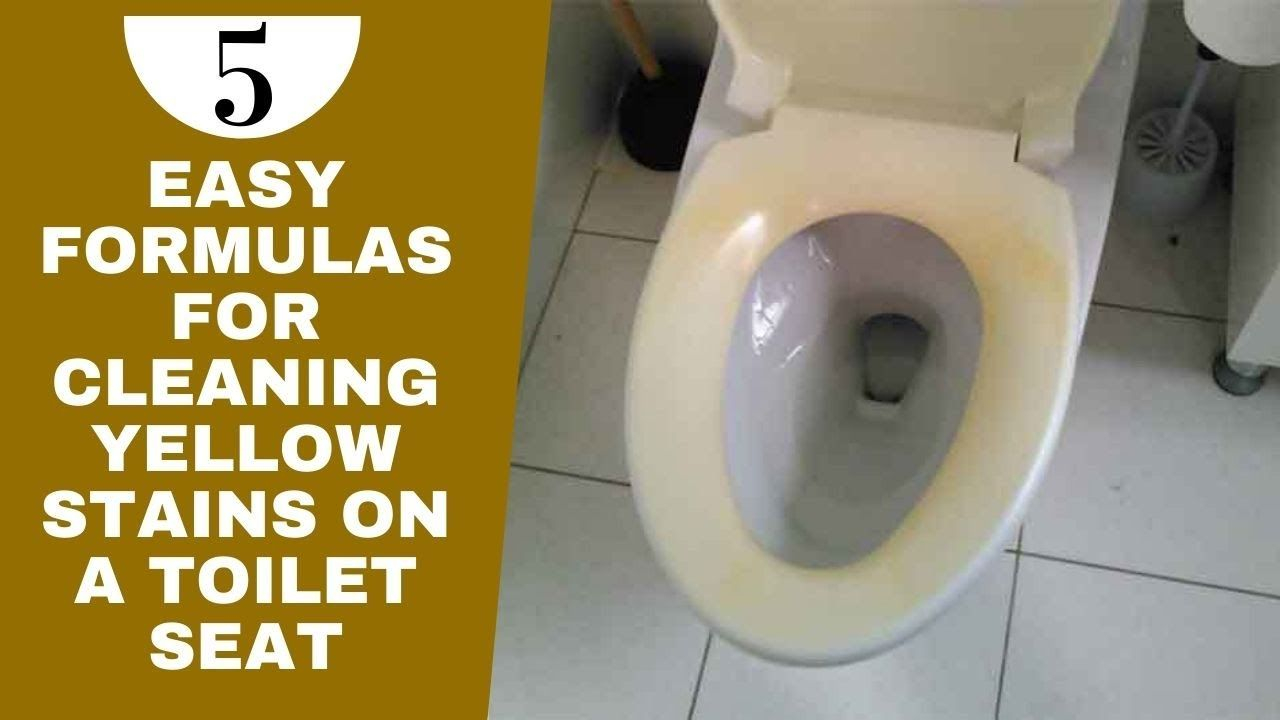
The Yellow Film: Uric Acid and Bacteria
Yellow stains are often a result of uric acid buildup. This happens when urine sits in the bowl for too long, or if the toilet isn’t flushed completely. It’s common in households with kids who might miss the mark, or in guest bathrooms that don’t get used often. The yellow color comes from the breakdown of urea. It can also be exacerbated by hard water, creating a yellowish-mineral hybrid stain.
Enzymatic cleaners are the gold standard for uric acid. These cleaners contain bacteria or enzymes that literally eat the organic matter causing the stain. They’re great because they don’t rely on harsh acids or bleaches. You pour them in, let them work for a few hours (or overnight), and flush. They’re also excellent for removing odors, since they destroy the source of the smell rather than masking it.
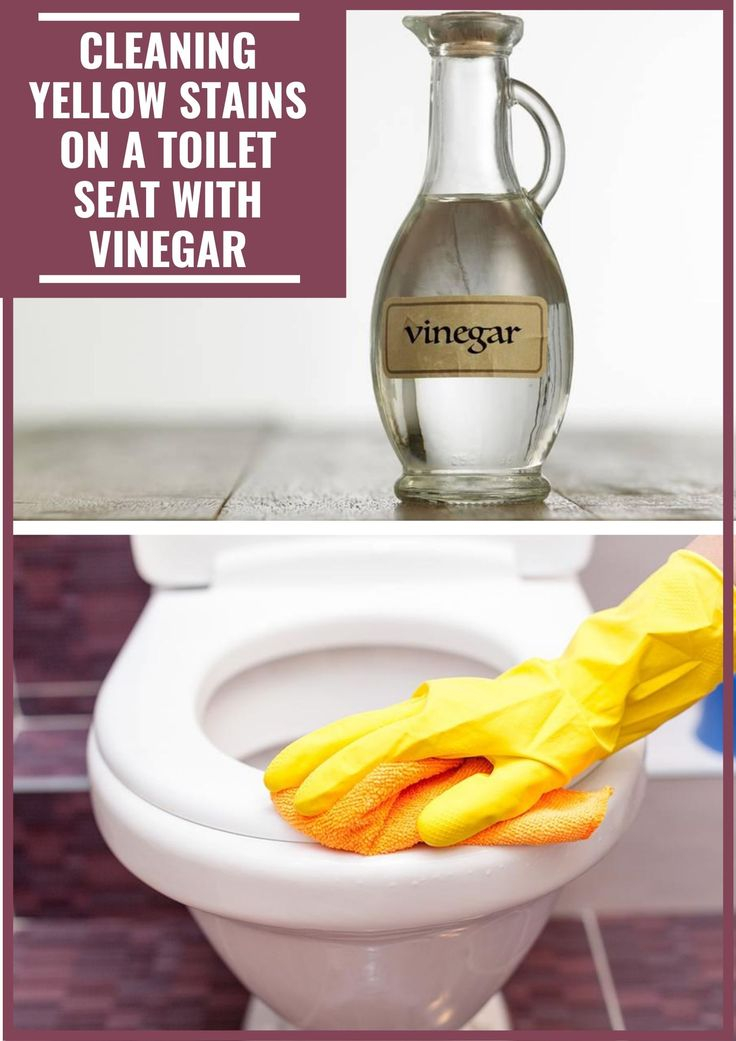
If you don’t have an enzymatic cleaner on hand, baking soda and vinegar can help. Sprinkle baking soda around the bowl, then add vinegar. The fizzing action helps lift the stain, and the acidity breaks down the uric acid. Let it bubble for ten minutes, then scrub. For prevention, encourage regular flushing and consider a daily drop-in tank tablet that uses enzymes, though be careful with some tablets as they can damage rubber seals over time. Check the label in 2026 models, as many newer tablets are seal-safe.
The Blue or Green Tint: Copper Corrosion
This one is rare, but when you see it, it’s striking. A blue or greenish tint on the porcelain usually indicates copper corrosion. This happens if you have copper piping and the water is slightly acidic. The acid eats away at the copper, releasing ions into the water that stain the bowl. It’s similar to the green patina you see on old statues. It’s not dangerous in small amounts, but it signals that your water chemistry might be off.
Treating this requires neutralizing the acidity. A standard alkaline cleaner can help remove the surface stain, but it won’t stop it from coming back. You might need to install a water neutralizer filter for your whole house if the pH is consistently low. For the stain itself, a mild abrasive cleaner like Comet or Bar Keepers Friend works well. The fine particles polish away the copper deposit without damaging the glaze.
If you notice this stain, it’s worth getting your water tested. Many local health departments or water utility companies offer free or cheap testing kits. Knowing your water’s pH and mineral content can save you from endless cleaning battles. It’s a proactive step. Plus, acidic water can corrode other appliances like your water heater or dishwasher, so fixing the root cause protects your wallet in the long run.
So you’ve scrubbed, soaked, and conquered. Now what? The goal isn’t to clean your toilet every day—that’s unsustainable. The goal is to make cleaning easier by preventing heavy buildup. Start with a weekly maintenance routine. A quick swish with a toilet brush and a splash of cleaner takes two minutes. Doing this weekly prevents stains from bonding deeply. It’s way easier to wipe away a fresh film than to chisel off a month-old ring.
Consider your tools. A good quality toilet brush with stiff bristles makes a huge difference. Replace it every six months. Seriously. They harbor bacteria and get gross. There are also disposable wand systems now that use pre-loaded cleaning heads. They’re hygienic and convenient, though a bit more wasteful. If you’re eco-conscious, stick with a traditional brush and sanitize it regularly by soaking it in bleach or vinegar.
Finally, look at your tank. Sometimes the problem starts there. If your flapper is leaking, water is constantly running, which can concentrate minerals and leave stains. Check for silent leaks by putting a few drops of food coloring in the tank. If color appears in the bowl without flushing, you have a leak. Fixing it saves water and keeps your bowl cleaner. It’s the little things. A well-maintained toilet is a happy toilet. And honestly, a clean bathroom just feels better. It’s a small victory in your day, but it counts.