We all do it. You’re rushing to get the sheets on, maybe you’re late for work or just tired after a long week, and you grab the vacuum hose. You give the headboard a swift once-over, maybe hit the footboard if you’re feeling thorough, and call it a day. It looks clean. It smells fine, mostly. But here’s the thing: that quick swipe is doing almost nothing for the actual health of your bed. In fact, it might be giving you a false sense of security while dust mites, body oils, and bacteria throw a party in the padding beneath the fabric.
Think about it. You spend roughly eight hours a night pressed against that frame. Your skin sheds cells, you sweat (even if you don’t feel like it), and hair products transfer onto the fabric. Over time, this buildup isn’t just unsightly; it’s a breeding ground for allergens. Recent reports from cleaning experts in 2026 highlight that upholstered beds are often overlooked hotspots for gross bacteria, far worse than what we typically find on our mattresses. If you’ve been relying on a five-minute vacuum session to keep your bedroom sanctuary fresh, it’s time to rethink your strategy.
The Invisible Problem Beneath the Fabric
When we look at an upholstered bed, we see style. We see comfort. We see a cozy centerpiece for the room. But we don’t see the microscopic chaos happening within the fibers. Unlike wood or metal frames, which can be wiped down with a damp cloth, fabric acts like a sponge. It absorbs moisture, oils, and particulate matter deep into its weave. A standard vacuum cleaner, especially with a hard floor attachment, only skims the surface. It picks up the visible lint and maybe some loose dust, but it leaves behind the sticky residue that binds dirt to the fabric.
This residue is exactly what dust mites love. These tiny creatures feed on dead skin cells, and an upholstered headboard is basically an all-you-can-eat buffet for them. As they multiply, their waste products accumulate, becoming a primary trigger for allergies and asthma. HouseBeautiful recently pointed out that these frames can harbor significant amounts of bacteria if not properly maintained. It’s not just about aesthetics; it’s about air quality. Every time you lean back to read or rest your head, you’re stirring up these particles, breathing them in throughout the night.
The problem compounds over time. Without deeper intervention, the fabric begins to break down. The oils from your hair and skin can degrade the fibers, causing them to become brittle or discolored. This isn’t just a hygiene issue; it’s a structural one. Neglect accelerates wear and tear, meaning that beautiful velvet or linen headboard you bought might look dingy and feel rough within a couple of years, long before its time. Consistent, low-effort maintenance is key to preventing this breakdown, but "low effort" doesn’t mean "superficial."
Decoding the Care Tag: Your First Step
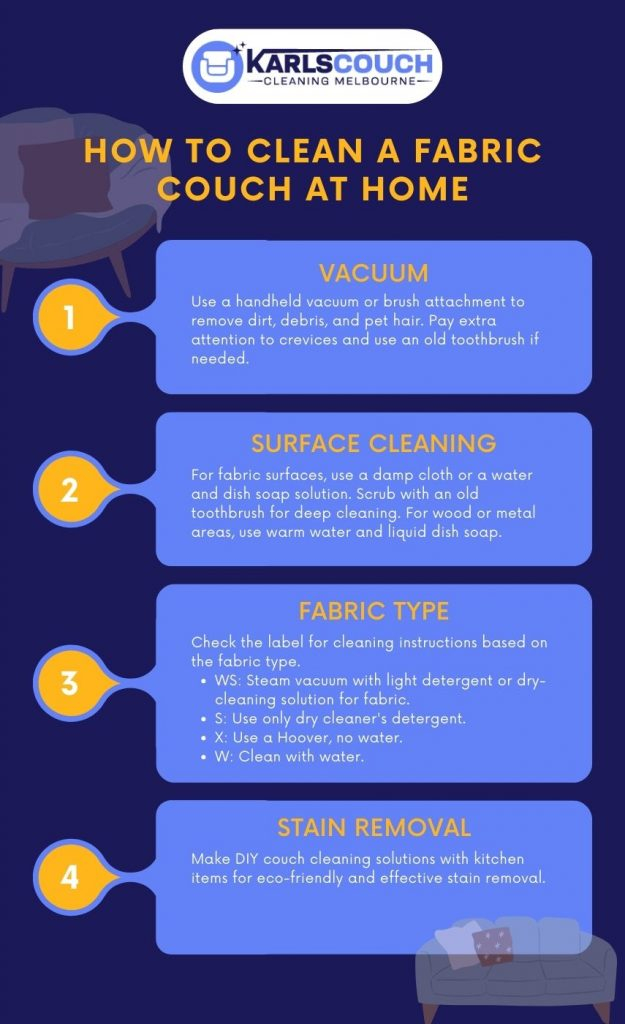
Before you reach for any spray or solution, you need to know what your bed is made of. Not all fabrics are created equal, and using the wrong cleaner can ruin your frame faster than dirt ever could. Every upholstered piece comes with a care tag, usually tucked somewhere discreet on the frame or under the padding. These tags use a universal coding system that tells you exactly how to clean the material safely. Ignoring this step is the most common mistake people make.
The codes are simple but critical. A "W" means you can use water-based cleaners. This is great news for most synthetic blends and cottons, as it allows for gentle soap solutions. An "S" code means you must use dry solvents only. Water will leave rings or shrink the fabric, so you’ll need specific upholstery cleaners that evaporate quickly without soaking in. If you see an "X," put the chemicals away. Vacuuming is your only option for these materials, which are often delicate or prone to water damage. Some tags might show "WS," meaning you can use either water or solvent-based cleaners, giving you more flexibility.
In 2026, many manufacturers are also including QR codes on tags that link to digital care guides. If the tag is faded or missing, check the manufacturer’s website or reach out to their customer support. Guessing is risky. For example, using a water-based foam on a silk-blend headboard (which usually requires dry cleaning) can cause permanent water spots that no amount of scrubbing will fix. Taking two minutes to identify your fabric type saves you from costly repairs or replacements later. It’s the foundation of any good cleaning routine.
The Weekly Routine: Beyond the Surface
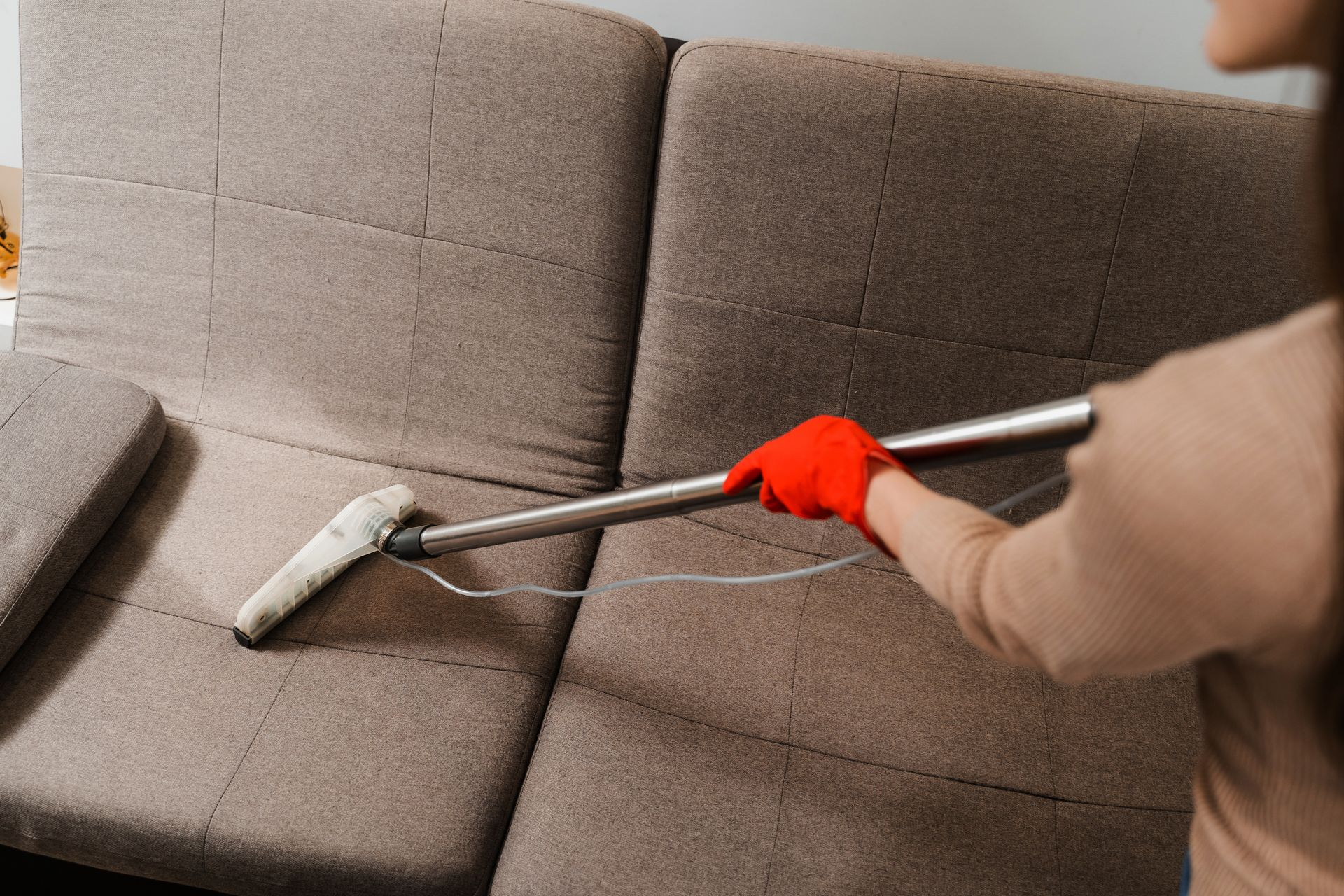
So, how do you actually clean it? Let’s start with the weekly habit, because consistency beats intensity every time. You should be vacuuming your upholstered bed frame once a week, but you need to do it right. Swap out that hard floor brush for a soft bristle attachment. This gentle tool agitates the fibers just enough to loosen embedded dust without damaging the weave. Go slowly. Don’t just glide over the top; press lightly and move in overlapping strokes, working from the top of the headboard down to the footboard.
Pay special attention to the crevices. Tufted buttons, piping, and seams are trap zones for debris. Use the narrow crevice tool on your vacuum to get into these tight spaces. This is where dust bunnies hide and where spider webs might form if the bed is against a wall. If you have pets, this step is even more crucial. Pet dander is lightweight and sticks to fabric easily. A weekly vacuuming session helps keep pet allergens under control, making your bedroom a safer space for everyone, especially if you suffer from seasonal allergies.
For those who want an extra layer of freshness between deep cleans, consider using a lint roller or a fabric refresher spray designed for upholstery. However, be cautious with sprays. Many contain heavy perfumes that can irritate sensitive noses or leave a sticky residue that attracts more dirt. A simple mix of water and a tiny drop of mild dish soap in a spray bottle can work wonders for a quick refresh, provided your fabric code allows water. Always test a small, hidden area first. The goal here is maintenance, not a full wash. You’re keeping the surface load light so that dirt doesn’t have a chance to settle in deep.
Tackling Stains: The Blot, Don’t Rub Rule
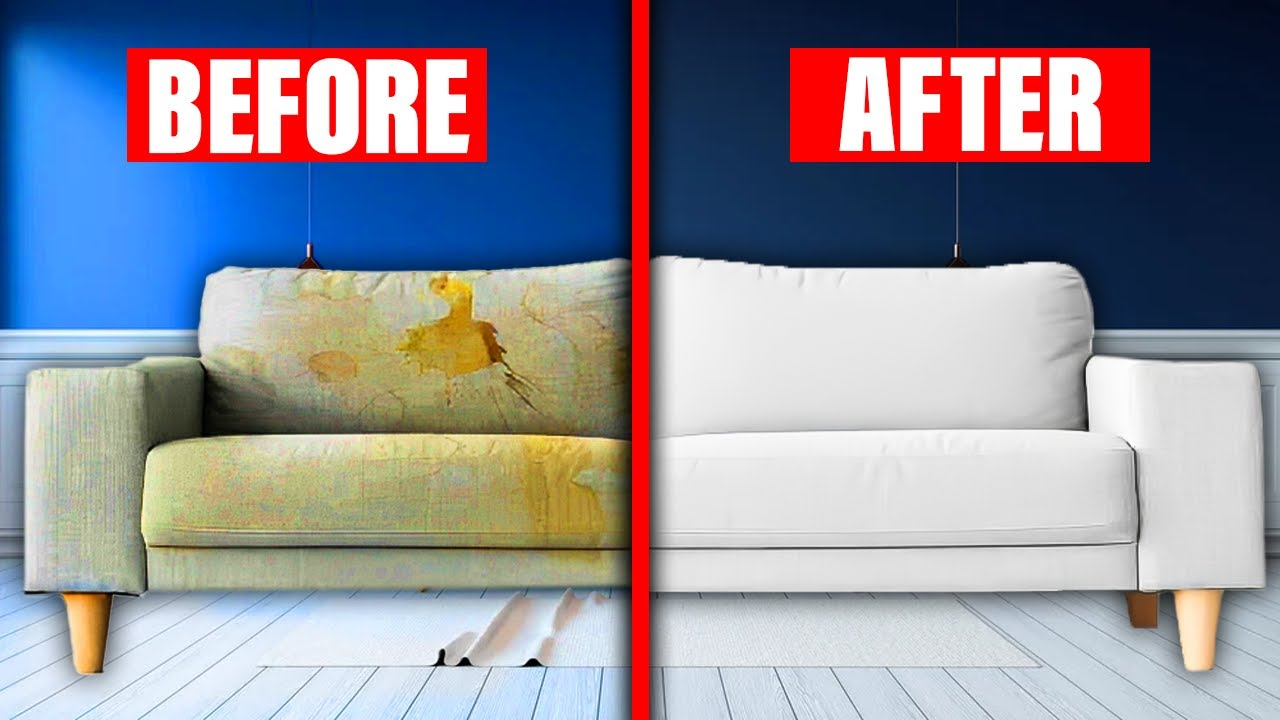
Accidents happen. Maybe you spilled your morning coffee while reading in bed, or perhaps a bit of toothpaste dripped onto the headboard. The instinct is to scrub it away immediately. Stop. Do not rub. Rubbing pushes the stain deeper into the padding and spreads it across a wider area. It also damages the fibers, causing them to fray or pill. Instead, you need to blot. Grab a clean, white cloth—white is important so dye doesn’t transfer—and gently press down on the stain to absorb the liquid.
Timing is everything. The sooner you address a spill, the better your chances of removing it completely. For water-safe fabrics (code W), mix a small amount of mild detergent with warm water. Dampen your cloth with the solution, not soak it, and blot the stain from the outside in. This prevents the stain from spreading outward. Rinse by blotting with a cloth dampened with plain water to remove any soap residue, then dry thoroughly with a towel. For solvent-only fabrics (code S), you’ll need a dry-cleaning solvent. Apply it to a cloth, not directly to the fabric, and blot gently.
Some stains are tougher than others. Oil-based stains, like makeup or lotion, require a different approach. You might need a specialized upholstery cleaner designed to break down grease. Always follow the product instructions carefully. If a stain persists after your best efforts, don’t keep attacking it. You risk creating a wet spot that leads to mold or mildew inside the padding. At that point, it’s better to call in a professional upholstery cleaner who has the tools to extract deep moisture and treat stubborn spots without damaging the structure.
The Deep Clean: Seasonal Refresh
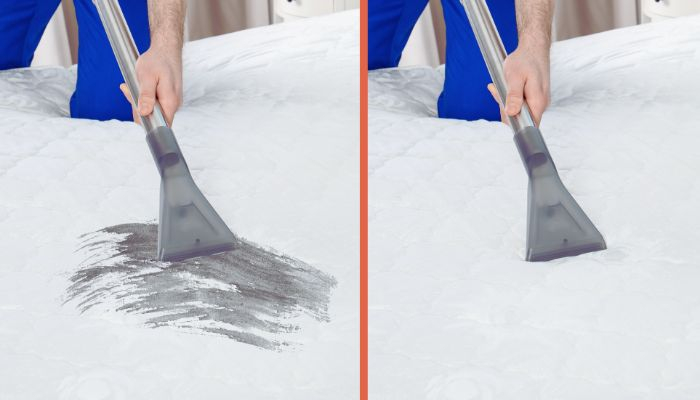
Even with perfect weekly maintenance, your bed frame needs a deep clean every three to six months. This is where you tackle the accumulated grime that vacuuming misses. Think of it like brushing your teeth versus going to the dentist. Daily brushing keeps things tidy, but you still need that professional scaling to remove tartar. For your bed, this means using a steam cleaner or an upholstery extraction machine, depending on your fabric type. Steam cleaning is highly effective for killing bacteria and dust mites, but it introduces moisture, so it’s only suitable for fabrics that can handle water and dry quickly.
If you don’t own an upholstery cleaner, you can rent one or hire a service. Many professional cleaners in 2026 offer eco-friendly options that use less water and non-toxic solutions, which is great for indoor air quality. If you’re doing it yourself, ensure the room is well-ventilated. Open windows and use fans to speed up drying time. The last thing you want is a damp headboard sitting in a humid room, as this creates the perfect environment for mold growth. It can take anywhere from 4 to 12 hours for the fabric to dry completely, so plan accordingly.
During this deep clean, inspect the frame for any signs of wear. Are there loose threads? Is the padding shifting? Now is the time to address minor repairs before they become major issues. You might also want to rotate any removable cushions if your bed has them, ensuring even wear. This seasonal ritual not only keeps your bed looking pristine but also extends its lifespan significantly. It’s an investment in your home’s longevity and your personal health. Plus, there’s something deeply satisfying about sinking into a bed that smells truly fresh, not just masked by laundry detergent.
Cleaning is only half the battle. Protection is the other half. To keep your upholstered bed frame in top shape, you need to minimize the factors that cause damage in the first place. Sunlight is a major enemy of fabric. UV rays can fade colors and weaken fibers over time, leading to premature aging. If your bed is positioned near a window, consider using sheer curtains or blinds to filter the light during the brightest parts of the day. This simple step can preserve the vibrancy of your fabric for years.
Another protective measure is managing humidity. Extreme dryness can make fabrics brittle, while high humidity encourages mold and mildew. Aim for a balanced indoor humidity level, ideally between 30% and 50%. Using a humidifier or dehumidifier as needed can help maintain this balance. Additionally, be mindful of what touches your bed. Avoid sitting on the edges of the frame with dirty clothes or shoes, and try to keep hair products from transferring onto the headboard by tying your hair back or using a pillow barrier when applying lotions or sprays.
Finally, consider using a fabric protector spray after a deep clean. These sprays create an invisible barrier that repels liquids and stains, giving you more time to react if a spill occurs. Make sure the protector is compatible with your fabric type and test it in an inconspicuous area first. By combining regular cleaning with these protective habits, you’re not just maintaining a piece of furniture; you’re caring for a central part of your daily life. Your bed should be a place of rest and rejuvenation, not a source of hidden stress or allergens. With a little attention, it can stay beautiful and hygienic for a long time.
Taking care of an upholstered bed frame doesn’t have to be a chore. It’s about building small, manageable habits that add up to big results. You don’t need to spend hours scrubbing every weekend. A quick weekly vacuum with the right attachment, immediate attention to spills, and a seasonal deep clean are all it takes. By understanding the unique needs of your fabric and respecting the invisible world of microbes living within it, you create a healthier, more comfortable sleeping environment.
It’s easy to overlook the bed frame because it’s static, unlike the sheets we change weekly. But it’s constantly interacting with our bodies, absorbing our presence. Treating it with the same care we give our mattresses or pillows makes sense. After all, we spend a third of our lives in bed. Doesn’t that space deserve to be as clean and inviting as possible? So, next time you’re tidying up, don’t just glance at the headboard. Give it the attention it needs. Your lungs, your skin, and your future self will thank you.