You’re standing in your backyard, squinting at the patchy brown spots where the dog likes to dig. Or maybe you’re just tired. Tired of the Saturday morning ritual that involves pushing a loud machine back and forth while the neighbors judge your edging skills. It’s a familiar scene. We all want that lush, green carpet under our feet. But here is the thing that keeps us up at night: the price tag.
Natural sod looks so cheap on paper. You roll it out, water it, and boom—you have a lawn. Artificial grass? That feels like buying a used car. The sticker shock is real. But what if the cheap option is actually the expensive one in disguise? What if that "savings" from buying sod is just a loan you take out from your future self, payable in weekends lost to mowing and water bills that make you cry?
Let’s cut through the marketing fluff. This isn’t about selling you plastic blades. It’s about looking at the math, the sweat equity, and the actual lifestyle impact. In 2026, with water prices climbing and labor costs skyrocketing, the conversation has shifted. It’s not just about green vs. green. It’s about freedom vs. chore. Let’s dive into whether that hefty investment in turf is actually a steal in disguise.
The Sticker Shock: Upfront Costs Explained
Let’s rip the band-aid off first. If you only look at installation day, natural sod wins. Hands down. Installing sod typically runs between $1 and $3 per square foot. For a standard 1,000-square-foot yard, you’re looking at maybe $1,000 to $3,000. It’s manageable. You can budget for that. It feels like a normal home improvement project.
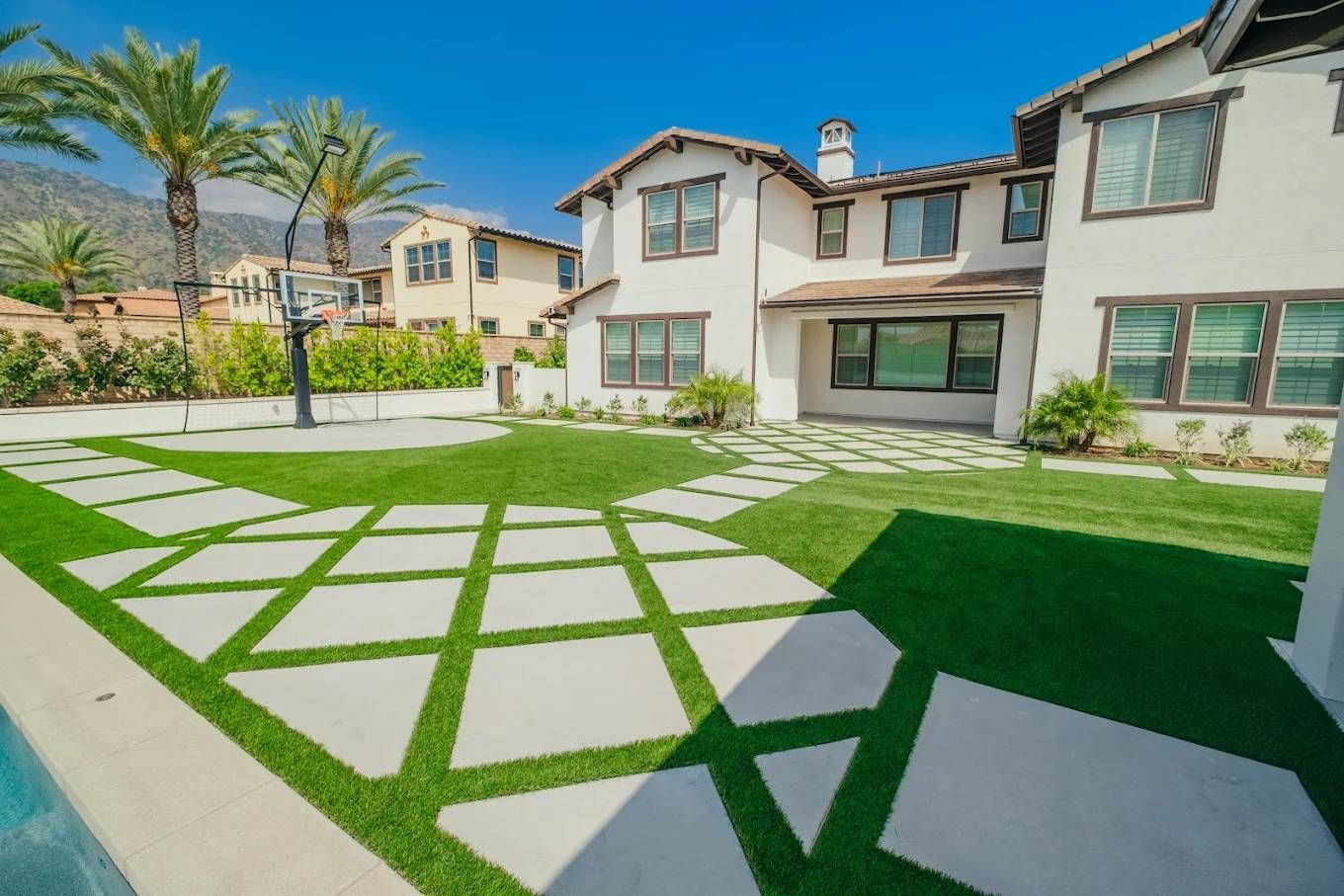
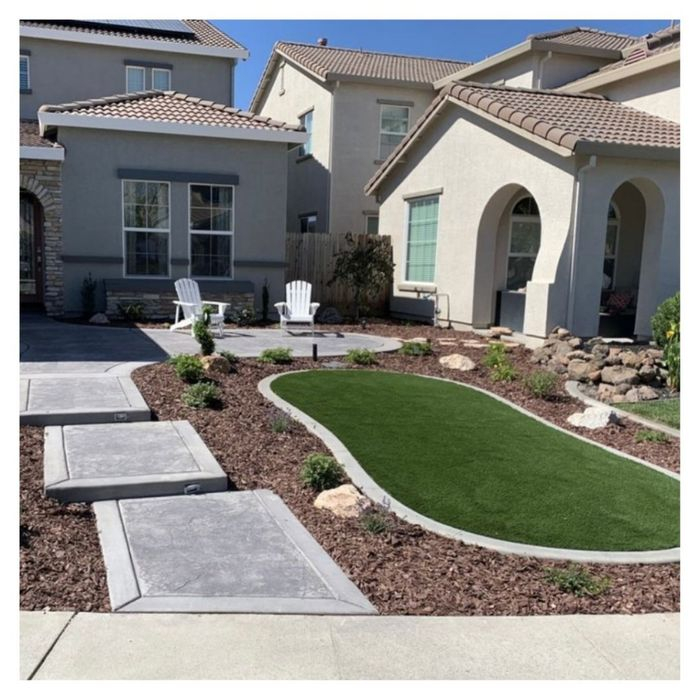
Artificial turf, on the other hand, hurts. The materials alone are pricier, but the real cost is in the prep work. You can’t just lay turf on dirt. You need excavation, a solid base of crushed rock, proper drainage, and then the turf itself. In 2026, professional installation ranges from $5 to $20 per square foot, depending on the quality of the turf and the complexity of your yard. That same 1,000-square-foot yard could cost you $5,000 to $20,000. Ouch. That is a serious chunk of change. It’s easy to stop right there and say, "No way."
But here is where most people make a mistake. They treat the lawn like a one-time purchase. It’s not. Sod is a subscription service. You pay a little now, but you keep paying forever. Turf is a lump-sum payment. It’s painful upfront, but once it’s done, the financial bleeding mostly stops. Think of it like buying a house versus renting. Renting (sod) is cheaper month-to-month, but you never build equity. Buying (turf) costs a fortune down, but you own the asset.
The Hidden Drain: Water and Maintenance Bills
Now let’s talk about the stuff you don’t see on the initial invoice. Water. In many parts of the country, water rates in 2026 are no joke. Keeping natural grass alive, especially in hotter climates, is thirsty work. A typical lawn can consume thousands of gallons a month during peak summer. That adds up. We are talking about hundreds of dollars a year, just to keep the blades hydrated.
Then there is the maintenance. Mowing isn’t free. You need gas or electricity for the mower. You need blades sharpened. You need fertilizer, weed killer, and aerator rentals. If you hire a landscaper, forget about it—that’s easily $100 to $200 a month. Even if you do it yourself, think about your time. Is your Saturday morning worth nothing? Most estimates suggest natural grass maintenance costs between $1,200 and $2,400 per year when you factor in water, supplies, and equipment wear-and-tear.
Artificial grass flips this script. Sure, it’s not zero maintenance. You need to rinse it off occasionally to keep it cool and clean. You might need to brush it up to keep the blades standing tall. But you aren’t watering it. You aren’t mowing it. You aren’t fertilizing it. The annual cost drops to near zero, maybe a few hundred bucks for occasional cleaning supplies or a professional rinse-down if you’re feeling lazy. Over five years, those savings start to look like a pile of cash you forgot you had.
The Break-Even Point: When Does It Pay Off?
So, when does the math actually work in favor of plastic? Industry experts and data from 2026 suggest the break-even point usually lands between 4 and 6 years. This is the magic window. Before year four, sod is technically cheaper. After year six, turf starts saving you serious money.
Let’s run a quick scenario. Say you have a 1,000-square-foot yard. You spend $15,000 on high-quality artificial turf installation. Your annual maintenance and water savings are around $1,800 compared to a natural lawn. By year 5, you’ve saved $9,000 in operating costs. You’re still "down" $6,000 compared to the initial sod cost, but the gap is closing fast. By year 8 or 9, you are actually ahead. You’ve paid off the turf, and every year after that is pure profit in your pocket.
Over a 10-year period, the difference is stark. A natural grass lawn, including installation and a decade of water and care, can cost between $13,000 and $27,000. That same period for artificial turf sits around $12,000 to $14,000 total. The turf option becomes the cheaper choice, provided you stay in the home long enough to reap the benefits. If you plan to move in two years, stick with sod. If you’re nesting for the long haul, the turf math starts to sing.
Lifestyle Factors: Time, Pets, and Usability
Money is only part of the story. What about your life? Natural grass is fragile. If you have dogs, you know the struggle. Yellow spots from urine. Mud tracked into the house after a rainstorm. Bare patches where they run in circles chasing squirrels. With sod, you are constantly repairing. It’s a cycle of disappointment.
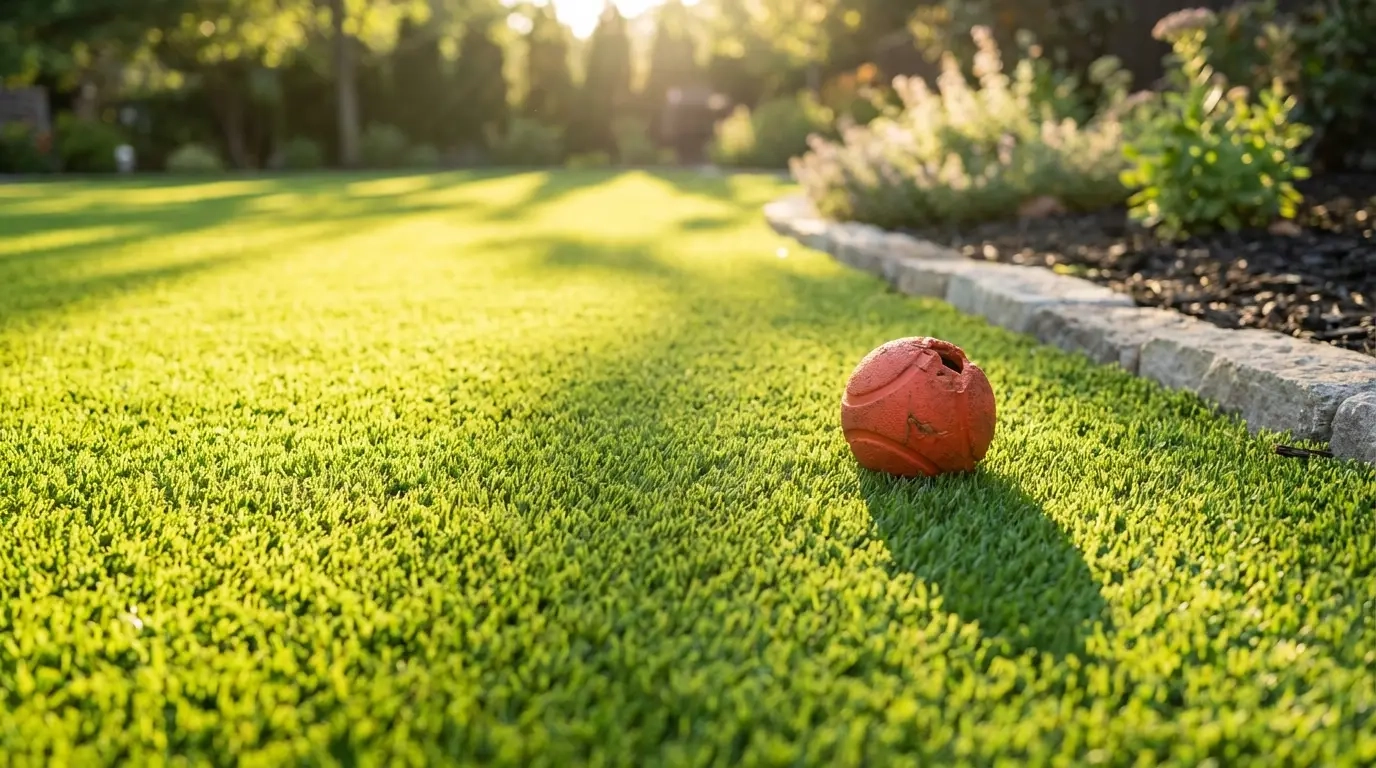
Artificial turf handles pets differently. Modern turf in 2026 is designed with better drainage and antimicrobial coatings. Urine drains through, and you just rinse it off. No mud. No bare spots. Your dog can play as hard as they want, and the lawn looks exactly the same afterward. For families with kids, it’s similar. No muddy knees. No grass stains on white pants. It’s a cleaner, more predictable surface.
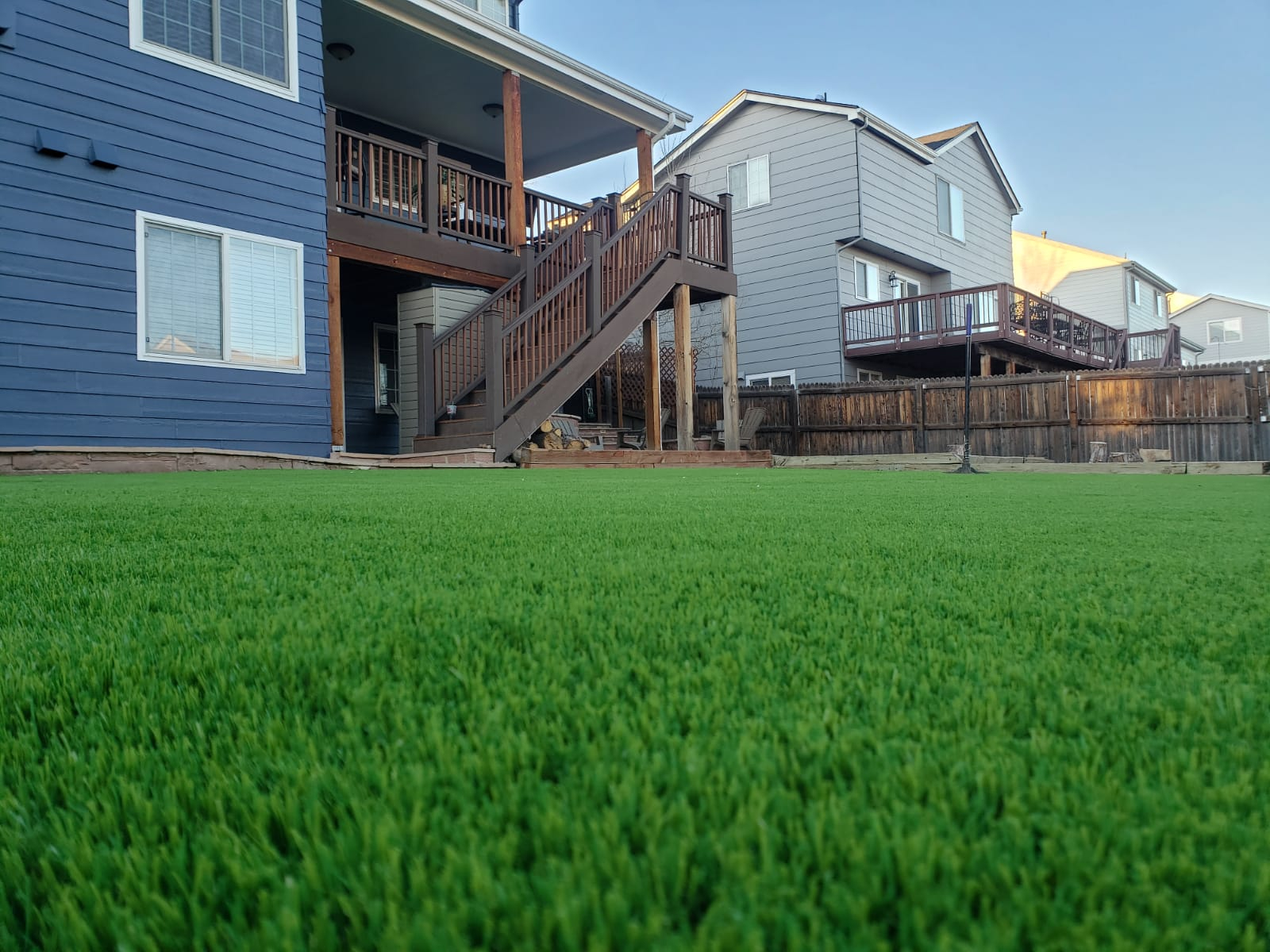
Then there is the usability factor. Can you walk on natural grass right after it rains? Nope. It’s a swamp. Artificial turf drains incredibly well. You can step outside ten minutes after a downpour and your shoes stay dry. This extends the usable time of your outdoor space. You aren’t restricted by weather conditions as much. For people who love to entertain or just want to sit outside without worrying about ruining their lawn, this freedom is priceless. It changes how you use your backyard. It becomes a room, not just a view.
Environmental Impact: It’s Not Black and White
Here is where things get complicated. Many people choose sod because they think it’s "green" and eco-friendly. And in some ways, it is. Real grass absorbs carbon dioxide. It cools the air through evaporation. It supports local insects and biodiversity. But it also requires massive amounts of water, chemical fertilizers, and pesticides. Those chemicals run off into local waterways, causing algae blooms and pollution. The gas-powered mowers contribute to air pollution too. It’s not as innocent as it seems.
Artificial grass has its own environmental baggage. It’s made from plastics and petroleum products. It doesn’t absorb carbon. And eventually, it ends up in a landfill. However, newer turf options in 2026 are being made with more recyclable materials. Some companies are even offering take-back programs to recycle old turf into new products. Plus, the elimination of water usage is a huge environmental win, especially in drought-prone areas like the American West.
There is also the heat island effect to consider. Plastic turf gets hot. Really hot. In direct summer sun, it can be significantly warmer than natural grass. This can be uncomfortable for bare feet and contributes to local heat levels. But many modern turfs come with cooling technology or lighter colors to mitigate this. It’s a trade-off. You save water and chemicals, but you lose some natural cooling and biodegradability. Neither option is perfect, but understanding the specific environmental priorities of your region helps you choose the lesser evil.
How long does this stuff last? Good quality artificial turf installed in 2026 should last 15 to 20 years. That’s a long time. Natural sod, if maintained perfectly, lasts indefinitely, but it requires that constant input we talked about. If you neglect sod, it dies. If you neglect turf, it just sits there, looking fine. The durability of turf means you don’t have to worry about reseeding or replacing patches every few years.
What about resale value? This is tricky. Some buyers love the idea of a maintenance-free yard. They see it as a premium feature, especially if they are older or busy professionals. Others hate it. They want the "real" feel of grass. In 2026, the market is split. However, a well-installed, high-quality turf yard can be a selling point if marketed correctly. It appeals to a specific demographic. A patchy, dying natural lawn, on the other hand, is always a negative. Curb appeal matters. A lush, green yard—whether real or fake—looks better than a brown, neglected one.
Ultimately, the decision comes down to your values and your wallet. If you love the smell of cut grass and don’t mind the work, sod is your soulmate. If you value your time, hate water bills, and want a yard that looks good with zero effort, turf is worth the investment. It’s not about which is objectively better. It’s about which is better for you.
So, is artificial grass worth it when sod costs so much less? Yes, but only if you play the long game. The upfront cost is a hurdle, not a wall. Once you jump over it, you land in a place of lower bills, more free time, and a yard that works for you, not the other way around. Take a look at your calendar. Look at your water bill. Then decide if you’re ready to buy back your weekends.