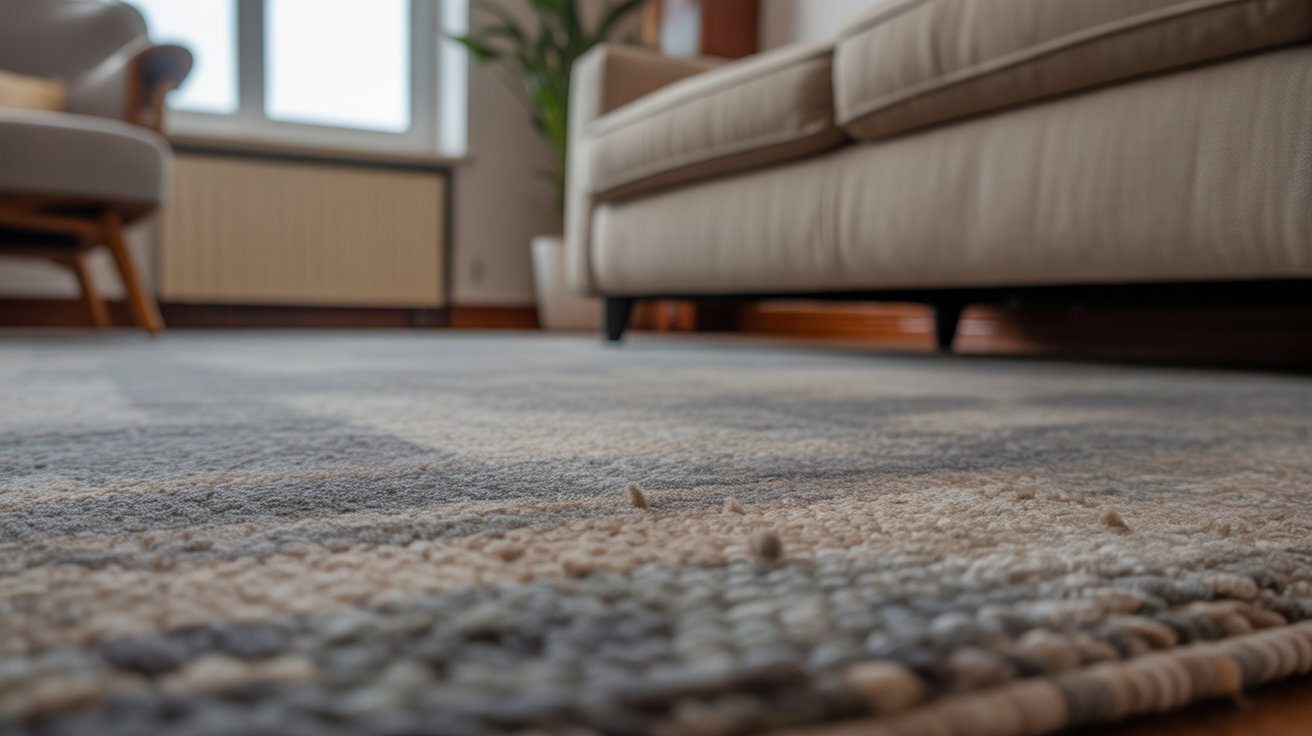
Have you ever walked across your living room and noticed a tiny pile of loose lint sitting right there on the fabric. Your stomach drops just a little bit. Is your expensive investment literally falling apart right in front of your eyes?
Take a deep breath and relax. Floor coverings go through a lot of daily abuse, and seeing bits of material come loose does not automatically mean catastrophe. Let us dive into what is actually happening beneath your feet.
Why Do New Floor Coverings Seem to Shed So Much
When you buy a brand new piece, especially something made from natural wool or long fiber styles, it usually lets go of a surprising amount of loose material during the first few months. Think of it as settling into its new home.
During the manufacturing process, lots of short staple fibers get trapped deep inside the pile. Walking on the surface and running a vacuum cleaner across it acts like a gentle catalyst, pulling those loose bits up and out. This natural fiber maturation is totally normal and nothing to panic about.
Spotting Harmless Surface Fuzz Versus Scary Snags
So how do you actually tell the difference between harmless surface fuzz and genuine problems. Normal fuzz looks like soft little balls or gentle dust bunnies sitting right on top of the pile.
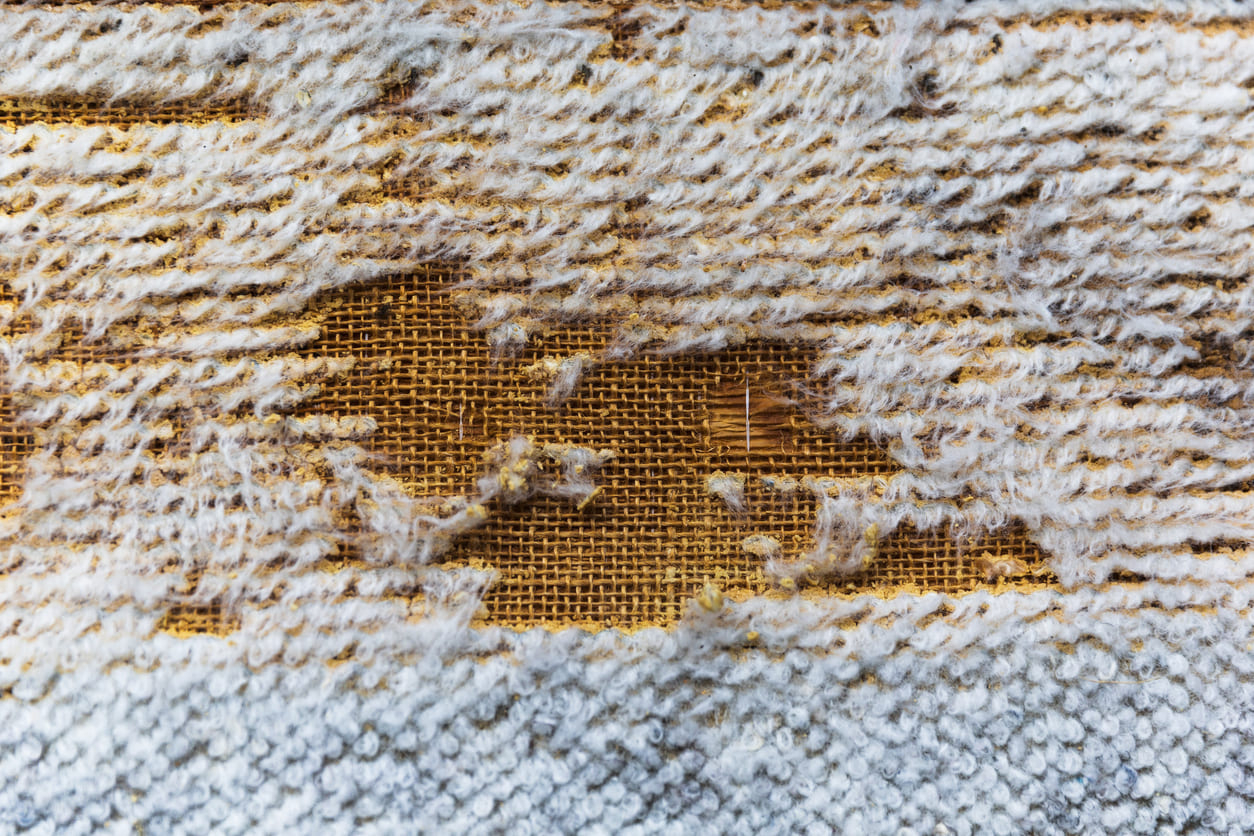
Real damage usually involves entire yarn loops pulling upward, backing materials showing through, or localized bald spots where the weave has completely failed. If you gently tug on a normal fuzz bit, it usually comes away effortlessly without disturbing the anchor below.
The Truth About Tufted Materials Versus Knotted Weaves
Construction methods play a massive role in how a floor piece ages. Tufted styles often shed quite a bit more at the beginning because the individual strands are held in place by an adhesive backing rather than being tightly knotted around the warp threads.
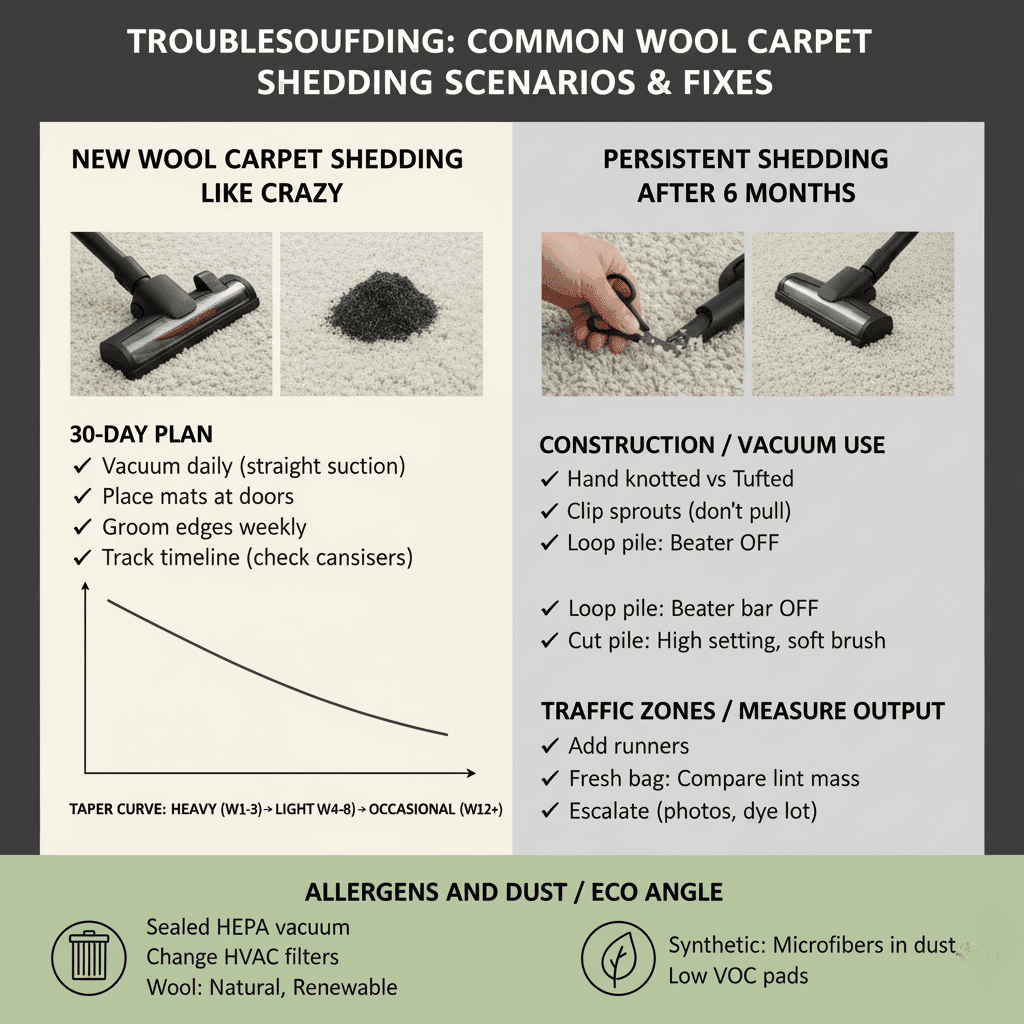
If you own a tufted item purchased around 2026, seeing loose bits for the first six weeks is totally expected. However, if chunks start releasing continuously after months of gentle use, you might be dealing with poor yarn quality or a failing latex backing instead of simple surface fuzz.
Smart Vacuuming Habits That Protect Your Investment
People often worry that using a vacuum will destroy their favorite decor. The secret lies in adjusting your machine properly. Avoid using aggressive beater bars on delicate handmade pieces.
Instead, switch to suction only mode when cleaning fine wool or high pile items. Too much mechanical agitation pulls healthy structural strands right out of the backing, turning normal maintenance into accidental mechanical damage.
When Sprouting Becomes a Real Problem
Have you ever noticed a single stray yarn sticking up way higher than the rest of the surface. In the industry, this little quirk is called sprouting.
Never pull or yank on a sprout. Doing so can unravel an entire row of weaving. Simply grab a pair of sharp household scissors and carefully snip the rogue strand level with the surrounding pile. It is a quick fix that keeps your floor covering looking pristine.
Every floor covering ages differently depending on foot traffic, sunlight, and humidity levels. By understanding what is normal wear and what signals a warning sign, you save yourself a ton of unnecessary worry.
Catching early signs of wear helps protect the structure and beauty of your decor for years to come. Treat your items with kindness, pay attention to subtle texture changes, and enjoy the cozy warmth they bring to your living space.
Navigating the quirks of home maintenance does not have to be stressful. Once you learn to recognize harmless surface fuzz, you can appreciate your decor without constantly worrying about premature failure.
Keep these simple insights in mind the next time you spot a stray lint ball. A little bit of knowledge goes a long way toward keeping your home looking wonderful.