We’ve all been there. You’re standing in front of your pantry, staring into the dark abyss of the back shelf. You know you bought a jar of sun-dried tomatoes last month. Or was it three months ago? You reach in, arm stretched to its limit, fingers grazing dust and old spice tins, but you can’t quite grab it. So you give up. You order takeout instead. And that jar? It stays there. Forgotten. Until next spring cleaning, when you find it, expired and sad, at the bottom of a bin.
It’s frustrating. It’s wasteful. And honestly, it’s expensive. In 2026, with grocery prices still hovering near historic highs, tossing out food feels like throwing cash directly into the trash. But the problem isn’t that you’re bad at shopping or cooking. The problem is physics. Deep shelves are designed for storage volume, not human visibility. Our eyes can’t see around corners, and our arms aren’t telescopic.
The good news? You don’t need a renovation crew or a fancy smart-fridge to fix this. You just need a shift in strategy. By treating your pantry less like a warehouse and more like a curated display, you can reclaim those lost items. This isn’t about perfection. It’s about access. When you can see it, you eat it. Let’s dig into how to make that happen, without losing your mind or your budget.
The Psychology of Out of Sight, Out of Mind
Why do we keep buying things we already have? It’s not just forgetfulness. It’s a visibility issue. Research into household waste consistently shows that the primary reason food gets tossed isn’t because it goes bad quickly, but because it gets hidden. In a deep pantry, items pushed to the back enter a sort of culinary limbo. They exist, technically, but for all intents and purposes, they are gone from your daily awareness.
This creates a vicious cycle. You can’t see the lentils, so you buy more lentils. Now you have two bags. One in front, one in back. You use the front one. The back one sits there for another six months. By the time you remember it, the quality has degraded, or worse, pests have found it. This isn’t just about clutter; it’s about cognitive load. Every time you have to dig through a stack of cans to find the black beans, your brain registers cooking as a chore rather than a creative act.
Breaking this cycle starts with acknowledging that depth is the enemy of usage. If an item requires effort to retrieve, you will subconsciously avoid using it. The goal of deep pantry mastery is to reduce that friction to zero. We want to make the act of grabbing that jar of capers as easy as grabbing the milk from the fridge door. It sounds simple, but it requires a fundamental change in how we arrange our spaces. We have to prioritize sightlines over stacking capacity.
Pull-Forward Systems: Bringing the Back to the Front
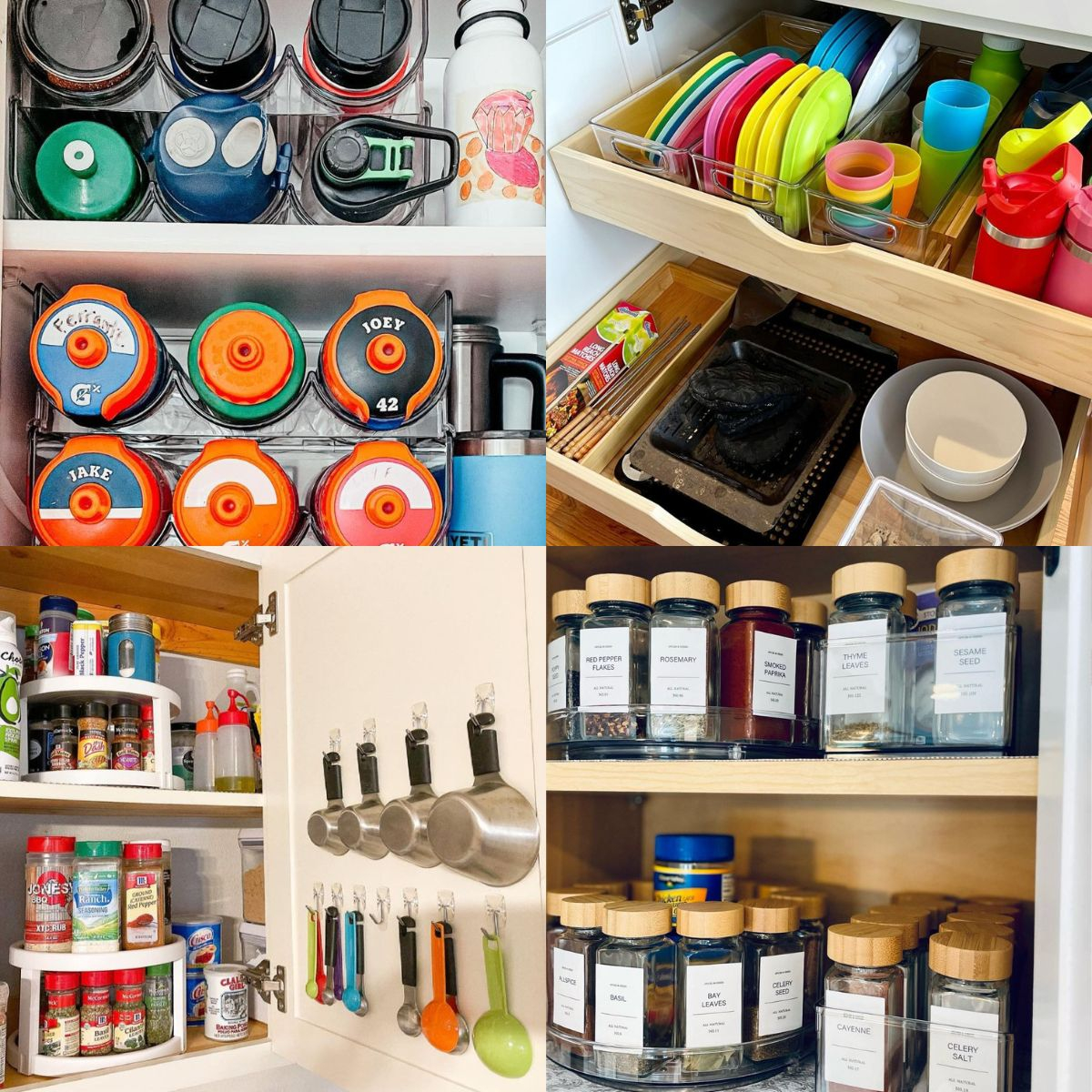
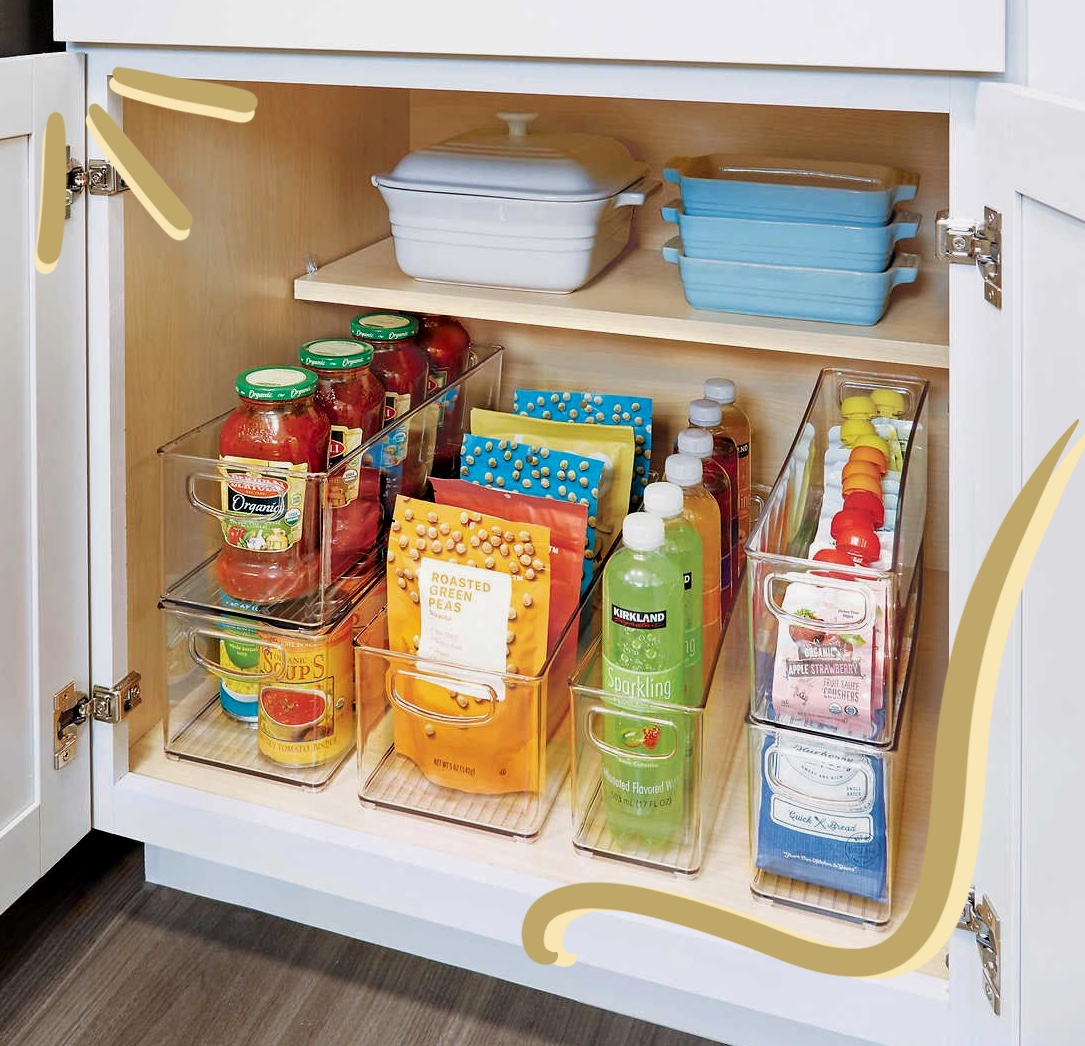
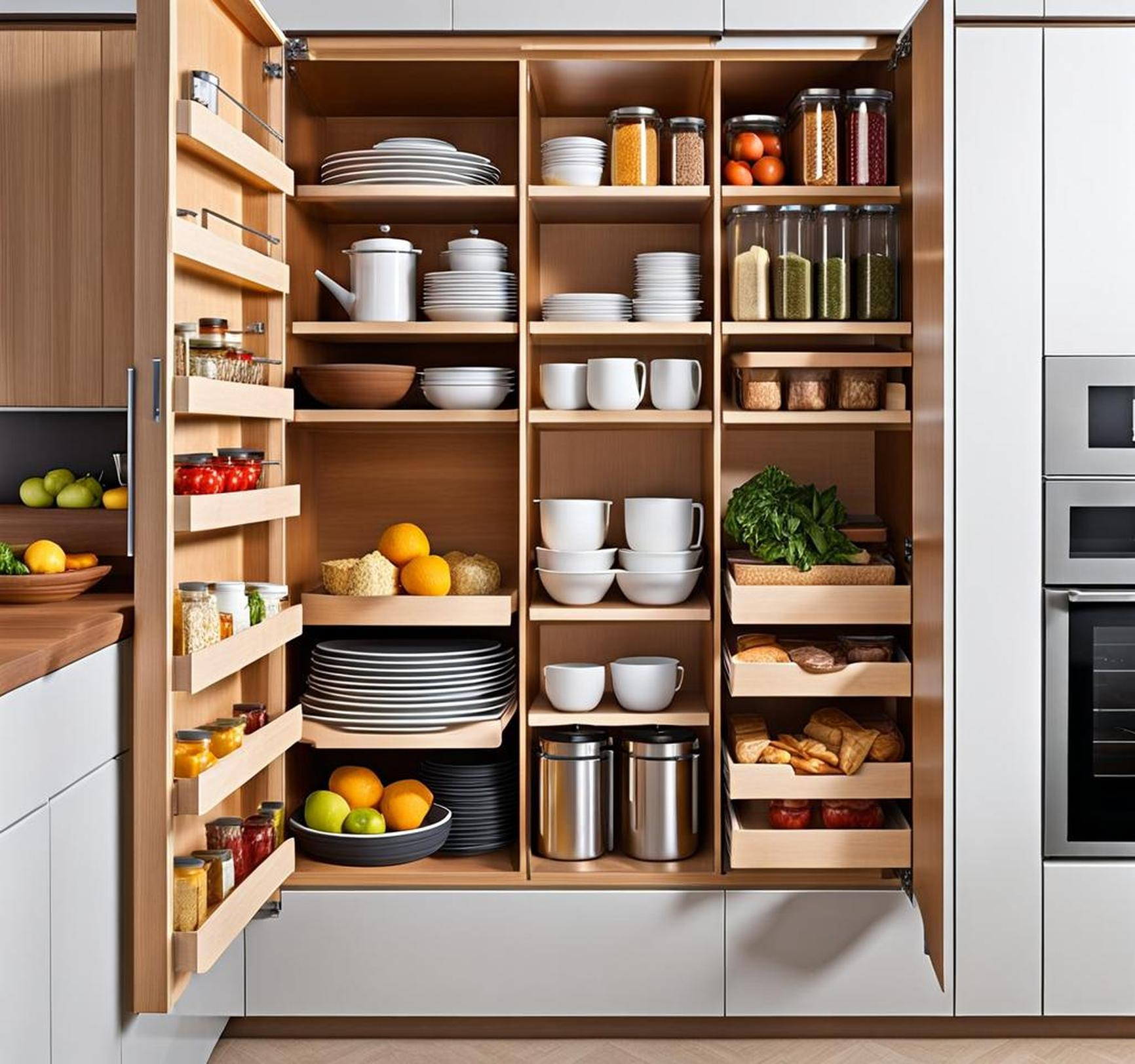
The single most effective tool for deep shelves is the pull-forward bin. Think of these as drawers for your shelves. Instead of placing items directly on the shelf, you place them in clear, rectangular bins that slide out. When you need something, you pull the entire bin toward you. Suddenly, the items at the back are right in your face. No more arm stretching. No more guessing.
You don’t need expensive custom cabinetry for this. Simple plastic or wire baskets work wonders. The key is uniformity. If your bins are all different sizes, they won’t slide smoothly, and you’ll end up with gaps that waste space. Measure your shelf depth first. If your shelf is 24 inches deep, look for bins that are about 12 to 14 inches long. This allows you to have two rows of bins—front and back—or one long row if you prefer. Labeling the front of the bin helps too, so you know exactly what’s inside without pulling it out.
Another variation is the tiered shelf insert. These are like stadium seating for your spices or cans. The back row is elevated, so you can see over the front row. This works best for smaller items like spice jars, condiment bottles, or soup cans. For larger boxes of pasta or cereal, stick to the sliding bins. The principle remains the same: bring the item to you, don’t go to the item. This small mechanical change drastically reduces the mental barrier to using what you have.
Zoning by Meal and Frequency
Once you have the mechanics sorted, you need a logic for placement. Random organization is just organized chaos waiting to happen. A popular and effective method is zoning by meal type or frequency of use. Think about your daily routine. What do you reach for every morning? Coffee, oats, protein powder? Those items should be at eye level, in the easiest-to-reach bins. This is your "Prime Real Estate."
Dedicate specific shelves or zones to specific categories. For example, have a "Breakfast Zone," a "Pasta & Grains Zone," and a "Snack Zone." Within those zones, further organize by type. All the tomato-based products together. All the baking supplies together. This grouping reduces the time spent searching. If you’re making chili, you know exactly which bin holds the canned beans, the diced tomatoes, and the chili powder. You’re not hunting across three different shelves.
Don’t forget the "Use First" zone. This is a critical concept for reducing waste. Designate one specific bin or shelf area for items that are nearing their expiration date or open packages that need to be finished. Maybe it’s a half-used bag of flour or a can of coconut milk opened for a curry last week. Put them in a bright-colored bin labeled "Eat Me First." Check this bin before you start cooking any meal. It acts as a gentle nudge to use up what’s on hand before opening something new.
The Power of Transparency and Labels
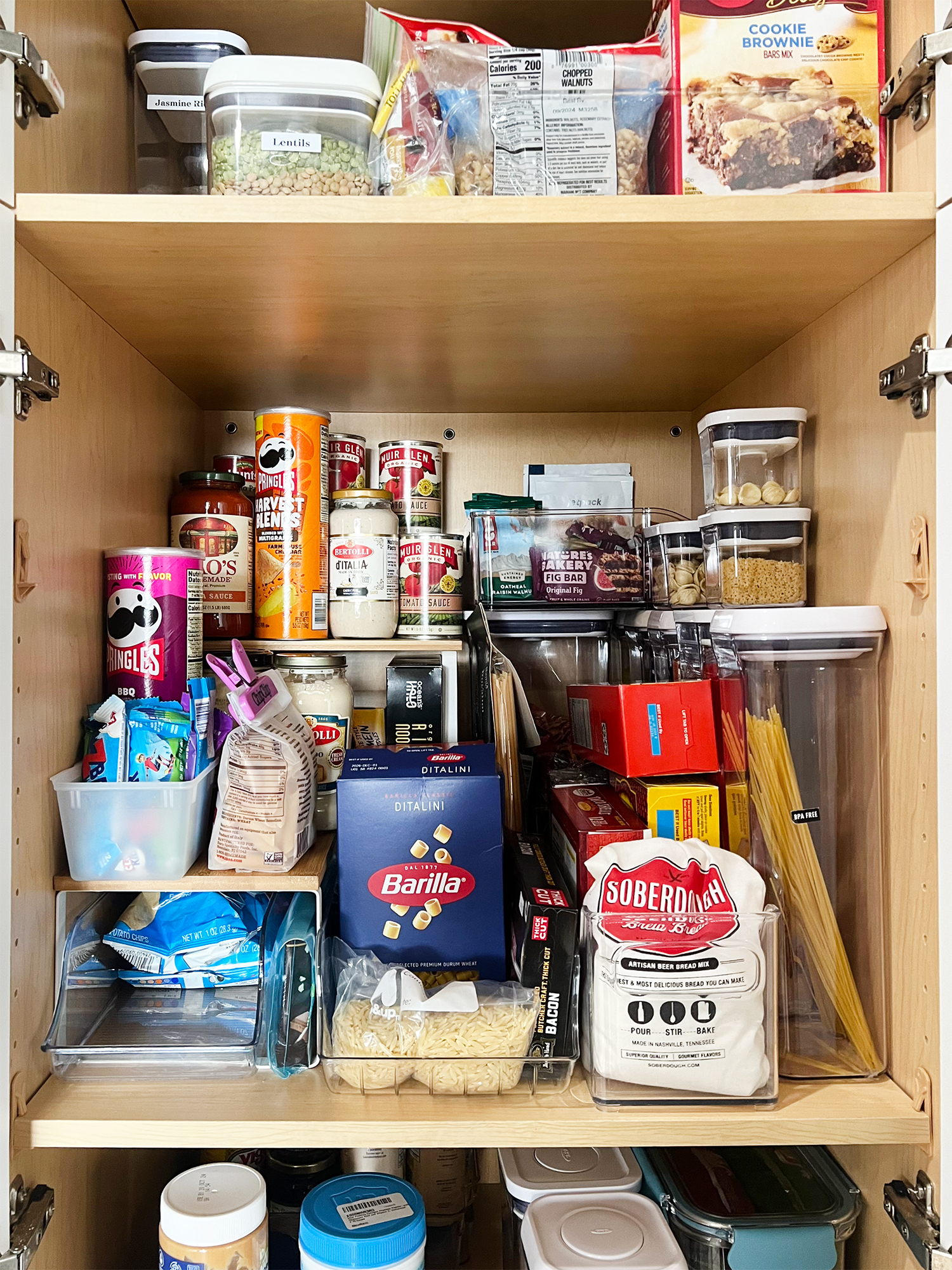
Opacity is the enemy of the deep pantry. If you can’t see what’s inside a container, you won’t know you have it. This is why decanting dry goods into clear containers is such a game-changer. Sure, keeping things in their original cardboard boxes looks neat initially, but boxes tear, spill, and hide the contents. Clear glass or hard-plastic containers let you see exactly how much rice, quinoa, or flour you have left at a glance.
But transparency alone isn’t enough. You need labels. And not just any labels—labels with dates. When you pour that bag of chickpeas into a jar, write the purchase date or the "best by" date on a label and stick it on the lid or the side. In 2026, there are even smart labels that change color when food is nearing spoilage, but a simple marker works just fine. This removes the guesswork. You don’t have to open the jar to smell if the nuts have gone rancid. You just check the date.
Consistency in labeling also helps with inventory management. If you always label the same way, you can do a quick visual scan of your pantry during your weekly grocery planning. You’ll notice, "Oh, I’m low on olive oil," or "I still have three bags of almonds." This prevents overbuying. It turns your pantry into a visible inventory system rather than a black hole of goods. Plus, there’s something deeply satisfying about a row of uniform, labeled jars. It calms the mind.
Taming the Corners and Awkward Spaces
Deep pantries often come with awkward nooks, corners, and vertical gaps that seem impossible to utilize. These are the dead zones where food goes to die. A standard shelf leaves a lot of unused air space above shorter items. To combat this, use risers or shelf dividers. Risers create a second level on your shelf, effectively doubling your usable surface area. You can store taller items on the bottom and shorter items on top, keeping everything visible.
For those deep, dark corners, Lazy Susans are your best friend. Yes, the rotating trays. They aren’t just for condiments in the fridge. A large, sturdy Lazy Susan in the back corner of a deep shelf allows you to spin and access items that would otherwise be trapped against the wall. Load it with oils, vinegars, or specialty sauces. Give it a spin, grab what you need, and spin it back. It transforms a unreachable void into an active storage spot.
Vertical space is also underutilized. Hang hooks on the inside of the pantry door or on the sides of shelving units. Use them for hanging measuring cups, small baskets of tea bags, or even lightweight produce like onions and garlic in mesh bags. This frees up shelf space for heavier, bulkier items. Every inch counts when you’re trying to maximize visibility and minimize waste. Don’t let the architecture of your pantry dictate your habits; adapt the storage to fit your needs.
Organization isn’t a one-time event. It’s a habit. Even the best-designed pantry will fall into disarray if you don’t maintain it. The key is to keep the maintenance low-effort. Adopt the "one in, one out" rule for similar items. If you buy a new box of crackers, finish the old one first. If you buy a new spice, check if you already have one. This mindfulness prevents accumulation.
Schedule a quick "pantry pulse-check" once a week. This doesn’t need to be a deep clean. Just take five minutes while you’re putting away groceries to straighten bins, check the "Eat Me First" zone, and wipe up any spills. Catching a leaky bottle of soy sauce early prevents a sticky mess that attracts ants later. Small, consistent actions prevent the overwhelming buildup of clutter.
Finally, be kind to yourself. Some weeks will be messy. Life happens. If you find a forgotten can of beans in the back, don’t beat yourself up. Just compost it if it’s bad, or use it if it’s good, and adjust your system. Maybe that bin needs to be smaller. Maybe that shelf needs a better label. Treat your pantry as a living system that evolves with your cooking habits. The goal isn’t a magazine-cover perfect space; it’s a functional one that serves you and reduces waste.
Mastering the deep pantry is about respecting the food you buy and the money you spend. It’s about creating a kitchen environment that supports your health and your budget. By implementing pull-forward systems, zoning logically, embracing transparency, and maintaining simple habits, you turn a source of stress into a source of ease. You stop wasting food. You start cooking more. And you finally find that jar of sun-dried tomatoes.