You know the drill. You spend hours tidying up the living room. Every Lego brick is sorted. Every stuffed animal is tucked away. The bins are labeled. The lids are on tight. It looks perfect. Peaceful, even. Then, five minutes later, your child walks in, stares at the closed cupboard, and says, "I’m bored."
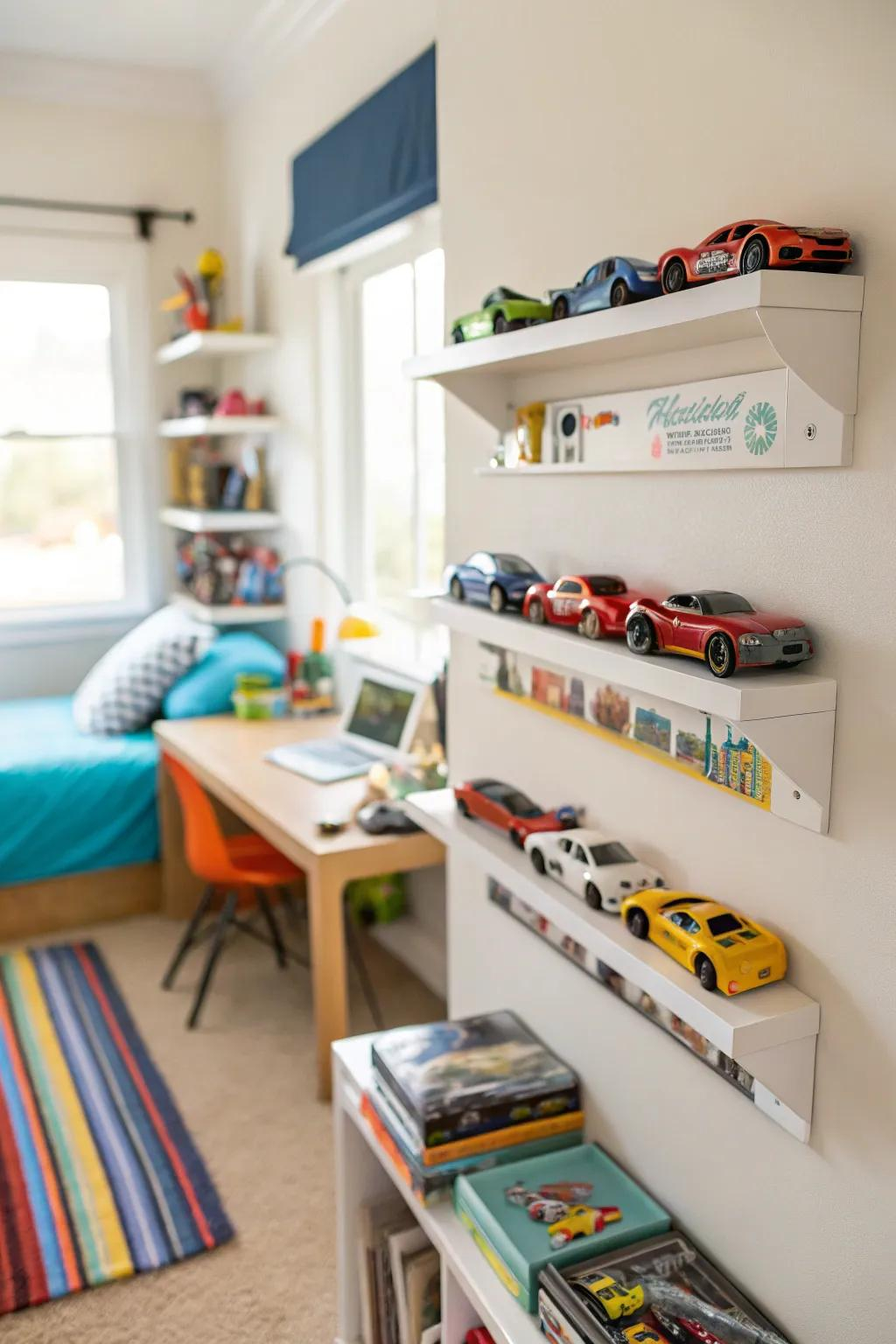
It’s frustrating, right? You just gave them a clean slate. But here is the thing about kids—they don’t see a tidy room as an invitation to play. They see a barrier. A mystery box they aren’t allowed to open. When toys are hidden behind doors or buried deep in opaque bins, they effectively cease to exist in a child’s mind. Out of sight really is out of mind. But flip that script. Put those same toys on low, open shelves where they can be seen and grabbed instantly. Suddenly, the room comes alive. The boredom vanishes. Why? Because visibility isn’t just about organization. It’s about psychology. It’s about agency. And it turns out, seeing their stuff changes everything for little brains.
The Visual Trigger: How Eyes Lead the Brain
Think about the last time you walked into an art supply store. What do you see? Rows of markers, stacks of paper, jars of brushes. Everything is out in the open. You can see the colors. You can see the textures. You don’t have to ask a clerk to pull a specific shade of blue from a backroom closet. The display is the inspiration. This isn’t an accident. Retailers know that seeing options side-by-side triggers creative decisions. It sparks ideas before you even touch a product.
For kids, this effect is amplified. Their brains are wired for visual learning. When a toy is visible, it acts as a cue. It says, "Hey, remember me? We could build a castle today." Or, "Look at my wheels! Let’s race." Hidden toys require a child to first imagine what they want, then remember where it is, then ask for help to get it, and finally wait for access. That is a lot of cognitive load for a four-year-old. Visible storage removes the friction. It lowers the barrier to entry for play. By keeping supplies and toys in the open, you are essentially pre-loading their imagination. You are making the decision to play easier than the decision to sit still.
This is why clear containers often fail, too. Sure, you can see through them, but there is still a lid to remove. There is still a step. Open shelving eliminates that final hurdle. It treats toys not as clutter to be managed, but as tools to be used. Just like those art supplies, when a child sees a puzzle piece or a doll face staring back at them, their brain starts working on the narrative. The visual input bypasses the "I don’t know what to do" phase and jumps straight to engagement. It is a subtle shift, but the impact on their daily activity levels is huge.
Autonomy and the "Tour Guide" Effect
There is a profound sense of pride that comes with ownership. For adults, we show off our book collections or our kitchen gadgets. We like things to be seen because it reflects who we are. Kids are no different. When their belongings are accessible, they become the curators of their own world. Open shelving allows them to share their interests with friends and family naturally. They become tour guides of their own spaces.
Imagine a playdate. One child walks into a room with closed bins. They have to ask, "Can I see what’s in there?" It creates a dynamic of permission and restriction. Now imagine a room with low, open shelves. The host child grabs a dinosaur and says, "This is my T-Rex, he eats the bad guys." They are explaining, sharing, and connecting. The visible items serve as conversation starters. They allow the child to express their identity without needing adult intervention. This builds confidence. It teaches them that their interests matter and that they have control over their environment.
This autonomy extends to social interactions, too. When toys are visible, sharing becomes more intuitive. A child can point to a truck and offer it to a friend. They don’t need to dig through a pile to find something suitable. The visibility facilitates the social dance of play. It reduces conflict because the options are clear. Everyone can see what is available. This transparency helps kids negotiate play scenarios more effectively. They learn to make choices based on what they see, rather than what they hope might be hidden in a bin. It fosters a sense of community and cooperation, all because the stuff is out in the open.
The Paradox of Choice: Less Clutter, More Focus
Here is a common misconception: visible storage means messy storage. It doesn’t. In fact, research suggests that too many toys can actually shrink attention spans and stunt emotional growth. When a child is faced with a mountain of plastic, their brain gets overwhelmed. They can’t focus on one thing because ten other things are screaming for attention. This is known as choice overload. It leads to shallow play—picking up a toy, dropping it, picking up another, repeating the cycle.
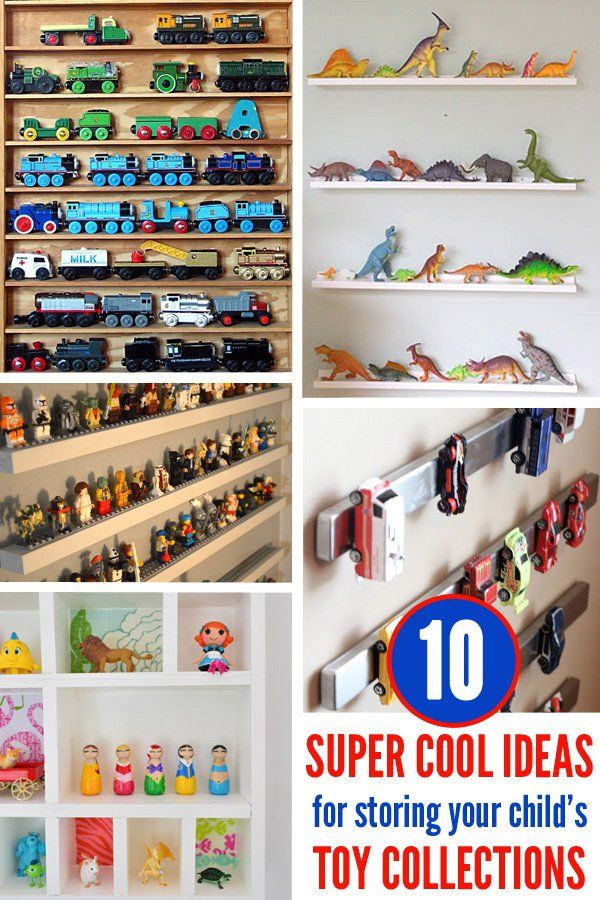
Visible storage, when done right, combats this. The key is curation. You don’t put everything out. You put a select few items out. Maybe six toys on a shelf. That’s it. This limitation is liberating. It forces the child to engage deeply with what is there. If they only see three blocks and two cars, they will invent complex stories for those five items. They will use the blocks as garages, as bridges, as beds. The scarcity of visible options sparks creativity. It demands innovation.
By rotating toys and keeping only a manageable amount visible, you create a calm environment. The visual noise is reduced. The child’s eyes aren’t darting around frantically. They settle on one item. This deepens their focus. It extends their attention span. It allows for what experts call "deep play," where a child loses track of time because they are so absorbed in the activity. So, visible storage isn’t about displaying every single possession. It’s about strategically displaying enough to inspire, but not so much that it paralyzes. It’s a balancing act, but when you get it right, the change in your child’s behavior is remarkable.
Breaking the Container Barrier
Let’s talk about boxes. Specifically, the act of opening them. Have you ever noticed how much kids love the packaging more than the gift? There is a psychological reason for this. The process of opening a container is a goal-oriented behavior. It requires fine motor skills. It requires problem-solving. But once the item is out, the container is often discarded or shoved away. The toy inside might be great, but the barrier to getting it was high.
Studies on functional behavior show that actions like bringing toys out before playtime are less goal-oriented than the actual play itself. If the "getting out" part is hard, kids won’t do it. They will choose the path of least resistance. If that path is watching TV or asking for a snack, so be it. Visible storage removes the container barrier entirely. There is no lid to pry off. No zipper to stuck. No heavy bin to drag across the floor.
This accessibility is crucial for independent play. When a child can grab a toy without help, they feel capable. They don’t need to rely on an adult to facilitate their fun. This independence is a huge boost to their self-esteem. It also frees up parents. You aren’t constantly being asked to retrieve items from high shelves or unlock storage chests. You become a participant in play, rather than a gatekeeper. The removal of physical barriers translates to emotional freedom. The child feels trusted to handle their belongings. And surprisingly, they often take better care of items they can easily access and return, because the process of putting them back is just as easy as taking them out.
The Museum Method: Treasuring the Everyday
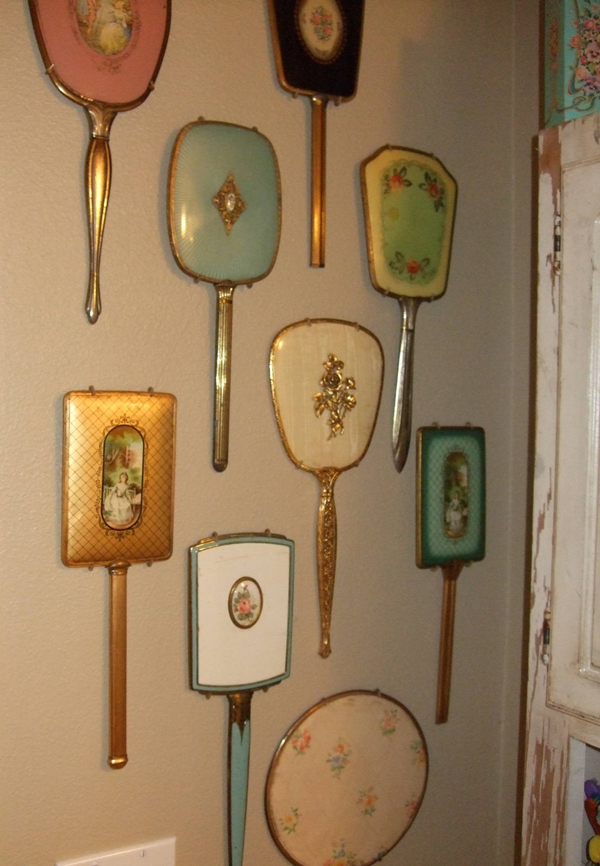
Museums have long understood the power of visible storage. Institutions like the Victoria & Albert Museum use it to maximize public access to collections that would otherwise gather dust in dark rooms. They stack items openly. They let visitors see the breadth of the collection. This technique validates the objects. It says, "These things are important. Look at them."
You can apply this museum method to your home. Treat your child’s toys with the same respect. Display them thoughtfully. Group similar items together. Use baskets for small parts, but keep them open-topped. Arrange books with covers facing out, like in a bookstore. This aesthetic approach makes the space inviting. It signals to the child that their playthings are valued. It elevates the status of a simple wooden block or a plastic figurine.
When items are displayed nicely, kids are more likely to treat them with care. They see the order. They see the beauty in the arrangement. It encourages them to maintain that order. It’s not about perfection; it’s about intentionality. A haphazard pile in a bin looks like trash. A curated selection on a shelf looks like a collection. This shift in perspective changes how kids interact with their stuff. They start to see themselves as collectors, as creators, as organizers. It instills a sense of stewardship. They learn that their environment reflects their inner world, and they take pride in keeping it looking good. This isn’t just about cleanliness. It’s about cultivating an appreciation for the objects that bring them joy.
So, how do you make this work in a real, lived-in house? Start small. You don’t need to remodel your entire living room. Pick one zone. Maybe it’s a low bookshelf in the corner. Or a set of cubes in the play area. Clear it out. Remove the doors if it has them. Take away the lids from the bins.
Next, curate. Pull out the toys that are currently favorites. Limit the number. Remember, less is more. Place them on the shelves so they are easy to see. Face the boxes forward if they have pictures. Stand the dolls up. Park the cars in a row. Make it look appealing. Rotate the rest of the toys into storage. Swap them out every few weeks. This keeps the visible selection fresh and exciting.
Involve your kids in the process. Ask them what they want to see. Let them decide where the dinosaurs go. This buys their buy-in. They are more likely to respect the system if they helped create it. And be prepared for imperfection. It will get messy. That’s okay. The goal isn’t a showroom floor. The goal is accessibility. As long as the items are visible and reachable, you are winning. If a bin gets tipped over, it’s easy to fix because everything is already out. There is no deep digging required. It’s a low-stress way to manage the chaos. Try it for a week. Watch how their play changes. You might just find that the mess is worth the magic.
In the end, visible storage is about more than just neatness. It’s about respecting the way children think and learn. It acknowledges that they are visual creatures who thrive on autonomy and inspiration. By opening up their world, literally and figuratively, you give them the keys to their own creativity. You stop being the manager of their toys and start being the witness to their imagination. It’s a small change in furniture, but a massive shift in mindset. And honestly? It’s kind of beautiful to watch.