Have you ever walked across a sleek, polished granite floor and felt that tiny, almost imperceptible moment of panic when your shoe slips? It’s a common fear, especially when rain or snow is involved. We love the look of stone, but we hate the risk. That’s where the magic happens. Not magic, really, but something close to it. It’s called flaming.
Imagine taking a piece of rock that’s been sitting underground for millions of years, cooling slowly into a hard, dense block. Then, you hit it with fire hotter than a volcano’s edge. Sounds destructive, right? But instead of breaking the stone, this intense heat wakes it up. It reveals a texture that was hiding inside all along. A sparkle. A grip. A raw, natural beauty that polished stone just can’t show.
In 2026, as we lean harder into sustainable, durable building materials, this ancient technique is having a massive comeback. It’s not just about looks. It’s about safety. It’s about letting the stone be what it truly is. Let’s dig into how this works, why it matters, and how you can use it to transform your own spaces.
The Science of Heat and Stone
So, what actually happens when you flame granite? It’s not just burning off dirt. It’s a physical reaction at the molecular level. Granite is made of different minerals. Mostly quartz, feldspar, and mica. Each of these minerals has its own personality. Specifically, they expand at different rates when they get hot.
When a high-intensity torch—usually oxy-acetylene or propane—hits the surface, the temperature spikes to over 1000 degrees Celsius. That’s incredibly hot. The surface layer heats up instantly. The quartz and feldspar crystals want to grow bigger, but they’re trapped next to each other. Because they expand unequally, they push against one another.
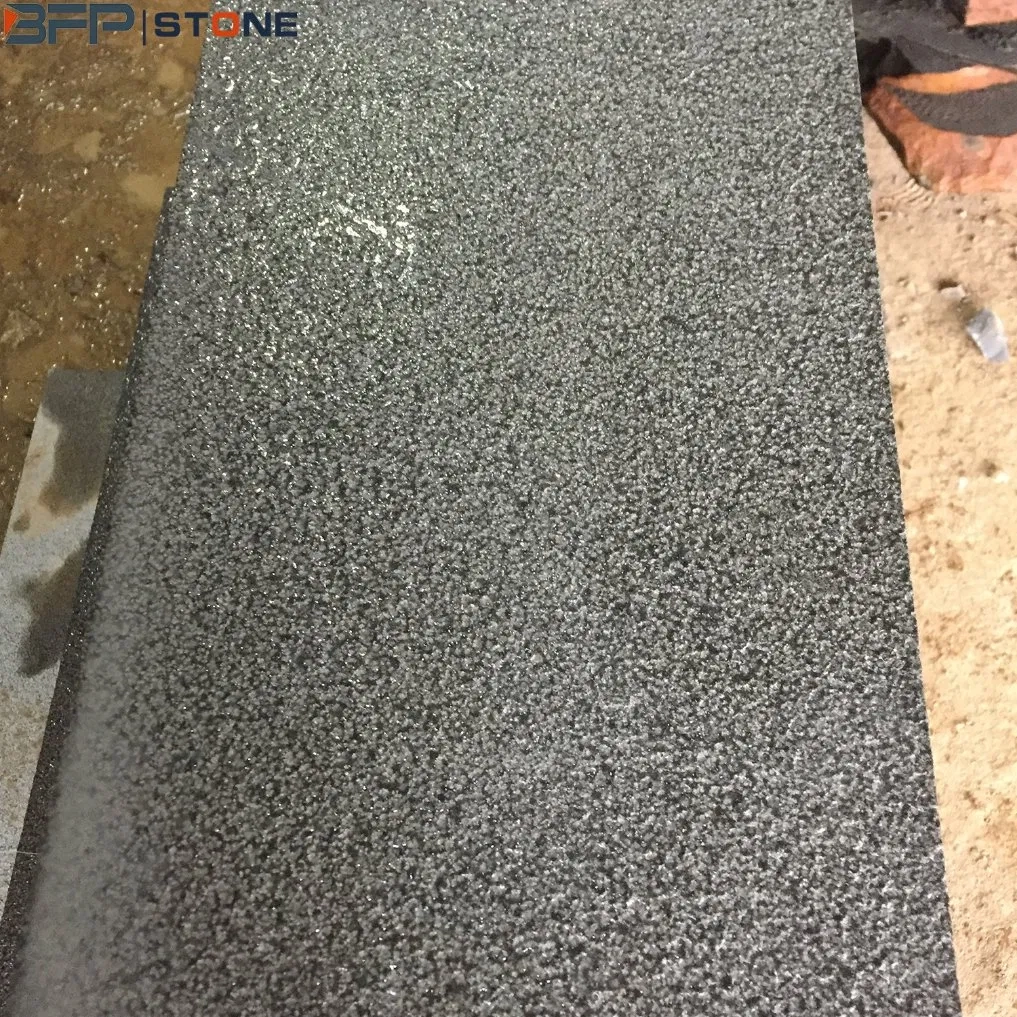
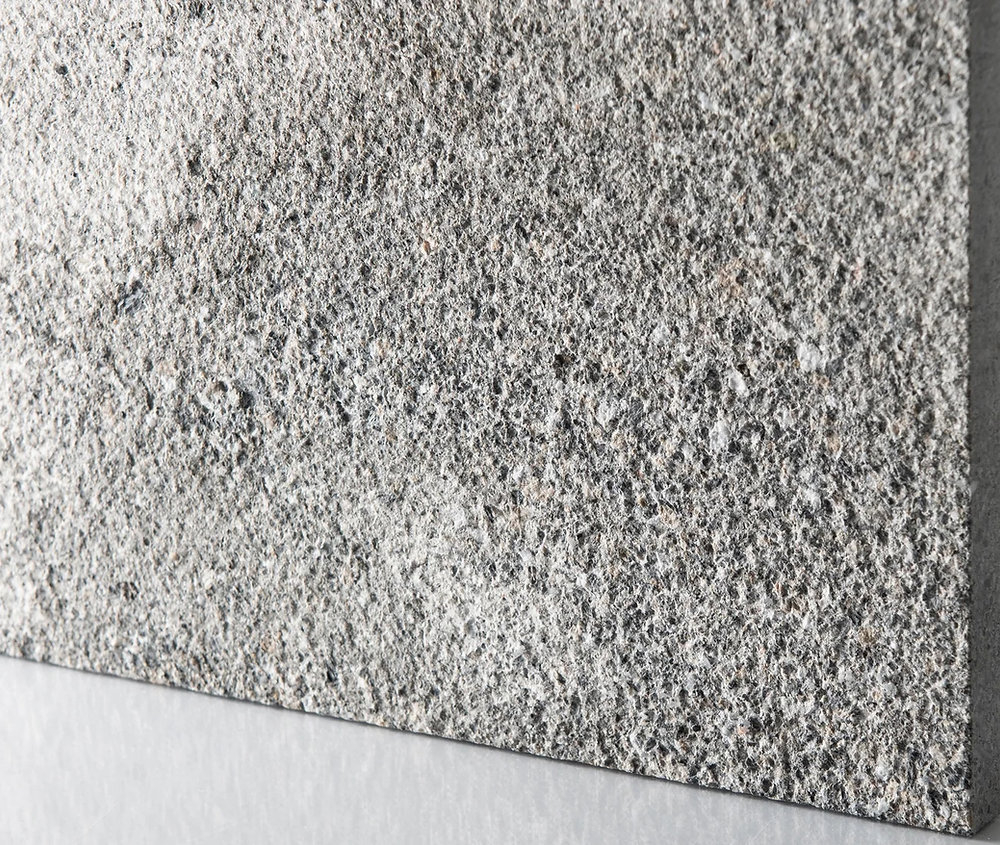
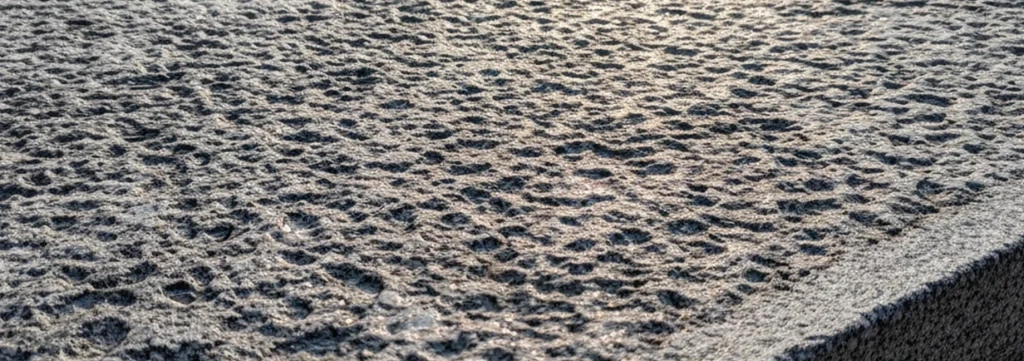
This pressure causes the top layer of the stone to flake off. It’s like a tiny, controlled explosion on the surface. The smooth skin pops away, leaving behind a rough, pitted texture. This isn’t damage. It’s exposure. You’re seeing the internal structure of the rock. The "sparkle" people talk about? That’s the fresh, unweathered faces of those mineral crystals catching the light. It’s raw. It’s honest. And it’s surprisingly consistent if done right.
The Step-by-Step Transformation
You might think you can just grab a blowtorch and go to town on a countertop. Please don’t. This is a specialized industrial process. It starts with the raw slab. The granite needs to be cut to size first. Then, it’s usually cleaned to remove any dust or debris that could interfere with the heat distribution.
The operator uses a multi-headed flaming machine. These aren’t handheld tools. They’re large rigs that move steadily across the stone. The flame is applied evenly. Speed is key. Move too slow, and you’ll crack the slab. Move too fast, and you won’t get the texture you need. It’s a dance between heat and motion.
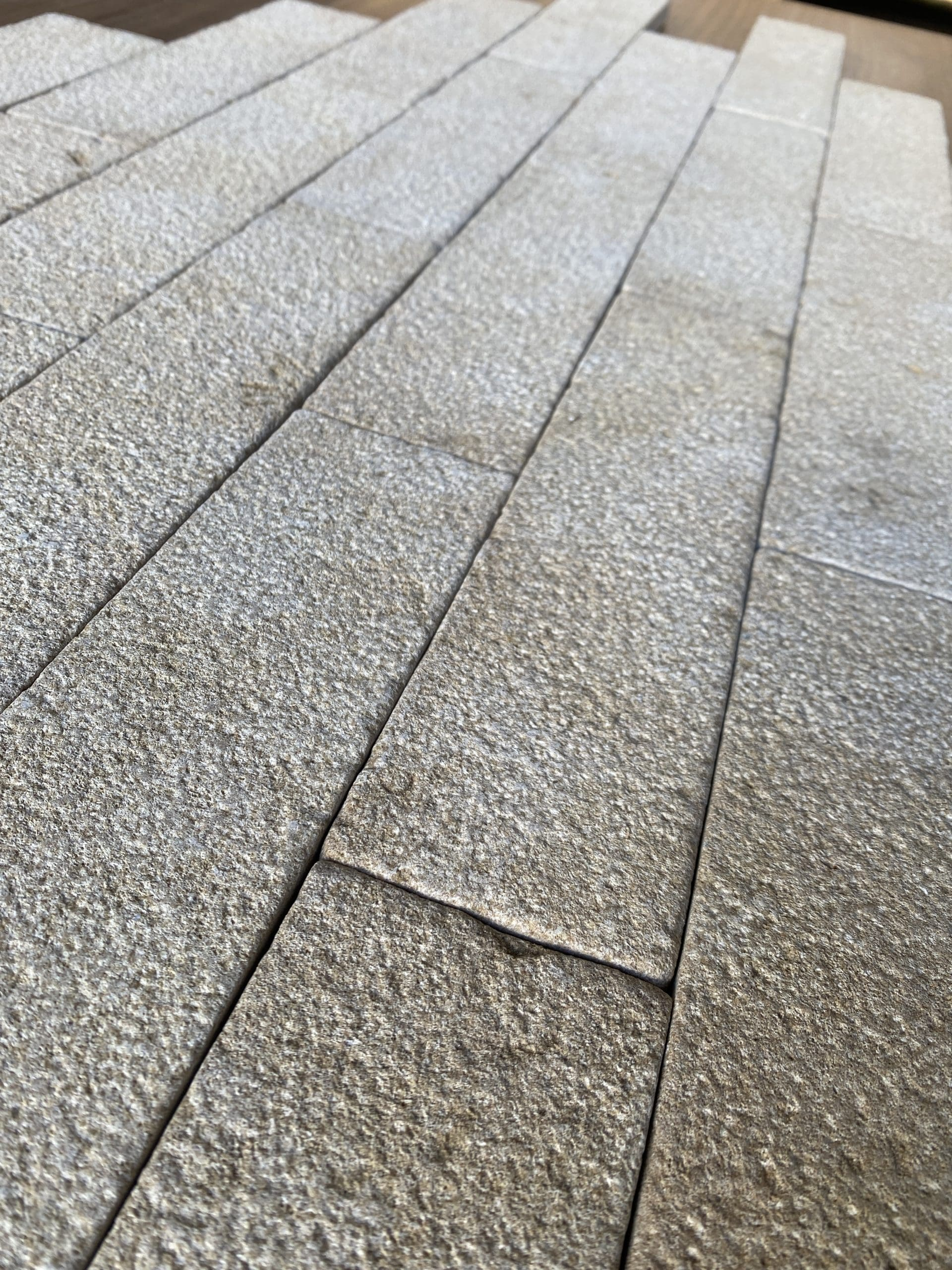
After the flaming, the stone isn’t done. It’s rough. Very rough. Sometimes, it needs a light brushing to remove loose particles. This step ensures the surface is stable. It doesn’t change the texture much, but it cleans it up. The result is a surface that feels like coarse sandpaper but looks like natural rock. It’s a finish that demands respect. And attention.
Why Safety Matters More Than Shine
Let’s talk about why we do this. Polished granite is gorgeous. No argument there. But it’s slippery. When it gets wet, it becomes an ice rink. For indoor floors, that’s manageable. For outdoor patios, pool decks, or city sidewalks? It’s a liability. A hazard.
Flamed granite solves this. The rough texture creates friction. Your shoe grips the stone. Water drains into the tiny pits instead of sitting on top. This makes it naturally slip-resistant. In 2026, building codes are stricter than ever about outdoor safety. Architects and designers are choosing flamed finishes not just because they look cool, but because they keep people safe.
Think about a rainy day in Seattle or a snowy morning in Boston. A polished step is terrifying. A flamed step is secure. It’s the difference between walking carefully and walking confidently. That’s a huge shift in how we experience our environments. It’s functional beauty. And it’s becoming the standard for high-traffic public spaces and luxury homes alike.
Durability That Stands the Test of Time
Some folks worry that heating stone weakens it. Does it? No. Actually, the opposite is true in a practical sense. The flaming process only affects the surface. The core of the granite remains intact. Granite is already one of the hardest natural materials on earth. It resists scratching. It resists staining. It resists weathering.
Flaming doesn’t change that. If anything, it highlights the stone’s resilience. Because the surface is textured, it hides wear and tear better than a polished surface. Scratches? They blend in. Dirt? It’s less visible. This makes flamed granite ideal for places that get a lot of use. Driveways. Walkways. Commercial plazas.
It’s also low maintenance. You don’t need to polish it every year. You don’t need special sealants to keep it shiny, because it’s not shiny. It’s matte. It’s rugged. It ages gracefully. In a world where we’re trying to build things that last, this is a huge plus. It’s a material that doesn’t demand constant care. It just works.
Where to Use Flamed Granite in Your Home
You might be thinking, "This sounds great for sidewalks, but what about my house?" The applications are broader than you’d expect. Sure, it’s perfect for exterior patios. That’s the classic use. But don’t stop there.
Consider your entryway. If you live in a place with rain or snow, a flamed granite threshold or porch floor is a game-changer. It welcomes guests safely. It looks inviting, not sterile. Inside, it can work in mudrooms or laundry rooms. Places where water might spill. Places where you need grip.
It’s also stunning for feature walls. The texture catches light in interesting ways. Shadows play across the uneven surface. It adds depth to a room. It feels organic. Pair it with smooth wood or soft textiles, and you create a beautiful contrast. It’s not just for floors. It’s for any surface where you want to add character and safety. Just remember, it’s rough. Don’t use it for countertops where you’re preparing food. It’s not hygienic for that. Stick to vertical surfaces or flooring.
Maintenance is simple, but it’s not nonexistent. Because the surface is porous and textured, it can trap dirt. Regular sweeping is essential. Use a stiff bristle broom to get into the pits. For deeper cleaning, a pressure washer works wonders. But be careful. Don’t use too high a pressure, or you might dislodge loose grains.
Sealing is a topic of debate. Some experts say yes, some say no. In 2026, the trend is toward breathable sealers. These protect against stains without trapping moisture. If you’re in a high-stain area, like near a grill or a bar, sealing is smart. Otherwise, let the stone breathe. It’s tough. It can handle itself.
Avoid harsh chemicals. Acidic cleaners can etch the minerals, even if they’re exposed. Stick to pH-neutral stone cleaners. They’re gentle and effective. And if you notice a spot that looks dull, it’s probably just dirt. Clean it. The sparkle will return. It’s that simple. Treat it with respect, and it will last for decades.
Flaming granite is more than a finishing technique. It’s a philosophy. It’s about revealing what’s already there. It’s about safety, durability, and natural beauty. As we move forward in 2026 and beyond, this method reminds us that sometimes, the best way to improve something is to let it be itself. Just a little hotter. A little rougher. A lot more real.
So next time you see a stone surface that looks rugged and inviting, take a closer look. Feel the texture. Appreciate the science. And know that hidden inside that rock was a sparkle waiting to be unlocked. All it needed was a little fire.