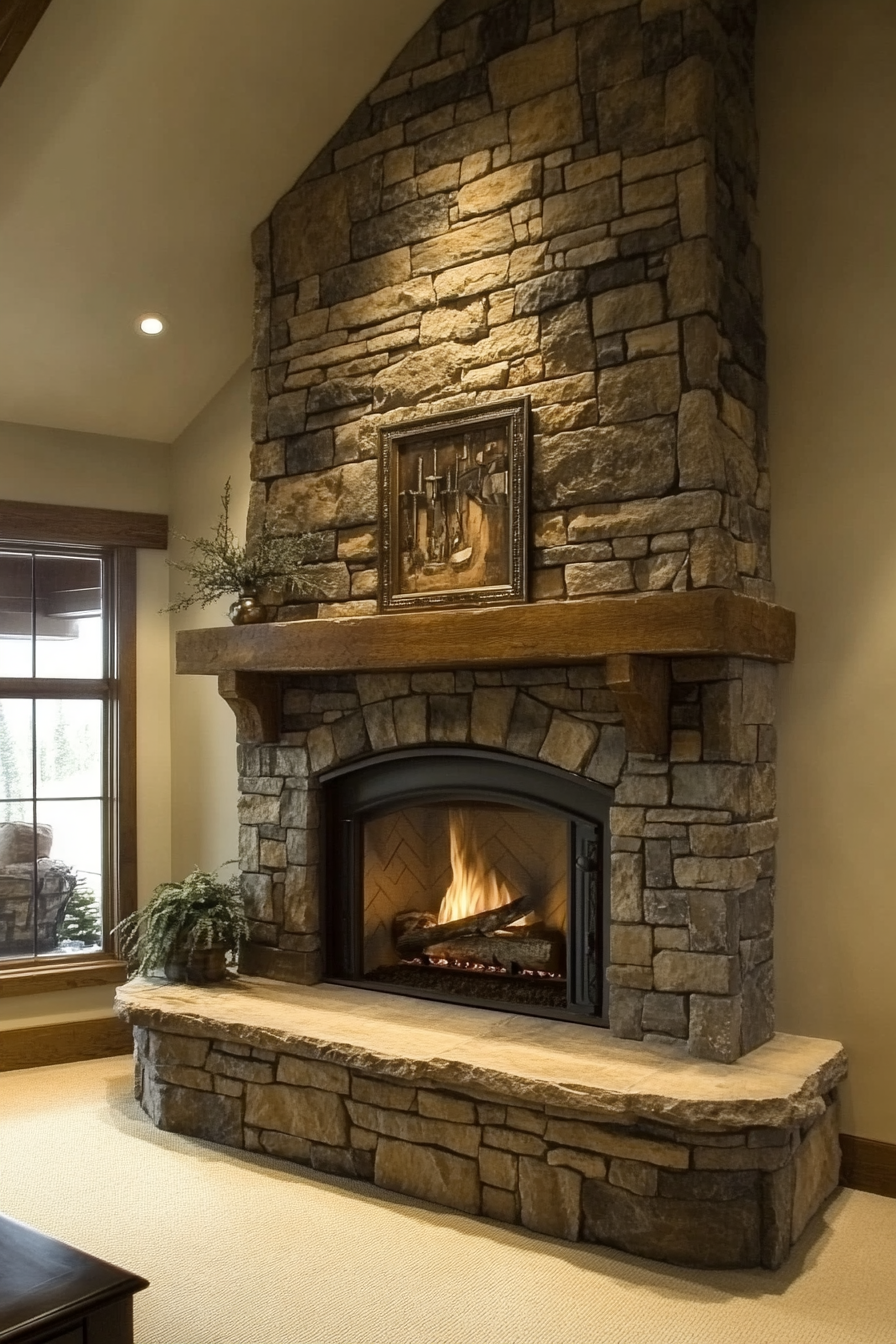
You know that feeling when you’re staring at a blank wall above your fireplace, imagining a grand, stately mantel that anchors the whole room? It’s a dream many homeowners share. But then reality kicks in. You start thinking about the weight. The cost. The sheer logistical nightmare of getting a two-hundred-pound slab of limestone up a narrow staircase and onto a second-floor living room wall. It’s enough to make you pivot back to drywall and call it a day.
But what if you didn’t have to choose between the look you love and the sanity you need to keep?
In 2026, the game has changed. Lightweight cast stone isn’t just a "cheap alternative" anymore. It’s a sophisticated engineering marvel that mimics the texture, color, and presence of natural stone while shedding the bulk. We’re talking about materials that look like they were quarried from a historic European estate but weigh less than a bag of concrete mix. This shift isn’t just about convenience; it’s about unlocking design possibilities that were previously off-limits for most homes. Let’s dig into why this material is becoming the go-to for everyone from weekend DIYers to high-end contractors.
The Weight Factor: Why Less Is Actually More
Let’s be real for a second. Natural stone is heavy. Like, really heavy. A traditional full-depth stone surround can weigh upwards of 15 to 20 pounds per square foot, and that’s before you even account for the mortar and backing board. If you’re installing on a second story or in an older home with questionable floor joists, that weight becomes a structural liability. You might need to reinforce the floor, add steel supports, or hire a structural engineer just to sign off on the project. That adds thousands to the budget before you’ve even bought the stone.
Lightweight cast stone flips this script entirely. Modern formulations, like those using a proprietary limestone composite shell over a foam core, can be up to 70% lighter than traditional masonry. Some high-end mantels clock in at just 8-10 pounds per square foot. Think about that. You can lift a substantial mantel shelf with one hand. You can carry surround pieces up a spiral staircase without breaking a sweat. This drastic reduction in mass means you rarely need additional structural reinforcement. The existing wall framing is usually more than enough to hold the load.
This isn’t just about saving your back, though that’s a nice bonus. It’s about expanding where you can put a fireplace. Want a cozy hearth in a bedroom suite on the third floor? Go for it. Renovating a historic brownstone where adding weight to the facade is strictly prohibited? No problem. The lightness of the material removes the physical barriers that used to limit fireplace placement. It turns a major construction project into a manageable renovation. And honestly, who doesn’t want a project that feels manageable?
Cost Efficiency Without Cutting Corners
When people hear "lightweight," they sometimes assume "cheap quality." But in the world of architectural materials, lightweight often translates to smart engineering, not corner-cutting. The cost savings here are significant, but they might not be where you expect them. Sure, the material itself can be competitively priced against natural stone, but the real savings come from the installation process.
Labor is the biggest expense in any renovation. Installing heavy stone requires multiple workers, specialized lifting equipment, and days of meticulous fitting. With lightweight cast stone, a two-person team—or even a skilled solo DIYer—can handle the install in a fraction of the time. There’s no need for cranes or heavy-duty scaffolding. The pieces are easy to maneuver, cut, and adjust on the fly. This speed directly lowers labor costs. In 2026, with labor rates still climbing, shaving two or three days off a project timeline can save you hundreds, if not thousands, of dollars.
Transportation costs drop too. Shipping heavy stone is expensive because of the fuel and handling requirements. Lightweight units pack tighter and weigh less, reducing freight charges. Plus, there’s less risk of damage during transit. Natural stone can crack or chip if handled roughly. Cast stone, especially those designed with durability in mind, is often more resilient to the bumps and bruises of shipping. So, you’re saving money on the truck, the movers, and the potential repair bills. It’s a win-win-win situation that keeps the budget intact without sacrificing the final look.
The Aesthetic Appeal: Luxury That Looks Real
Here’s the thing: nobody wants a fireplace that looks fake. We’ve all seen those plastic veneers that peel after a few years or have that weird, repetitive pattern that screams "mass-produced." Lightweight cast stone avoids these pitfalls by focusing on authentic replication. Manufacturers use molds taken from actual natural stone specimens, capturing every nuance, pit, and vein. The result is a product that has the same visual depth and texture as the real deal.
Because it’s cast from a refined architectural concrete mixture, designers have incredible control over color and finish. You can get the warm, creamy tones of Indiana limestone, the rugged grey of slate, or even the rustic charm of aged fieldstone. And unlike natural stone, which can vary wildly from batch to batch, cast stone offers consistency. If you need to add a piece later or match a surround in another room, you can get an exact match. This predictability is a huge relief for designers and homeowners alike.
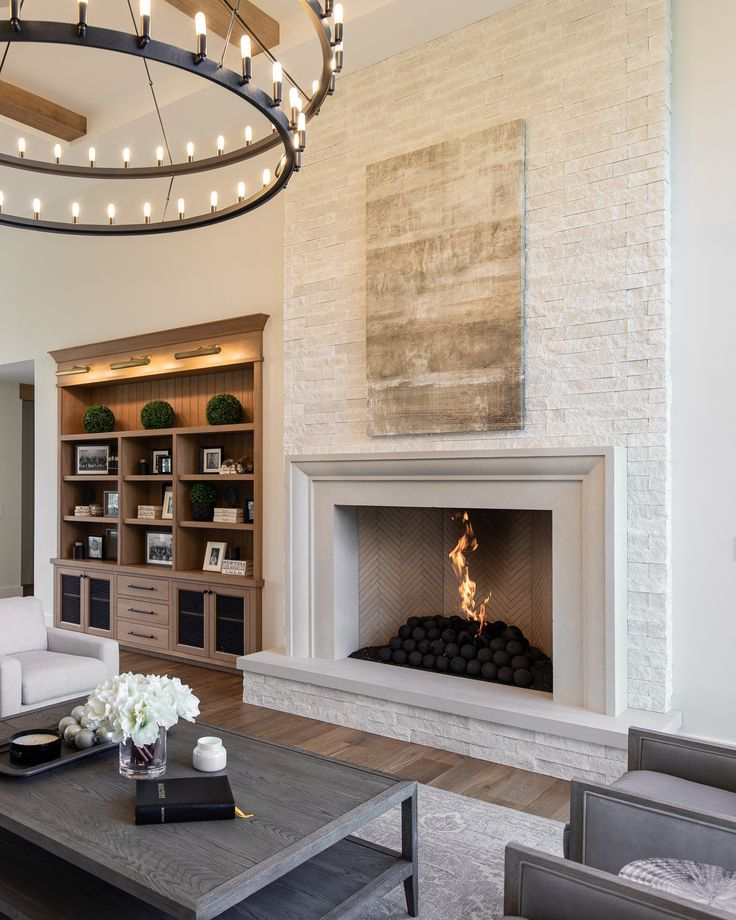
The aesthetic flexibility doesn’t stop at color. Lightweight cast stone can be molded into intricate shapes that would be prohibitively expensive to carve from natural stone. Think detailed corbels, ornate scrollwork, or custom profile edges on mantel shelves. These details add a layer of elegance and luxury that elevates the entire room. It gives the space a sense of permanence and history, even if the home was built last year. It’s about creating a focal point that feels timeless, not trendy. And since the material is non-combustible, you get peace of mind knowing that beauty doesn’t come at the expense of safety.
Simplified Installation: A DIY-Friendly Reality
If you’ve ever watched a professional mason work, you know it’s a skill honed over decades. Mixing mortar to the right consistency, buttering the back of a stone, setting it level, and cleaning up the excess—it’s an art form. But lightweight cast stone systems are often designed with the installer in mind. Many modern products use adhesive-based installation methods rather than traditional wet mortar. This means less mess, less drying time, and a much lower barrier to entry for the average homeowner.
Imagine prepping your fireplace wall with a simple cement backer board, applying a high-strength construction adhesive, and pressing the stone panels into place. That’s it. No waiting for mortar to cure for days. No worrying about efflorescence (those white salt deposits that ruin the look of masonry). The panels lock together seamlessly, and any minor gaps can be filled with a matching caulk or touch-up kit. It’s a process that feels more like assembling high-end furniture than laying brick.
This simplicity also makes retrofitting incredibly easy. If you’re updating an existing fireplace, you don’t need to tear out the old structure down to the studs. As long as the surface is flat and sound, you can install lightweight cast stone directly over it. This is a game-changer for renovation projects where demolition is costly and messy. You can transform a dated 1990s brick fireplace into a sleek, modern statement piece in a weekend. The ease of installation empowers people to take on projects they might have otherwise outsourced, giving them a sense of pride and ownership in their home improvements.
Durability and Heat Resistance: Built to Last
One common misconception is that because it’s lightweight, it must be fragile. Not true. High-quality cast stone is engineered for performance. It’s composed of fine aggregates, cement, and additives that create a dense, durable matrix. This composition makes it resistant to cracking, chipping, and weathering. In fact, many cast stone products are tested to withstand freeze-thaw cycles, making them suitable for outdoor fireplaces as well as indoor ones.
Heat resistance is another critical factor. After all, this material is going around a fire. Lightweight cast stone mantels and surrounds are specifically engineered to handle the thermal dynamics of an active fireplace. They don’t warp, discolor, or degrade under high temperatures. Unlike wood mantels, which require strict clearance distances from the firebox, cast stone can be installed closer to the heat source, allowing for more dramatic and integrated designs. This non-combustible nature adds a layer of safety that is hard to beat.
Moreover, the durability extends to daily life. Spills, scratches, and general wear and tear are part of living in a home. Cast stone is easy to clean and maintain. A simple wipe-down with a damp cloth is usually enough to keep it looking fresh. If you do manage to chip it (which is harder than you’d think), repairs are straightforward. You can fill small imperfections with a matching patching compound and sand it smooth. It’s a material that ages gracefully, developing a patina that adds character over time rather than detracting from its appeal.
Whether you’re aiming for a minimalist modern look, a cozy farmhouse vibe, or a grand traditional aesthetic, lightweight cast stone fits the bill. Its versatility lies in its ability to be customized. Because it’s manufactured, not quarried, you aren’t limited to the sizes and shapes that nature provides. You can order extra-long mantel shelves that span an entire wall. You can get thin veneer profiles that add texture without protruding too far into the room. This flexibility allows for creative designs that maximize space and impact.
In smaller rooms, the lightweight nature allows for thinner profiles that don’t overwhelm the space. You can achieve the look of stone without losing valuable square footage. In larger, open-concept areas, you can go bold with oversized surrounds that act as architectural anchors. The material also pairs beautifully with other elements. Mix it with wood beams, metal accents, or glass tiles to create a unique, personalized look. The neutral tones of most cast stone products serve as a perfect backdrop for your decor, allowing your furniture and art to shine.
Furthermore, the environmental aspect is worth noting. Many manufacturers are now using recycled materials in their mixes, reducing the carbon footprint of production. And because the material is lighter, the energy required to transport it is lower. For the eco-conscious homeowner, this is a subtle but meaningful benefit. You’re choosing a product that looks good, performs well, and treads a bit lighter on the planet. It’s a holistic approach to design that considers aesthetics, function, and responsibility.
So, where does this leave us? Lightweight cast stone isn’t just a trend; it’s a practical evolution in home design. It solves the age-old problems of weight, cost, and complexity while delivering the timeless beauty of natural stone. It empowers homeowners to take control of their renovations, offering a path to luxury that is accessible and achievable. Whether you’re a seasoned contractor or a first-time DIYer, the benefits are clear. You get the look you want, without the hassle you fear.
As we move further into 2026, the demand for smart, efficient, and beautiful home solutions continues to grow. Lightweight cast stone meets this demand head-on. It’s proof that you don’t have to sacrifice style for substance, or convenience for quality. It’s a material that respects your time, your budget, and your vision. So, the next time you’re planning a fireplace update, consider the lightweight option. You might just find that the easiest path is also the most rewarding.
In the end, your home should reflect who you are. It should be a place of comfort, beauty, and pride. By choosing materials that simplify the process and elevate the result, you’re investing in that experience. Lightweight cast stone offers a way to bring a touch of grandeur into your daily life, without the grand headache. And isn’t that what home improvement is really all about? Making your space better, easier, and more you.