Ever open a cabinet door and just… stare? You know the feeling. That moment when you’re looking for a measuring cup or a specific spice, but all you see is a jumbled mess of Tupperware lids, half-empty boxes, and things you forgot you even owned. It’s frustrating. It slows you down. And honestly, it makes cooking feel like a chore instead of a joy. We’ve all been there. In 2026, our kitchens are more than just places to heat up food; they are the heart of the home. But if the heart is clogged, the whole house feels sluggish.
The good news? You don’t need a massive renovation budget or a degree in interior design to fix it. You just need a plan. And maybe a few shelf risers. Transforming cluttered cabinets into accessible cooking stations isn’t about perfection. It’s about flow. It’s about making sure that when you reach for the olive oil, your hand finds it without you having to dig through a avalanche of pasta boxes. This guide is here to help you breathe new life into those cramped, chaotic spaces. Let’s turn that stress into ease, one shelf at a time.
The Great Purge: Starting with a Clean Slate
Before we buy a single bin or install a single hook, we have to talk about the stuff that’s already there. It’s tempting to just shove things around, to try and organize the chaos without actually reducing it. But that’s like trying to clean a muddy floor with a dirty mop. It doesn’t work. You have to start empty. Take everything out. Every single item. Yes, even that weird gadget you got as a gift three years ago and never used. Put it all on the counter or the dining table. It’s going to look overwhelming at first. That’s okay.
Now comes the hard part: deciding what stays. Be honest with yourself. When was the last time you used that avocado slicer? If the answer is "never," let it go. Donate it, sell it, or toss it. The goal here is to keep only what serves your current cooking lifestyle. In 2026, minimalism isn’t just a trend; it’s a necessity for mental clarity. By clearing out the dead weight, you create physical space, but you also create mental space. You’re no longer surrounded by reminders of meals you didn’t cook or hobbies you didn’t pursue. You’re left with the tools you actually love and use.
Group the keepers into categories. Put all the baking supplies together. All the pots and pans in another pile. Spices in their own little crowd. This step is crucial because it shows you exactly what you have and how much of it there is. You might realize you have four can openers. Do you really need four? Probably not. This sorting process helps you visualize the zones you’ll be creating. It turns a vague sense of "mess" into concrete, manageable groups. And remember, it’s alright to make mistakes here. If you throw something out and miss it later, you can always buy it again. But you can’t buy back the space you wasted keeping it.
Zoning for Flow: Mapping Your Cooking Routine
Once you know what you’re keeping, you need to decide where it lives. This is where the concept of "zoning" comes in. Think of your kitchen as a map. Where do you stand most often? Usually, it’s near the stove, the sink, or the main prep counter. These are your hot spots. Items you use every day—like your favorite frying pan, the salt, the cooking oil, and your primary knives—should be within arm’s reach of these zones. You shouldn’t have to walk across the kitchen to get the pepper grinder while you’re sautéing onions. That breaks your flow. It adds unnecessary steps to your routine.
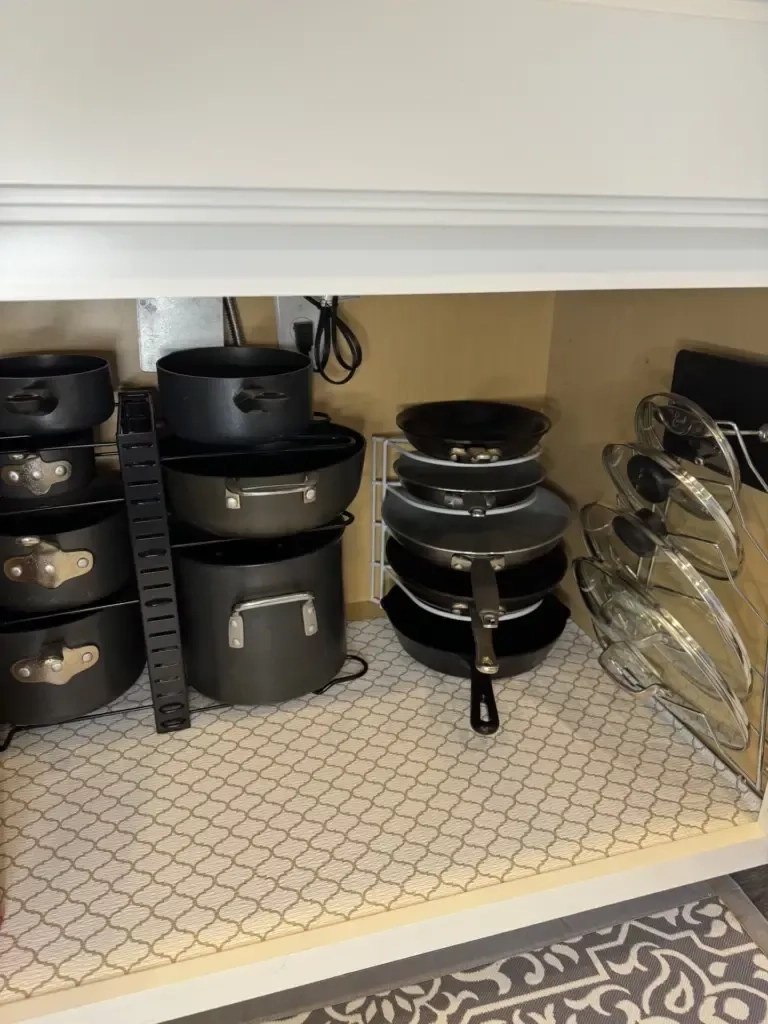
Start with the "Cooking Zone" around the stove. This is where your pots, pans, spatulas, and everyday spices should live. If your cabinets are deep, consider using pull-out drawers or baskets. Nothing is more annoying than having to crawl into a cabinet to retrieve a pot from the back. Pull-outs bring the items to you. Next, look at the "Prep Zone" near your main counter space. This is where your cutting boards, mixing bowls, and measuring cups belong. If you have a cabinet right next to your prep area, dedicate it entirely to these items. Keep them stacked neatly or stored in vertical dividers so you can grab just the one you need without toppling the rest.
Don’t forget the "Cleaning Zone" near the sink. Dish soap, sponges, and trash bags should be here. In fact, integrating accessible trash solutions is a game-changer. Pull-out bins located at an ergonomic height mean you don’t have to bend down awkwardly to toss veggie scraps. This is especially important for anyone with mobility issues or back pain, but honestly, it’s just easier for everyone. By mapping these zones based on your actual movements, you reduce friction. Cooking becomes smoother. Faster. Less stressful. It’s about working with your body, not against it.
Vertical Victory: Maximizing Every Inch of Space
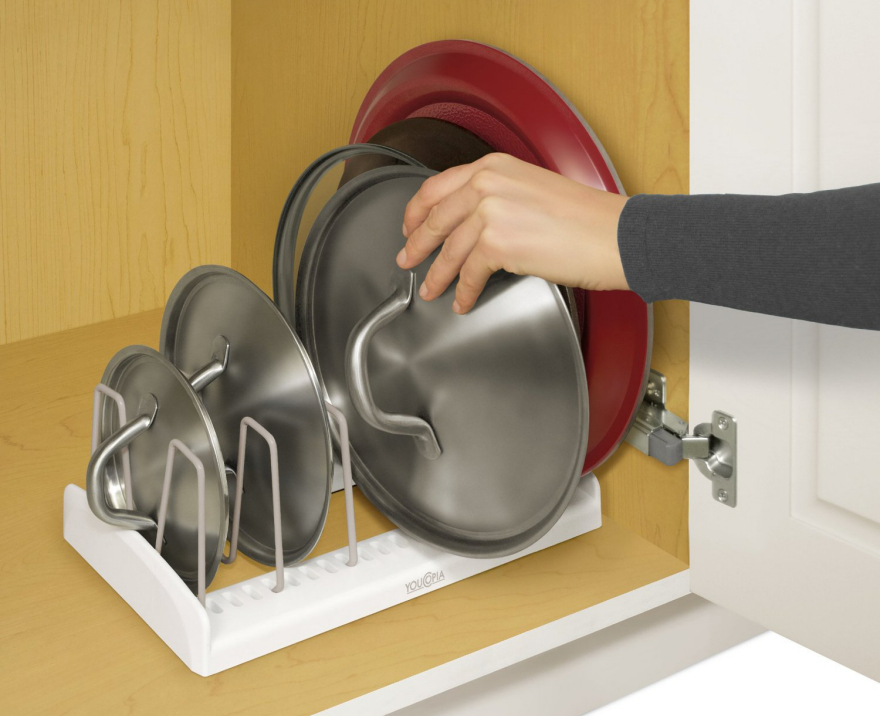
Most people think horizontally when they organize. They line things up side-by-side. But the real secret to unlocking cabinet potential is thinking vertically. Shelf risers are the unsung heroes here. They are simple, inexpensive, and incredibly effective. By adding a mini-shelf inside a cabinet, you instantly double your usable surface area. You can stack plates on the bottom and bowls on top. Or store mugs underneath and glasses above. This vertical separation ensures that everything is visible. You aren’t guessing what’s in the back row because there is no back row anymore. Everything is front and center.
Corner cabinets are notorious black holes. You put something in there, and it disappears into the void. But in 2026, we have better solutions. Rotating carousel systems, often called Lazy Susans, transform these awkward angles into functional storage. You give the shelf a spin, and suddenly, that jar of tahini you lost six months ago is right there. If a full carousel feels too bulky, tiered corner shelving units can also work wonders. They maximize vertical space while keeping items visible. No more digging. No more forgetting what you have. Just easy, rotational access.
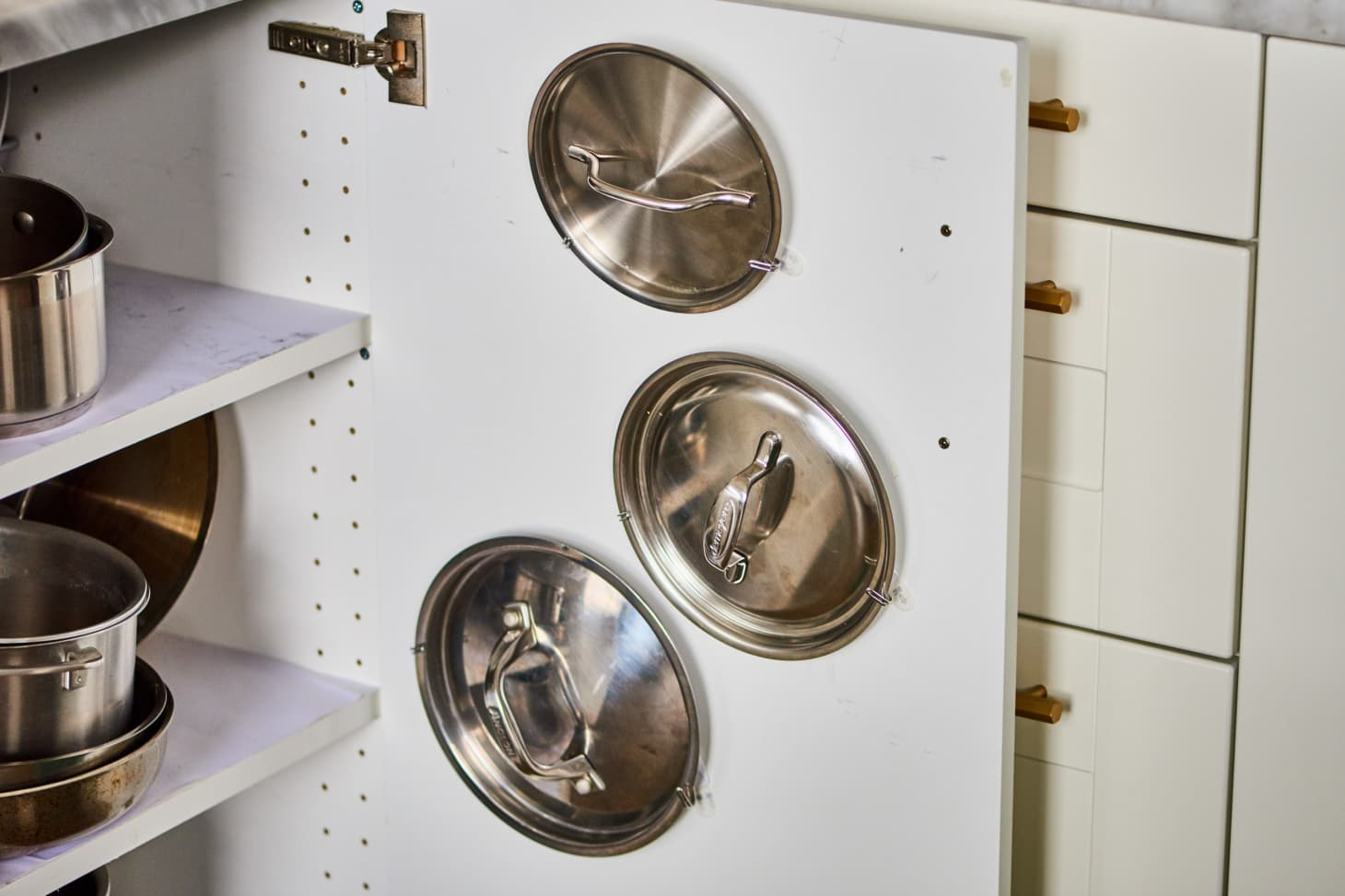
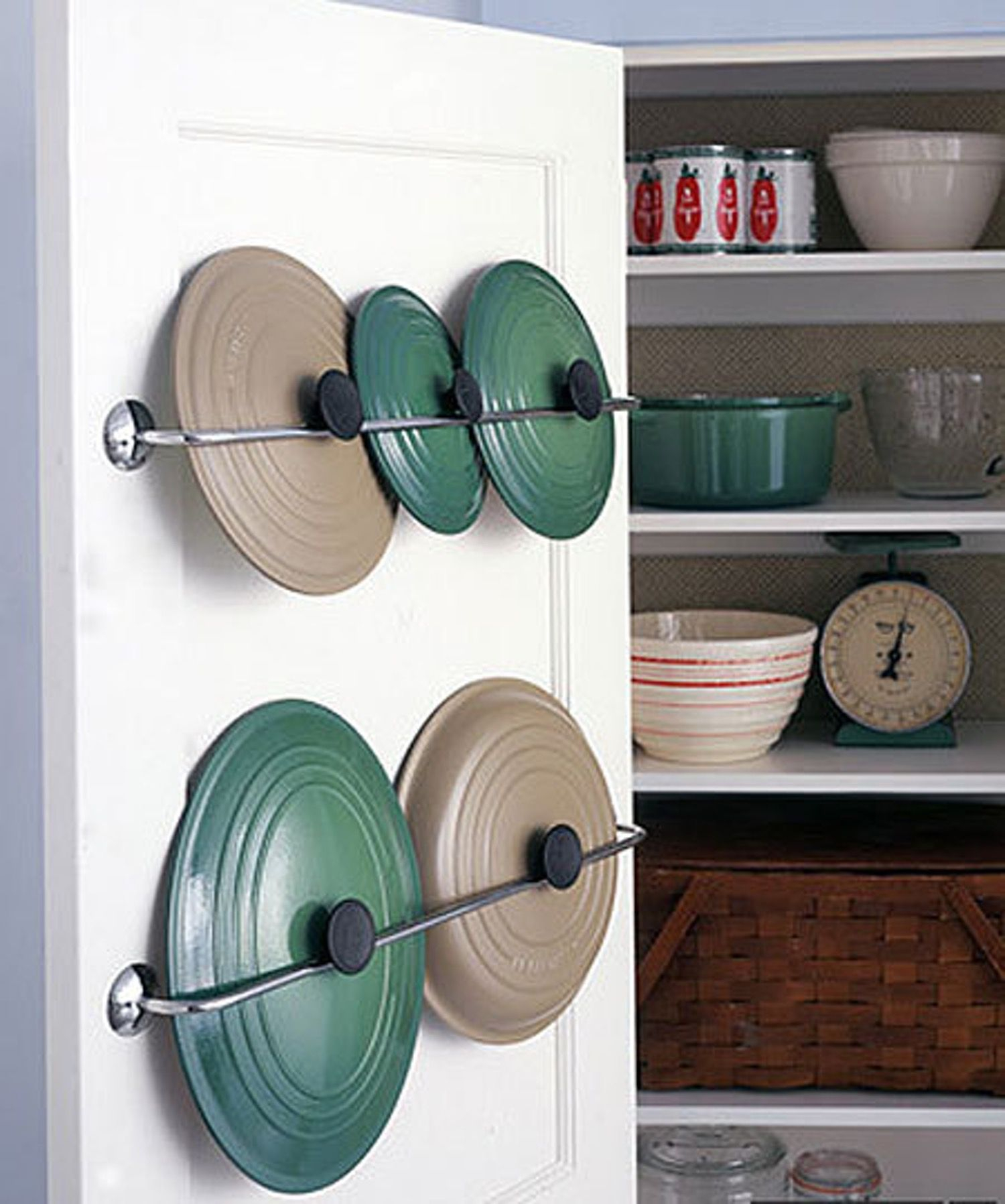
For those really tall, awkward gaps between shelves, look into adjustable shelving. Many modern cabinets come with pre-drilled holes that allow you to move the shelves up or down. Use this flexibility. If your cereal boxes are hitting the shelf above, move it up. If your spice jars are drowning in empty space, move it down. Customizing the height of your shelves to fit your specific items eliminates wasted air. And don’t ignore the inside of cabinet doors. Slim door racks can hold spices, foil, or cleaning supplies. It’s free real estate that often goes unused. By exploiting every vertical inch, you reclaim square footage you didn’t know you had.
Accessibility for All: Designing for Ease and Independence
Accessibility isn’t just a buzzword; it’s about making sure your kitchen works for everyone, regardless of age, height, or ability. A truly accessible cooking station considers the user’s physical comfort. For instance, heavy items like cast iron skillets or large pots of stock should be stored at waist level, not on high shelves or deep bottom corners. Lifting a heavy pot from above your head is a recipe for injury. Bending down to lift it from the floor is tough on the knees. Waist-level storage is the sweet spot. It’s ergonomic. It’s safe.
Pull-out mechanisms are your best friend here. As mentioned earlier, pull-out bins for trash and recycling are essential. But extend this logic to pantry items too. Wire baskets that slide out allow you to see and reach cans and boxes at the back without straining. For individuals using wheelchairs or those with limited reach, lower countertops and open shelving below the standard height can make a huge difference. Ensure there is knee clearance under key prep areas. This allows for a seated cooking experience if needed. It promotes independent living and reduces reliance on others for basic meal prep tasks.
Lighting plays a subtle but powerful role in accessibility too. Dark cabinets make it hard to see what’s inside, leading to frustration and accidents. Consider installing battery-operated LED strip lights inside deep cabinets or pantries. Motion sensors are great because they turn on automatically when you open the door. Suddenly, you can see the label on that can of beans. You can spot the expiration date. Small tweaks like these remove barriers. They make the kitchen inviting rather than intimidating. When your space adapts to you, cooking becomes an act of care rather than a struggle.
The Magic of Containers: Containing the Chaos
Now that you’ve purged, zoned, and optimized the structure, it’s time to talk about containment. Bins, baskets, and jars are not just for aesthetics; they are functional tools. Clear containers are particularly useful because they let you see contents at a glance. Imagine opening a pantry door and seeing uniform jars of rice, pasta, and lentils. You know exactly how much you have left. You don’t have to open five different boxes to find the one with the crackers. This visual clarity reduces decision fatigue. It makes inventory checks quick and easy.
However, don’t go overboard with matching sets if it breaks the bank. Functionality trumps uniformity. Use what you have. Old shoeboxes can be covered in contact paper to create drawer dividers. Glass jars from pasta sauce can be cleaned and reused for dry goods. The key is consistency in shape and size within each zone. Square or rectangular containers pack tighter than round ones, leaving less wasted space between them. Label everything. Yes, even if you think you’ll remember. Labels save time. They help other family members put things back in the right place. They maintain the order you’ve worked hard to create.
For small items like tea bags, snack packets, or spice blends, use small bins or baskets. This prevents the "drawer dump" effect where tiny items scatter everywhere. Grouping them into a single container means you only have to pull out one item to access ten. It’s efficient. It’s tidy. And it keeps the clutter contained. If a bin gets messy, you only have to organize that one bin, not the entire drawer. This modular approach makes maintenance manageable. It turns a huge cleaning task into a series of small, easy wins.
Here’s the truth: organization is not a one-time event. It’s a habit. You can have the most beautiful, perfectly zoned kitchen in the world, but if you don’t maintain it, the clutter will creep back in. Life happens. Busy weeks. Holidays. Guests. Things get displaced. The key is to schedule regular resets. Maybe it’s a quick five-minute tidy-up every night before bed. Or a deeper review once a month. Check your zones. Are the everyday items still in the easiest spots? Has a new gadget taken over prime real estate? Adjust as needed. Flexibility is crucial.
Adopt a "one-in, one-out" rule. If you buy a new mug, an old one has to go. If you get a new blender, the old juicer you never uses needs to leave. This prevents accumulation. It keeps your inventory lean and relevant. Also, be kind to yourself. If you slip up and let the junk drawer fill up again, don’t beat yourself up. Just reset. Organization is a practice, not a performance. It’s about creating a space that supports your life, not judging your worth based on how straight your spoons are lined up.
Finally, celebrate the small victories. Notice how much faster you can make breakfast now that the oats and bowls are right there. Appreciate the calm of opening a cabinet and seeing order instead of chaos. These small moments add up. They change your relationship with your kitchen. It becomes a place of creativity and nourishment rather than stress and clutter. In 2026, as we continue to value our home environments more than ever, this shift is profound. Your kitchen is ready to serve you. All you had to do was clear the way.
So, take a deep breath. Look at your cabinets. See them not as problems, but as opportunities. Opportunities to simplify. To streamline. To make your daily life just a little bit easier. You don’t have to do it all today. Start with one shelf. One drawer. One zone. Build from there. The journey from cluttered to accessible is rewarding. And the destination? A kitchen that truly works for you.