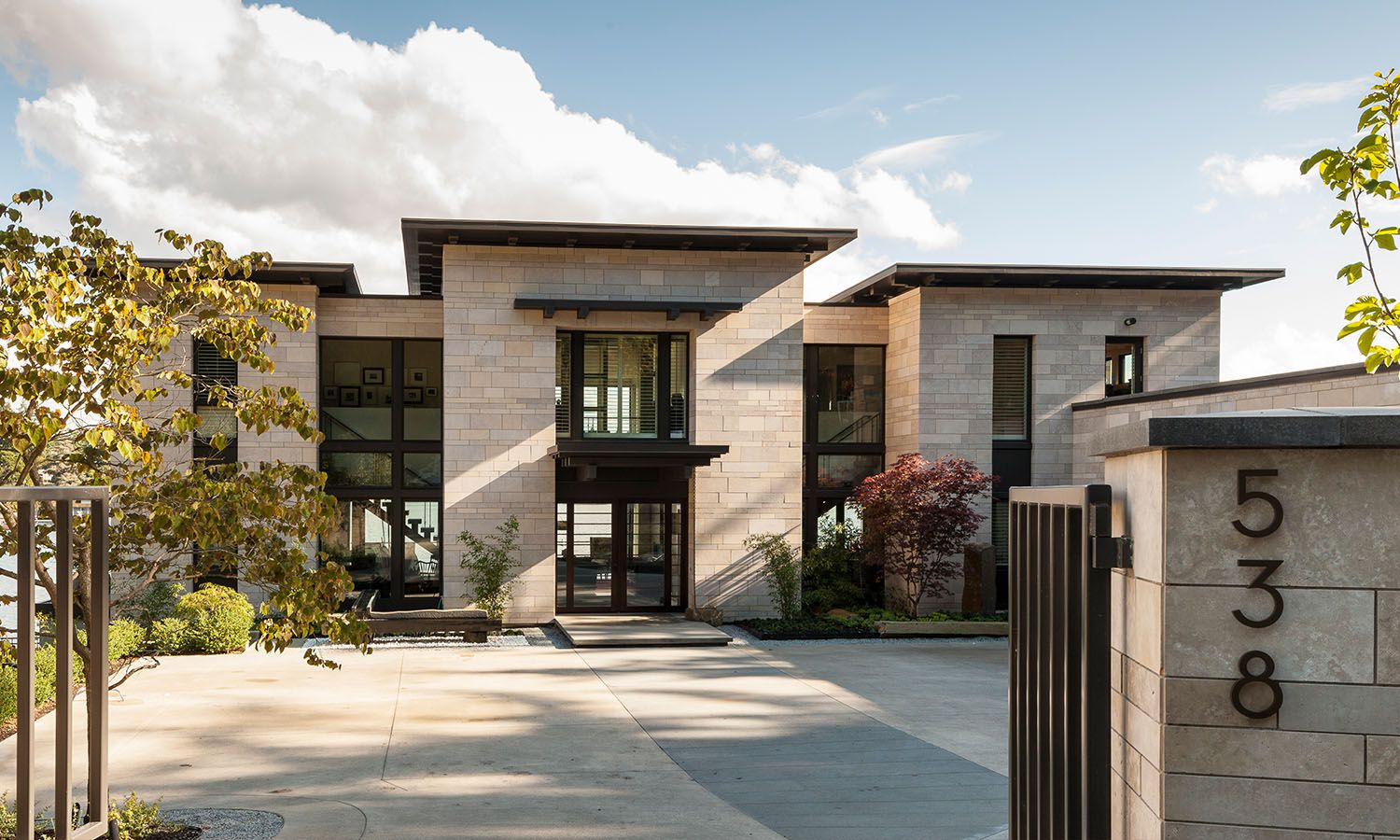
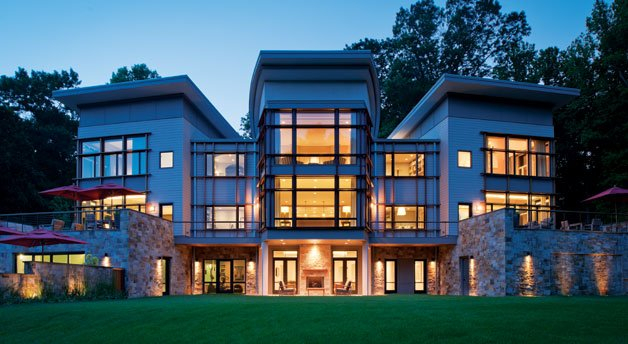
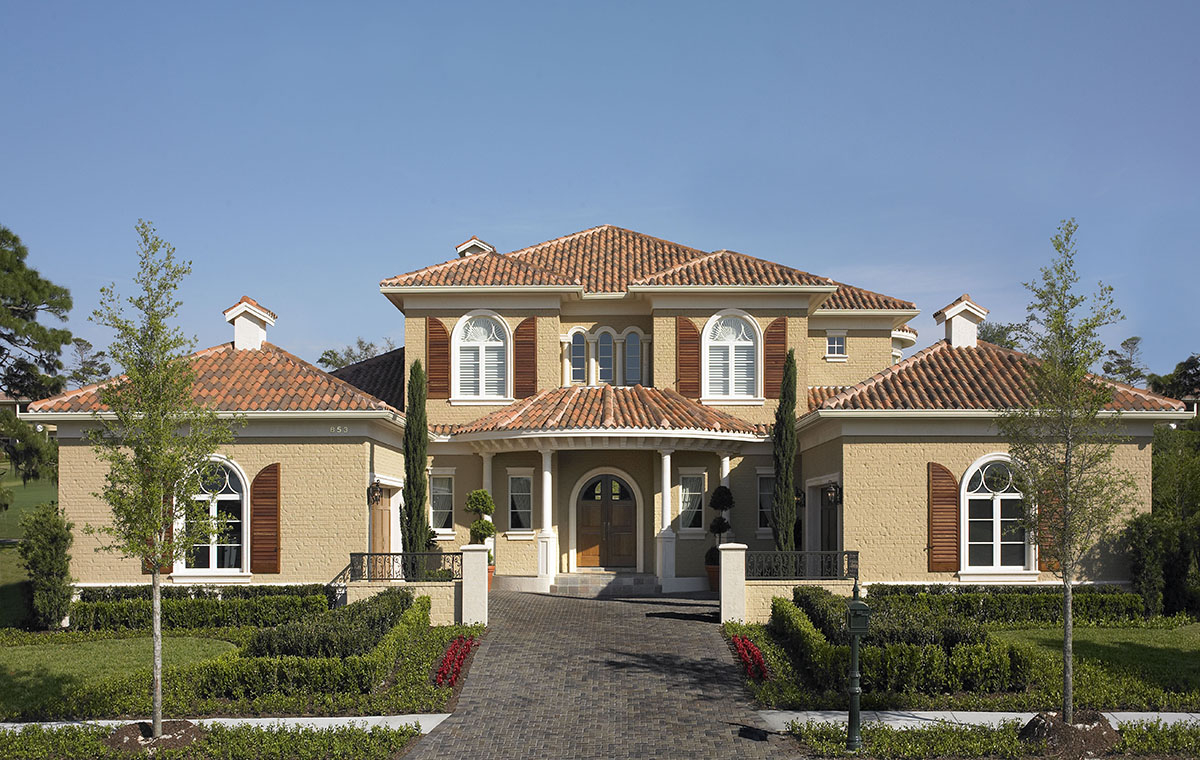
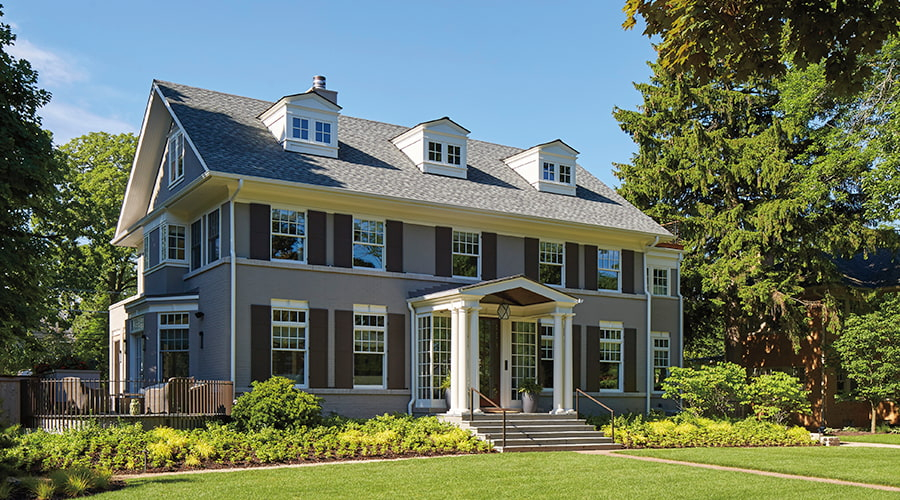
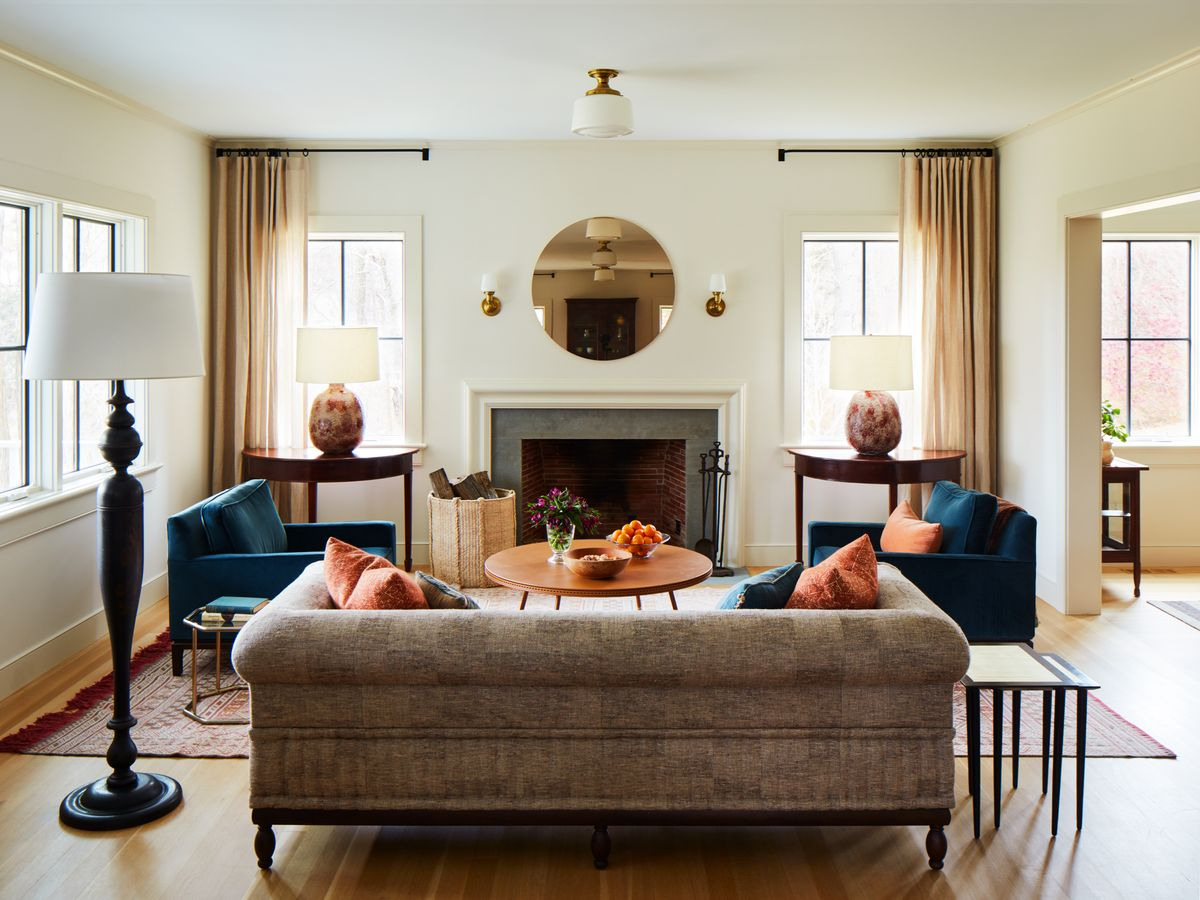
You know that feeling when you walk into a house that feels like a museum? Everything is perfect. Too perfect. The rugs don’t have a wrinkle. The chairs look like they’ve never been sat in. That’s the trap of the old-school Traditional Revival style. It was about looking the part, honoring history with a sort of rigid devotion. But lately, something has shifted. We’re seeing homes that keep the soul of those early American structures but breathe new life into them. It’s less about reenacting the past and more about living in it.
In 2026, the line between "old" and "new" isn’t just blurred; it’s been erased and redrawn. People are tired of choosing between cold, sterile modernism and stuffy, dark traditionalism. They want both. They want the warmth of wood and the comfort of symmetry, but they also want open floor plans and light that floods every corner. This is where Modern Colonial steps in. It’s not just a trend. It’s a response to how we actually live now. It takes the bones of the 18th and 19th centuries and gives them a 21st-century heartbeat.
So, what exactly makes this new iteration different from the Revivals of the 1920s or the 1980s? It’s not just about swapping out chandeliers for pendant lights. It’s a fundamental shift in philosophy. The Traditional Revival was about preservation and imitation. Modern Colonial is about adaptation and evolution. It asks, "How can this old form serve us better today?" And the answers are changing the way we build, decorate, and feel in our own homes. Let’s dig into the details, because the devil—and the delight—is definitely in them.
The Shift from Imitation to Interpretation
Traditional Colonial Revival, which peaked in popularity between 1900 and the 1950s, was largely an exercise in nostalgia. Architects and homeowners wanted to connect with a perceived golden age of American simplicity and virtue. The goal was accuracy. If you built a Georgian Revival home, you used brick, you centered the door, and you made sure the windows were double-hung with multiple panes. It was respectful, sure, but it was also a bit like wearing a costume. You were playing a role. The National Park Service notes that even military buildings from the late 1800s used this style to project authority and permanence, mimicking the past to legitimize the present.
Modern Colonial, by contrast, doesn’t care much for costumes. It cares about essence. As Marcella Domonkos, a principal designer, pointed out recently, this style is a "nod" to tradition, not a copy. It’s streamlined for how we live now. In 2026, we aren’t trying to prove our patriotism through our siding choices. We’re trying to create spaces that feel calm and grounded. The Modern Colonial approach takes the core principles—symmetry, proportion, balance—and strips away the ornate excess. It interprets the past rather than imitating it. This means you might see a symmetrical facade, but the materials could be a mix of traditional brick and sleek, modern steel or glass.
This shift allows for a lot more creativity. In the old Revival style, breaking the rules was seen as a mistake. In Modern Colonial, breaking the rules is the point, as long as you understand why they existed in the first place. You might keep the central hallway layout because it works for privacy, but you’ll knock down the walls at the back to create a massive kitchen-living area. It’s an intellectual engagement with history, not just a visual one. The result is a home that feels timeless without feeling dated. It respects the ancestors but doesn’t let them dictate the dinner menu.
Breaking the Box: Interior Layouts and Flow
If you’ve ever toured a true Colonial Revival home, you know the drill. Box after box after box. Rooms were distinct, separate entities. The parlor was for guests. The dining room was for eating. The kitchen was for staff (or just cooking, hidden away). This compartmentalization made sense in the 18th century and even in the early 20th, when social norms were rigid and heating efficiency relied on smaller spaces. But try hosting a dinner party in a house like that today. It feels disjointed. You’re stuck in the kitchen while everyone else is in the living room. It’s isolating.
Modern Colonial flips this script entirely. The exterior might still look like a neat, symmetrical box, but the inside is often an open, flowing landscape. This is the biggest practical difference you’ll notice in 2026 listings. Designers are keeping the structural symmetry of the front of the house but blowing out the rear. Think of it as a formal handshake at the front door and a warm hug in the backyard. The "Modern" part of the name really shines here. It embraces the contemporary desire for connectivity. Walls come down. Islands become the heart of the home. Sightlines stretch from the entryway all the way to the garden.
However, it’s not a total free-for-all. Pure modern open-concept can sometimes feel chaotic or lack definition. Modern Colonial uses the traditional grid to create zones within the open space. Instead of walls, you might use changes in ceiling height, flooring materials, or furniture placement to define areas. A large beam might mark the transition from living to dining, echoing the structural honesty of old timber frames. It’s a clever trick. You get the airy, social vibe of modern living, but you retain the cozy, defined feelings of traditional rooms. It’s the best of both worlds, really. No more shouting across the house to ask who’s doing the dishes.
Material Honesty Meets Contemporary Texture
Let’s talk about what these houses are made of. Traditional Revival homes were obsessed with appearing authentic. If it looked like wood, it was wood. If it looked like stone, it was stone. But often, the craftsmanship was mass-produced to look hand-hewn. There was a certain heaviness to it. Dark woods, heavy drapes, thick carpets. The palette was rich but often dim. It felt substantial, yes, but it could also feel oppressive if you weren’t careful with lighting. The goal was to convey wealth and stability through density.
Today’s approach is lighter, both visually and physically. Modern Colonial designers in 2026 are mixing traditional materials with unexpected, contemporary ones. You’ll still see clapboard siding and brick, but they might be paired with blackened steel window frames or large expanses of clear glass. The texture game has changed too. Instead of heavy, patterned wallpapers, you’re seeing textured plasters, limewash paints, and natural linens. The focus is on tactile quality rather than visual noise. It’s about how a surface feels under your hand, not just how it looks from across the room.
Light plays a huge role here, too. Traditional Revivals often fought against the dark, using heavy fabrics to block out drafts and glare. Modern Colonial invites the light in. Large windows are common, even if they are arranged in a traditional symmetrical pattern. The materials chosen reflect this brightness. Lighter oak floors replace dark mahogany. White or off-white walls bounce light around, making spaces feel larger and airier. It’s a fresher take. As noted in recent design inspirations, the mix of traditional and modern elements helps the style feel intentional, not forced. It’s not about hiding the modern conveniences; it’s about integrating them so seamlessly that you barely notice the jump in centuries.
The Evolution of Symmetry and Proportion
Symmetry is the backbone of any Colonial style. You can’t have one without the other. But the way we apply that symmetry has evolved. In Traditional Revival, symmetry was absolute. If you had a window on the left, you had one on the right. Period. If the interior layout didn’t match, too bad. The facade was king. This often led to awkward interior spaces just to maintain the external look. It was form over function, strictly speaking. The house looked perfect from the street, even if the closet was in a weird spot.
Modern Colonial treats symmetry more like a guideline than a law. It’s often applied selectively. The front elevation might be perfectly balanced, giving that classic, welcoming curb appeal. But as you move around the house, the symmetry relaxes. You might have a symmetrical fireplace wall in the living room, but the kitchen adjacent to it is asymmetrical and functional. This selective application creates visual interest. It keeps the eye moving. It prevents the space from feeling static or boring. In 2026, homeowners appreciate this nuance. They want the orderliness of symmetry without the rigidity.
Proportion, however, remains sacred. This is where the expertise really shows. A Modern Colonial home still adheres to classical proportions—the ratio of window height to width, the scale of the columns, the pitch of the roof. But these proportions are often scaled up. Ceilings are higher. Doorways are wider. This accommodates modern furniture and our taller average height. It also lets in more light. The "feel" is still balanced and harmonious, but the scale is grander and more accommodating. It’s a subtle shift, but it makes a massive difference in how livable the space feels. You don’t feel like you’re shrinking to fit the house; the house expands to fit you.
Color Palettes: From Moody to Airy
If you walked into a typical 1920s Colonial Revival home, you’d likely be greeted by deep greens, burgundies, and navy blues. These colors were popular because they hid soot and dirt from coal heating and gas lamps. They created a cozy, enclosed feeling. But they also made rooms feel smaller and darker. Traditional Revival decor leaned into this, using heavy woods and rich textiles to complete the look. It was elegant, no doubt, but it wasn’t exactly cheerful. It was serious.
Modern Colonial throws the windows open, literally and figuratively. The color palette has shifted dramatically toward neutrals, whites, and soft earth tones. Think warm whites, creamy beiges, soft grays, and pale blues. These colors reflect light, enhancing the sense of space and airiness. They provide a calm backdrop for the architectural details to shine. When color is used, it’s often as an accent rather than a dominant force. A black front door. A navy island in a white kitchen. These pops of color ground the space without overwhelming it.
This shift isn’t just about aesthetics; it’s about mood. In our high-stress, always-on world, homes are becoming sanctuaries. We want spaces that feel restful and clear. The heavy, moody palettes of the past can feel draining to some modern eyes. The lighter, airier palette of Modern Colonial feels cleansing. It’s easier to keep clean, too, which is a practical bonus for busy families. Plus, these neutral backgrounds make it easier to change up decor over time. You’re not stuck with a dark green living room for twenty years if you decide you want a brighter vibe. It’s flexible. It adapts to you.
Let’s be real: we don’t live like people did in 1776 or even 1920. We work from home. We cook elaborate meals on weeknights. We have kids running around with tablets. We need homes that can handle this chaos gracefully. Traditional Revival homes weren’t built for this. Their closets were tiny. Their bathrooms were few and far between. Their kitchens were afterthoughts. Adapting an old Revival home often meant painful renovations to make it functional. Modern Colonial builds these needs in from the start.
In 2026, a Modern Colonial home is designed with lifestyle at the forefront. This means spacious mudrooms for dropping off gear. Home offices that are integrated into the design, not shoved into a damp basement. Kitchens that are large enough for multiple cooks and casual dining. Bathrooms that are spa-like retreats, not just utilitarian stops. The "Modern" label does a lot of heavy lifting here. It signals that the house works. It’s not just a pretty face. It’s a machine for living, disguised as a piece of history.
Technology is also seamlessly integrated. In a Traditional Revival, hiding wires and smart home devices was a nightmare. In Modern Colonial, it’s part of the plan. Charging stations are built into cabinetry. Lighting is automated but controlled via classic-looking switches. Security systems are invisible. The goal is to have all the conveniences of a smart home without the tech clutter ruining the aesthetic. It’s about frictionless living. You get the charm of the past with the ease of the future. And honestly, isn’t that what we all want? A home that looks beautiful but doesn’t require a degree in engineering to operate.
Wrapping it all up, the difference between Modern Colonial and Traditional Revival isn’t just about style points. It’s about mindset. The Revival style looked backward with reverence, trying to preserve a specific moment in time. Modern Colonial looks forward, using the past as a toolkit for building better, more livable spaces today. It’s less about rules and more about rhythm. Less about imitation and more about inspiration.
As we move further into 2026, this hybrid approach shows no signs of slowing down. It resonates because it feels honest. It acknowledges our history without being trapped by it. It offers the comfort of tradition with the freedom of modernity. Whether you’re building from scratch or renovating an older home, understanding this distinction can help you make choices that feel right for your life. You don’t have to choose between the charm of the past and the convenience of the present. You can have both. You just have to know how to blend them.
So, next time you see a house with a symmetrical facade but a sleek, open interior, don’t just call it "traditional." Look closer. Notice the light. Feel the flow. Appreciate the mix of materials. It’s likely a Modern Colonial, and it’s probably trying to tell you a story about how we live now. And it’s a pretty good story, if you ask me. It’s warm, it’s welcoming, and it’s ready for whatever comes next.