You walk into the room. The door slides shut with a soft whisper. Suddenly, the noise of the day just… stops. It’s not empty. It’s full of space. Full of air. This is the magic of a Japanese-inspired bedroom. It doesn’t shout for attention. It waits. It invites you to breathe. In 2026, where our lives are faster and louder than ever, this kind of quiet isn’t just nice to have. It’s essential. We are all looking for that pause button. That safe harbor. And surprisingly, the answer might lie in stripping things away rather than adding them on.
Think about your own bedroom right now. Is it a place where you truly rest? Or is it just another storage unit for clothes you don’t wear and gadgets you barely use? For many of us, the bedroom has become a catch-all. But what if we looked at it differently? What if we treated it as a sanctuary first? Japanese design teaches us that less isn’t about deprivation. It’s about making room for what matters. It’s about clarity. When you clear the clutter, you clear your mind. That’s the promise. And honestly? It’s a promise worth keeping.
The Philosophy of Less: Why Empty Space Matters
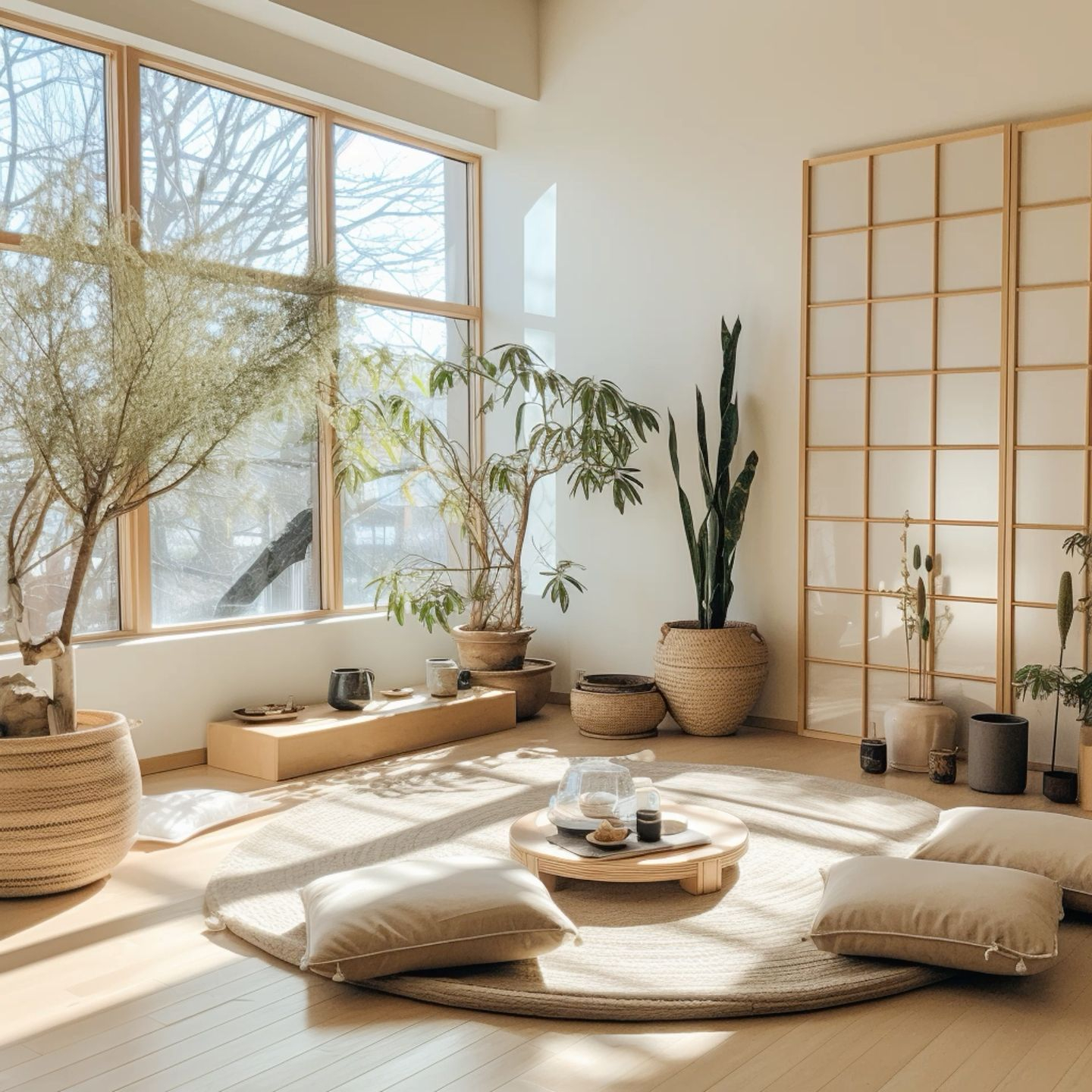
At the heart of every great Japanese bedroom is a concept called ma. You won’t find a direct translation in English, but it roughly means "negative space" or "the gap." It’s the silence between notes in a song. In Western design, we often fear empty space. We rush to fill every corner with a lamp, a rug, a picture frame. We think empty equals unfinished. But in Japanese aesthetics, empty space is active. It allows the eye to rest. It gives the objects in the room room to breathe. Without ma, a room feels heavy. Suffocating, even. With it, the room feels expansive, no matter how small the square footage actually is.
This philosophy changes how you look at furniture. Instead of asking "What else can I fit here?", you ask "What can I remove?" It’s a shift in mindset. In 2025 and 2026, designers have been doubling down on this idea. They aren’t just selling furniture; they are selling peace. Studies on sleep hygiene consistently show that visual clutter increases cortisol levels. Your brain is constantly processing the items around you, even when you’re trying to sleep. By embracing ma, you reduce that cognitive load. You create a visual silence that signals to your body: it’s time to power down. It’s not just decor. It’s biology.
So how do you start? Look at your floor. Can you see more of it? If not, maybe that extra chair needs to go. Maybe those stacks of books can move to the living room. Start by clearing surfaces. Nightstands should hold only what you need for the night. A glass of water. A book. Nothing else. It feels strange at first. You might feel like something is missing. But give it a week. You’ll start to notice the light hitting the floorboards. You’ll notice the texture of the wall. You’ll start to appreciate the space itself, not just the stuff in it. That’s the power of ma.
Grounding Your Space: Low Profiles and Natural Materials
One of the most striking features of a traditional Japanese bedroom, or washitsu, is how close everything sits to the ground. In the West, we love our high beds. They feel grand. Imposing. But in Japanese design, staying low creates a sense of stability. It grounds you. A low wooden platform bed, often made from solid oak, cedar, or walnut, anchors the room without dominating it. Because it’s lower, the ceiling feels higher. The room feels bigger. It’s a simple trick, but it works wonders in smaller modern apartments where every inch counts.
The materials matter just as much as the height. Nature is the ultimate designer here. You want wood that shows its grain. Stone that feels cool to the touch. Cotton and linen that soften with every wash. Avoid plastics. Avoid shiny metals. These materials feel cold and artificial. They disrupt the calm. In 2026, there’s a huge push towards sustainable, untreated woods. People are tired of veneers that peel after a year. They want real wood that ages beautifully. A scratch on an oak bed frame tells a story. It adds character. It connects you to the natural world, even when you’re indoors.
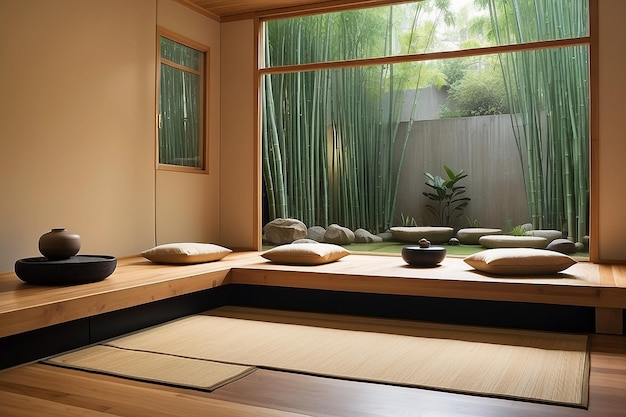
Consider the tatami mat. Traditionally, these woven straw mats were the floor covering of choice. Today, you might not want to sleep directly on straw, but the aesthetic remains. You can use tatami-style rugs or simply choose flooring that mimics that warm, organic feel. Bamboo is another great option. It’s durable, sustainable, and has a lovely subtle pattern. When you walk barefoot across these surfaces, you feel connected to the earth. It’s a tactile experience. And in a world where we spend so much time staring at screens, touching something real is grounding. It reminds us we are human.
Light and Shadow: The Art of Soft Illumination
Lighting can make or break a bedroom. Harsh overhead lights are the enemy of relaxation. They mimic midday sun, telling your brain to stay awake. Japanese design favors soft, diffused light. Think of the glow through a shoji screen. These traditional paper screens filter sunlight, turning harsh beams into a gentle, even luminescence. It’s beautiful. It’s calming. While you might not have actual shoji screens in your modern home, you can mimic this effect. Use rice paper lamps. Or choose fabric shades that soften the bulb’s glare. The goal is to eliminate shadows that are too sharp. You want gradients. Soft transitions from light to dark.
In recent years, technology has caught up with this ancient wisdom. Smart lighting systems in 2026 are incredibly advanced. You can set your lights to change color temperature throughout the day. In the morning, they mimic the bright, blue-rich light of sunrise to help you wake up. As evening approaches, they shift to warmer, amber tones. This supports your circadian rhythm naturally. It’s not just about ambiance; it’s about health. By aligning your indoor light with the outdoor cycle, you sleep better. You wake up easier. It’s a seamless blend of old-school zen and new-school tech.
Layering is key. Don’t rely on one single source. Use a combination of floor lamps, table lamps, and perhaps some subtle LED strips hidden behind headboards or under platforms. The light should seem to come from everywhere and nowhere. It should wrap around the room like a blanket. Avoid pointing lights directly at your bed. You want to see the room, not be blinded by it. Dimmers are your best friend. Being able to lower the light to a faint glow before sleep helps signal to your body that the day is over. It’s a ritual. A small act that prepares you for rest.
The Flow of Energy: Simplicity in Layout and Function
A Japanese bedroom is never just a place to sleep. It’s a multi-functional space. Traditionally, rooms would serve as living areas during the day and bedrooms at night. Furniture was lightweight and movable. While we don’t necessarily fold up our beds every morning in modern homes, the principle of flexibility remains important. The layout should encourage flow. There should be clear paths to walk. No obstacles. No tripping hazards. This openness allows energy, or qi, to move freely. When energy gets stuck behind clutter, the room feels stagnant. When it flows, the room feels alive.
Functionality drives every design choice. If an item doesn’t serve a purpose, it doesn’t belong. This is ruthless, but liberating. Do you really need that massive dresser? Or could a few well-placed drawers under the bed suffice? Hidden storage is a hallmark of this style. Keep things out of sight. Out of sight, out of mind. When your belongings are tucked away neatly, your visual field is clean. This reduces anxiety. It creates a sense of order. In 2026, modular furniture is huge because it allows you to customize storage to your exact needs. No wasted space. No bulky units that dominate the room.
Think about the view from your bed. What do you see when you wake up? Ideally, it’s something pleasant. A plant. A piece of art. A window with a view of the sky. Not a pile of laundry. Not a tangled mess of cords. Arrange your furniture to frame these positive views. Keep the line of sight clear. This intentional placement creates a focal point. It draws your eye to beauty rather than chaos. It’s a small detail, but it sets the tone for your entire day. Starting your morning with a clear, calm view can shift your mindset before you even get out of bed.
Bringing the Outside In: Nature as Decor
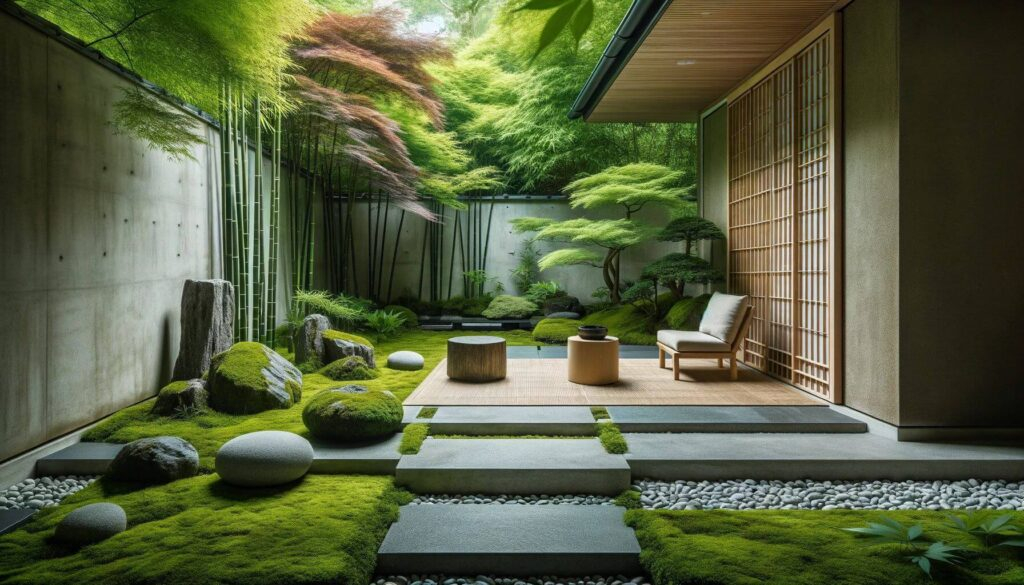
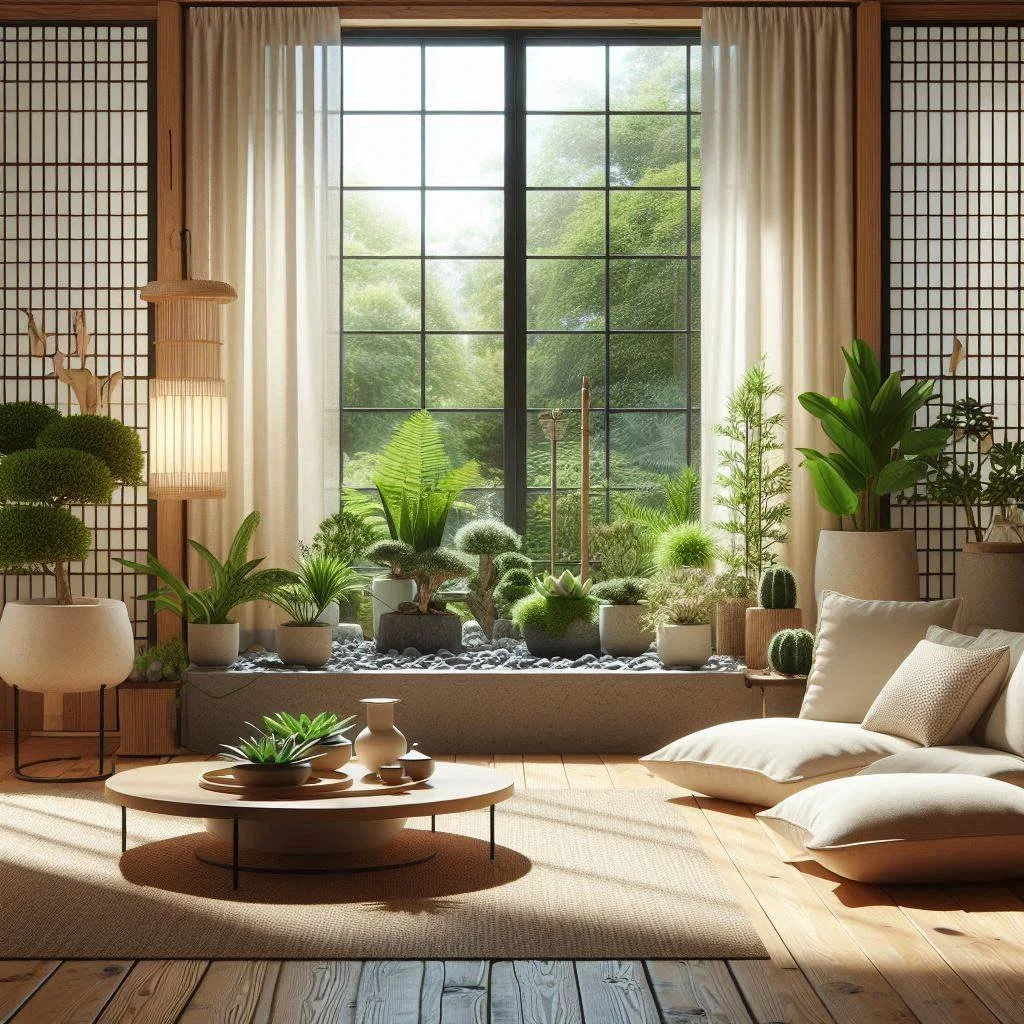
You can’t have a Japanese-inspired space without nature. But it’s not about filling the room with potted plants (though a few are nice). It’s about bringing the essence of the outdoors inside. This is done through materials, colors, and views. The color palette should reflect the natural world. Think earthy tones. Soft greens. Muted browns. Creamy whites. Avoid bright, synthetic colors. They feel artificial. They clash with the natural materials. The goal is harmony. The room should feel like an extension of the garden outside, even if you live in a concrete jungle.
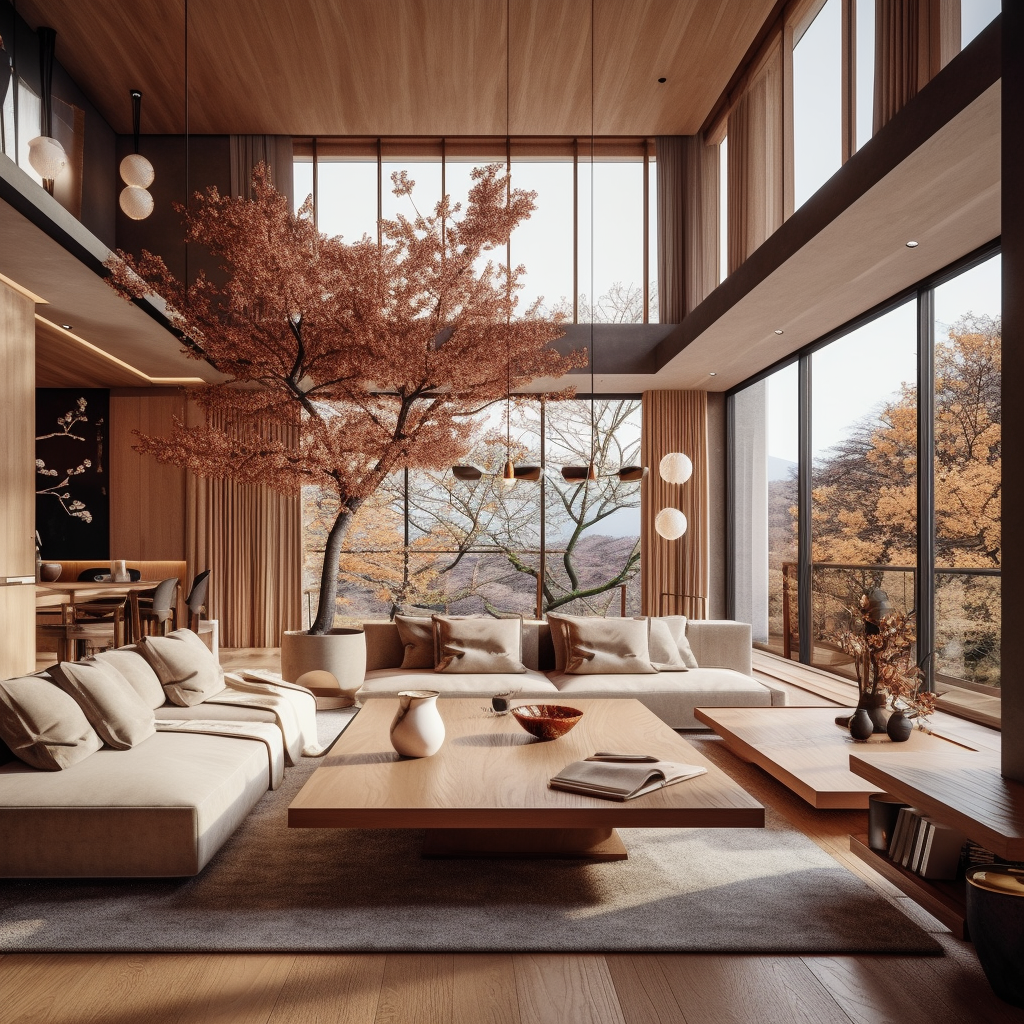
If you have a window, treat it as a picture frame. Don’t block it with heavy curtains. Use sheer fabrics that allow light to filter through. Let the changing seasons be your decor. In spring, you see the green leaves. In autumn, the changing colors. This connection to the passage of time is deeply comforting. It reminds us that change is natural. If your view isn’t great, bring nature in other ways. A single branch in a vase. A stone on a shelf. A bowl of water. These small elements act as anchors. They remind you of the larger world. They bring a sense of scale and perspective.
Textiles play a big role here too. Choose linens made from natural fibers. Cotton, linen, silk. They breathe. They regulate temperature. They feel good against your skin. Synthetic fabrics trap heat and static. They feel cheap. Investing in high-quality natural bedding is one of the best things you can do for your sleep quality. It’s a tactile luxury. And in a minimalist room, texture becomes the main event. Since you don’t have lots of patterns or colors, the weave of the fabric, the grain of the wood, the roughness of the stone—these details take center stage. They add depth without adding clutter.
Some people worry that minimalism means giving up comfort. Or that traditional design doesn’t work with modern life. But that’s a misconception. In 2026, the best Japanese-inspired bedrooms are hybrids. They respect tradition but embrace convenience. You can have a low platform bed with built-in wireless charging. You can have sliding doors with smart locks. The key is integration. Technology should be invisible. It shouldn’t disrupt the aesthetic. Cords should be hidden. Screens should be concealed when not in use. The tech serves you, not the other way around.
Sound is another factor. Traditional homes were quiet. Modern homes are noisy. Consider soundproofing your bedroom. Heavy rugs help. Thick curtains help. Even white noise machines can mask the hum of the city. Creating a sonic bubble is just as important as creating a visual one. Silence is a luxury. Protect it. If you can’t have total silence, aim for consistent, soothing sounds. The rustle of leaves. The sound of rain. These natural sounds are more restful than the jagged noises of traffic or neighbors.
Finally, remember that this is your space. Rules are guidelines, not laws. If you love color, add a splash of indigo. If you need a desk for work, make it sleek and simple. The goal isn’t to create a museum exhibit. It’s to create a home. A place where you can be yourself. Where you can relax. Where you can recharge. Minimalism isn’t about having less for the sake of having less. It’s about having enough. Enough space. Enough light. Enough peace. It’s about finding that sweet spot where your environment supports your well-being. And in today’s hectic world, that’s the ultimate luxury.
Creating a Japanese-inspired minimalist bedroom isn’t a weekend project. It’s a journey. It starts with letting go. Letting go of stuff. Letting go of expectations. Letting go of the need to impress. It’s about turning inward. Asking what you really need to feel safe and rested. It might feel uncomfortable at first. Change always does. But stick with it. Clear one surface. Move one piece of furniture. Add one plant. Small steps lead to big changes. Over time, you’ll find that your bedroom becomes more than just a room. It becomes a refuge. A place where the quiet power of minimalism wraps around you like a warm embrace. And isn’t that what we’re all looking for? A little bit of peace. A little bit of calm. A place to just be.