You walk into a big-box furniture store. The lights are bright, the air conditioning is humming, and there’s a salesperson hovering nearby, ready to help. You spot a sofa you love. It looks comfy. It fits your vibe. Then you flip over the price tag. Your stomach drops. It’s not just expensive; it feels like you’re paying for the building, the electricity, and maybe the salesperson’s lunch.
We’ve all been there. That moment of sticker shock isn’t an accident. It’s the result of a century-old supply chain that adds layer upon layer of cost before the product ever reaches your living room. But lately, things have changed. More and more people are skipping the showroom floor entirely. They’re buying online, directly from the makers. Is it risky? Sure, sometimes. But is it smarter for your wallet? Absolutely.
The shift isn’t just a trend. It’s a correction. By 2026, direct-to-consumer (DTC) furniture brands account for roughly 36% of all furniture sales. That’s a huge chunk of the market. People are waking up to the fact that the "traditional" way of buying couches and tables is bloated with inefficiencies. This article breaks down exactly where your money goes in a traditional store, why DTC models make so much sense today, and how you can navigate this new landscape without getting burned.
The Invisible Layers of Traditional Retail Markups
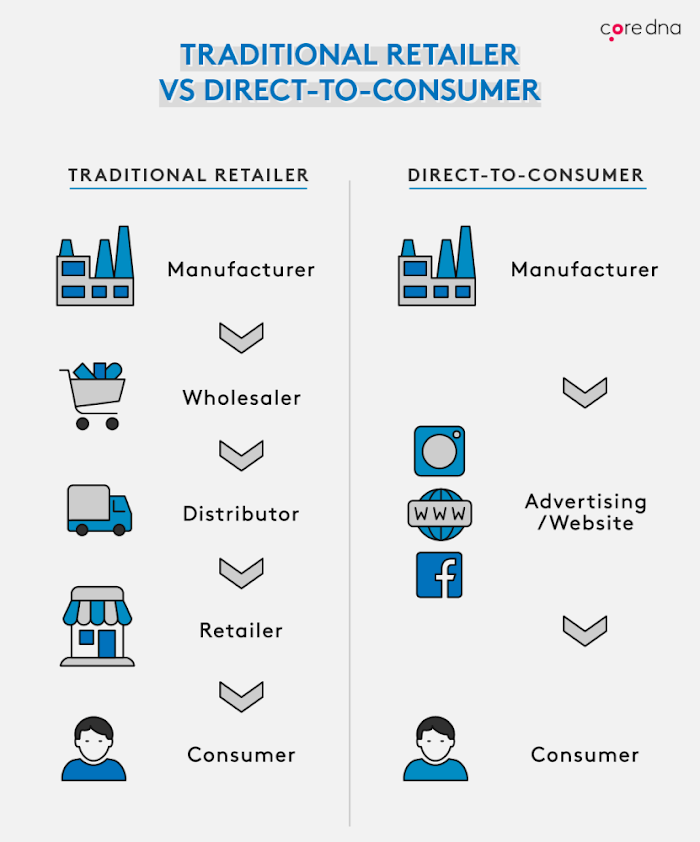
Let’s talk about the journey of a typical sofa sold in a traditional retail store. It starts at the factory, sure. But from there, it doesn’t go straight to you. It goes to a wholesaler or distributor. They take a cut. Then it ships to a regional warehouse. Another fee. Then it sits on a showroom floor in a mall or strip center. The retailer has to pay rent, utilities, insurance, and staff salaries for that space. All of those costs get baked into the final price you see.
In the traditional model, margins are squeezed at every step. The manufacturer sells to the distributor at a wholesale price. The distributor sells to the retailer with their own markup. And the retailer? They often double or even triple the cost to ensure they make a profit after overhead. By the time that sofa reaches you, you might be paying four to five times what it cost to make. It’s not because the sofa is magical. It’s because the system is designed to support a heavy infrastructure.
This structure also means slower innovation. When you have so many middlemen, feedback loops are broken. If customers hate a certain fabric, that info takes months to travel back to the designer. In contrast, DTC brands listen directly to you. They see what sells and what doesn’t in real-time. This agility allows them to cut waste and keep prices lower, because they aren’t guessing what you want. They know.
Where Your Money Actually Goes in a Showroom
Have you ever wondered why furniture stores are always having "sales"? It’s a psychological trick, partly, but it’s also a necessity of the high-markup model. Because the initial prices are inflated to cover all those hidden costs, retailers have to offer discounts to move inventory. You think you’re getting a deal, but you’re often just paying the "real" price that should have been listed in the first place.
Consider the physical footprint. A large furniture retailer needs thousands of square feet to display items. Many of those items are just samples. You can’t take the floor model home. You order it, and it ships from a warehouse weeks later. So you’re paying for the privilege of looking at a piece of furniture that isn’t even the one you’ll receive. That’s inefficient. It’s like test-driving a car that you can’t buy, then ordering a different one from a catalog.
Then there’s the human element. Sales commissions are a significant part of the cost structure in traditional retail. While helpful advice is valuable, high-pressure sales tactics are common because staff need to hit quotas. This creates an uncomfortable shopping experience for many. You’re not just buying a chair; you’re navigating a negotiation. DTC removes this friction. You browse at your own pace, on your own time, without someone asking if they can "help you find something."
The DTC Advantage: Cutting the Cord on Overhead
Direct-to-consumer brands flip the script. They manufacture furniture and sell it directly to you, usually through a website. There’s no wholesaler. No distributor. No expensive showroom in a prime retail location. By cutting out these intermediaries, they save a massive amount of money. And ideally, they pass those savings on to you.
It’s not just about removing steps; it’s about rethinking the entire operation. DTC companies often use digital-first marketing. Instead of paying for a billboard or a TV ad, they might use social media or content marketing to reach you. This is often cheaper and more targeted. They don’t need to maintain a massive inventory of floor models. Many operate on a made-to-order basis, which reduces waste and storage costs.
The result? Higher quality materials for the same price, or the same quality for a lower price. In 2026, this value proposition is clearer than ever. Consumers are more educated. They read reviews. They compare specs. They realize that a $2,000 sofa from a DTC brand might have the same solid wood frame and high-density foam as a $4,500 sofa from a legacy brand. The difference isn’t quality; it’s the business model.
Transparency and Trust in the Digital Age
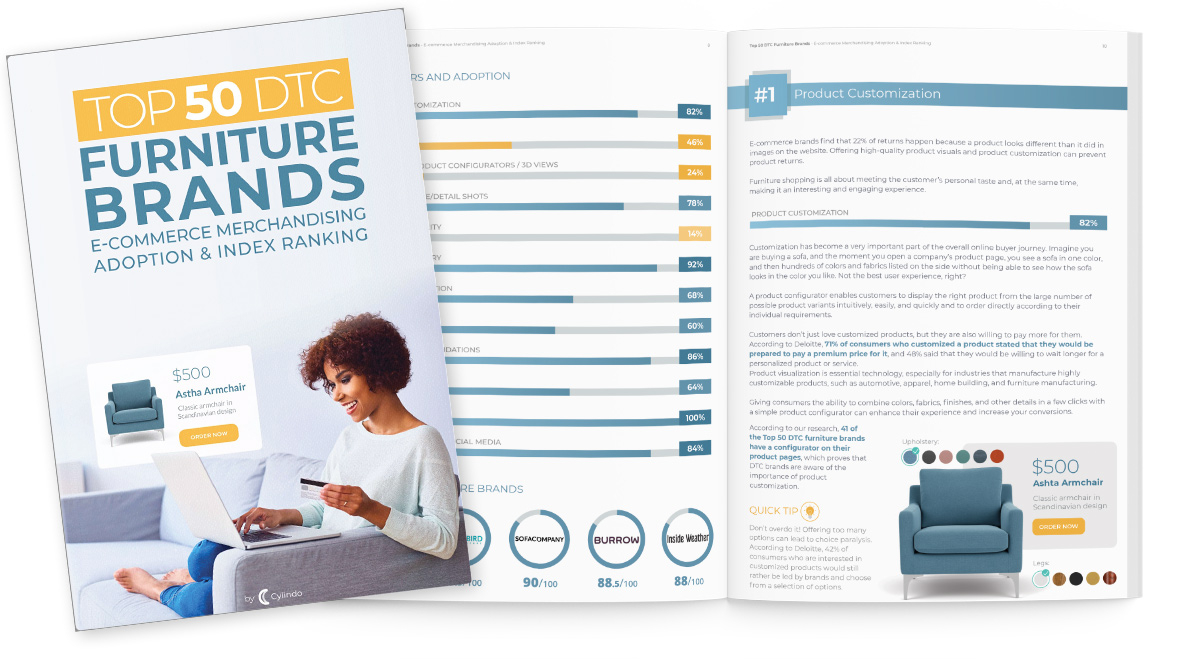
One of the biggest hurdles for online furniture shopping used to be trust. How can you buy a couch without sitting on it? DTC brands have solved this by radical transparency. They provide detailed dimensions, fabric swatches you can order for free, and high-resolution 3D renders. Some even use augmented reality (AR) tools that let you place a virtual version of the furniture in your room using your phone camera.
Reviews play a huge role here. In traditional retail, you rely on the salesperson’s word. In DTC, you rely on the words of thousands of other customers. You can see photos of the product in real homes, not just staged studios. You can read about durability after two years of use. This crowd-sourced validation builds trust in a way that a glossy brochure never could.
Moreover, DTC brands often have better customer service policies because their reputation lives or dies by online sentiment. If they screw up, everyone knows about it on Twitter or Reddit within hours. This forces them to be responsive and fair. Return policies are often more straightforward, though shipping large items back is still a hassle. But the upfront clarity helps you make a better decision initially, reducing the need for returns.
The Reality Check: It’s Not All Perfect
Let’s be real. DTC isn’t a magic wand. There are challenges. Shipping furniture is hard. It’s heavy, bulky, and easy to damage. While DTC brands save on showrooms, they spend heavily on logistics and customer acquisition. As some experts note, DTC has replaced the "middle-man" with other costs, like expensive digital ads and complex fulfillment networks. Finding good customers online is tough and getting pricier.
Also, the tactile experience is missing. You can’t feel the texture of the velvet or test the firmness of the cushion. This leads to a higher rate of returns compared to in-store purchases, although AR and better product descriptions are narrowing this gap. For some people, the risk is too high. They want to see it, touch it, and take it home today.
There’s also the issue of sustainability. While DTC can reduce waste by making to order, the carbon footprint of shipping individual packages to homes across the country can be significant. Traditional retail often ships in bulk to stores, which can be more efficient per unit. However, many DTC brands are now offsetting carbon emissions and using eco-friendly packaging to address this concern. It’s a trade-off, and consumers need to weigh what matters most to them.
So, how do you navigate this new world without regret? Start by measuring your space accurately. Twice. Then, order fabric swatches. Most reputable DTC brands offer them for free or a small fee. Feel the material. Check the color in your own lighting. This small step eliminates most surprises.
Read the fine print on construction. Look for keywords like "kiln-dried hardwood," "high-resilience foam," and "double-doweled joints." Avoid vague terms like "engineered wood" unless you’re okay with particleboard. DTC brands often provide detailed spec sheets. Use them. Compare them to similar items in traditional stores to gauge value.
Check the return policy carefully. Who pays for return shipping? Is there a restocking fee? Some brands offer "white glove" delivery and assembly, which is worth the extra cost if you’re not handy. Others drop a box at your curb. Know what you’re signing up for. And finally, look for brands that have been around for a few years. The DTC space has shaken out the fly-by-night operators. Stick with established players who have a track record of quality and service.
The furniture industry is in the midst of a tectonic shift. The old ways are creaking under the weight of inefficiency, while new models prioritize value, transparency, and convenience. By understanding the hidden costs of traditional retail, you can make smarter choices. Whether you choose DTC or stick with brick-and-mortar, the key is awareness. Don’t just buy a product. Buy into a model that respects your money and your time. In 2026, the power is in your hands. Use it wisely.