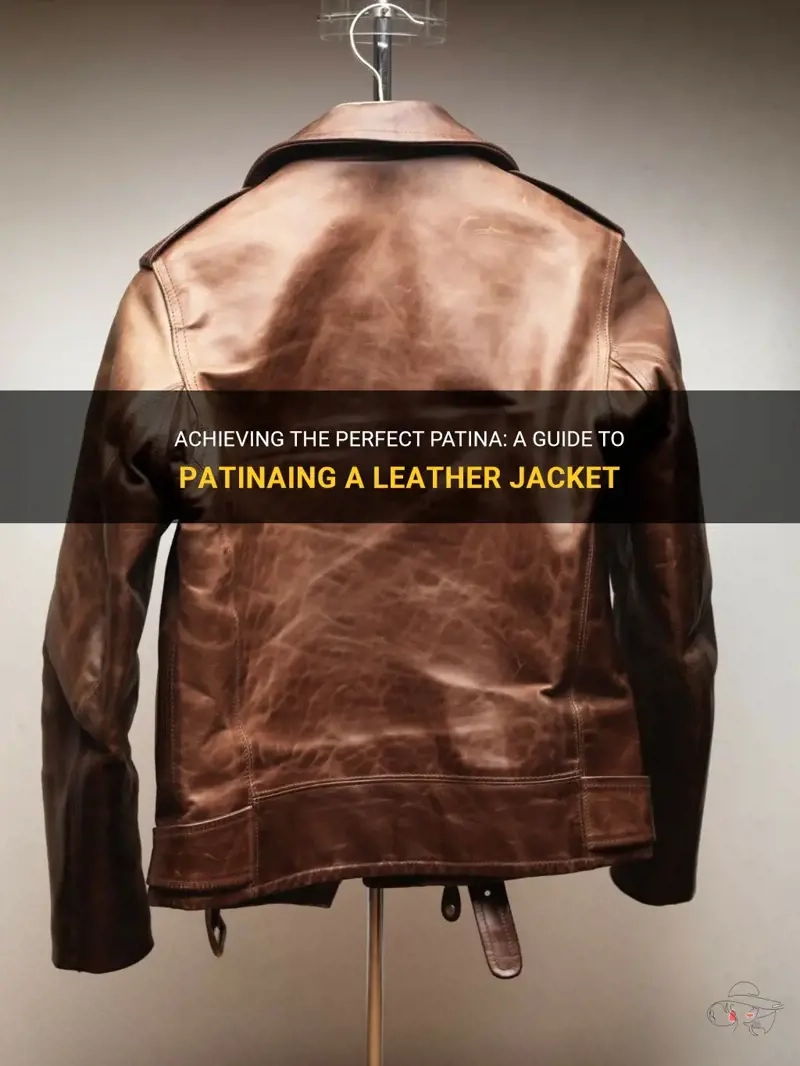
You know that feeling when you pick up a jacket or a bag and it just feels… right? It’s heavy, sure. But it’s also warm. It smells like earth and old libraries and maybe a hint of campfire smoke. That’s not plastic. That’s not some factory-made imitation trying its best to look tough. That’s real leather. Specifically, it’s likely full grain leather. And if you’re lucky, it’s the kind that’s going to get better looking every single year you own it.
But here’s the thing. The market is flooded with stuff that looks similar. Maybe even identical at first glance. You walk into a store in 2026, and everything claims to be "premium." Everything says "genuine." It’s confusing. It’s frustrating. You don’t want to spend your hard-earned cash on something that’s going to peel, crack, or just look sad after six months. You want something with character. Something that tells your story.
So, how do you cut through the noise? How do you know if that beautiful brown wallet is actually going to develop that coveted glow, or if it’s just going to fade into oblivion? It’s not magic. It’s not even that hard, once you know what to look for. You just need to use your senses. Your eyes, your hands, and yes, even your nose. Let’s dive in.
The Myth of Perfection: Why Flaws Are Your Best Friend
Most people think high quality means flawless. Smooth. Perfectly uniform. When it comes to full grain leather, that’s exactly wrong. In fact, if it looks too perfect, run away. Seriously. Full grain leather is the top layer of the hide. It hasn’t been sanded down to remove imperfections. It hasn’t been buffed until all the character is gone. It’s raw. It’s honest.
Look closely at the surface. Do you see tiny pores? Good. Leather is skin, remember? It breathes. If it looks like a sheet of plastic with no texture, it’s probably corrected grain or worse, synthetic. You want to see the natural grain pattern. It should be irregular. No two squares of full grain leather look exactly the same. One might have a tight grain, another might be looser. That variation is proof of life. It’s proof that this was once part of a living animal, not poured from a mold.
Also, keep an eye out for small marks. Maybe a tiny scar from a fence post. A bug bite. A wrinkle. These aren’t defects. They’re signatures. Manufacturers of lower-grade leathers sand these away and then print a fake grain pattern on top. It looks uniform, but it feels dead. Full grain keeps those marks because they don’t affect the durability. They just add soul. If you find a piece with zero blemishes, ask yourself: did nature really make this, or did a machine?
The Touch Test: Feeling the Difference
Close your eyes. Run your fingers across the leather. What do you feel? Full grain leather should feel substantial. It shouldn’t feel like paper, and it shouldn’t feel like rubber. It has a certain density to it. But more importantly, it has texture. You should be able to feel the grain under your fingertips. It’s not slick. It’s not overly coated.
Think about the difference between touching a peach and touching a wax apple. One feels organic, slightly uneven, alive. The other feels smooth, cold, and artificial. Full grain is the peach. It might feel a bit dry at first, especially if it’s vegetable-tanned. That’s normal. It means the fibers are open and ready to absorb oils. Over time, as you use it, those oils from your hands will soak in, making it softer and richer.
If the leather feels plasticky or sticky, that’s a red flag. It likely has a heavy polyurethane coating. This coating seals the leather, preventing it from breathing. And if it can’t breathe, it can’t develop patina. It’ll just wear out. You want leather that feels warm to the touch. Leather that seems to respond to your hand. Give it a gentle squeeze. Does it flex naturally? Or does it resist? Real leather moves with you. It’s supple. It’s forgiving.
The Sniff Test: Trust Your Nose
This might sound weird, but smell is one of the most reliable tools you have. Take a deep breath. What does it smell like? Real full grain leather has a distinct, earthy aroma. It’s rich. It’s complex. Some people describe it as musky. Others say it smells like wood or tobacco. Whatever you call it, it’s unmistakable. It’s the smell of tannins and natural fibers.
Now, compare that to the smell of a new car interior or a cheap belt. That sharp, chemical scent? That’s glue. That’s dye. That’s plastic. If it smells like a factory floor, it’s not full grain. Even if it’s technically "real" leather (like bonded or corrected grain), the heavy processing kills the natural scent. It masks it with perfumes and chemicals.
In 2026, with all the advancements in synthetic materials, some faux leathers are getting better at mimicking the look. But they still struggle with the smell. They often have a faint odor of petroleum or vinyl. It’s subtle, but it’s there. If you’re unsure, bring a small piece of known real leather with you to the store. Compare the two. The difference is usually obvious. Your nose knows. Don’t ignore it.
The Water Drop Experiment
Here’s a simple test you can do right in the shop. Ask permission first, obviously. Don’t just splash water on someone’s merchandise. But if they say yes, take a tiny drop of water and place it on the surface. Watch what happens.
Full grain leather is porous. It’s not waterproof unless it’s been heavily treated (which defeats the purpose of patina). So, the water should slowly soak in. You’ll see the spot darken as the moisture enters the fibers. This is a good sign. It means the leather is breathable. It means it can absorb oils and conditioners later on. It means it’s alive.
If the water beads up and sits on top like a dewdrop on a waxed car, beware. That indicates a heavy sealant or coating. While this might protect against rain, it also blocks the aging process. The leather won’t darken evenly. It won’t develop that deep, rich glow. It’ll just stay the same color until the coating cracks. Note: Some full grain leathers are finished with natural waxes, which might slow absorption, but it should still eventually seep in, not just roll off indefinitely.
Also, don’t panic if the dark spot stays for a while. That’s normal. As it dries, it should return to its original color, maybe slightly darker than before. This is the beginning of the patina journey. Every spill, every rainstorm, every accidental splash adds to the story. Embrace it.
Understanding the Finish: Aniline vs. Pigmented
Not all full grain leather is created equal. The finish matters. A lot. If you want serious patina, you’re looking for aniline or semi-aniline finishes. Aniline leather is dyed with soluble dyes that penetrate the hide. It’s not covered with a opaque pigment. This leaves the natural grain fully visible and fully exposed to the elements.
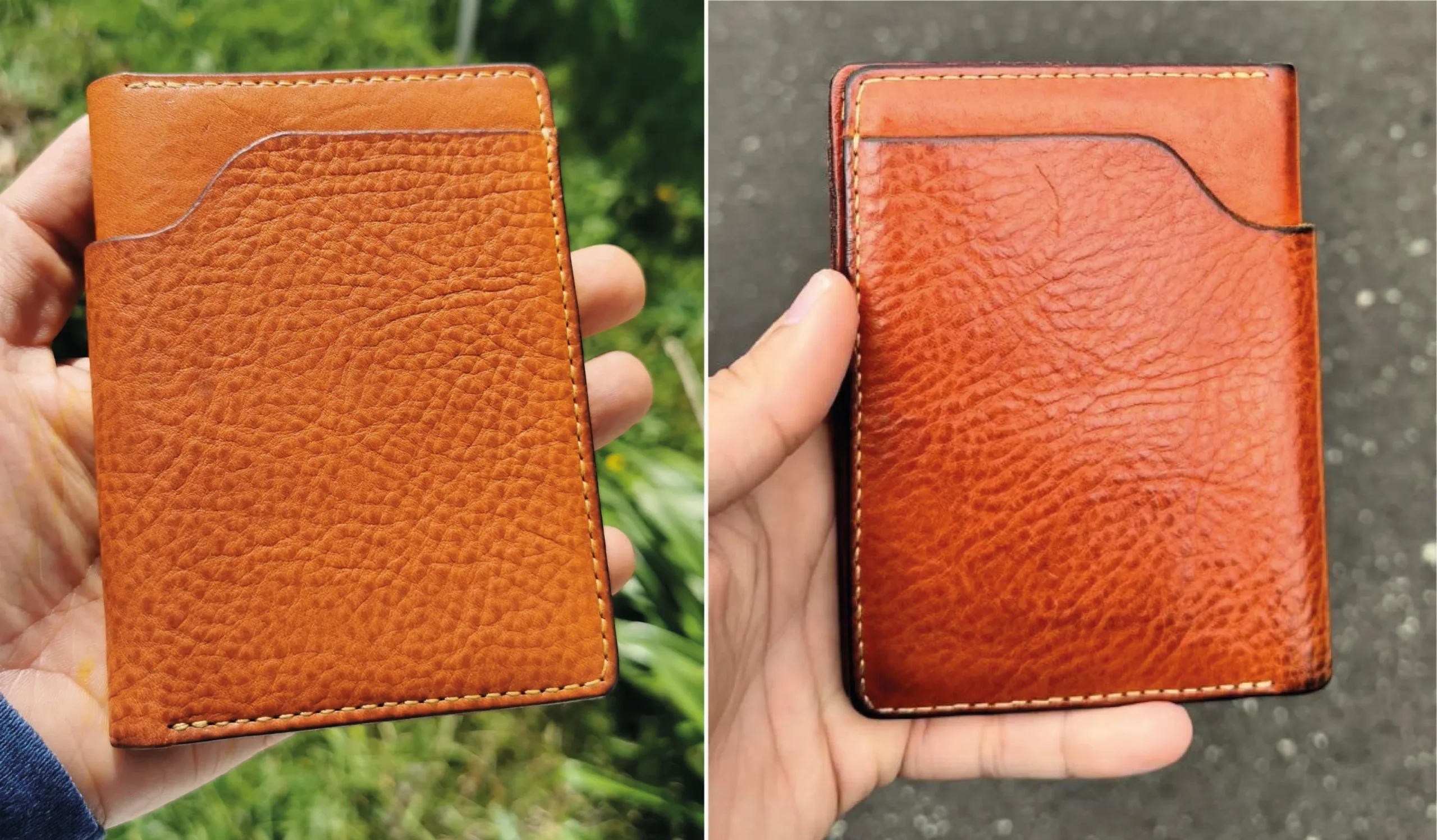
This type of leather is like a blank canvas. It will change color quickly. Sunlight will darken it. Oils from your hands will create dark spots. Scratches will show up as lighter lines. It’s high maintenance, sure. You have to be careful. But the reward is unmatched. It becomes uniquely yours. No one else in the world will have a bag that looks exactly like yours.
Pigmented full grain, on the other hand, has a layer of pigment on top. It’s more durable. It’s more resistant to stains. But it hides the natural beauty. It ages slower. The patina is subtler. It’s still better than corrected grain, but it doesn’t have that dramatic transformation. For the true enthusiast, aniline is the gold standard. It’s vulnerable, yes. But that vulnerability is what makes it beautiful. It requires care. It requires attention. And in return, it gives you character.
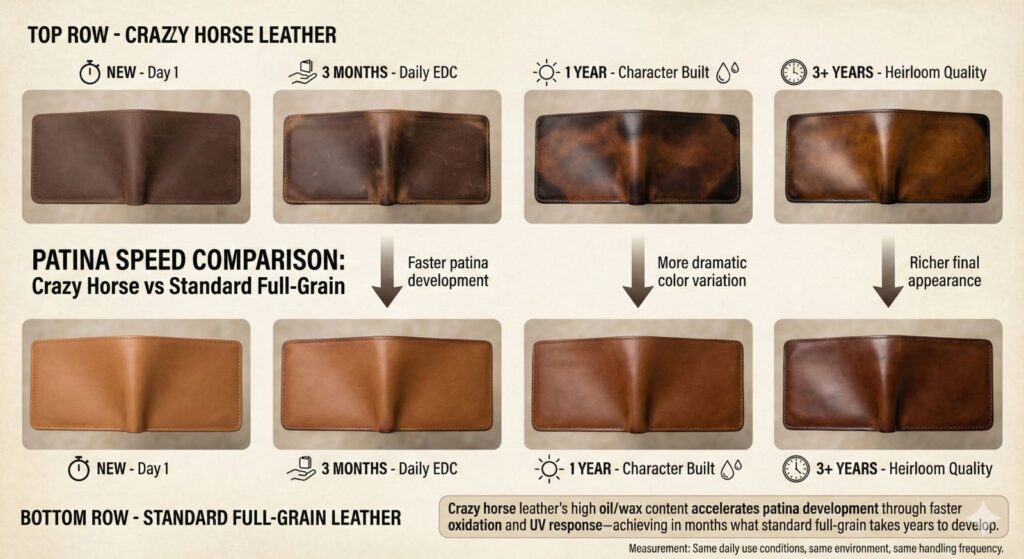
Patina doesn’t happen overnight. You can’t rush it. In our fast-paced world, that’s a hard pill to swallow. We want instant gratification. We want the new thing to look old and cool immediately. But real patina takes time. Months. Years. Decades. It’s a marathon, not a sprint.
To encourage it, use the item. Don’t keep it in a box. Don’t treat it like a museum piece. Carry it. Wear it. Let it get scratched. Let it get wet. Let it live. The more you use it, the faster it will age. The oils from your skin are the best conditioner. The friction from your clothes polishes it. The sun bleaches it slightly, creating contrast.
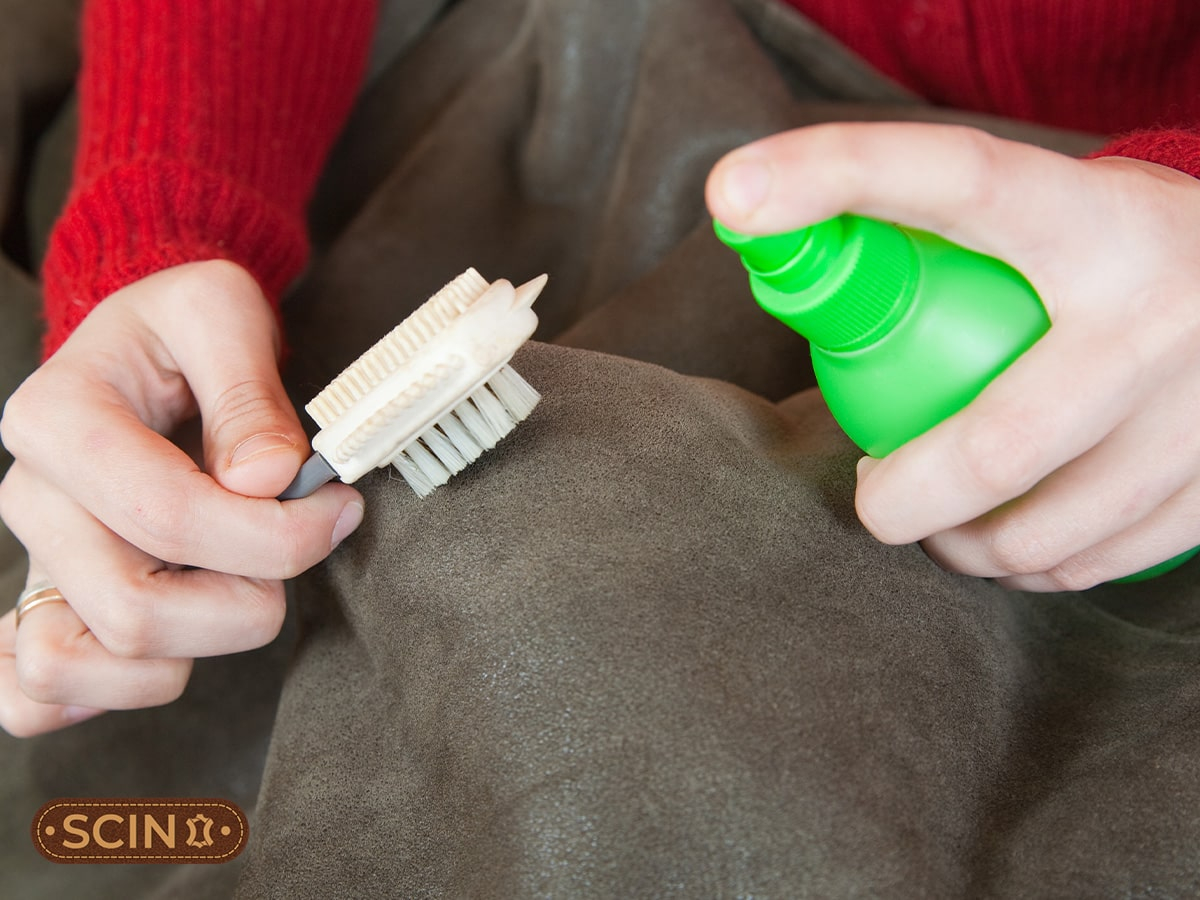
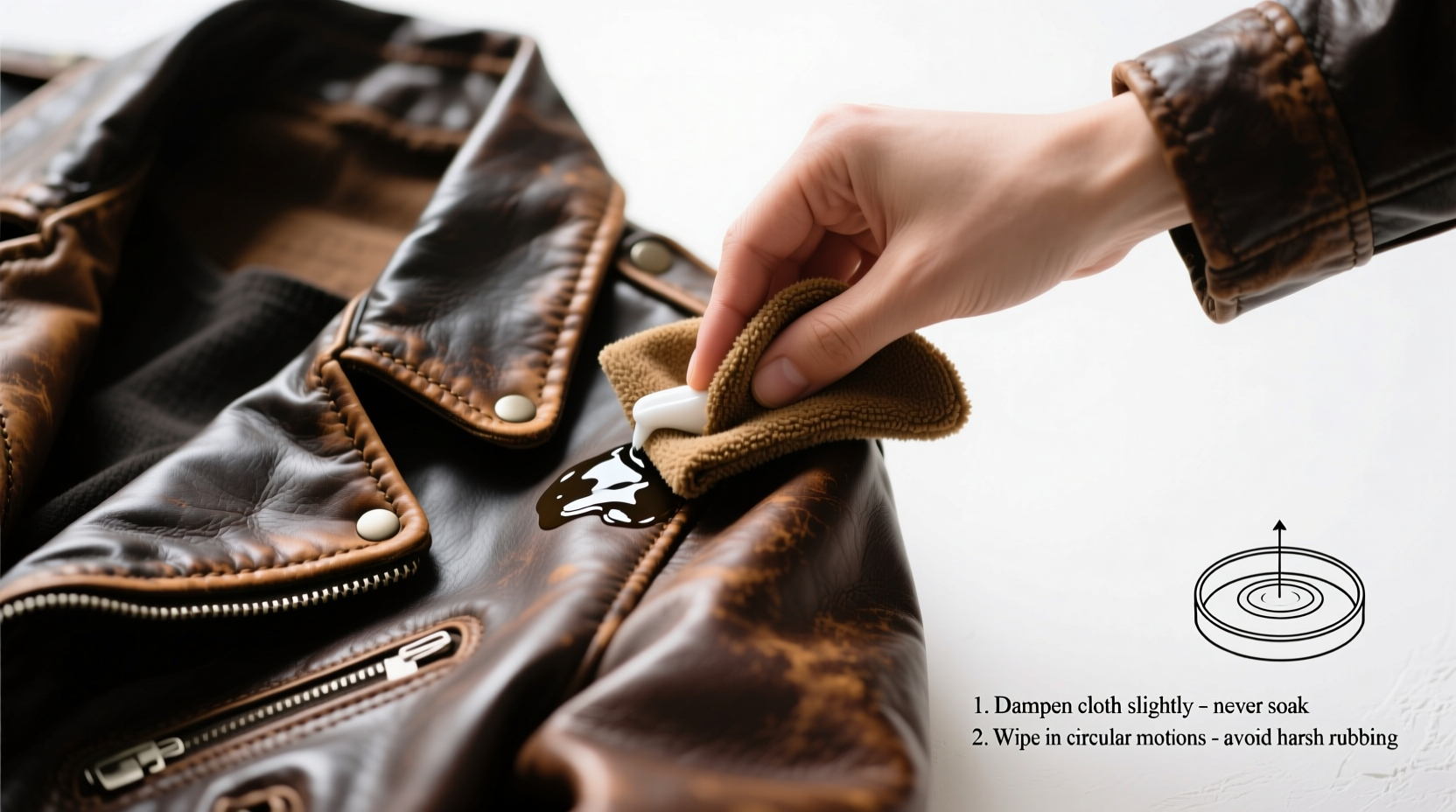
Of course, basic care helps. Keep it clean. Wipe off dirt. Condition it occasionally with a natural balm. But don’t overdo it. Too much conditioner can clog the pores. Too much cleaning can strip the natural oils. Find a balance. Treat it with respect, but don’t baby it. Let it take some hits. Those scars are badges of honor. They prove you’ve lived.
Remember, the goal isn’t to keep it looking new. The goal is to let it look like you. A pristine bag is boring. A bag with scratches, darkened corners, and a soft sheen? That’s interesting. That’s got history. That’s got soul. And that’s why we choose full grain. Not for the status. Not for the price tag. But for the journey.
So, next time you’re shopping, slow down. Look for the flaws. Feel the texture. Smell the earthiness. Do the water test. Ask about the finish. And then, buy the piece that speaks to you. Not the one that looks perfect. The one that looks ready to start a story. Because in 2026, in a world of disposable goods, having something that lasts—and improves—is a radical act. It’s a connection to the past, and a gift to the future. Go find your hide.