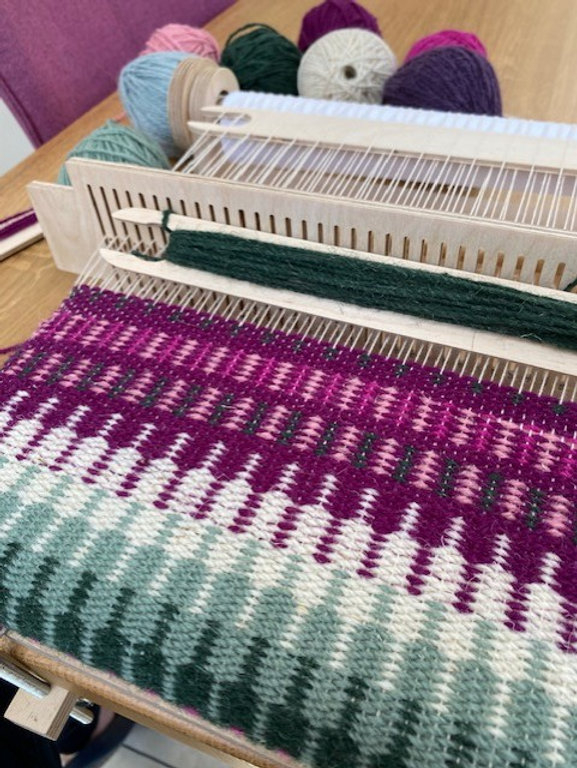
Have you ever walked into a room and felt it before you saw it? That specific kind of warmth that isn’t just about temperature, but about presence. In 2026, our homes have become sanctuaries again, but not in the sterile, minimalist way we chased a decade ago. We’re craving touch. We’re craving history. And nowhere is this shift more visible than on our walls, where flat, mass-produced prints are being replaced by something far more alive: the artisan woven tapestry.
It’s not just a trend. It’s a correction. For years, "boho" style got a bad rap for being cluttered or cheaply made, a caricature of itself sold in big-box stores. But the current wave is different. It’s quieter, deeper, and rooted in genuine craft. These aren’t just decorations; they are textile sculptures that bring softness to hard edges and silence to noisy rooms. If you’ve been feeling like your space lacks soul, you’re probably missing the weave.
The Shift from Fast Decor to Slow Craft
We’ve all been there. You buy a piece of wall art because it matches the sofa, hang it up, and forget it exists. It’s disposable. But the rise of the artisan tapestry marks a decisive move away from that "fast decor" mentality. People are tired of things that don’t last. They want objects that age well, that develop a patina, that tell a story of who made them and where the materials came from. This is the core of the 2025-2026 design ethos: intentionality over impulse.
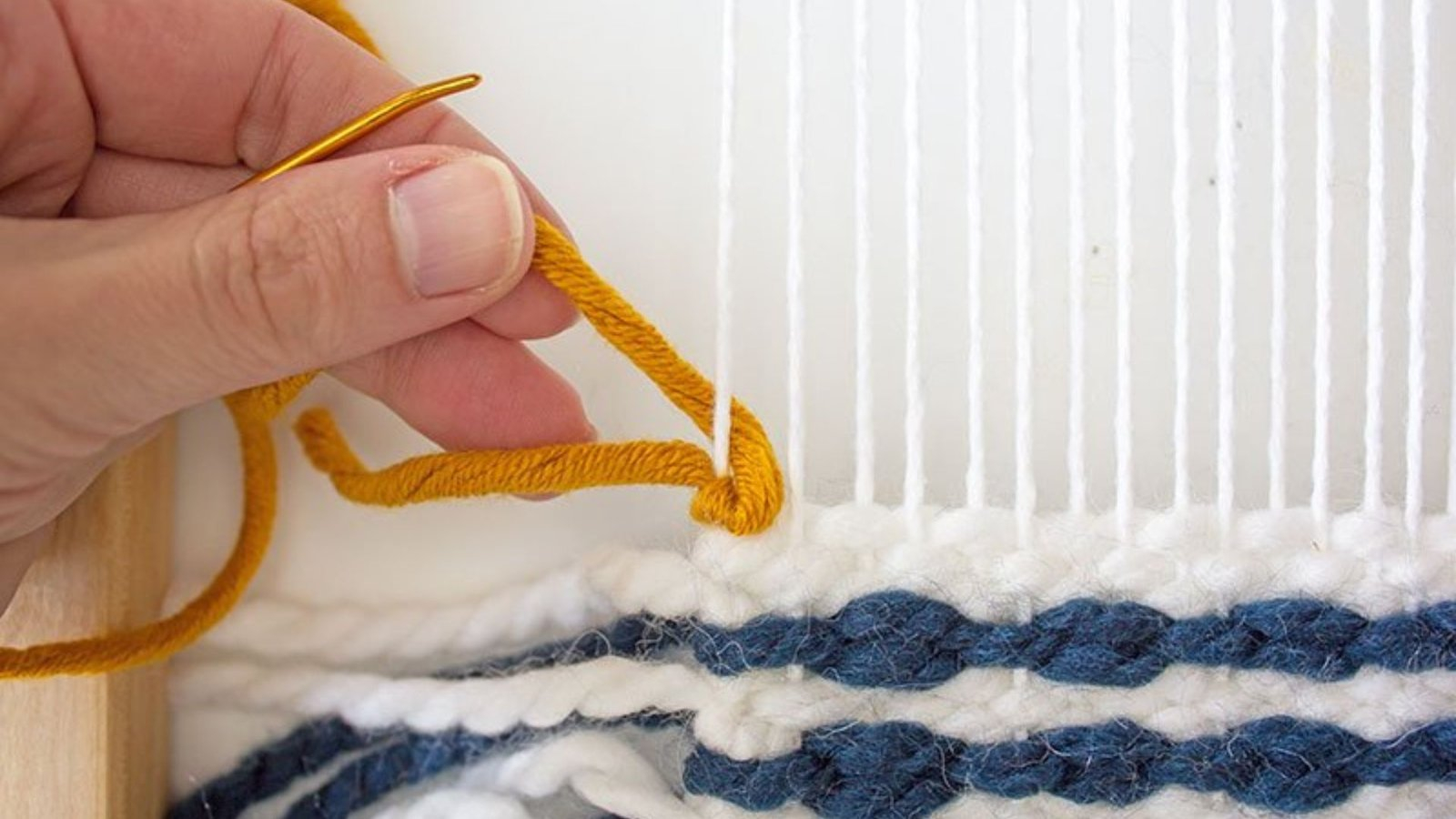
When you look at a hand-woven tapestry, you’re seeing time. You’re seeing the hours a weaver in Morocco, Peru, or India spent tying knots, passing shuttles, and making decisions about color and texture. This connection to the maker is huge. It transforms a wall hanging from a commodity into a conversation piece. It’s no longer just about covering a blank spot on the drywall; it’s about honoring a tradition. The imperfections—the slight irregularity in the fringe, the subtle variation in the dye—are not flaws. They’re proof of life.
This shift also reflects a broader cultural fatigue with the digital world. We spend our days staring at smooth, glowing screens. Coming home to something tactile, something with rough hemp fibers or soft wool loops, grounds us. It’s a sensory antidote to the virtual. Designers are noticing this too. They’re moving away from perfect symmetry and towards organic, layered looks where a tapestry acts as the anchor. It’s messy, sure, but it’s human. And right now, human is exactly what we need.
Why Texture Is the New Color
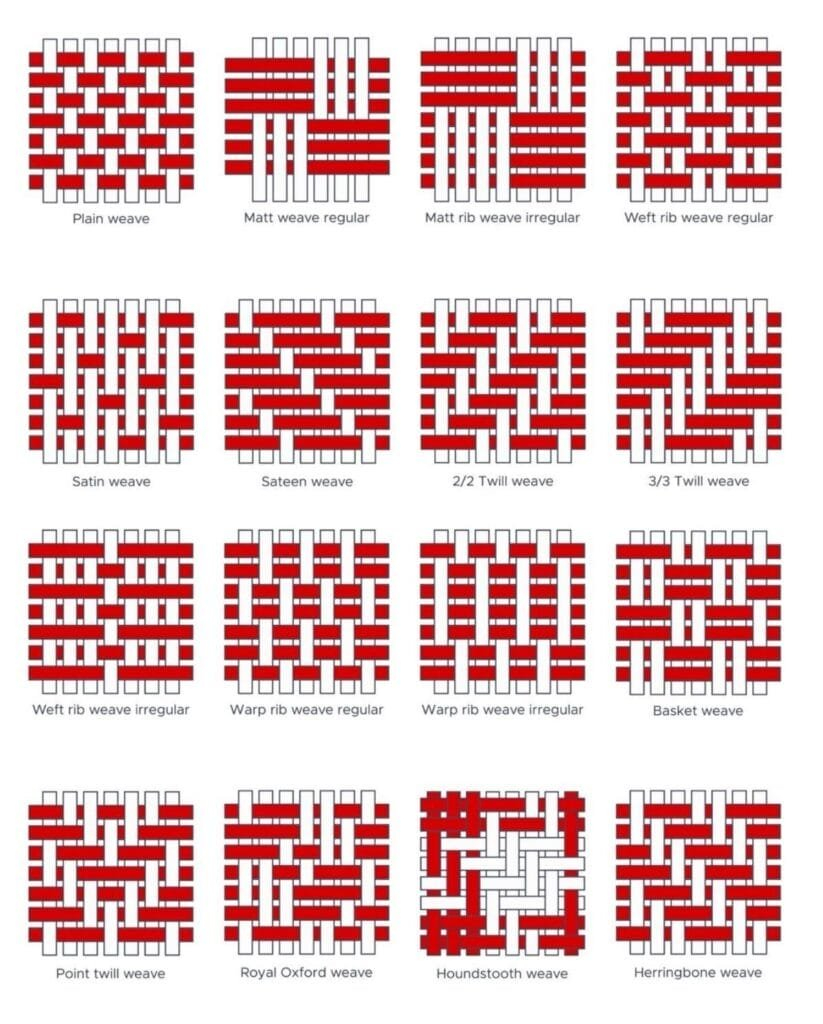
For a long time, interior design was obsessed with color palettes. Millennial gray, anyone? But lately, texture has taken the throne. A room can be monochromatic—say, all creams and earthy browns—and still feel incredibly dynamic if the textures are varied. This is where woven tapestries shine. They introduce a complex topography to a flat surface. You have the smoothness of linen, the chunkiness of wool, the roughness of jute, all interplaying in a single piece.
Think about acoustics for a second. Modern homes are full of hard surfaces: glass windows, hardwood floors, stone countertops. They echo. They feel cold. A heavy, woven tapestry acts as a sound dampener. It absorbs noise, making a room feel quieter and more intimate. It’s a functional benefit that doesn’t sacrifice aesthetics. In open-plan living spaces, which are still dominant in 2026, this ability to soften the acoustic environment is invaluable. It makes a large room feel cozy without building new walls.
The visual weight of these pieces also allows for bold experimentation. You can pair a intricate, high-pile tapestry with sleek, mid-century modern furniture to create contrast. Or, you can layer it with macrame and dried pampas grass for a softer, more ethereal vibe. The key is mixing materials. Don’t be afraid to let the tapestry rub shoulders with other natural elements. Wood, clay, plants—they all speak the same language. When you prioritize texture, you stop worrying about whether the colors match perfectly and start focusing on how the space feels to touch.
Sustainability Woven Into Every Thread
Let’s talk about the elephant in the room: fast fashion’s impact on home decor. The textile industry is one of the largest polluters globally. But the artisan tapestry movement is pushing back hard against this. Most of these pieces are made from natural, biodegradable fibers like cotton, wool, hemp, and linen. They’re often dyed with plant-based or non-toxic dyes, reducing the chemical load on both the environment and the artisans who make them.
Ethical production is a major selling point. Buyers in 2026 are informed. They want to know who made their stuff and if they were paid fairly. Many tapestry makers work in cooperatives that support local communities, preserving traditional weaving techniques that might otherwise disappear. When you buy one of these pieces, you’re often supporting a family or a village. It’s a direct line of economic support that feels good. It’s not just charity; it’s commerce with conscience.
There’s also the longevity factor. A synthetic, machine-made wall hanging might fade or fray after a few years. A high-quality, hand-woven tapestry can last generations. It’s an investment piece. This aligns with the growing "buy less, buy better" philosophy. Instead of buying five cheap decorations that end up in a landfill, you buy one beautiful thing that stays with you. It’s sustainable by design. Plus, natural fibers age beautifully. Wool gets softer. Cotton gets more relaxed. They don’t degrade; they evolve.
Global Patterns, Local Stories
Bohemian design has always been global, borrowing from Moroccan, Indian, Turkish, and South American traditions. But the new wave is more respectful. It’s not about appropriating symbols; it’s about appreciating craftsmanship. You’ll see geometric patterns inspired by Berber rugs, floral motifs from Indian block prints, and abstract weaves from Andean textiles. These patterns carry history. They’re not random; they’re coded with cultural meaning.
Incorporating these global influences adds depth to a room. A tapestry with a bold, tribal pattern can serve as a focal point, drawing the eye and sparking curiosity. It invites questions. "Where is that from?" "What does that symbol mean?" It turns your home into a gallery of world cultures. But it’s important to source these pieces authentically. Look for sellers who work directly with artisans or who are transparent about their supply chains. Avoid the knock-offs that mimic the look without respecting the origin.
The beauty of these global patterns is their versatility. They don’t have to scream "exotic." Many modern weavers are adapting traditional motifs to fit contemporary tastes. You might find a classic Moroccan diamond pattern rendered in muted, Scandinavian-style neutrals. Or a vibrant Mexican weave scaled down for a smaller urban apartment. This fusion of old and new, global and local, is what makes the current trend so exciting. It’s not stuck in the past; it’s evolving.
Styling Your Space with Intention
So, you’ve got a tapestry. Now what? Hanging it is the obvious choice, but don’t just nail it to the wall and walk away. Think about placement. Above a bed, it acts as a headboard, adding softness and visual interest. In a living room, it can define a seating area, especially in open spaces. Behind a desk, it adds warmth to a workspace, making video calls feel less sterile. The key is to let it breathe. Give it space. Don’t crowd it with too many other wall decorations.
Lighting matters too. Natural light brings out the texture of the weave, highlighting the highs and lows of the fabric. But in the evening, consider using warm, directional lighting to cast shadows across the surface. This enhances the three-dimensional quality of the piece. A simple track light or a nearby floor lamp can transform how the tapestry looks at night. It becomes a shadow play, adding drama to the room.
Layering is another powerful tool. Don’t be afraid to mix your tapestry with other wall hangings. A small macrame piece next to a large woven tapestry can create a curated, collected-over-time look. Or, lean a framed print against the bottom edge of the tapestry if it’s hung low. The goal is to create a vignette that feels personal. There are no strict rules here. Experiment. Move things around. See what feels right. Your home should reflect you, not a magazine spread.
These pieces are durable, but they’re not invincible. Proper care ensures they last. First, keep them out of direct, harsh sunlight for extended periods. UV rays can fade natural dyes over time. If you have a sunny spot, rotate the tapestry occasionally or use UV-filtering window film. Dust is the enemy of texture. It settles into the weave and can dull the colors. Vacuum your tapestry gently with a brush attachment once a month. Go slow. Let the vacuum do the work; don’t press hard.
Spills happen. If you get a stain, blot it immediately with a clean, dry cloth. Don’t rub, as this can push the stain deeper into the fibers. For tougher stains, consult a professional cleaner who specializes in textiles. Avoid throwing your tapestry in the washing machine. The agitation can distort the weave and cause shrinking. Hand washing is possible for smaller pieces, but it’s labor-intensive and risky. Better to air it out regularly. Hang it outside on a mild day to freshen it up.
Storage is also important if you need to put it away. Never fold a tapestry tightly, as this can create permanent creases. Roll it loosely around a acid-free tube. Store it in a breathable cotton bag, not plastic, which can trap moisture and lead to mold. Keep it in a cool, dry place. Treat it like the art piece it is. With a little care, your tapestry will remain a vibrant part of your home for years. It’s a small effort for a big reward.
The rise of artisan woven tapestries isn’t just about decorating walls. It’s about reclaiming our spaces from the coldness of mass production. It’s about bringing warmth, story, and sustainability into our daily lives. In 2026, as we continue to navigate a complex world, our homes have become more than just shelters. They’re reflections of our values. And what better value to display than a commitment to craft, community, and beauty?
So, look at your walls. Are they silent? Or do they speak? Adding a woven tapestry is a simple step, but it’s a profound one. It invites touch. It softens sound. It connects you to a maker halfway across the world. It makes your home feel lived-in, loved, and real. And isn’t that what we’re all looking for? A place that feels like us. A place that breathes. Start with a thread. See where it takes you.