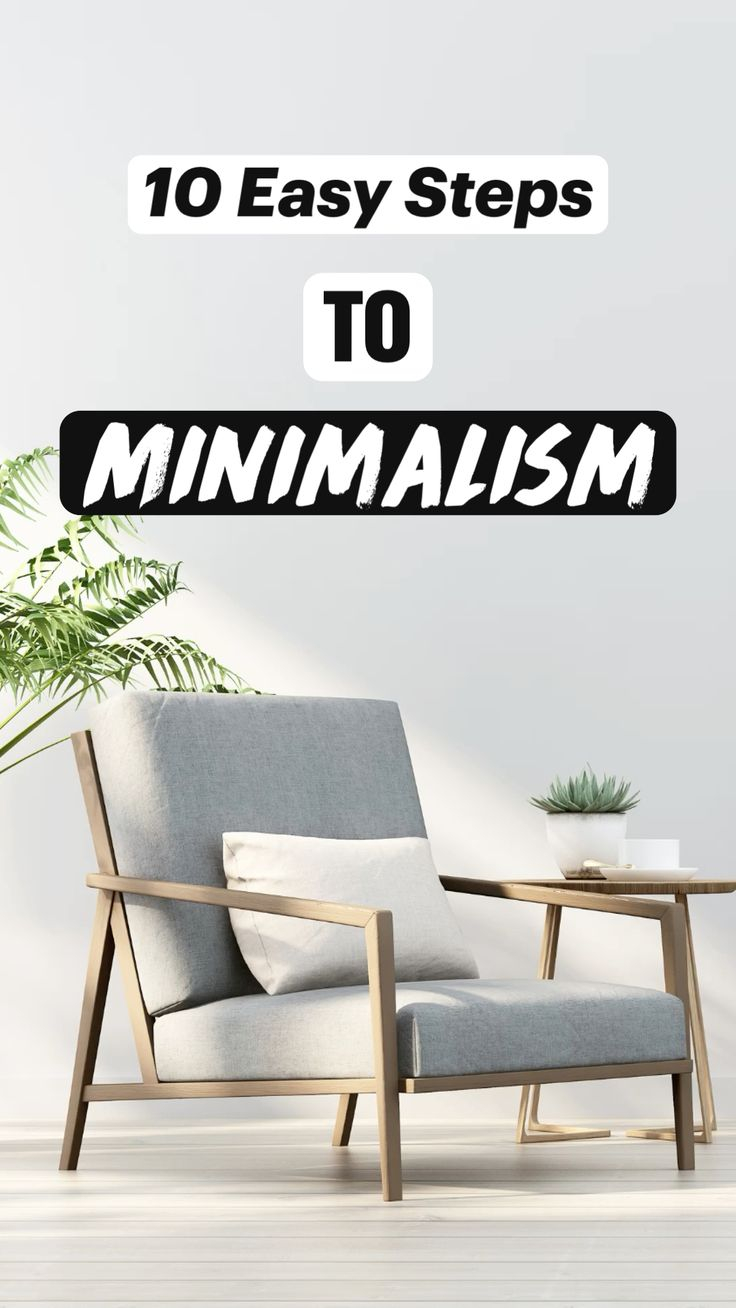
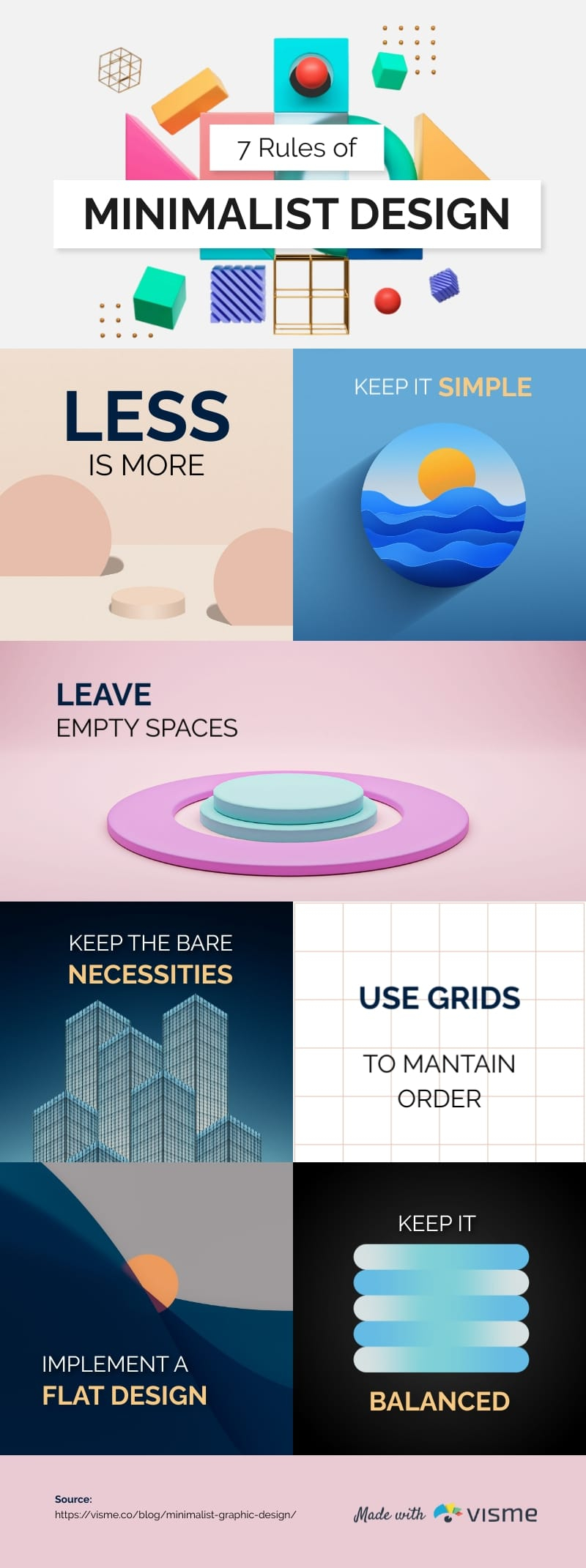
Remember when every home looked like an Apple store? You know the vibe. White walls. Gray floors. One single vase on a table that you weren’t allowed to touch. It was clean, sure. But it was also kinda cold. Like, who actually lives there? For years, we were told that "less is more." We hid our clutter. We painted over our personalities. We bought furniture that looked great in photos but felt terrible to sit on.
Well, guess what? The party’s over.
It’s 2026, and the pendulum has swung hard in the other direction. People are tired of living in showrooms. They want homes that feel like them. We’re seeing a massive shift away from that safe, sterile minimalism toward something much louder, messier, and infinitely more interesting. It’s called postmodernism, but don’t let the fancy name scare you. It’s really just about breaking the rules. It’s about mixing eras, clashing colors, and choosing comfort over perfection. If you’ve been feeling like your home lacks soul, you’re not alone. And honestly? It’s about time we fixed it.
Why We’re Done With Perfectly Empty Spaces
Let’s be real for a second. Minimalism had its moment. It gave us breathing room in a chaotic world. But somewhere along the line, it became a chore. Maintaining a perfectly empty house is exhausting. You spend half your life hiding things just so you can relax in the other half. That’s not living; that’s managing a museum exhibit. In 2026, designers and homeowners alike are pushing back against this idea that a home needs to look untouched to be beautiful.
The data backs this up, too. Recent reports from major design hubs show a sharp decline in searches for "all-white interiors" and a huge spike in "bold gallery walls" and "vintage bathrooms." People are craving expression. They want spaces that tell a story. When you walk into a postmodern-inspired home today, you don’t see emptiness. You see layers. You see a grandmother’s quilt thrown over a modern sofa. You see bright, colorful tiles in the kitchen that make you smile every morning. It’s about wellness, not just aesthetics. A home should support your life, not restrict it.
This shift isn’t just about being rebellious. It’s about mental health. Studies suggest that environments with personal touches and vibrant colors can boost mood and creativity. Sterile spaces, on the other hand, can feel isolating. By embracing a bit of chaos, we’re actually creating safer, warmer emotional cocoons. We’re trading the anxiety of keeping things perfect for the joy of keeping things real. It’s a relief, isn’t it? To know that the coffee stain on the rug doesn’t ruin the design—it adds character.
The Return of Color (And Not Just as an Accent)
For a long time, color was treated like a dangerous spice. A little pinch here, a tiny dash there. Maybe a blue pillow if you were feeling wild. But in 2026, color is the main course. We’re seeing full rooms painted in deep, moody greens or electric blues. Ceilings are no longer an afterthought; they’re the fifth wall, often painted in shades that surprise and delight. This isn’t about picking the "safe" neutral that appeals to everyone. It’s about picking the hue that makes you feel alive.
Postmodern design loves a clash. It’s not afraid to put orange next to pink, or yellow beside purple. These combinations might have made interior designers scream ten years ago, but now? They’re celebrated. It’s intentional discord. It creates energy. When you walk into a room with bold, contrasting colors, your brain wakes up. It engages. You notice things. You feel things. It’s the opposite of the numbness that comes from staring at beige walls for hours on end.
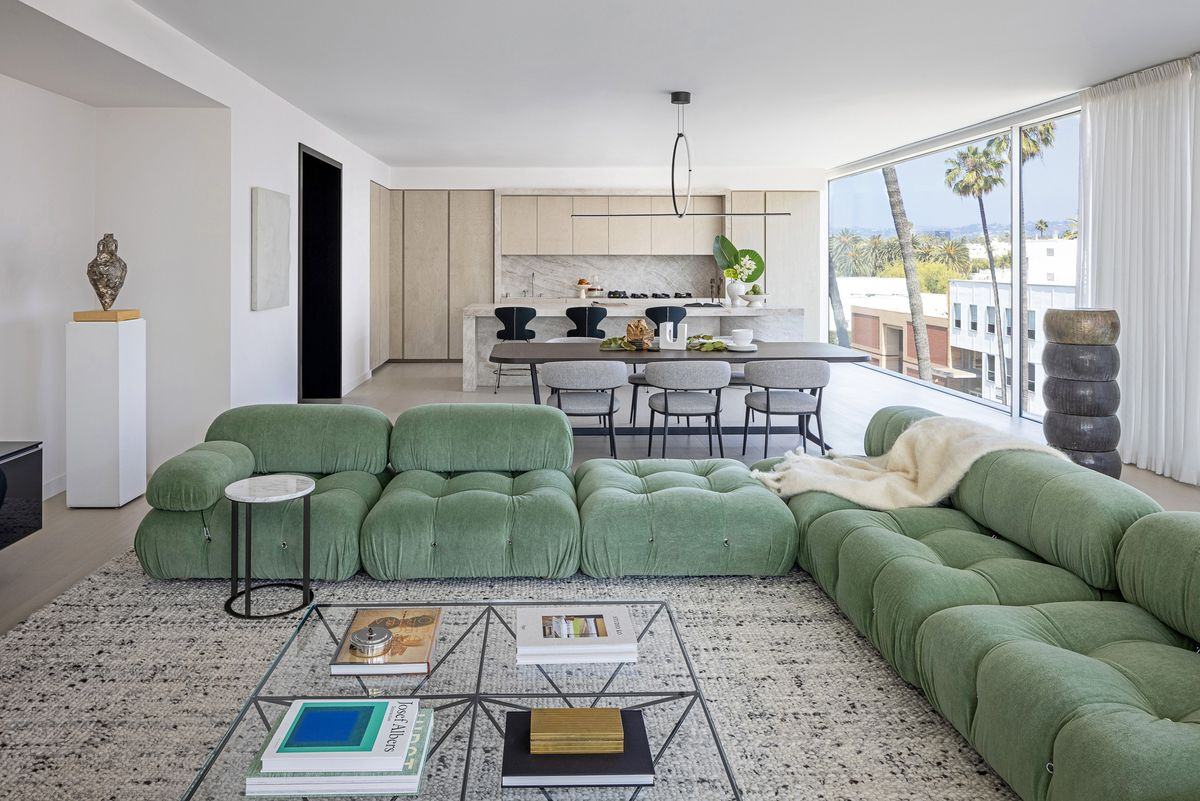
And it’s not just paint. We’re talking about furniture, too. Sofas in velvet burgundy. Kitchen cabinets in glossy teal. Even appliances are getting in on the action, with retro-style fridges in pastel shades making a huge comeback. The key here is confidence. You don’t have to be an expert to pull this off. You just have to be willing to try. Start with one wall. Or one piece of furniture. See how it feels. Chances are, you’ll love the vibrancy it brings to your daily routine. It’s a small change that makes a big diference in how a space breathes.
Mixing Eras: The Art of Intentional Clashing
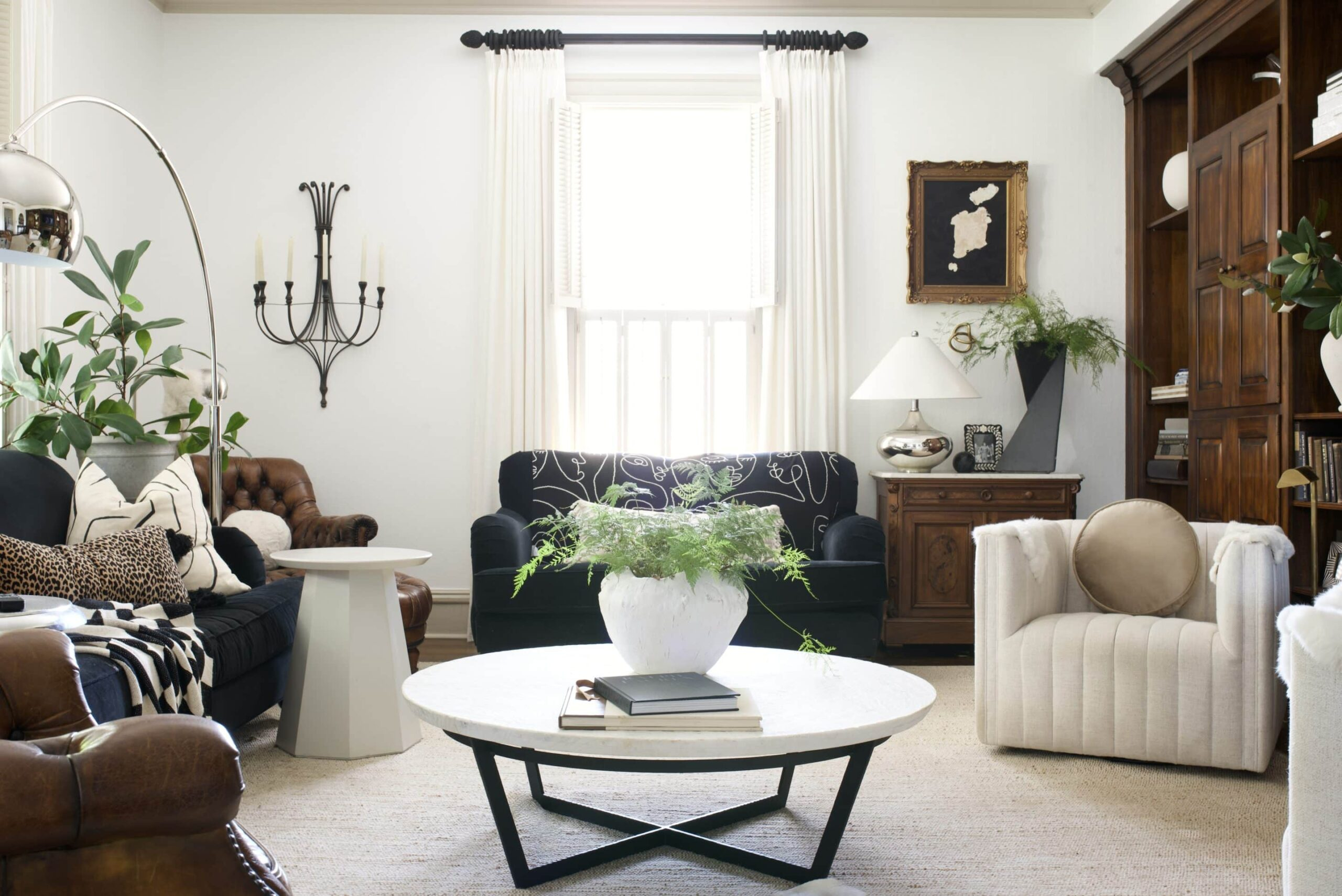
One of the coolest things about the 2026 postmodern trend is the way it handles time. Minimalism was very "now." It wanted everything to match, to feel current, to feel sleek. Postmodernism throws that out the window. It’s a mashup. It’s Victorian meets Industrial. It’s 1970s shag meets 1990s minimalism (but done ironically). It’s old meets new, and it doesn’t care if they "go together." In fact, it prefers it when they don’t.
Think about your favorite thrift store find. Maybe it’s a weird, curvy lamp from the 80s. Or a heavy wooden chair from the 50s. In a minimalist home, these items might feel out of place. They’d stick out like sore thumbs. But in a postmodern space, they’re the stars. They’re conversation starters. They add weight and history to a room that might otherwise feel too light or too trendy. This approach is also incredibly sustainable. Instead of buying all-new, mass-produced items, we’re rescuing old pieces and giving them a new context.
This mixing also applies to textures. You might have a sleek, modern glass table sitting on a rough, hand-woven rug. Or a shiny metal light fixture hanging above a rustic wooden dining table. The contrast is the point. It creates visual tension, which keeps the eye moving. It keeps the space interesting. You don’t get bored because there’s always something new to notice. It’s a design style that rewards curiosity. It invites you to look closer, to touch, to explore. And isn’t that what a home should do? Invite you in?
Furniture as Sculpture: Form Follows Fun
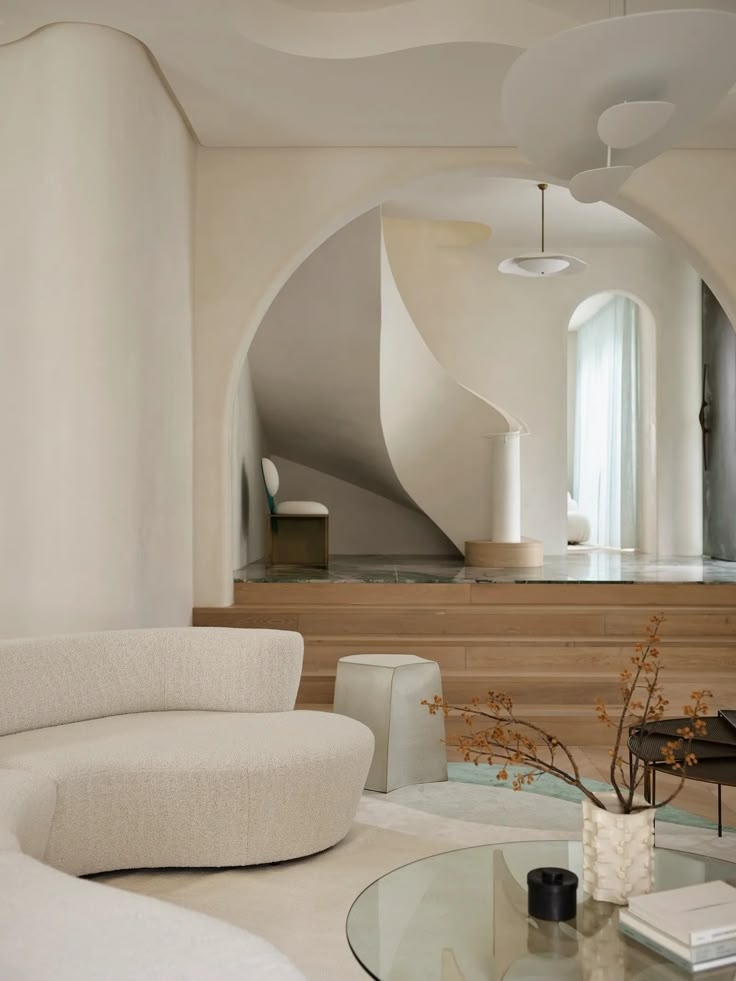
Let’s talk about shapes. Minimalist furniture is usually boxy. Straight lines. Right angles. It’s efficient, but it can feel a bit rigid. Postmodern design in 2026 is all about curves, blobs, and unexpected forms. Chairs look like clouds. Tables look like melted ice cream. Mirrors are shaped like kidneys or abstract paintings. It’s playful. It’s whimsical. It reminds us that furniture doesn’t just have to be functional; it can be art.
This trend is sometimes called "biophilic" because many of these organic shapes mimic things we see in nature. There are no straight lines in a forest, right? So why should our homes be full of them? By introducing curved sofas and rounded armchairs, we create a softer, more welcoming environment. It’s physically more comfortable, too. Curves invite you to curl up. They feel safer. They feel like a hug. This is part of that "human-centered" design shift we’re seeing everywhere. It’s about how the body feels in the space, not just how the space looks in a magazine.
But it’s not all soft edges. Postmodernism also loves a bold statement piece. A chair that’s too big. A lamp that’s too tall. It’s about proportion play. It’s about taking something familiar and twisting it slightly so it surprises you. This doesn’t mean your house has to look like a funhouse. It just means you don’t have to buy the standard set from the catalog. Look for pieces that make you laugh or wonder. If a table looks like it’s dancing, buy it. If a bookshelf looks like it’s melting, go for it. Your home should reflect your sense of humor, too.
Nostalgia With a Twist: Vintage Bathrooms and Bold Tiles
If there’s one room that’s gotten a major glow-up in 2026, it’s the bathroom. For years, bathrooms were white, clinical, and boring. They were places to get clean, not places to hang out. But now? They’re becoming spas. They’re becoming sanctuaries. And they’re doing it with bold, nostalgic touches. We’re seeing colorful tiles everywhere. Not just on the floor, but on the walls, the ceilings, even inside the shower niches. Patterns are back. Geometric shapes, floral prints, checkerboards—they’re all having a moment.
This nostalgia isn’t about copying the past exactly. It’s about remixing it. You might take a vintage clawfoot tub and pair it with ultra-modern, matte black fixtures. Or you might use 1970s-style avocado green tiles but arrange them in a contemporary, asymmetrical pattern. It’s old meets new again. It’s respectful of history but not bound by it. This approach allows people to connect with their memories while still enjoying modern comforts. It’s warm. It’s inviting. It makes getting ready in the morning feel like a ritual, not a rush.
And let’s not forget the wellness aspect. Many of these redesigned bathrooms include spaces for self-care. Maybe it’s a dedicated spot for meditation. Maybe it’s a deep soaking tub with a view of a small indoor garden. The focus is on slowing down. In a world that’s always moving fast, these bathrooms offer a pause button. They’re designed to soothe the senses with color, texture, and light. It’s a small room, but it has a big impact on how you start and end your day. Plus, colorful tile is just plain fun. It’s hard to be stressed when you’re surrounded by happy patterns.
So, you’re ready to ditch the beige. You want to embrace the bold. But where do you start? It can feel overwhelming. The key is to start small and trust your gut. You don’t have to remodel your whole house overnight. Pick one room. Or even one corner. Experiment. See what works. Here are a few simple ways to dip your toe into the postmodern pool without drowning in regret.
First, audit your neutrals. You don’t have to throw them all out, but try adding one bold element. A bright red rug. A yellow accent chair. A gallery wall filled with eclectic, colorful art. See how it changes the energy of the room. Does it feel more alive? Good. Keep going. Second, mix your metals and woods. Stop trying to match everything. Let the brass lamp sit next to the chrome vase. Let the oak table sit next to the walnut cabinet. The mismatch is the magic. It shows that the space evolved over time, rather than being bought in a single day.
Finally, don’t be afraid of clutter—but be smart about it. "Clutter" is just stuff you love, arranged without intention. So, arrange it with intention. Group your collections. Display your books by color. Hang your kids’ artwork alongside your own. Make your home a museum of your life. And remember, there are no real rules here. If you love it, it works. If it makes you smile, it’s good design. That’s the beauty of this 2026 shift. It puts you back in the driver’s seat. It gives you permission to be yourself. And honestly? That’s the best trend of all.
In the end, breaking the rules of minimalism isn’t about rejecting simplicity. It’s about rejecting sterility. It’s about choosing warmth over width, personality over perfection, and life over likeness. As we move through 2026, our homes are becoming mirrors of our true selves—flawed, colorful, mixed-up, and beautiful. So go ahead. Paint that wall purple. Buy that weird chair. Hang the pictures crooked if you want to. Your home is yours. Make it loud. Make it proud. Make it yours.