There is something undeniably magnetic about a piece of furniture that looks like it has lived a life. You run your hand over the chipped edge of a drawer or the worn corner of a table leg, and you feel a connection to the past. It isn’t just wood and finish; it is a story. In 2026, amidst a world of sleek, mass-produced perfection, makers are turning back to the imperfect. They are reaching for powders, water, and history. Specifically, they are grabbing milk paint.
It might seem odd. Why use a finish based on ancient recipes when we have high-tech acrylics and durable polyurethanes? The answer lies in what those modern paints can’t do. They sit on top of the wood like a plastic sheet. Milk paint, on the other hand, becomes part of the wood. It breathes. It ages. And when it wears away, it does so with a grace that feels earned, not faked. This isn’t just a trend; it is a return to craftsmanship that respects the material.
For anyone who has tried to distress a modern latex paint job, you know the struggle. You sand it, and it gums up. You chip it, and it peels in ugly, large flakes that look like damage, not age. Milk paint is different. It creates a brittle, hard film that chips authentically. It reveals the layers beneath in a way that mimics decades of use. That is why, even now, makers can’t stop using it. It is the only way to get that true vintage soul into a new piece.
The Chemistry of Charm: What Makes Milk Paint Different
To understand why milk paint works, you have to look at what is inside the bag. It isn’t magic; it is chemistry, but the old-school kind. Traditional milk paint is made from milk protein (casein), lime, clay, and earth pigments. When you mix the powder with water, a chemical reaction occurs. The casein acts as a binder, and the lime activates it. As it dries, it doesn’t just sit there; it cures into a rock-hard, breathable film.
This is the key difference between milk paint and its popular cousin, chalk paint. Chalk paint stays softer. It relies heavily on wax for protection and tends to sand down smoothly. If you try to chip chalk paint, it often just dents or rubs off. Milk paint hardens. It bonds with the porous surface of raw wood. Because it is so hard and brittle, when it is subjected to stress or intentional distressing, it cracks and flakes in tiny, irregular patterns. These patterns look exactly like the wear you see on a 19th-century cupboard.
In 2026, this distinction matters more than ever. Makers are tired of the "shabby chic" look that feels manufactured. They want authenticity. Milk paint provides that because its behavior is unpredictable in a good way. You can control it to an extent, but you can’t fully dictate where every chip will fall. That randomness is what makes each piece unique. It is a collaborative process between the maker and the material. The paint has its own personality, and letting it shine is part of the art.
Eco-Friendly Roots in a Green-Conscious World
Let’s talk about the elephant in the room: toxicity. For years, DIYers and professional refinishers had to choose between a beautiful finish and a safe workspace. Many traditional stains and paints release volatile organic compounds (VOCs) that linger in the air and smell terrible. Milk paint flips that script. It is inherently non-toxic. Since it is made from natural ingredients like milk protein, lime, and clay, there are no harsh chemicals to worry about.
This eco-friendly aspect has surged in popularity, especially as we move further into the mid-2020s. People are more aware of what they bring into their homes. If you are painting a nursery dresser or a kitchen table where you eat every day, you don’t want off-gassing plastics. Milk paint is safe for kids, pets, and the planet. It biodegrades naturally. There is no hazardous waste to dispose of. You can literally wash your brushes in the sink without guilt.
But it isn’t just about safety; it is about sustainability. The production of milk paint has a lower carbon footprint compared to synthetic paints. The ingredients are often sourced locally or are byproducts of other industries (like the dairy industry for casein). For makers who pride themselves on ethical craftsmanship, this aligns perfectly with their values. It allows them to create beautiful objects without compromising their environmental principles. It is a clean finish in every sense of the word.
Mastering the Art of Authentic Distressing
So, how do you actually get that look? It isn’t as simple as slapping paint on and hoping for the best. Achieving an authentic vintage finish with milk paint requires a bit of technique, but it is forgiving. The most common method involves applying the paint to bare wood. Because milk paint penetrates the wood fibers, it adheres best to untreated surfaces. If you are painting over an existing finish, you might need a bonding agent, but for that true antique look, starting fresh is ideal.
Once the paint is dry, the fun begins. Distressing is where you reveal the history. You can use sandpaper, steel wool, or even a scraper. The goal is to mimic natural wear patterns. Think about where hands would touch a chair arm, or where feet might kick a table leg. Those are the spots you focus on. Because milk paint is brittle, it chips away easily. You aren’t fighting the paint; you are guiding it. Some makers use a technique called "chipping medium" before painting to encourage larger flakes, but often, natural aging simulation is better achieved with gentle abrasion.
Layering is another secret weapon. In historic homes, furniture was often repainted multiple times. You can replicate this by applying different colors of milk paint in layers. Paint a base coat of red, let it dry, then paint a top coat of cream. When you distress the top layer, the red peeks through in the cracks and chips. This adds depth and complexity that single-layer paints just can’t match. It looks like the piece has been loved and refreshed over generations. It tells a visual story of time passing.
Versatility Beyond Furniture: Walls and Decor
While furniture is the most common canvas, milk paint’s versatility extends far beyond chairs and tables. In 2026, interior designers and homeowners are increasingly using milk paint on walls, particularly in older homes. Why? Because old houses were built to breathe. Modern vinyl paints can trap moisture in plaster and wood, leading to mold and rot. Milk paint is vapor-permeable. It allows moisture to escape, which protects the structural integrity of historic buildings.
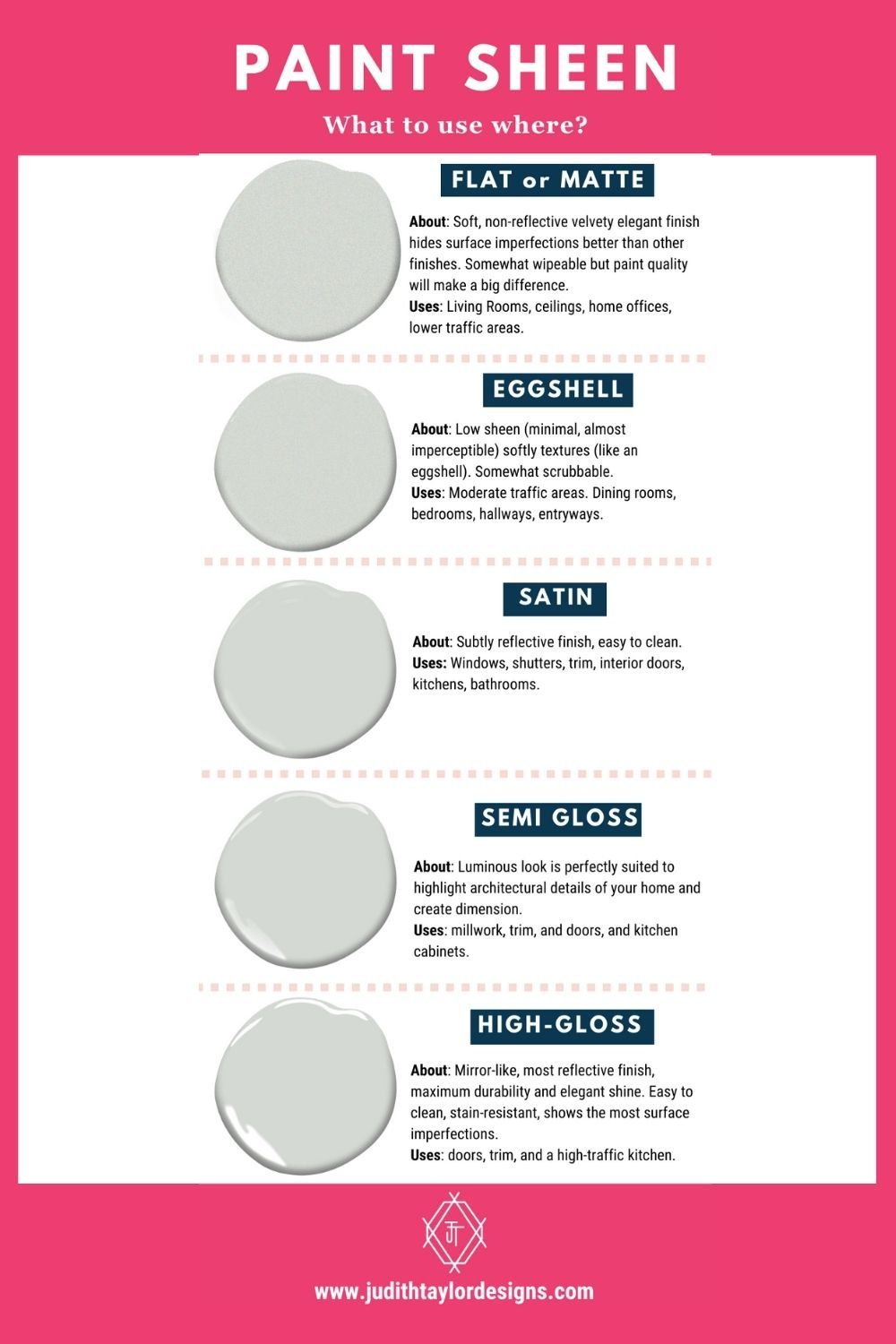
This makes it an ideal choice for restoration projects. If you are working on a Victorian-era home or a Colonial farmhouse, using a breathable finish is not just an aesthetic choice; it is a preservation necessity. The matte, velvety texture of milk paint on walls creates a soft, diffused light that feels warm and inviting. It doesn’t have the plastic sheen of modern eggshell or satin paints. Instead, it has a depth that changes with the light throughout the day.
Beyond walls, makers are using milk paint on decorative objects, frames, and even musical instruments. Its ability to adhere to various porous surfaces makes it incredibly flexible. You can tint it to create custom colors, mixing earth pigments to get that perfect muted sage or dusty blue that is so popular right now. The lack of gloss means it doesn’t reflect light harshly, making it perfect for creating a calm, grounded atmosphere in any room. It transforms ordinary objects into heirlooms.
Common Pitfalls and How to Avoid Them
Despite its benefits, milk paint can be tricky if you don’t know what you are doing. One of the biggest complaints from beginners is inconsistency. Sometimes it goes on smooth; other times, it looks blotchy. This usually happens when the mixture isn’t right. Milk paint comes in powder form, and the ratio of water to powder is critical. Too much water, and it runs; too little, and it clumps. Following the manufacturer’s instructions is a good start, but experience teaches you to look for the consistency of heavy cream.
Another common issue is adhesion on non-porous surfaces. If you try to paint milk paint directly over glossy laminate or sealed wood without prep, it will flake off in sheets. This isn’t always a bad thing if you want a chippy look, but if you want it to stick, you need to sand the surface thoroughly or use a bonding primer. Understanding your substrate is half the battle. Raw wood is your best friend here. If you are unsure, always test on a small, hidden area first.
Finally, sealing is optional but often recommended. While milk paint is durable, it is not waterproof. If you are painting a kitchen table or a bathroom vanity, you should protect it. Beeswax is the traditional choice. It enhances the color and adds a subtle sheen while protecting against moisture. Hemp oil is another option that penetrates the paint and wood, creating a hard, durable surface. Choosing the right topcoat depends on the use of the piece. For a wall, no topcoat is needed. For a table, wax or oil is essential.
As we look at the landscape of DIY and professional woodworking in 2026, milk paint isn’t fading away. If anything, it is becoming more respected. In an age of digital perfection and AI-generated designs, there is a growing hunger for the tactile, the real, and the handmade. Milk paint embodies this shift. It requires human touch. It requires patience. It rewards skill but also embraces imperfection.
Makers can’t stop using it because it connects them to a lineage of craftsmen who came before. When you mix that powder with water, you are using the same basic recipe that painted Shaker furniture and Colonial chests. There is a profound satisfaction in that continuity. It grounds the modern maker in history. It reminds us that beauty doesn’t have to be flawless to be valuable. In fact, the flaws are often what make it beautiful.
Moreover, the community around milk paint is vibrant and supportive. Online forums, workshops, and social media groups are filled with people sharing tips, showing off their chippy successes (and failures), and celebrating the unique character of each piece. This shared knowledge keeps the tradition alive and evolving. New pigment blends are being created, and techniques are being refined, but the core appeal remains the same. It is about creating something with soul.
In the end, milk paint offers more than just a color. It offers a feeling. It brings warmth, history, and authenticity into our spaces. It allows us to slow down and appreciate the process of creation. As long as people value stories over sterility, and character over uniformity, milk paint will remain a staple in the maker’s toolkit. It is not just a finish; it is a philosophy. And in 2026, that philosophy is more relevant than ever. So go ahead, mix that batch. Embrace the mess. Let the chips fall where they may. You might just create something timeless.