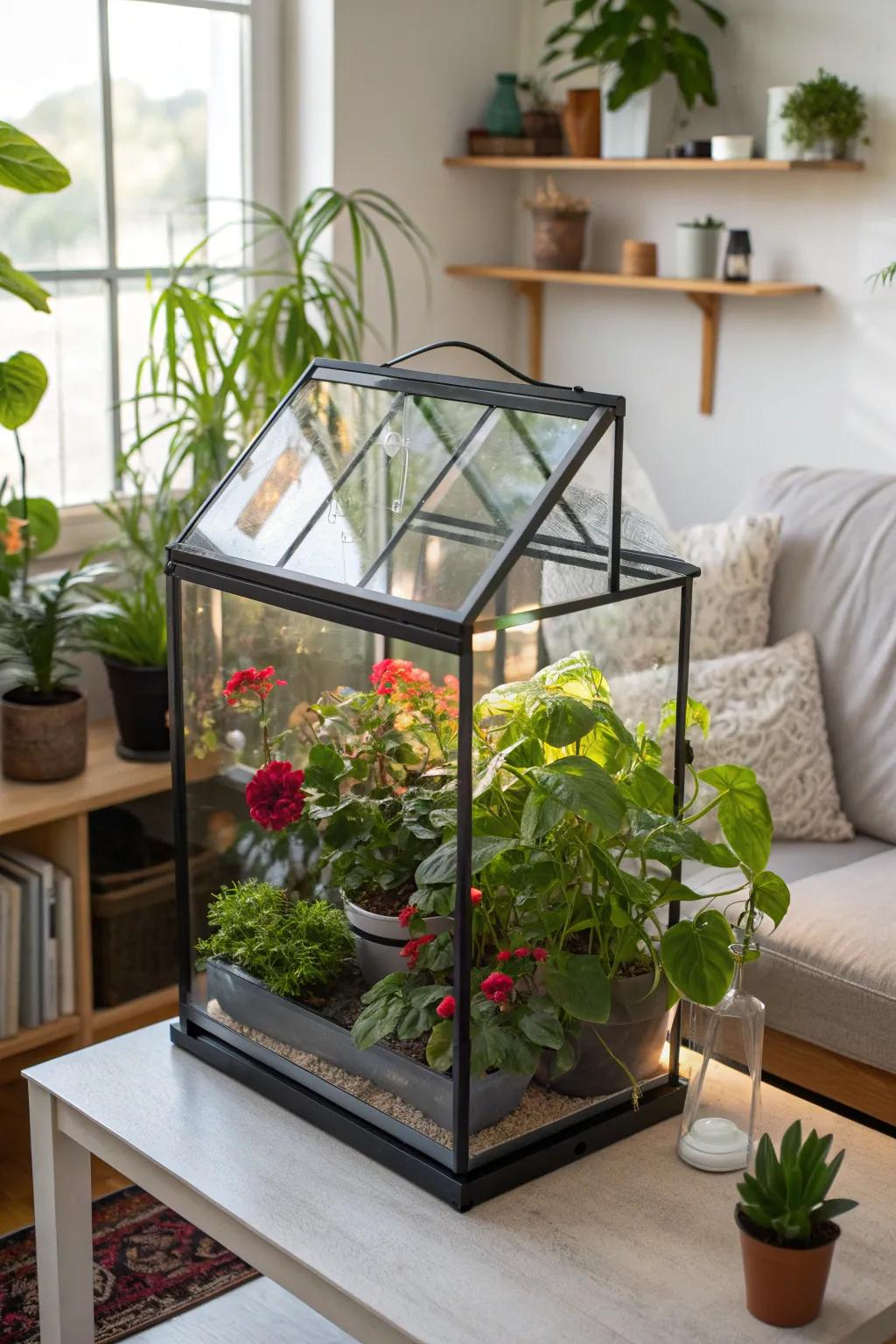
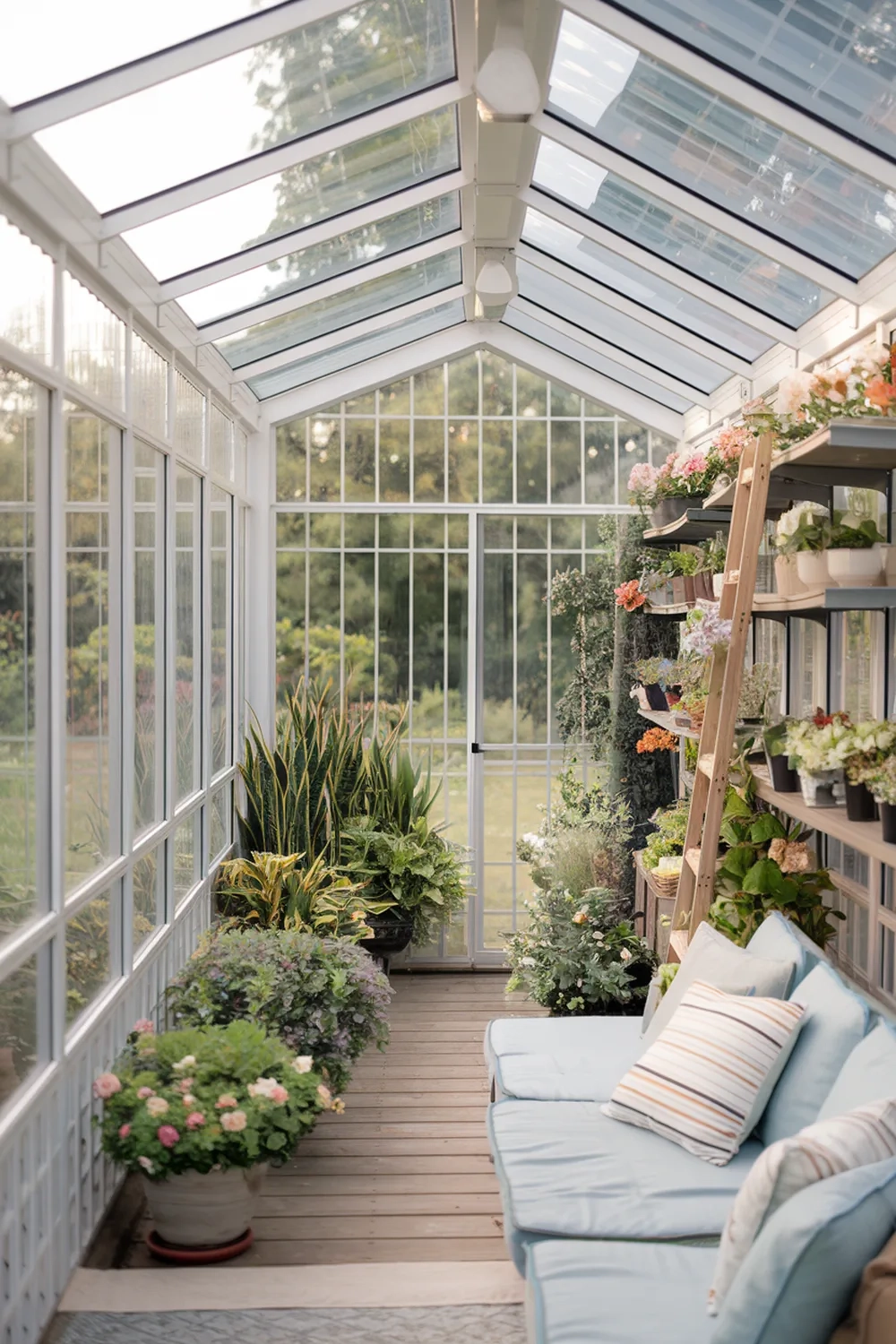
You’ve probably seen those sleek, glass-enclosed cabinets on social media. They look like little jewels sitting in the corner of a living room, filled with lush ferns and vibrant orchids. It’s tempting to think that if you just buy one, put it by a window, and wait, nature will do the rest. After all, plants need light and water, right? That’s the basic recipe we all learned in elementary school. But here’s the thing: an indoor greenhouse isn’t just a box. It’s a microclimate. And microclimates are tricky beasts.
I’ve talked to countless gardeners who started with high hopes, only to watch their prized monstera develop brown tips or their seedlings stretch weakly toward the ceiling. They had the glass. They had the sunlight. So what went wrong? The answer usually lies in the invisible factors. The air that doesn’t move. The humidity that spikes too high at night. The light spectrum that’s missing key wavelengths. In 2026, we know more than ever that successful indoor gardening is less about passive containment and more about active management. It’s a commitment, not just a purchase.
Think of it this way. If you were building a house, you wouldn’t just put up walls and expect it to be comfortable. You’d need insulation, ventilation, heating, and maybe even some smart tech to keep things running smoothly. Your plants are living in that house. They rely on you to be the architect of their environment. This guide isn’t about making things complicated. It’s about stripping away the mystery so you can actually enjoy the process. Let’s dive into what really makes those green boxes tick.
The Myth of "Enough" Natural Light
We tend to overestimate how much light our windows actually provide. Sure, it looks bright to us. Human eyes are incredibly adaptable. But for a plant, especially one trying to flower or produce fruit, that window light might be barely a snack when they need a full meal. Glass filters out certain UV rays, and depending on which way your window faces, you might only get strong direct light for a few hours a day. In the winter months of 2026, this deficit becomes even more pronounced.
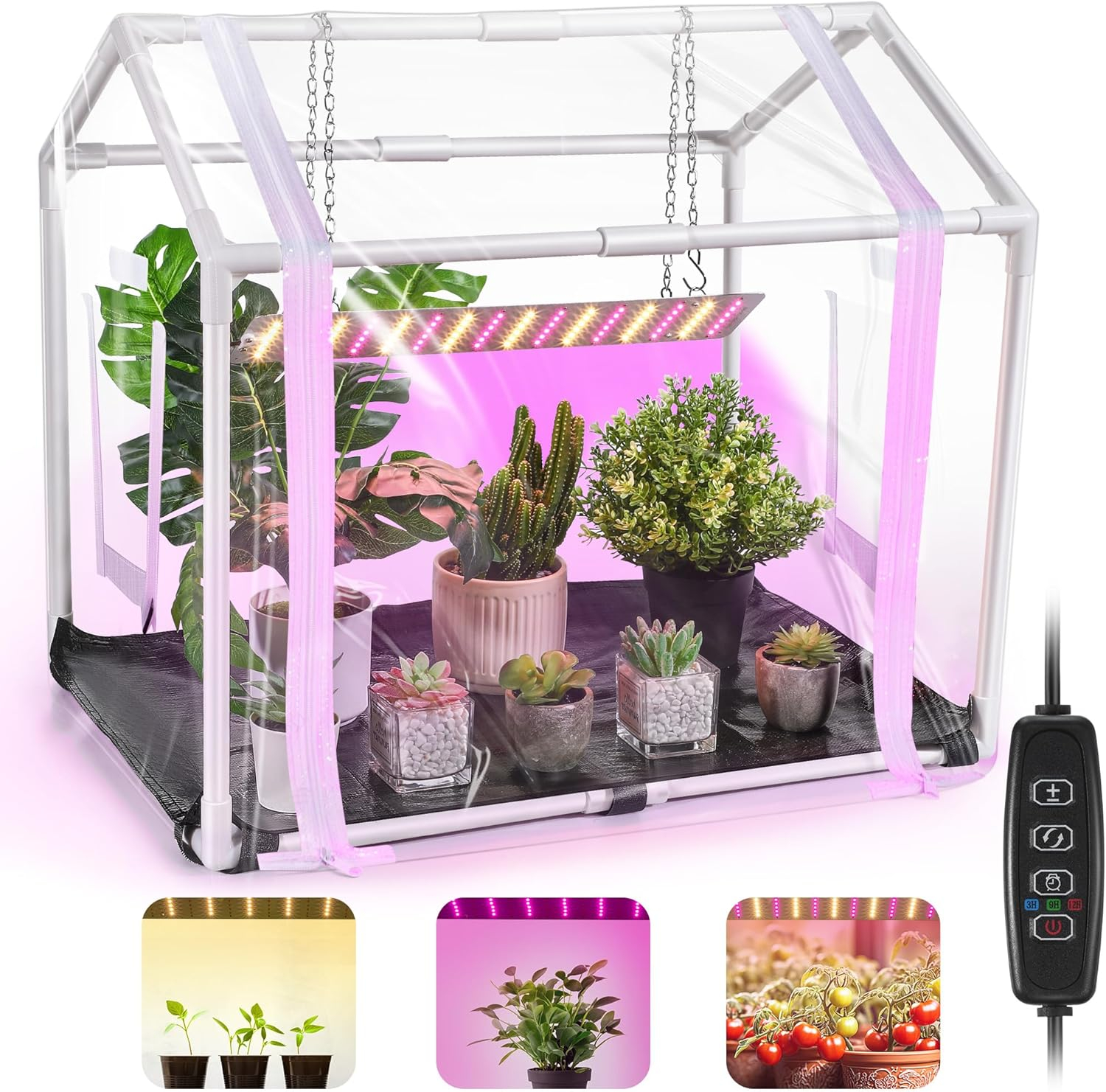
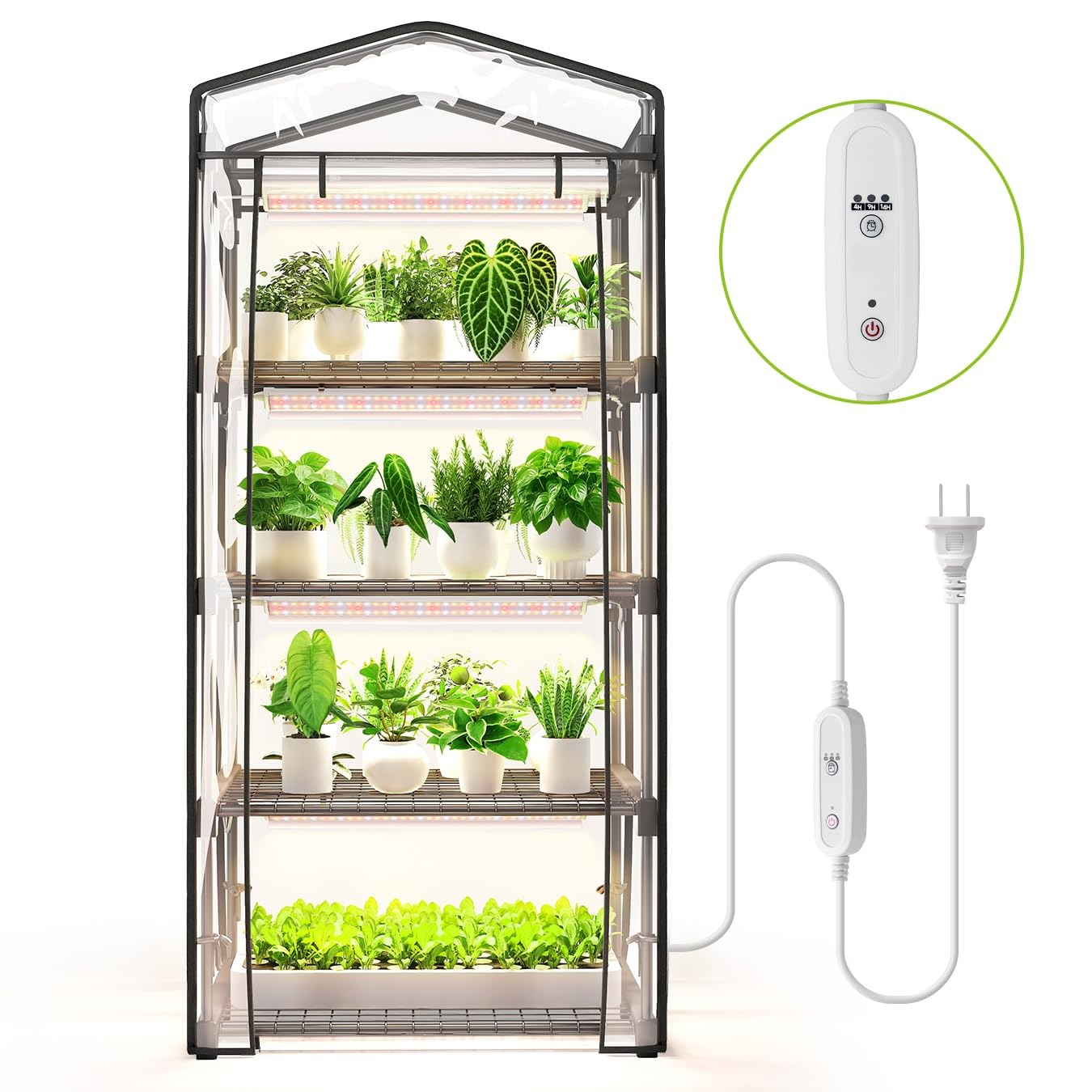
This is where supplemental artificial lighting stops being a luxury and starts being a necessity. But not just any light. You can’t just slap a standard household bulb above your herbs and expect basil to thrive. Plants care about the spectrum. They need blue light for vegetative growth—those leafy, green stages—and red light for flowering and fruiting. Modern LED grow lights have become surprisingly efficient and aesthetically pleasing. They don’t have to look like scary purple science experiments anymore. Many now offer full-spectrum white light that blends seamlessly into your home decor while delivering the specific photons your crops crave.
The key is matching the light to the plant. An anthurium has different needs than a tomato plant. As noted by experts at plantingguys.com, targeted nutrition applies to lighting too. You wouldn’t feed a cactus the same way you feed a fern. Similarly, your lighting setup should reflect the specific variety you’re growing. Smart controls have made this easier. You can now set timers and adjust intensity based on real-time needs. If you notice your seedlings getting leggy, you can boost the blue spectrum. If your peppers aren’t setting fruit, you can tweak the red. It’s about responsiveness, not just presence.
Airflow: The Invisible Lifeline
If there’s one thing that kills indoor plants faster than bad lighting, it’s stagnant air. We often forget that plants breathe. They take in carbon dioxide and release oxygen during the day, and the reverse happens at night. But beyond gas exchange, airflow is crucial for strengthening plant stems. In nature, wind causes micro-tears in plant tissues, which heal back stronger. Inside a sealed glass box, there is no wind. Without intervention, your plants can become weak and spindly, unable to support their own weight as they grow.
More importantly, stagnant air is a breeding ground for disease. Fungal issues like powdery mildew or botrytis love still, humid environments. If the air doesn’t move, moisture settles on leaves and stays there. That’s a recipe for rot. You don’t need a hurricane in your greenhouse cabinet. A small, oscillating fan set on low can make a world of difference. It mimics a gentle breeze, keeping the air circulating around the foliage. This helps regulate temperature too, preventing hot spots that can scorch delicate leaves.
Positioning matters here. You want the air to move through the canopy, not just blow directly onto one spot. Think of it as creating a gentle current. Some modern indoor greenhouse units come with built-in ventilation systems, but if yours doesn’t, adding a small USB fan is a cheap and effective upgrade. Pay attention to how the leaves react. If they’re fluttering slightly, you’re good. If they’re being battered, dial it back. It’s a balance. You’re trying to create movement, not chaos. Remember, consistency is key. Running the fan for a few hours a day can prevent weeks of headache later on.
Humidity Control: Walking the Tightrope
Humidity is perhaps the most misunderstood aspect of indoor greenhouse care. We hear that tropical plants love humidity, so we assume more is better. Not quite. While high humidity is great for preventing water loss through leaves (transpiration), too much creates problems. It blocks the plant’s ability to cool itself and, as mentioned earlier, invites fungal pathogens. On the flip side, if the air is too dry, especially in heated homes during winter, your plants will struggle to uptake water efficiently, leading to crispy edges and stunted growth.
Managing this balance requires observation and sometimes, technology. Hygrometers are inexpensive tools that tell you exactly what the moisture level is in your enclosure. Most tropical houseplants prefer a range between 50% and 70%. Succulents and cacti? Much lower, around 30% to 40%. Knowing your target range is half the battle. If you’re growing a mix of plants, you might need to group them by their humidity needs or use localized methods like pebble trays for specific pots rather than humidifying the whole unit.
Ventilation plays a huge role here too. Opening vents or doors briefly can help release excess moisture after watering. In 2026, smart sensors can automate this process, turning on exhaust fans when humidity spikes above a certain threshold. But even without smart tech, simple habits work wonders. Watering in the morning allows excess moisture to evaporate during the day rather than sitting overnight. Avoid misting leaves directly if airflow is poor; it’s often better to increase ambient humidity through other means. It’s a tightrope walk, but once you find your rhythm, your plants will reward you with vibrant, turgid leaves.
Temperature Stability and Thermal Mass
Greenhouses work by trapping heat, creating a buffer against outdoor temperature swings. This is great, but indoors, the dynamics are different. Your home likely has a thermostat that keeps things relatively stable, but your greenhouse cabinet can still experience rapid fluctuations. Direct sunlight through glass can create a sauna effect in minutes, raising temperatures dangerously high. Then, when the sun moves or sets, the temperature can drop just as quickly. Plants hate these sharp swings. Stress from temperature volatility can cause bud drop, leaf yellowing, or halted growth.
Understanding thermal mass helps mitigate this. Thermal mass refers to materials that absorb and store heat, releasing it slowly when the surroundings cool down. In a traditional outdoor greenhouse, you might use water barrels or stone floors. Indoors, you can use simpler methods. Dark-colored pots, ceramic containers, or even shelves made of dense material can help stabilize temperatures. They act as batteries for heat, smoothing out the peaks and valleys. This buffering effect is crucial for maintaining steady metabolic rates in your plants.
Also, consider the placement of your unit. Avoid putting it right next to a radiator or an air conditioning vent. These sources create artificial extremes that fight against your efforts to maintain stability. If you notice condensation forming heavily on the glass, it’s a sign that the temperature difference between inside and outside the box is too great, or humidity is too high. Adjusting your environment slightly—maybe moving the unit a foot away from the window or adding a shade cloth during peak afternoon sun—can make a significant difference. It’s about creating a gentle, consistent climate, not a rollercoaster.
Soil Health and Root Zone Management
We spend so much time looking at the leaves that we forget what’s happening underground. The root zone is the engine room of your plant. In an indoor greenhouse, soil behaves differently than it does outdoors. There’s no rain to flush out salts, no earthworms to aerate the dirt, and no natural freeze-thaw cycles to break down organic matter. This means your soil mix needs to be specially formulated for container life. It must drain well to prevent root rot, yet retain enough moisture to keep roots hydrated. A heavy, garden-style soil will suffocate roots in a pot.
Nutrient management is also critical. Because you’re growing in a closed system, nutrients don’t replenish themselves. You have to be the supplier. However, over-fertilizing is a common mistake. Indoor plants generally grow slower than outdoor ones, so they need less food. Using a balanced, water-soluble fertilizer at half-strength is often safer than going full strength. Watch for signs of deficiency or toxicity. Yellowing lower leaves might mean nitrogen shortage. Brown tips could indicate salt buildup from too much fertilizer. Flushing the soil with plain water every few months can help reset the balance.
Don’t underestimate the power of repotting. Even in a perfect environment, roots eventually fill their space. When they do, growth stalls. Checking root health during seasonal changes gives you a chance to refresh the soil and trim any dead or circling roots. It’s a bit messy, sure, but it’s one of the most impactful things you can do for long-term health. Think of it as giving your plant a fresh start. Healthy roots mean healthy shoots. It’s that simple. And remember, cleanliness matters. Sterilize your pots and tools to avoid introducing pests or diseases into your controlled environment.
At the end of the day, all the gadgets and sensors in the world can’t replace your own eyes. Technology is a tool, not a replacement for engagement. Spending time with your plants, really looking at them, is the best diagnostic tool you have. Notice the subtle changes. Is that new leaf smaller than the last? Are the stems leaning in a particular direction? These are clues. Plants communicate through their appearance. Learning to read these signals takes time, but it’s deeply rewarding. It connects you to the rhythm of growth in a way that apps and meters can’t.
Patience is another virtue that indoor gardening demands. We live in a fast-paced world, but plants operate on their own timeline. Rushing them with excessive light or fertilizer won’t make them grow faster; it’ll just stress them out. Accepting the slow pace is part of the therapy. It’s a sanctuary of resilience, as some growers put it. In uncertain times, having a small, controlled space where life persists and thrives can be grounding. It reminds us that growth is a process, not an event.
So, don’t get discouraged if things don’t look perfect immediately. Every greenhouse keeper has killed a plant or two. It’s part of the learning curve. Each failure teaches you something about your specific environment. Maybe your north-facing window isn’t enough for citrus. Maybe your fan is too strong. Adjust, learn, and try again. The goal isn’t perfection. It’s progress. It’s about creating a space that brings you joy and sustains life. And honestly, there’s nothing quite like the pride of harvesting a herb you grew yourself, or watching a flower bloom in the middle of winter. That connection is worth every bit of effort.
In conclusion, an indoor greenhouse is more than just glass and sunlight. It’s a dynamic system that requires attention to light spectrum, airflow, humidity, temperature, and soil health. By understanding these elements, you move from being a passive observer to an active participant in your plants’ lives. You create a thriving ecosystem that can withstand the challenges of indoor living. So, look beyond the glass. Check the air. Feel the soil. Watch the light. Your plants are waiting for you to notice. And trust me, they’ll thank you for it.