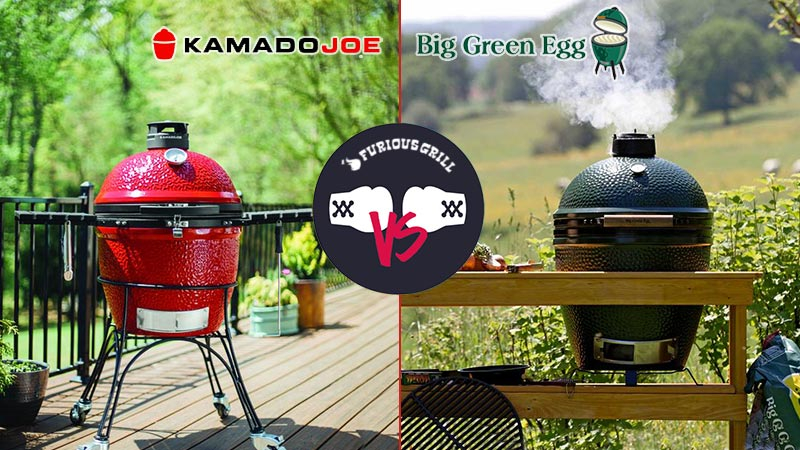
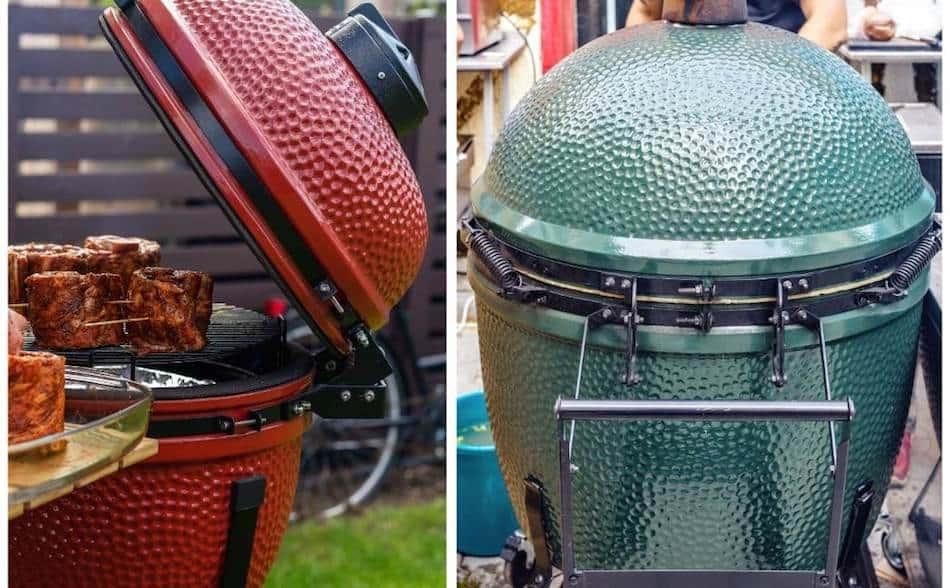
You’ve probably seen them. Those big, egg-shaped ceramic monsters sitting on patios across the suburbs. They look like ancient artifacts mixed with modern engineering. And they cook food in a way that makes your neighbors jealous. But here’s the thing. Once you decide you want one, you hit a wall. Do you go with the original, the Big Green Egg? Or do you pick the challenger, Kamado Joe?
It’s not just about color. Though, let’s be honest, the green is iconic. It’s about what you get for your money. It’s about how easy it is to clean. It’s about whether you need a degree in engineering just to change the charcoal. I’ve talked to dozens of owners. Some swear by the Egg. Others won’t touch anything but a Joe. Both sides have passion. Both sides have points. Let’s cut through the noise and look at what actually matters when you’re standing in the store, credit card in hand.
The Heritage and Brand Vibe
Big Green Egg has been around since the 1970s. They basically created the modern kamado market in the West. When you buy an Egg, you’re buying into a legacy. It’s the Coca-Cola of grills. Everyone knows it. There’s a massive community behind it. You can find parts in almost any hardware store that carries grills. The brand feels established. Solid. Maybe a bit stubborn, but reliable.
Kamado Joe entered the scene later, around 2009. They looked at the Egg and said, "We can do this better." And in many ways, they did. They brought innovation to a stagnant market. The vibe with Joe is more modern. More user-friendly. It feels like a company that listens to feedback. If you’re the type of person who likes the newest features and doesn’t mind a slightly smaller (but growing) community, Joe appeals to you. It’s less about tradition and more about solving problems.
Does the brand history matter when you’re cooking ribs? Not really. The meat doesn’t care about the logo. But it matters when you need a replacement gasket five years from now. Or when you want to sell it. The Egg holds its value incredibly well because of that brand recognition. Joe is catching up, but the Egg is still the king of resale. Think about how much you plan to use it. If you’re a casual griller, maybe the brand prestige isn’t worth the extra cost. If you’re a collector or a serious pitmaster, that heritage might feel important.
Construction and Build Quality
Let’s talk ceramics. Big Green Egg boasts about their "NASA-pioneered" ceramics. It sounds impressive, right? In reality, both brands use high-quality, thick ceramic shells. Tests in 2026 show there’s barely any difference in heat retention or durability between the two. Both will last decades if you don’t drop them. The Egg’s ceramic is slightly thicker in some models, but does that translate to better cooking? Most users say no. The heat distribution is nearly identical.
Where you see a difference is in the hardware. Kamado Joe uses stainless steel for almost all their hinges, handles, and vents. Big Green Egg still uses some coated steel and aluminum parts. Why does this matter? Rust. Over time, those coated parts on the Egg can corrode, especially if you live near the ocean or in a humid climate. Joe’s stainless steel holds up better. It’s a small detail, but it adds up. You don’t want to be replacing a rusted hinge after three years.
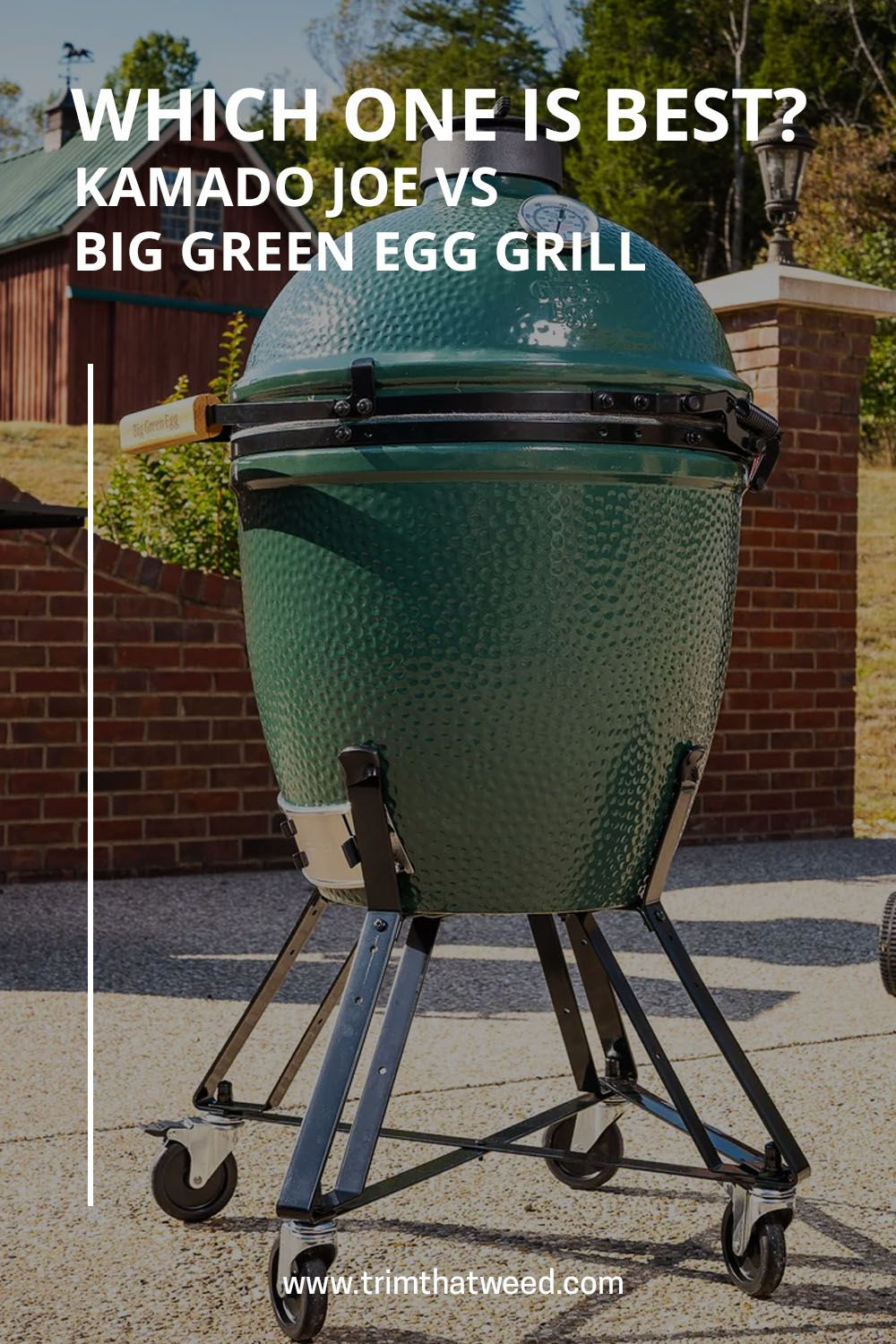
Also, consider the stand. The Egg’s wooden stands are classic, but they require maintenance. You have to oil them. They can rot. Kamado Joe often comes with powder-coated steel carts or bamboo stands that are more weather-resistant. The Joe Classic III, for example, has a cart that feels more solid out of the box. The Egg’s nest system is modular, which is cool, but it costs extra. With Joe, you often get more "furniture" included in the base price. It’s about what you value: modularity or completeness.
Innovation and User Features
This is where Kamado Joe really shines. They looked at the pain points of owning an Egg and fixed them. The biggest one? The divide and conquer system. Joe includes a flexible cooking rack system that lets you cook at two levels easily. You can sear steaks on top while smoking brisket below. With the Egg, you usually have to buy separate accessories to do this, and it’s not as seamless. The Joe’s "Kontrol Tower" vent is another game-changer. It allows for precise temperature control without opening the lid. Opening the lid kills your heat. The Egg’s daisy wheel top vent works, but it’s not as fine-tuned.
Then there’s the air lift hinge. Have you ever tried to open a heavy ceramic lid with one hand while holding a plate of burgers? It’s hard. The Egg’s lid is heavy. It slams shut if you’re not careful. Kamado Joe introduced a spring-loaded hinge that makes the lid feel weightless. You can open it with a finger. It stays open at any angle. This seems like a small thing, but when you’re cooking for a crowd, it’s a huge quality-of-life improvement. Once you use the air lift, going back to a standard hinge feels archaic.
Big Green Egg has updated their designs, like the EGGspander system, but it often feels like an afterthought. You have to buy it separately. It clips in, but it’s not as integrated as Joe’s system. In 2026, Joe continues to iterate faster. They add new accessories that fit perfectly. The Egg ecosystem is vast, but it’s fragmented. You’re piecing together a puzzle. With Joe, the pieces fit together from the start. If you hate tinkering and just want it to work, Joe’s out-of-box experience is superior.
Price and Value Proposition
Let’s address the elephant in the room. Cost. Big Green Egg is generally more expensive. Not just the grill, but everything around it. The accessories are pricey. The stands are sold separately. By the time you buy a Large Egg, a nest, a convEGGtor, and a grid extender, you’re spending a significant chunk of change. Kamado Joe offers more bang for your buck. The Classic III often comes with the divide and conquer rack, the hinge, and a cart for a price that’s competitive with just the bare-bones Egg.
But wait. There’s a catch. The Egg holds its value. If you buy a used Egg, you can sell it for nearly what you paid. It’s like a Toyota Tacoma. Kamado Joe depreciates faster. If you think you might upgrade or move in a few years, the Egg is a safer financial bet. However, if you plan to keep it forever, the initial savings with Joe are real. You’re getting more features for less money upfront.
Also, consider the hidden costs. With the Egg, you’ll likely buy more accessories to match the functionality of a stock Joe. That adds up. A thermometer, a better vent, a rack system. These aren’t included. With Joe, they’re often standard. So, when comparing prices, don’t just look at the sticker price of the ceramic shell. Look at the total cost of ownership. For most people, Joe wins on value. For investors or resellers, the Egg wins on retention. It depends on your horizon.
Warranty and Customer Support
Warranties are boring until you need them. Both companies offer decent coverage, but the details matter. Kamado Joe covers their ceramics for 3 years, metal parts for 5 years, and gaskets/plastic for 1 year. It’s straightforward. Big Green Egg offers a limited lifetime warranty on the ceramic. That sounds amazing. And it is. If your Egg cracks due to manufacturing defects, they replace it. But the lifetime warranty doesn’t cover the metal parts or accessories in the same comprehensive way.
Customer support experiences vary. Because the Egg has been around longer, their support network is larger. You can find independent repair shops that know Eggs inside out. Kamado Joe’s support is more centralized. Some users report slower response times, but others praise their willingness to send replacement parts quickly. In 2026, both brands have improved their digital support. You can chat online, watch tutorial videos, and find forums.
The key difference is expectation. With the Egg, you’re expected to be a bit more self-reliant. The community fills the gaps. With Joe, the company tries to be more hands-on. If you’re not handy, you might prefer Joe’s approach. If you like DIY and have a local dealer who helps you out, the Egg’s lifetime ceramic warranty is a strong safety net. Just remember, the lifetime warranty doesn’t cover user error. Dropping the lid? That’s on you, regardless of the brand.
Here’s the truth. Both grills cook incredibly well. They are kamados. They retain heat. They seal tight. You can smoke a brisket at 225°F for 12 hours on either one without adding charcoal. You can sear a steak at 700°F on either one. The results are 95% identical. The remaining 5% comes down to airflow control and ease of use. Because Joe’s vents are easier to adjust, you might hit your target temperature faster. That means less fussing and more cooking.
Temperature stability is crucial for long smokes. Both excel here. However, the Joe’s Kontrol Tower vent allows for micro-adjustments. If the wind picks up, you can tweak the airflow without opening the lid. On an Egg, you might have to adjust the bottom draft door, which is harder to reach. This leads to fewer temperature spikes. Fewer spikes mean more consistent bark on your ribs. It’s a subtle difference, but experienced pitmasters notice it.
What about versatility? Both can grill, smoke, bake, and roast. But Joe’s accessory ecosystem makes switching between these modes easier. The divide and conquer system lets you cook pizza and wings at the same time. The Egg can do it too, but it requires more juggling. For everyday cooking, Joe feels more flexible. For pure, traditional smoking, they are neck-and-neck. If you’re a beginner, Joe’s ease of control might lead to better results simply because it’s less frustrating to manage.
So, which one should you buy? It depends on what you value. If you want the best value, the most features out of the box, and easier usability, Kamado Joe is the winner. It’s designed for the modern user. If you care about brand heritage, resale value, and having a lifetime warranty on the ceramic, Big Green Egg is the choice. It’s the classic. You can’t go wrong with either. Both will make you a better cook. Both will bring friends to your backyard. Just pick the one that fits your budget and your style. And then, stop reading reviews. Go buy some charcoal. Start cooking. That’s the only way to really know.