You know that feeling when you run your hand across an old oak table? It’s warm. It feels alive. There’s a texture there that plastic just can’t mimic. But then you spill coffee on it, and panic sets in. Will it stain? Will it ruin the finish? This is the eternal struggle for anyone who loves wood but also lives in the real world. We want our furniture to look stunning, like something out of a magazine, but we also need it to survive kids, pets, and Tuesday night dinners.
For decades, the debate has raged in workshops and living rooms alike. On one side, you have the traditionalists swearing by wax. On the other, the pragmatists preaching the gospel of polyurethane. In 2026, the lines are blurring a bit with new hybrid products, but the core choice remains the same. Do you prioritize the soul of the wood, or its armor? It’s not just about chemistry. It’s about how you want to live with your things.
Let’s be honest. Most of us aren’t professional finishers. We’re just people who bought a nice dining set or decided to refinish grandma’s dresser. We don’t need a chemistry degree. We need to know what’s going to look good in five years without requiring a PhD to maintain. So, let’s cut through the noise. Let’s talk about what actually happens to your wood when you choose one path over the other.
The Soul of the Wood: Understanding Wax Finishes
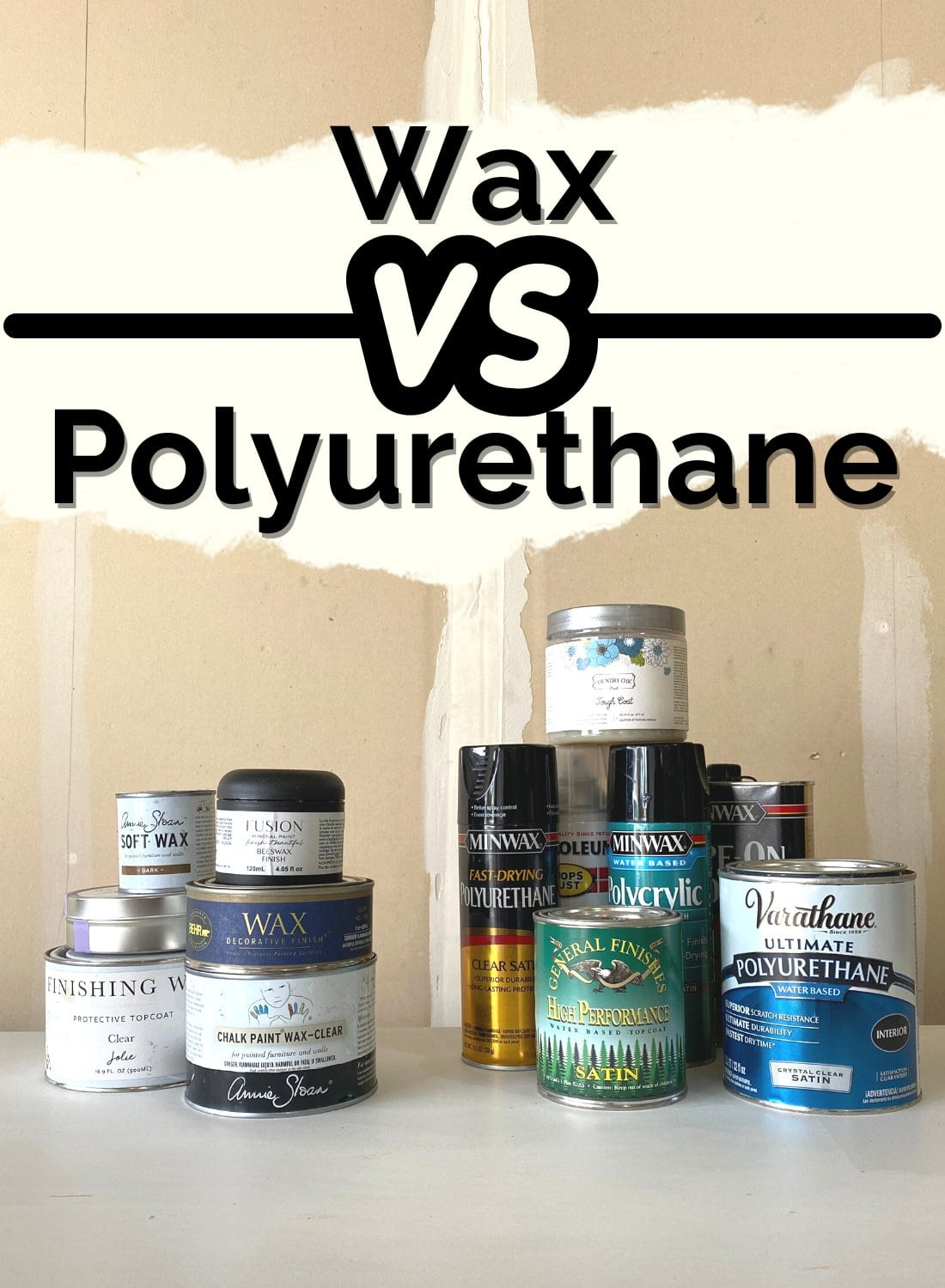
Wax isn’t new. People have been rubbing beeswax and carnauba onto wood for centuries. It’s probably the oldest finish in the book. And there’s a reason it stuck around. Wax doesn’t sit on top of the wood like a shell. It sinks in, just a little bit. It fills the pores. This gives the wood a depth that is hard to replicate with synthetic coatings. When you touch a waxed surface, you’re touching the wood, not a layer of plastic. That tactile connection is huge. It feels organic. Soft. Inviting.
But here’s the thing about wax. It’s soft. Like, really soft. If you press your fingernail into a heavily waxed piece of pine, you might leave a mark. It doesn’t harden into a rigid film. This means it offers minimal protection against scratches, dents, or heavy wear. It’s great for a chair that nobody sits in, or a decorative shelf holding books. But put it on a kitchen table? You’re asking for trouble. Water rings are the enemy. Heat is the enemy. Even sunlight can make some waxes get sticky or cloudy over time.
However, the beauty is undeniable. Wax enhances the grain. It makes walnut look like chocolate and maple look like honey. It has a low sheen, usually satin or matte, which hides imperfections well. If your wood has some character marks or slight unevenness, wax forgives it. Polyurethane tends to highlight every flaw because it creates a perfectly flat, reflective surface. With wax, the imperfections blend into the rustic charm. It’s forgiving in appearance, even if it’s fragile in function.
Maintenance is where wax gets tricky. You can’t just wipe it down with a wet rag. Water beads up on fresh wax, but eventually, it wears off. You need to re-wax. Maybe once a year for low-use items, maybe every few months for high-touch areas. It’s a ritual. Some people love this connection to their furniture. They enjoy the act of caring for it. Others find it a hassle. If you’re the type who wants to set it and forget it, wax might drive you crazy. It demands attention. It asks you to show up.
The Armor Plating: The Case for Polyurethane
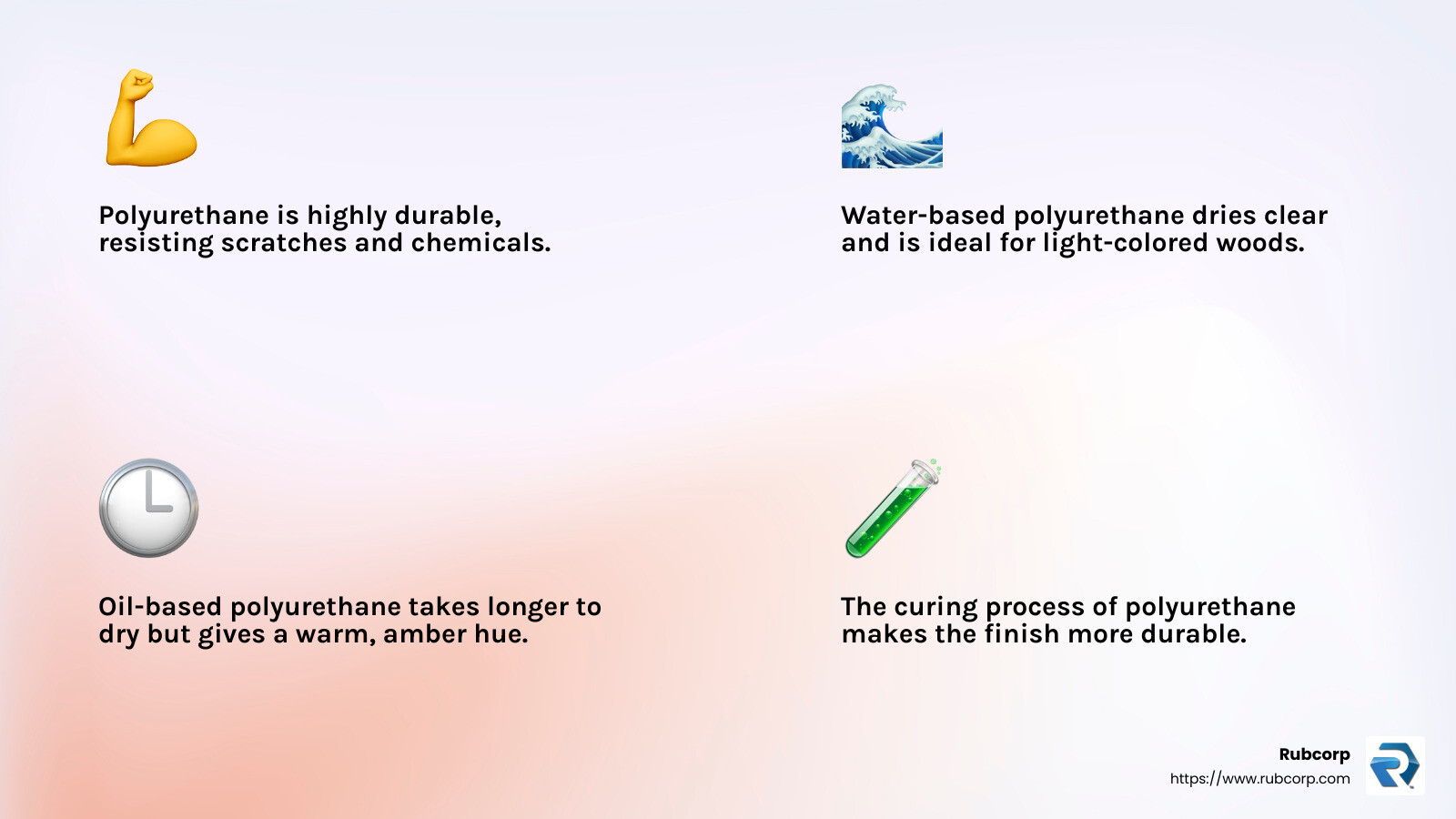
Now let’s flip the script. Polyurethane is the tank of the finishing world. Developed in the mid-20th century, it revolutionized woodworking by offering a durable, plastic-like coating that seals the wood completely. Whether it’s oil-based or water-based, poly creates a hard shell. This shell is resistant to water, alcohol, acids, and heat. You can spill red wine on a polyurethane-finished table, leave it for an hour, and wipe it up with no damage. That peace of mind is worth a lot to parents and party hosts.
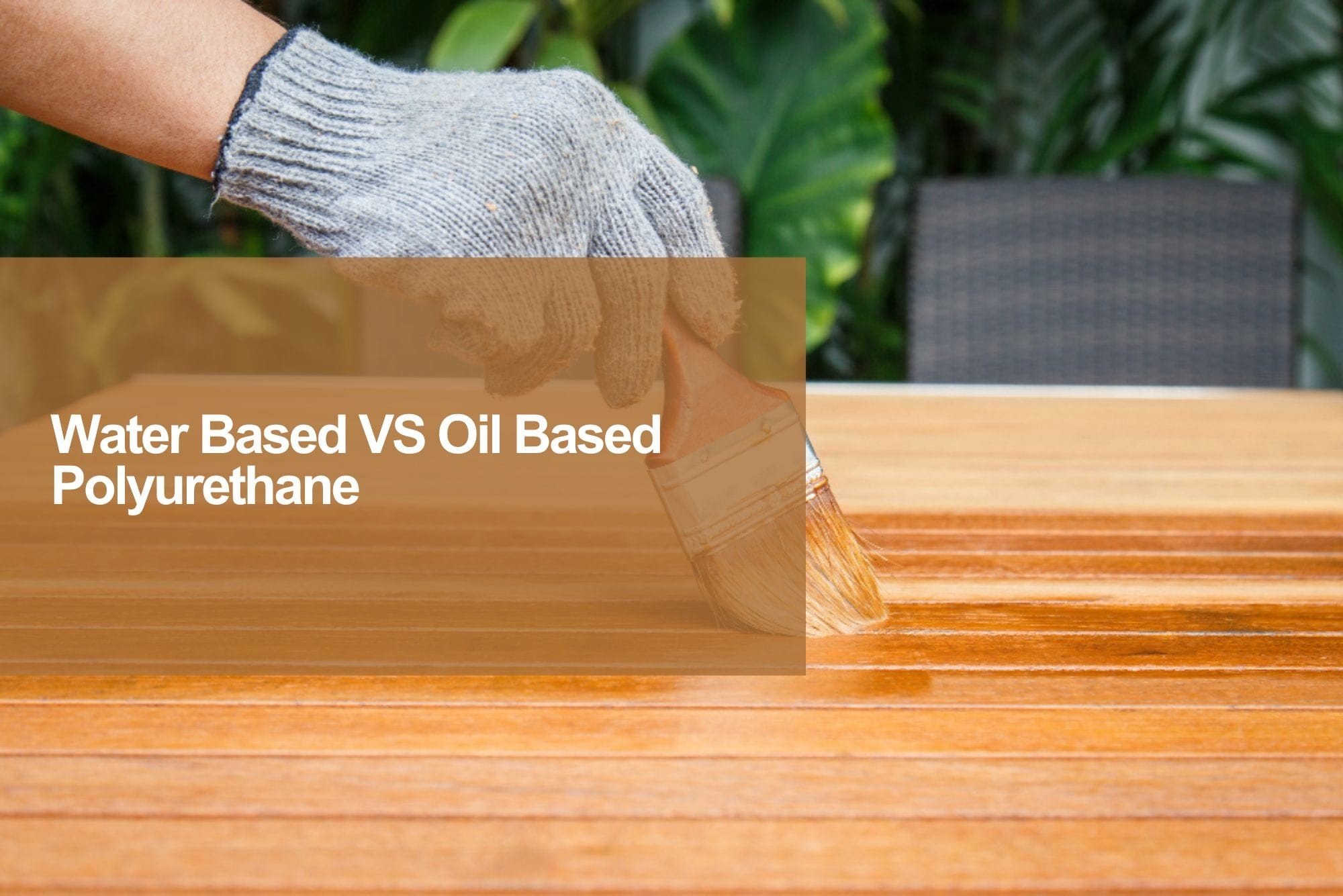
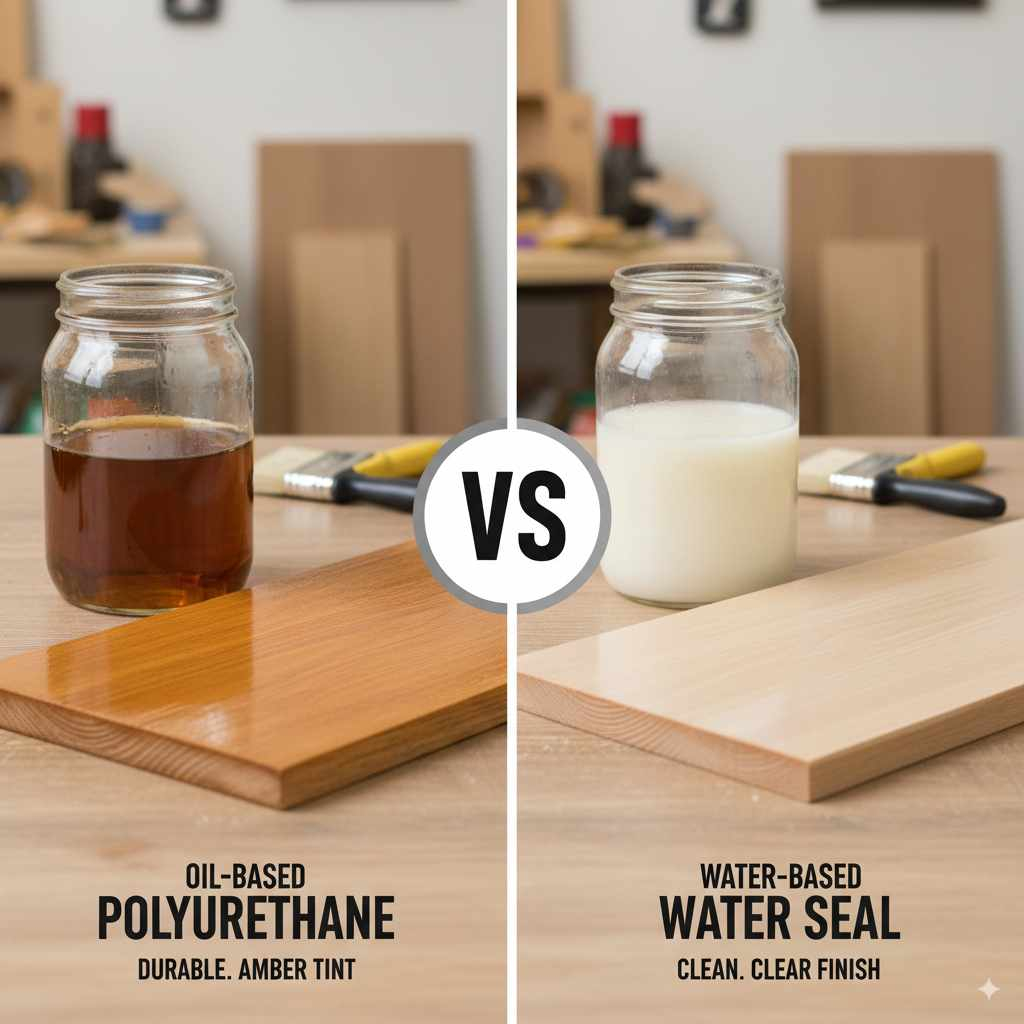
There are two main types you’ll see in stores in 2026: oil-based and water-based. Oil-based poly has been the gold standard for durability. It amberizes over time, adding a warm, yellow tone to the wood. This is great for oak or cherry, making them look richer. But it smells strong, takes forever to dry (sometimes 24 hours between coats), and requires mineral spirits for cleanup. It’s a commitment. You need good ventilation and patience. If you rush it, you get bubbles and dust nibs.
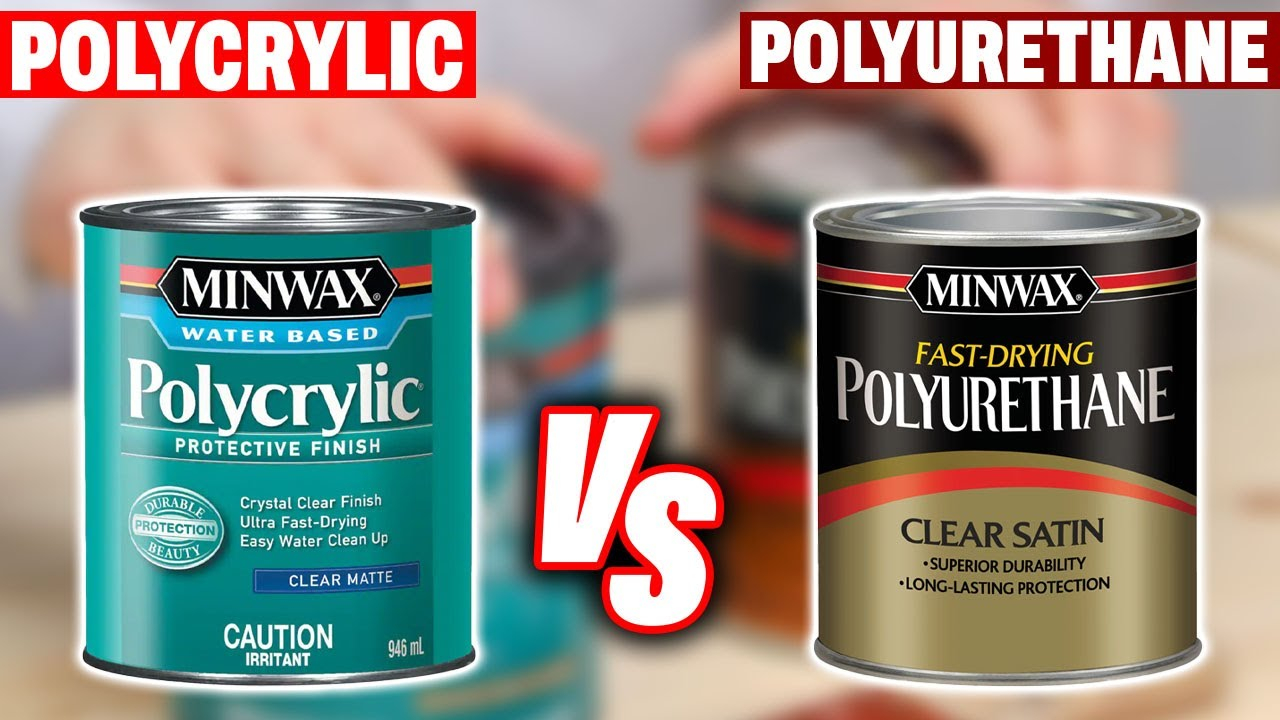
Water-based poly, on the other hand, has come a long way. Early versions were weak and cloudy. Today’s formulas are crystal clear and tough. They don’t yellow, so they keep white woods like maple or ash looking bright and modern. They dry fast—often in a couple of hours—and clean up with soap and water. The smell is minimal. For many DIYers in 2026, this is the go-to. It’s easier, faster, and safer. But some purists argue it still doesn’t have the same depth as oil-based finishes. It can look a bit "flat" or plastic-like if you apply too many coats.
The downside of polyurethane is repairability. Because it forms a hard film, you can’t just spot-fix a scratch. If you gouge the finish, you have to sand the entire surface down and recoat it. You can’t just rub some wax into a dent. It’s all or nothing. Also, if moisture gets under the poly (which can happen if the seal isn’t perfect), it traps it there, leading to white clouds or peeling. Once poly fails, it fails dramatically. It doesn’t age gracefully; it breaks.
The Look and Feel: Aesthetics Matter More Than You Think
Let’s talk about vibes. Because at the end of the day, you’re looking at this furniture every day. Wax offers a natural, matte finish. It feels like skin. It’s warm to the touch. There’s no slickness. This is crucial for pieces you interact with physically, like handrails, chair arms, or desktops. You want to feel the grain, not a slippery coating. Wax allows the wood to breathe, which means it can expand and contract with humidity changes without cracking the finish. This makes it ideal for antique restoration where preserving the original integrity is key.
Polyurethane, especially high-gloss versions, looks shiny. Sometimes too shiny. It can make a beautiful piece of wood look like it’s wrapped in cellophane. However, satin and matte polys have improved massively. They offer a subtle sheen that protects while staying relatively understated. But even the flattest poly still feels like a coating. Run your hand across it, and you feel smoothness, not texture. For some modern interiors, this sleek, uniform look is exactly what’s wanted. It fits the clean, minimalist aesthetic popular in 2026 design trends.
Color shift is another big factor. As mentioned, oil-based poly yellows. If you have a light-colored wood and you want it to stay light, oil-based is a bad choice. It will turn amber within weeks. Water-based poly stays clear. Wax also stays relatively true to color, though it can darken the wood slightly, enhancing the richness without adding a yellow tint. If you’re working with exotic woods like purpleheart or ebony, you want a finish that doesn’t alter the hue. Wax or water-based poly are your friends here.
Then there’s the issue of build. Polyurethane builds up thickness. You can apply three, four, five coats. This fills in minor imperfections in the wood surface, creating a glass-like flatness. Wax doesn’t build. It saturates. If your wood is rough, wax won’t smooth it out. You have to sand the wood perfectly before applying wax. Poly can hide a multitude of sins in the prep work, but wax exposes them. If you’re a perfectionist sander, wax rewards you. If you’re a bit lazy with the sandpaper, poly might save your bacon.
Durability Showdown: Real Life Tests
Okay, let’s get practical. What happens when life happens? Let’s imagine a dining table. Scenario A: Waxed. You put down a hot pot. The wax melts. You get a white ring. To fix it, you might need to steel wool the area and re-wax the whole table. You put down a wet glass. If it sits too long, water penetrates. Dark spot. You drop a fork. It dents the wood because the wax offers zero impact resistance. Wax is for low-traffic zones. Think bedroom dressers, side tables, or display cabinets.
Scenario B: Polyurethane. Hot pot? No problem, unless it’s scorching hot from the oven. Wet glass? Leave it overnight. Wipe it up. No stain. Dropped fork? It might dent the wood underneath, but the finish won’t break. The plastic shell absorbs the shock. Spilled juice, wine, vinegar? Wipe it up. Poly is chemically resistant. This is why it’s the standard for kitchen cabinets, bathroom vanities, and floorboards. It takes a beating and keeps looking good.
But durability isn’t just about resistance. It’s about longevity. A wax finish lasts as long as you maintain it. If you stop waxing, the wood dries out and looks dull. It doesn’t "fail," it just fades. A polyurethane finish lasts until it wears through. In high-traffic areas like floors, poly can last 10-15 years before needing a full refinishing. On a table, it can last decades. But when it finally fails, it looks terrible. Peeling, flaking, cloudy patches. You can’t just add another coat on top of worn poly easily. You have to strip it.
There’s also the factor of UV resistance. Sunlight breaks down finishes. Wax can degrade faster in direct sun, becoming brittle or discolored. Polyurethane, especially those with UV inhibitors added (common in 2026 formulations), holds up better against fading. If your furniture sits by a big window, poly is the safer bet. Wax would require constant monitoring and reapplication to prevent sun damage. It’s just more work.
Maintenance and Repair: The Long-Term Relationship
Here’s where the human element comes in. How much effort do you want to put in? Wax is high maintenance but easy repair. If you get a scratch, you just rub more wax into it. Blend it in. Done. It’s forgiving. You can fix small issues instantly without tools. This appeals to people who view furniture as living objects that need care. It’s like moisturizing your skin. Regular, small efforts keep it healthy. But if you neglect it, it looks neglected. There’s no hiding.
Polyurethane is low maintenance but hard repair. You wipe it with a damp cloth. That’s it. For years. It’s ignore-it-and-it’s-fine. But when something goes wrong, it’s a project. Sanding down a poly finish is dusty, loud, and time-consuming. You need space, equipment, and skill. You can’t just patch it. This appeals to busy people who want functionality without weekly rituals. They want to buy it, finish it, and live their lives.
In 2026, we’re seeing a rise in "hardwax oils." These are hybrids. They penetrate like wax but cure harder, offering better protection. They bridge the gap. They’re easier to repair than poly (you can spot-fix) but tougher than pure wax. If you’re torn, this might be the middle ground. Brands are marketing these heavily now as the best of both worlds. They cost more, but for many, the balance is worth it. They offer that natural feel with decent water resistance. Just don’t expect them to be as bulletproof as pure poly.
Consider your lifestyle. Do you have dogs? Cats? Kids? If yes, poly is probably your friend. Claws and toys destroy wax. Do you live alone or in a quiet household? Wax might bring you more joy. Do you hate the smell of chemicals? Go water-based poly or wax. Do you have time on weekends to buff furniture? Wax. Do you want to spend your weekend hiking? Poly. It’s not just about the wood. It’s about you.
Making the Choice: A Decision Framework
So, how do you decide? Stop looking at the cans and look at the piece. What is it? A dining table? Use poly. A heirloom chest? Use wax. A floor? Definitely poly. A picture frame? Wax. Context is king. Don’t try to force a square peg into a round hole. If you put wax on a kitchen counter, you will regret it. If you put thick gloss poly on an antique Victorian chair, you’ll ruin its value and charm.
Ask yourself three questions. One: How much traffic will this see? High traffic equals poly. Low traffic equals wax. Two: What’s the desired look? Natural and matte equals wax. Sleek and uniform equals poly. Three: How much maintenance will I do? None equals poly. Regular care equals wax. If you answer "high traffic," "natural look," and "no maintenance," you have a conflict. You’ll need to compromise. Maybe use a matte water-based poly. It’s a trade-off.
Don’t be afraid to mix methods. Some pros use a technique called "wax over poly." They apply a thin coat of poly for protection, let it cure, and then rub wax on top for feel and sheen. This gives you the armor of poly with the touch of wax. It’s a bit extra work, but it solves the "plastic feel" complaint. Just know that if the poly fails, the wax won’t save it. But for everyday spills and touches, it’s a fantastic combo.
Also, test it. Buy a small can of each. Find a scrap piece of the same wood. Finish half with wax, half with poly. Live with it for a week. Spill water on both. Scratch them with a key. See which one makes you cringe less. Your personal reaction is the best data point. Theory is great, but your gut feeling matters. If the poly feels cold and dead to you, no amount of durability will make you happy. If the wax feels too vulnerable, you’ll be anxious every time you set down a drink.
At the end of the day, wood is going to change. It’s going to darken, lighten, scratch, and dent. That’s its nature. The finish you choose just dictates how that aging process looks. Wax lets the wood age naturally, showing every scar and story. Poly preserves the wood in time, keeping it looking new until the shield breaks. Neither is wrong. They’re just different philosophies.
In 2026, we’re moving away from the idea that furniture needs to be perfect. We value authenticity. We value sustainability. Wax is often more eco-friendly, with fewer VOCs and natural ingredients. Poly is lasting longer, reducing the need for frequent refinishing. Both have a place in a conscious home. Don’t stress too much about making the "perfect" choice. There isn’t one. There’s only the right choice for your specific piece and your specific life.
So go ahead. Pick the finish that speaks to you. If you choose wax, enjoy the ritual of caring for it. Let it become a meditation. If you choose poly, enjoy the freedom of not worrying. Let it be invisible. Either way, you’re honoring the wood. You’re giving it a voice. And that’s what matters. Now, go make something beautiful. And maybe keep a coaster handy, just in case.