You know that sinking feeling when you scrape the last bit of chicken bones or that half-empty yogurt cup into the trash? It feels wrong. We’ve been taught that composting is good, that it’s our civic duty to keep organic matter out of landfills. But then reality hits. You can’t put meat in your backyard pile. You definitely shouldn’t toss in cheese or milk. So, those items go into the plastic bag, tied up tight, and shipped off to rot in a methane-spewing landfill. It’s a loop that feels broken.
But what if I told you there’s a tiny, six-legged workforce ready to change that? They aren’t worms. They aren’t bacteria you have to nurture for months. They are black soldier fly larvae (BSFL), and they are hungry. Really hungry. Unlike their earthworm cousins, who turn up their noses at anything with a pulse or a pasteurization date, these little guys will devour almost anything organic. Meat, dairy, grease, even citrus. They don’t just tolerate it; they thrive on it.
In 2026, as more of us look for ways to close the loop on our household waste, BSFL composting has moved from a niche hobbyist trick to a mainstream solution. It’s fast, it’s odorless when done right, and it produces two incredible byproducts: high-protein feed for animals and some of the best soil amendment you’ll ever find. Let’s dive into why your compost bin needs this upgrade, and how you can get started without turning your kitchen into a bug zoo.
The Meat and Dairy Dilemma in Traditional Composting
For decades, the rule of thumb for home composting was simple: stick to fruits, veggies, and yard waste. Keep it green and brown. Avoid the "forbidden four": meat, dairy, oils, and cooked foods. Why? Because traditional cold composting piles rely on slow decomposition by bacteria and fungi. When you add protein-rich or fatty foods, things go sideways fast. Rats show up. The smell becomes unbearable. The pile turns anaerobic, creating sludge instead of soil.
This limitation leaves a huge gap in our waste management. Think about your weekly grocery haul. A significant portion ends up as waste that can’t be composted traditionally. Chicken carcasses, leftover steak trimmings, spoiled milk, cheese rinds. In many households, this accounts for nearly 30-40% of kitchen scrap weight. By excluding these items, we’re only solving half the problem. We’re still sending a massive chunk of organic material to the landfill, where it decomposes without oxygen, releasing methane—a greenhouse gas far more potent than carbon dioxide.
Earthworms, the stars of vermicomposting, are also picky eaters. Red wigglers are amazing for vegetable scraps, but they struggle with acidic foods like citrus and onions, and they absolutely cannot handle meat or dairy. If you try to force it, they’ll either die or flee the bin. This leaves homeowners with few options: buy expensive municipal composting services (if available), use energy-intensive garbage disposals, or just throw it away. It’s a frustrating bottleneck in an otherwise eco-friendly lifestyle.
Enter the Black Soldier Fly: Nature’s Recycling Powerhouse
So, who are these black soldier flies? First off, don’t panic. They aren’t pests. Unlike houseflies, adult black soldier flies (Hermetia illucens) don’t have mouthparts. They don’t bite, sting, or spread disease. In fact, they don’t eat at all. Their sole purpose as adults is to mate and lay eggs. They live for just a few days, hovering around compost piles or gardens, looking for the perfect spot to deposit their next generation. They are harmless, quiet, and actually quite shy.
The real magic happens in the larval stage. These larvae are eating machines. Research from institutions like Purdue University highlights that BSFL can consume twice their body weight in food every single day. They secrete powerful enzymes that break down complex organic materials, including fats and proteins, which most other decomposers can’t touch. This means they can process meat, dairy, and even oily leftovers with ease. They don’t just break it down; they convert it efficiently.
What makes them so special is their speed. While a traditional compost pile might take six months to a year to produce finished compost, BSFL can reduce the volume of your food waste by up to 50-70% in just two weeks. In optimal conditions, some systems report full processing in as little as 21 days. This rapid turnover means you don’t have a bin sitting around for months, potentially attracting pests or smelling bad. It’s a continuous, fast-moving cycle of consumption and conversion.
Setting Up Your BSFL Bin: A Simple Guide
Getting started with black soldier fly composting doesn’t require a lab or a huge backyard. You can start with a simple plastic tote, a dedicated BSFL bin, or even modify an existing worm bin. The key is ventilation and drainage. BSFL produce a lot of moisture as they eat, so your bin needs holes for air and a way for excess liquid (often called "leachate") to drain out. If the bin gets too wet, it can become anaerobic and smelly. A simple setup involves a larger bin with a spigot at the bottom and a smaller inner basket to hold the solids, allowing the liquid to drip away.
Location matters. These larvae love warmth. They thrive in temperatures between 75°F and 95°F (24°C-35°C). If you live in a cooler climate, you might need to keep your bin indoors, perhaps in a garage, basement, or even under the kitchen sink (if you can handle the look). Outdoors, place it in a sunny spot during spring and fall, but provide shade in the heat of summer. In 2026, many commercially available bins come with insulation or heating elements for year-round use, but a DIY approach works just fine with some creativity.
To attract wild black soldier flies, you don’t need to buy eggs. Just start adding food scraps to your bin. The scent of fermenting food will draw adult flies from the surrounding area. They will lay eggs in the crevices of your bin or directly on the food. Within 24-48 hours, tiny white larvae will hatch and start feeding. If you’re impatient or live in an area with low fly activity, you can order starter colonies online. But honestly, nature is pretty good at finding them if you leave the door open, literally.
What to Feed Them (and What to Avoid)
One of the biggest advantages of BSFL is their diverse diet. You can feed them almost any kitchen scrap. Fruit and vegetable peels? Yes. Bread and grains? Absolutely. Meat scraps, bones, fish heads, and dairy products? You bet. This is where they shine. You can toss in that leftover lasagna, the greasy pizza crust, or the bones from your Sunday roast. They break it all down. However, moderation is key. While they can handle fats, dumping a gallon of used cooking oil at once might overwhelm them. Mix it in with dry materials like cardboard or sawdust to balance the moisture.
There are still a few things to avoid. Don’t feed them pet waste or human feces unless you are using a specifically designed sanitary system, as this can introduce pathogens. Also, while they can handle citrus, too much acidic fruit can lower the pH of the bin too much, slowing down the process. Balance is important. If you notice the bin getting too acidic, add some crushed eggshells or agricultural lime to neutralize it.
Another tip: chop your food scraps. Smaller pieces decompose faster. You don’t need to puree everything, but breaking down large chunks of meat or dense vegetables helps the larvae access the nutrients more quickly. Think of it as pre-chewing for them. The more surface area you create, the faster they can work their magic. And remember, they don’t need "browns" (carbon-rich materials) in the same ratio as traditional compost. They need mostly "greens" (nitrogen-rich food waste), with just enough carbon to absorb moisture and provide structure.
Harvesting the Gold: Frass and Larvae
After a few weeks, you’ll notice the larvae changing. They’ll grow larger, turning from a creamy white to a darker, almost black color. This is the "prepupal" stage. At this point, they stop eating and start looking for a dry place to pupate. This is your cue to harvest. Most BSFL bins are designed with a ramp or a collection bucket. As the prepupae crawl up the ramp to escape the moist environment, they fall into a separate container. This self-harvesting feature is brilliant because it separates the larvae from the compost automatically.
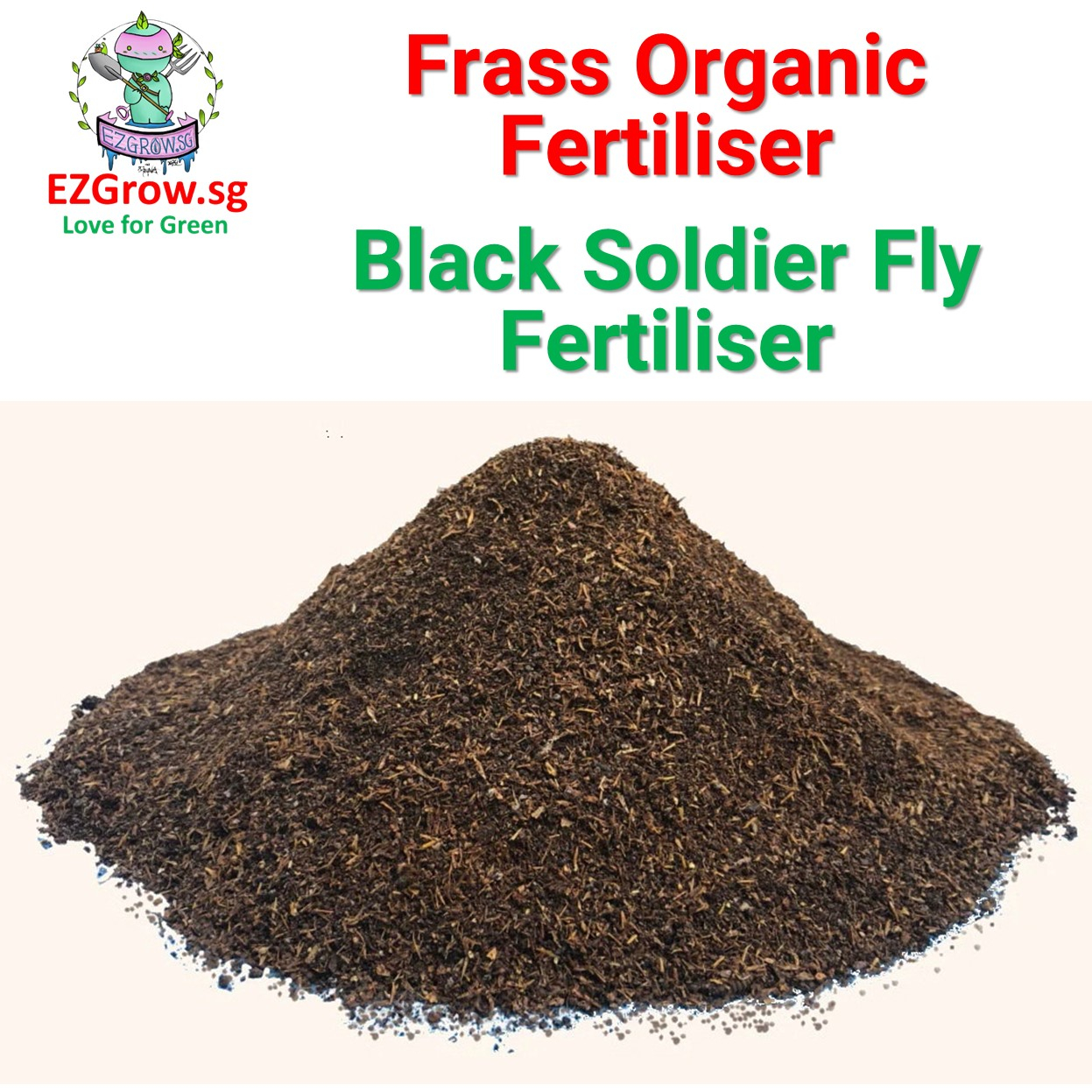
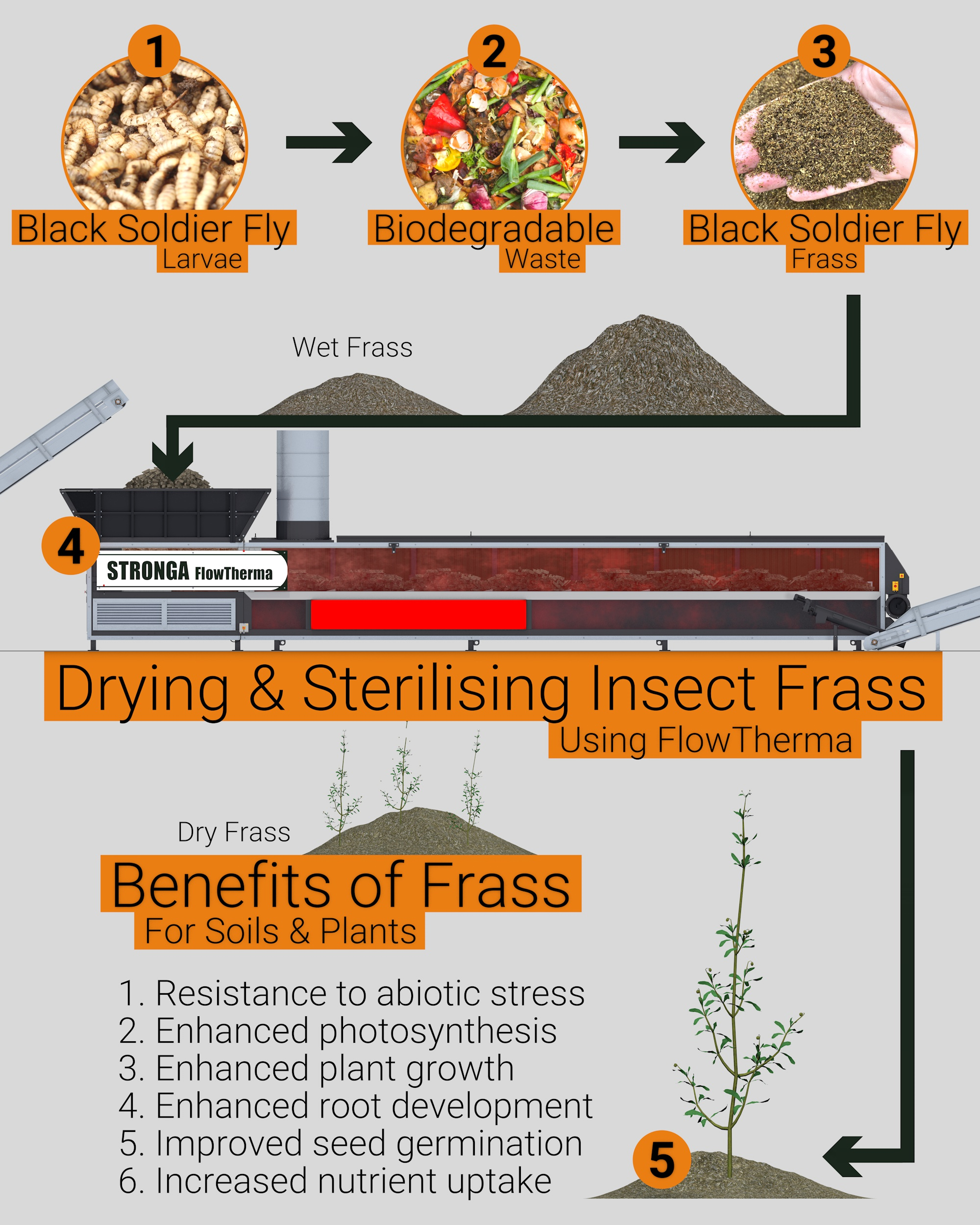
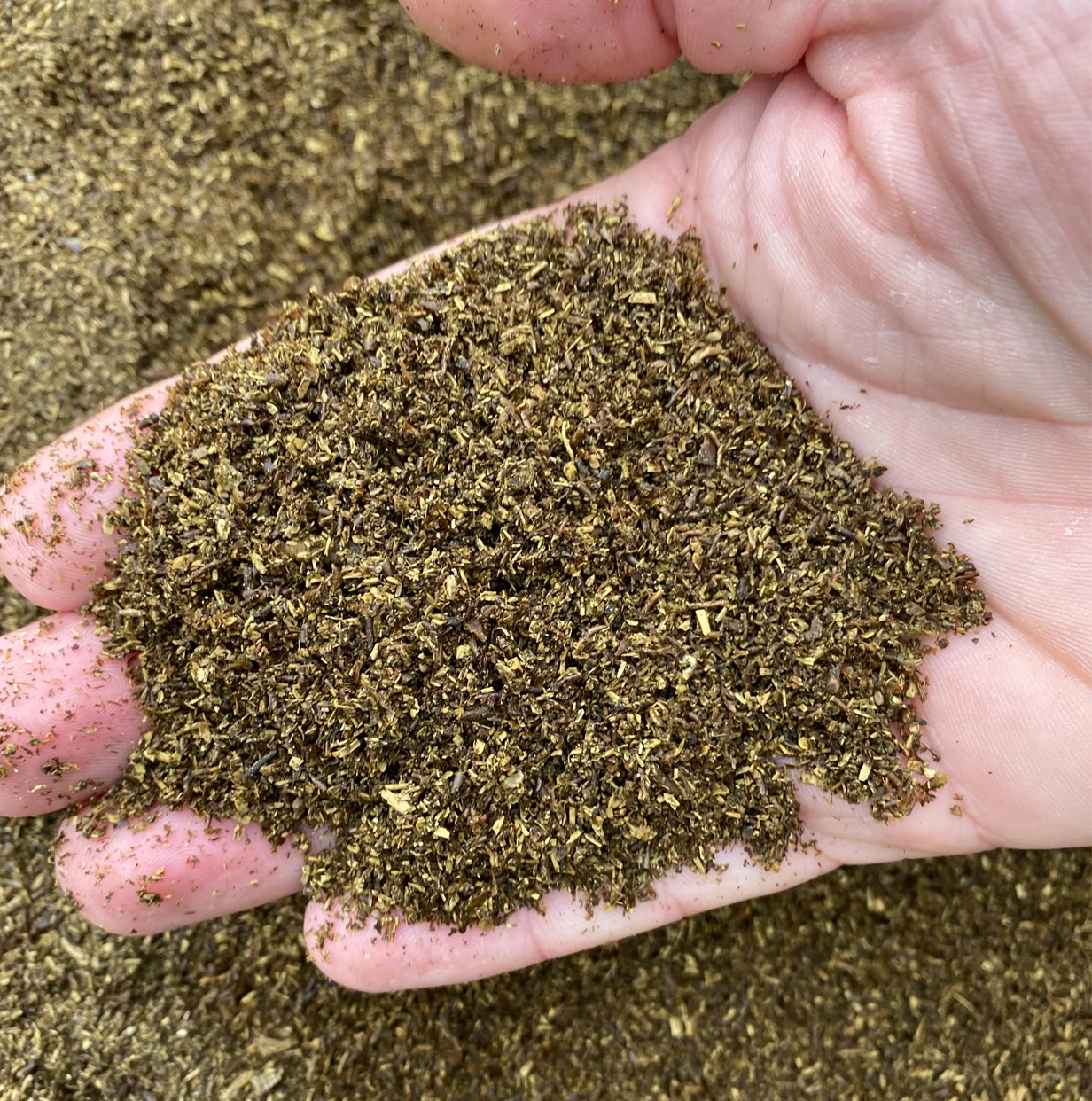
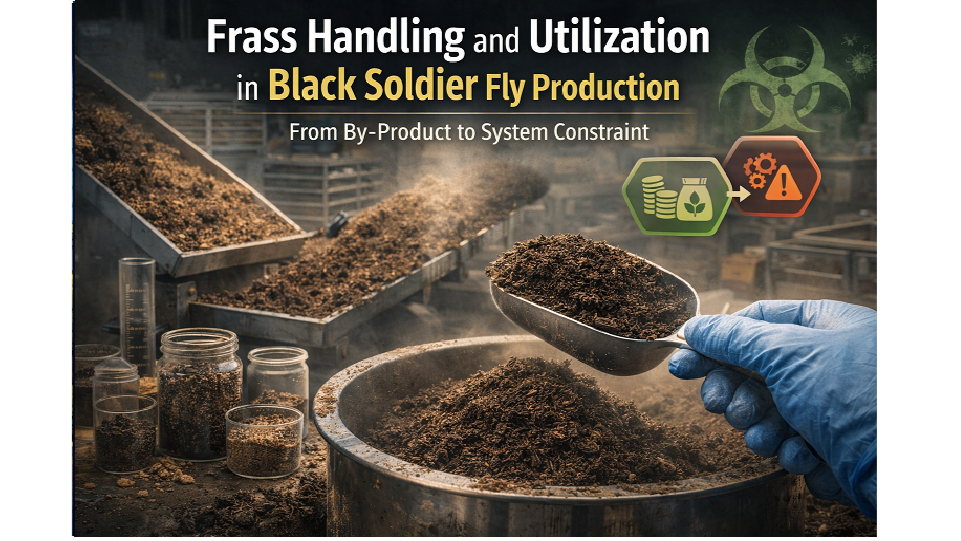
The leftover material in the bin is called "frass." It’s a mix of larval excrement and partially decomposed food. This stuff is garden gold. It’s rich in nitrogen, phosphorus, and potassium, plus beneficial microbes that help plants resist disease. You can use it directly in your garden beds, mix it into potting soil, or brew it into a "compost tea" for foliar feeding. Unlike raw manure, BSFL frass is generally stable and won’t burn your plants, making it safe to use right away.
And what about the larvae? You have options. If you have chickens, ducks, or fish, you’ve just produced a high-protein, sustainable feed source. Chickens go crazy for them. It’s a complete circle: your kitchen waste feeds the larvae, the larvae feed your chickens, and the chickens give you eggs. If you don’t have animals, you can let them pupate and emerge as flies to restart the cycle, or you can humanely dispose of them. Some people even freeze them for later use as fishing bait or reptile food. Nothing goes to waste.
Like any living system, BSFL composting requires a bit of attention. The most common issue is odor. A healthy bin should smell earthy, like forest floor or mild fermentation. If it smells like rotten eggs or sewage, it’s likely too wet or anaerobic. The fix? Add more dry carbon material like shredded cardboard, coconut coir, or sawdust. Improve ventilation. Make sure your drainage holes aren’t clogged. You might also be overfeeding. Pull back on the food until the larvae catch up.
Pests can be a concern, though less so than with traditional compost. Houseflies might try to lay eggs in your bin if it’s not managed well. To prevent this, ensure your bin has a tight-fitting lid with fine mesh for ventilation. Black soldier flies are dominant; their larvae actually secrete a chemical that repels houseflies, so a healthy BSFL colony will naturally keep other flies away. But if the bin is neglected, other pests might move in. Regular harvesting and proper maintenance are your best defenses.
Temperature fluctuations can also slow things down. If it’s too cold, the larvae become sluggish. If it’s too hot, they might try to escape or die. Monitor your bin’s temperature, especially in extreme weather. In winter, you might need to insulate the bin or bring it indoors. In summer, keep it shaded and ensure good airflow. It’s a learning curve, but once you get the rhythm, it becomes second nature. You’ll learn to read the bin—looking at the size of the larvae, the moisture level, and the smell—to know exactly what it needs.
Composting with black soldier flies isn’t just about waste reduction; it’s about rethinking our relationship with what we throw away. It challenges the idea that meat and dairy are "uncompostable." It shows us that nature has solutions for almost every problem, if we’re willing to look closely. By inviting these little workers into our homes, we’re not just managing trash. We’re creating resources. We’re building soil. We’re feeding animals. And we’re keeping harmful gases out of the atmosphere.
It’s a small step, but it’s a powerful one. You don’t need a farm to do this. You don’t need a degree in entomology. You just need a bin, some food scraps, and a willingness to try something new. The larvae will do the rest. They’re efficient, resilient, and surprisingly clean. And in a world where waste seems endless, finding a way to turn it into something valuable feels like a victory.
So, the next time you’re holding that chicken bone or scraping out the yogurt container, pause. Don’t reach for the trash bag. Reach for your BSFL bin. Let those little heroes do their job. You’ll be amazed at how quickly that "waste" disappears, and even more amazed at what it becomes. It’s time to let the flies in. Your garden, and the planet, will thank you.