You know that feeling. You step out onto the patio, towel in hand, ready for a dip. The water looks perfect. But then you feel it. That prickle on the back of your neck. Not just from the heat, but from the gaze of the neighbor’s second-story window. Or maybe it’s just the relentless midday sun beating down on your shoulders, turning a relaxing afternoon into an endurance test. We’ve all been there. You want to swim. You want to lounge. But you don’t want to feel like you’re on display, and you definitely don’t want to get sunburned before lunch.
For years, the solution seemed binary. You either built a solid wall and sat in the dark, or you stayed out in the open and baked. It was a tough choice. But things have changed. In 2026, we have better materials, smarter designs, and a deeper understanding of how light and space work together. You don’t have to sacrifice one for the other anymore. You can have both. Privacy and shade are no longer about blocking everything out. They’re about curating what comes in. It’s about creating a sanctuary that feels open yet secure, bright yet cool.
Let’s talk about how to get there. Because your pool area should be your favorite room in the house, even if it doesn’t have walls. It should be a place where you can breathe easy, stretch out, and forget about the world outside the fence line. Whether you have a tiny urban courtyard or a sprawling suburban backyard, the principles are the same. It’s not about hiding. It’s about framing. And with the right approach, you can transform your poolside into a retreat that feels entirely yours, without losing the sunshine that makes swimming so wonderful in the first place.
The Magic of Floating Fabric: Shade Sails and Canopies
Shade sails have come a long way from their industrial roots. Today, they are the go-to solution for homeowners who want protection without the heaviness of a solid roof. Think of them as clouds you can control. Made from high-density polyethylene (HDPE) or specialized acrylic fabrics, these sails block up to 95% of harmful UV rays while still allowing air to flow through. This is key. A solid roof traps heat. A shade sail lets the breeze pass, keeping the area underneath significantly cooler than the surrounding sun-baked pavement.
The beauty of sails lies in their versatility. You aren’t stuck with a boring square. You can mix triangles, rectangles, and even custom shapes to create a dynamic visual layer above your pool. In 2026, the trend is towards layered installations. Instead of one big sheet, imagine three overlapping triangles in varying heights. This creates depth and interest. It also allows you to target specific zones. Maybe you want full coverage over the loungers but only partial shade over the water itself, so swimmers can still catch some rays. The fabric choices have expanded too. You can get neutral tones that blend with the sky, or bold colors that act as a design statement against the blue of the water.
Installation does require some planning. You need strong anchor points, whether that’s existing structures like your house or garage, or new posts set in concrete. But the payoff is huge. Unlike a permanent structure, sails feel light and airy. They don’t block your view of the trees or the sunset. They just soften the light. And if you live in an area with seasonal weather changes, many modern systems are designed to be taken down easily during storm season or winter months. It’s a flexible solution that adapts to your life, not the other way around. Plus, they add a modern, architectural element that makes your backyard look like a high-end resort.
Pergolas and Louvered Roofs: Structure Meets Flexibility
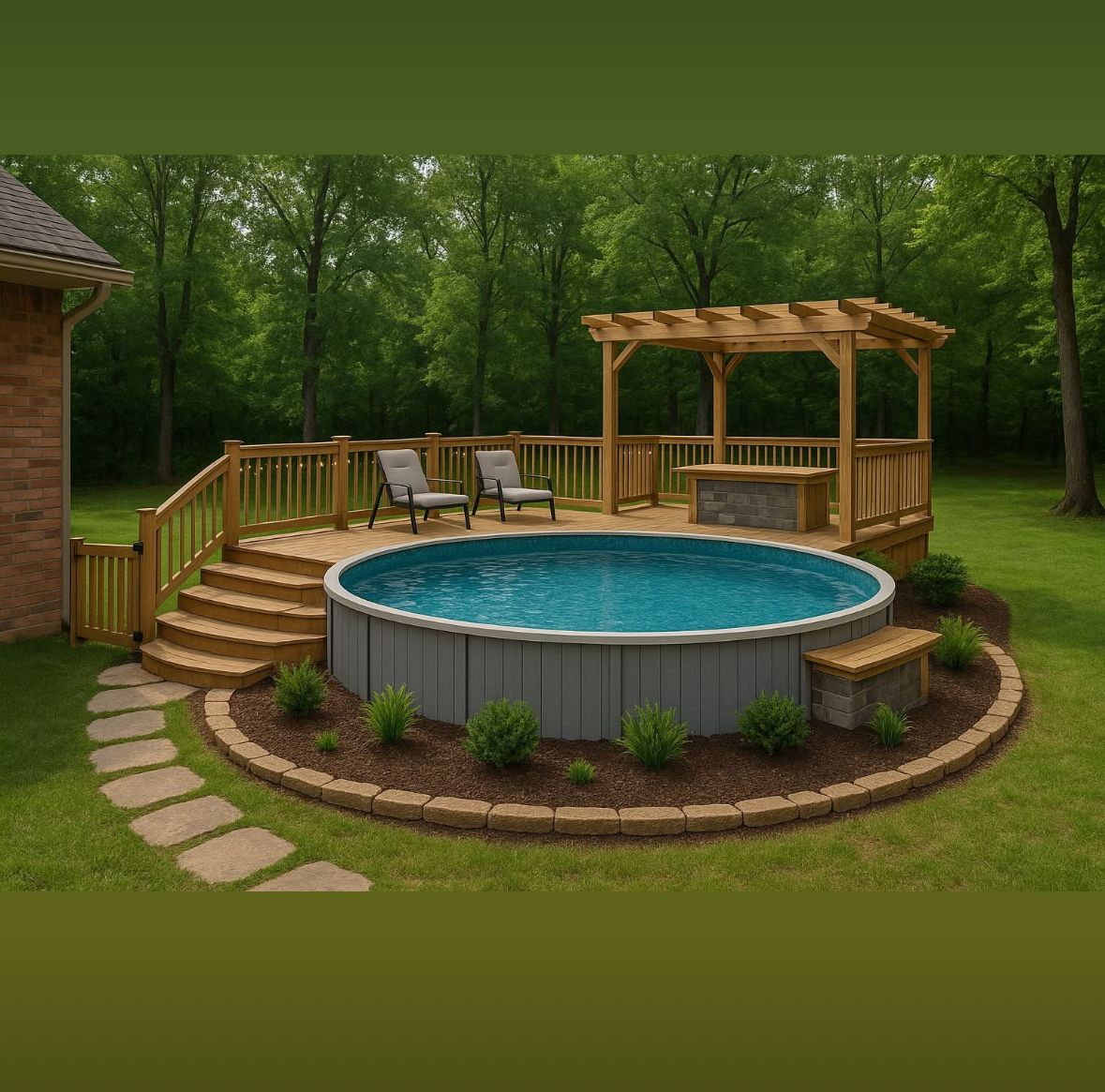
If you prefer something more substantial than fabric, pergolas are a classic choice. But forget the old-fashioned wooden beams that did little to stop the sun. Modern pergolas are engineered for performance. The game-changer here is the louvered roof system. These are adjustable slats that you can open, close, or tilt with the push of a button. Want full sun in the morning? Open them up. Need shade for your afternoon nap? Tilt them to block the direct rays while still letting in ambient light. It’s the best of both worlds, giving you total control over your environment throughout the day.
Materials matter here. While wood has its charm, aluminum and composite materials are dominating the market in 2026. They don’t warp, rot, or require annual staining. They are sleek, durable, and often come with integrated features like LED lighting or heating elements for those cooler evenings. A louvered pergola can define your pool deck as a distinct "outdoor room." It provides a sense of enclosure and privacy from above, which is surprisingly effective at making a space feel secluded. When you’re under a pergola, you feel protected, even if the sides are open.
To enhance privacy without blocking views, pair your pergola with climbing plants. Jasmine, wisteria, or bougainvillea can grow up the posts and across the beams. This adds a layer of greenery that softens the structure and creates a natural screen. The leaves filter the sunlight, creating dappled patterns on the ground that are incredibly calming. It’s a living roof that breathes. And because the structure is open on the sides, your sightlines remain clear. You can see out to your garden, but the combination of the overhead structure and the vertical greenery creates a psychological barrier that keeps prying eyes at bay. It’s subtle, elegant, and highly functional.
Strategic Greenery: Living Walls and Layered Planting
Plants are the original privacy screen, but most people use them wrong. They plant a row of tall, dense hedges right along the property line. This creates a "bowling alley" effect, where you’re enclosed but the view is completely blocked. It can feel claustrophobic. The secret to successful poolside landscaping is layering. Think in terms of foreground, mid-ground, and background. Use tall, slender trees or ornamental grasses in the background to block the view of neighbors’ windows or unsightly structures. These act as your primary privacy barrier.
In the mid-ground, use medium-height shrubs or small trees with open canopies. Species like Japanese maples, crape myrtles, or olive trees are perfect. They provide dappled shade and visual interest without creating a solid wall. Their branches allow light to filter through, and you can see through the trunks and lower branches, maintaining a sense of openness. This is crucial for keeping the space feeling large and airy. You want to feel connected to your yard, not cut off from it.
For the foreground, near the pool edge, stick to low-growing plants. Ground covers, succulents, or small flowering perennials. These won’t obstruct your view of the water or the rest of the yard. They also reduce glare from the pool deck by breaking up large expanses of concrete or stone. Another innovative approach gaining traction in 2026 is the use of "living walls" or vertical gardens on specific sections of your fence or wall. These can be placed strategically to block a specific line of sight, like a neighbor’s balcony, without covering the entire perimeter. They add texture, color, and even a cooling effect through evapotranspiration. Just ensure you choose plants that are pool-friendly, meaning they don’t drop excessive leaves or debris into the water.
The Power of Perspective: Screens and Semi-Transparent Barriers
Sometimes, plants take too long to grow, or your space is too small for extensive landscaping. That’s where architectural screens come in. We’re not talking about cheap plastic fencing. Modern privacy screens are made from laser-cut metal, weather-resistant wood slats, or composite materials. The key is the pattern. By using designs with gaps, perforations, or horizontal slats, you can obscure the view while still allowing light and air to pass through. It’s a visual trick. From a distance, the screen looks solid enough to provide privacy. But up close, or from inside the pool area, you can still see shapes and light through it.
Horizontal slat fencing is particularly effective. When installed correctly, it blocks the line of sight from standing positions (like a neighbor looking over the fence) but allows you to see out when you’re sitting or lying down. This preserves your connection to the outdoors while keeping your private moments private. Metal screens with intricate patterns can cast beautiful shadows on the ground, adding an artistic element to your pool deck. In 2026, many of these screens are powder-coated in matte finishes that resist fading and corrosion, making them a low-maintenance option.
Another option is outdoor-rated curtains or roller shades. These can be installed on pergolas, patios, or even between posts. They offer on-demand privacy. Need to block the view for a changing session? Pull the curtain. Want to enjoy the evening breeze and the view? Tie it back. Motorized systems make this effortless. You can control them with a remote or even a smartphone app. This flexibility is invaluable. It allows you to adapt your space to different activities and times of day. Plus, fabric screens come in various textures and colors, allowing you to match your outdoor decor. They soften the hard lines of your pool area and add a touch of luxury and comfort.
Umbrellas and Portable Solutions: Flexibility on Demand
Not everyone wants to install permanent structures. Maybe you’re renting, or maybe you just like the ability to change things up. That’s where portable shade solutions shine. Large cantilever umbrellas are a staple for a reason. They provide focused shade exactly where you need it, and because the pole is off to the side, they don’t obstruct movement or views. In 2026, umbrella technology has improved significantly. Look for models with UV-resistant fabrics, wind vents to prevent tipping, and easy-crank or motorized lifting mechanisms.
The trick with umbrellas is placement. Don’t just plop one in the corner. Think about the path of the sun. You might need two or three smaller umbrellas rather than one giant one. This allows you to create multiple shaded zones. One for the lounge chairs, one for the dining table, and maybe one near the pool entry. As the sun moves across the sky, you can adjust the angle of the umbrellas or move them slightly to maintain coverage. This active engagement with your space can be quite satisfying. It makes you more aware of the environment and how you interact with it.
For a more whimsical or temporary fix, consider shade sails that attach to existing trees or sturdy posts with tension cables. These are less formal than permanent installations but can be very effective. There are also pop-up cabanas or tent-like structures that can be set up for parties or special occasions. These provide a sense of enclosure and privacy for a short time. While they aren’t everyday solutions, they add to your toolkit of options. The goal is to have layers of shade. Permanent structures for consistent coverage, and portable options for flexibility. This mix ensures you’re never caught off guard by the sun or a sudden need for privacy.
Privacy isn’t just a daytime concern. Once the sun goes down, lighting plays a crucial role in maintaining your sense of seclusion. Poor lighting can make your pool area feel exposed, especially if your neighbors have bright security lights or if streetlights spill into your yard. The right lighting design can create a bubble of intimacy. Start by avoiding floodlights that blast light everywhere. Instead, use layered lighting. Path lights to guide movement, uplighting to highlight trees or architectural features, and soft ambient lighting around the seating areas.
LED strip lights installed under the coping of the pool or along the edges of steps provide a gentle glow that illuminates the water without creating glare. String lights draped overhead add a festive, cozy atmosphere and draw the eye upward, away from the boundaries of your yard. In 2026, smart lighting systems allow you to control the intensity and color of your lights. You can dim them down for a romantic evening or brighten them for a party. This control helps you set the mood and manage visibility.
Consider also the use of water features. The sound of falling water from a fountain or waterfall can mask noise from neighbors or the street. This auditory privacy is just as important as visual privacy. It creates a sensory barrier that makes your space feel more secluded and tranquil. When you combine soft, strategic lighting with the soothing sound of water, you create an immersive experience. Your backyard becomes a retreat that feels disconnected from the outside world, even if you’re in a densely populated area. It’s about engaging all the senses to create a feeling of escape.
Creating a private, shaded pool area is less about building walls and more about crafting experiences. It’s about understanding how light moves, how views work, and how you want to feel in your space. By mixing permanent structures like pergolas and screens with flexible options like sails and umbrellas, and enhancing everything with strategic planting and lighting, you can build a sanctuary that serves you year-round. It takes a bit of thought, sure. But the result is a backyard that doesn’t just look good. It feels good. And in the end, isn’t that what we’re all swimming for?