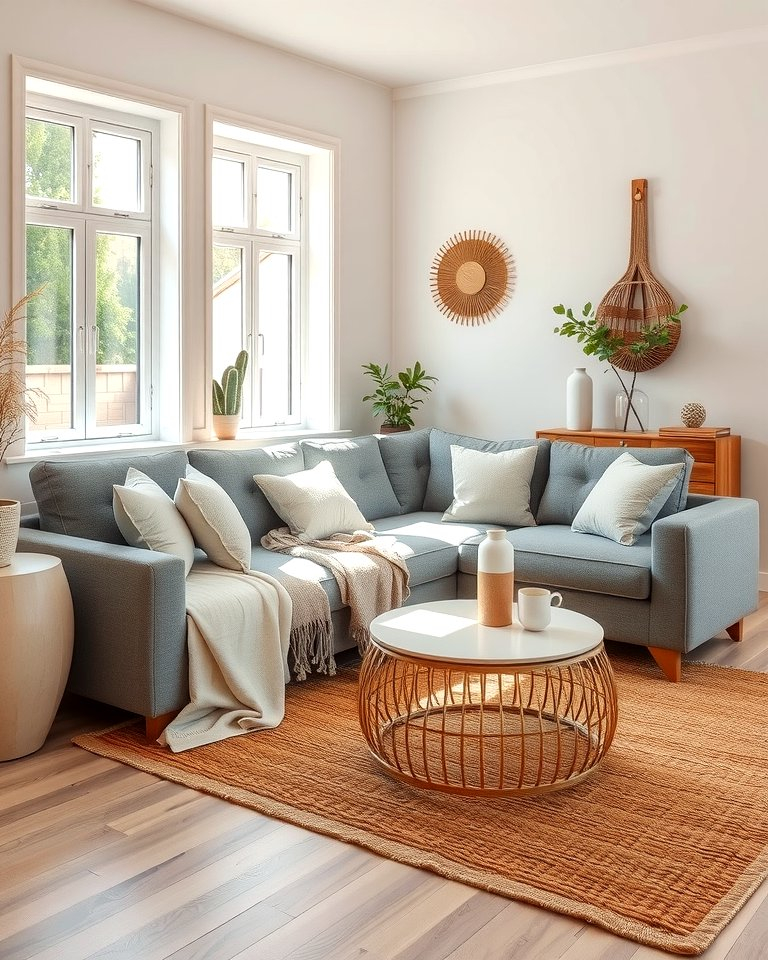
Let’s be honest for a second. We’ve all been there. You walk into a potential new home, or maybe you’re just staring at the blank wall in your current apartment, and you feel it. That little pang of disappointment. Where’s the hearth? Where’s the cozy spot to curl up with a book while the rain lashes against the window? For decades, the fireplace has been the undisputed king of the living room. It’s the anchor. The soul. But here’s the thing about 2026 design trends: we are finally moving past the idea that you need actual flames to have a warm, inviting space.
If your home lacks a chimney, don’t panic. In fact, celebrate it. You have a blank canvas that doesn’t come with the maintenance headaches of soot cleaning or gas line installations. The modern approach to interior design is less about adhering to traditional structures and more about curating an experience. It’s about asking yourself, "What makes me feel safe? What draws my eye?" Whether you are renting a sleek city flat or owning a suburban box that forgot to include a flue, you can absolutely create a focal point that stops people in their tracks. It just takes a shift in perspective.
The secret isn’t trying to fake a fireplace with a electric insert that looks kinda cheap. Nope. The secret is intentionality. It’s about choosing one element—just one—and letting it sing. This article isn’t about hiding the lack of a fire; it’s about highlighting what you do have. From textured walls that beg to be touched to lighting setups that mimic the glow of embers, we are going to explore how to build a room that feels complete, grounded, and undeniably stylish. So, grab a coffee (or tea, no judgment here) and let’s rethink the heart of your home.
The Power of Texture and Architectural Detail
When you remove the physical bulk of a fireplace, you lose a certain weight in the room. A mantle is heavy. It commands attention. To replace that gravity, you need texture. In 2026, we are seeing a massive surge in the use of tactile wall treatments that serve as art in themselves. Think beyond simple paint. We are talking about limewash finishes that create a cloudy, organic depth. Or perhaps vertical wood slats that draw the eye upward, making the ceiling feel higher and the space more grand.
Consider exposed brick, but with a twist. Instead of the rugged, industrial look of the 2010s, try whitewashed or painted brick in a soft, earthy tone like terracotta or sage. This adds history and character without the darkness. If renovation isn’t an option, high-quality wood paneling or wainscoting can do the trick. It creates a backdrop that feels established and permanent. The key here is contrast. If your walls are smooth, add roughness. If your floors are hard wood, add softness elsewhere. The goal is to create a surface that invites touch, mimicking the comforting presence of a stone hearth.
Another angle is custom joinery. This doesn’t have to mean breaking the bank on bespoke carpentry. Even simple, floor-to-ceiling shelving units can act as a structural anchor. Fill them with a mix of books, ceramics, and negative space. The asymmetry of styled shelves creates a dynamic visual rhythm that keeps the eye moving, much like flickering flames do. It’s about building a "false" architecture that gives the room bones. Without a fireplace, your walls might feel too flat. Texture gives them muscle.
Art as the New Hearth
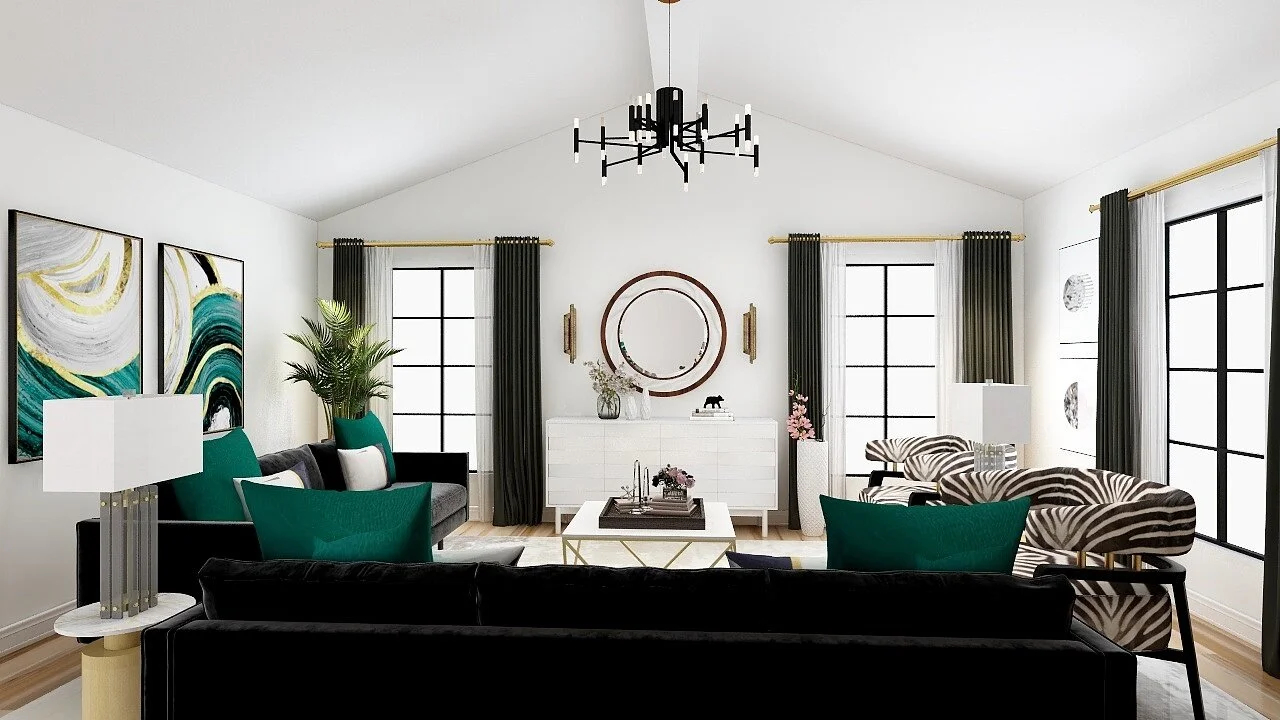
Let’s talk about art. Not just a small print hung at eye level, but art as an event. In the absence of a fireplace, a large-scale piece of artwork can take center stage. We aren’t talking about a modest 8×10 frame. We are talking about a canvas that spans four feet wide or more. Or better yet, a gallery wall that covers an entire section of the main wall. This approach turns the wall into a destination. It demands attention. It says, "Look here first."
The trend in 2026 is leaning towards maximalism in specific zones. Instead of spreading decor thinly across every surface, concentrate it. A massive abstract painting in bold hues can inject energy and warmth into a neutral room. The colors in the art can dictate the palette for the rest of the space, tying everything together. If you are on a budget, consider creating your own large-scale piece using removable wallpaper samples or fabric stretched over a wooden frame. It’s DIY, but it looks high-end if executed with confidence.
Don’t forget the power of mirrors, either. A large, ornate mirror can reflect light and make the space feel larger, but it also acts as a focal point. Choose a frame with interesting details—gold leaf, dark wood, or even a modern metal finish. Position it where it catches the best natural light or reflects a beautiful view from a window. It creates a sense of depth and mystery, adding a layer of sophistication that a simple blank wall lacks. Art is personal. It tells your story. And honestly, isn’t that warmer than a generic gas log set?
Lighting Layers That Mimic Warmth
Fireplaces provide two things: visual focus and ambient glow. You can replicate the glow with smart lighting design. Overhead lighting is the enemy of coziness. It’s flat, harsh, and uninviting. To create a fireplace-like atmosphere, you need layers. Start with floor lamps that have fabric shades to diffuse the light softly. Place them in corners to eliminate shadows and create a pool of warmth.
In 2026, LED technology has advanced to the point where you can get incredibly realistic flame effects without the tackiness of old-school electric fires. Consider a standalone bio-ethanol burner if you want real flame, but if that’s not feasible, look at sculptural light fixtures. A cluster of pendant lights hanging at varying heights can create a chandelier effect that draws the eye up and centers the room. Choose bulbs with a low Kelvin rating (2700K or lower) to ensure the light is amber and soft, not blue and clinical.
Table lamps are your best friends here. Group them. Don’t just put one on each end table. Try putting two on one side and none on the other to create an intentional imbalance that feels curated. Use lamps with interesting bases—ceramic, glass, or woven materials. The light filtering through these textures creates patterns on the walls, adding movement and life to the static space. It’s subtle, but it works. The human eye is drawn to light sources. By controlling where the light falls, you control where the eye goes. Make sure that "where" is your chosen focal area.
The Anchor of Statement Furniture
Sometimes, the best focal point isn’t on the wall at all. It’s in the middle of the room. A statement piece of furniture can ground a space just as effectively as a hearth. Think of a oversized velvet sofa in a deep jewel tone, or a pair of sculptural armchairs that look like modern art. When you arrange your seating around this central piece, it becomes the natural gathering spot. The conversation flows toward it.
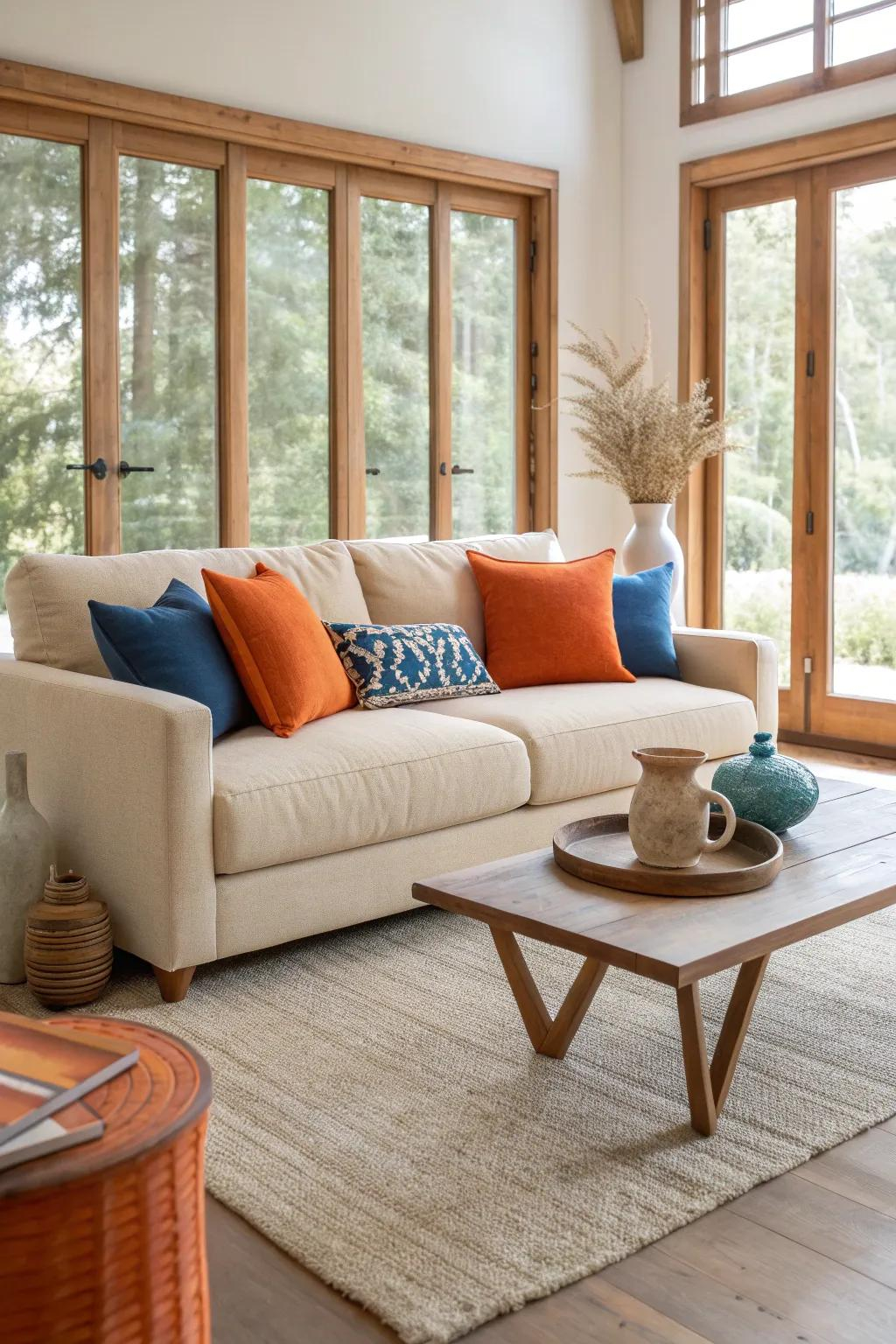
In smaller spaces, a unique coffee table can serve this purpose. Look for something with organic shapes—kidney bean tables, irregular stone slabs, or live-edge wood. These forms break up the rectilinear lines of most rooms and add a sense of flow. Place a large, textured rug underneath to define the zone. The rug acts as the "hearth rug," visually containing the seating area and making it feel intimate and separate from the rest of the house.
Don’t underestimate the power of a console table behind a sofa. If your sofa floats in the middle of the room, the back of it can look unfinished. A long, sleek console with decorative objects creates a secondary focal point that adds depth. Style it with stacks of books, a trailing plant, and a small lamp. This layered approach ensures that no matter where you stand in the room, there is something interesting to look at. It’s about creating vignettes. Each corner, each cluster, tells a part of the story.
Bringing the Outdoors In
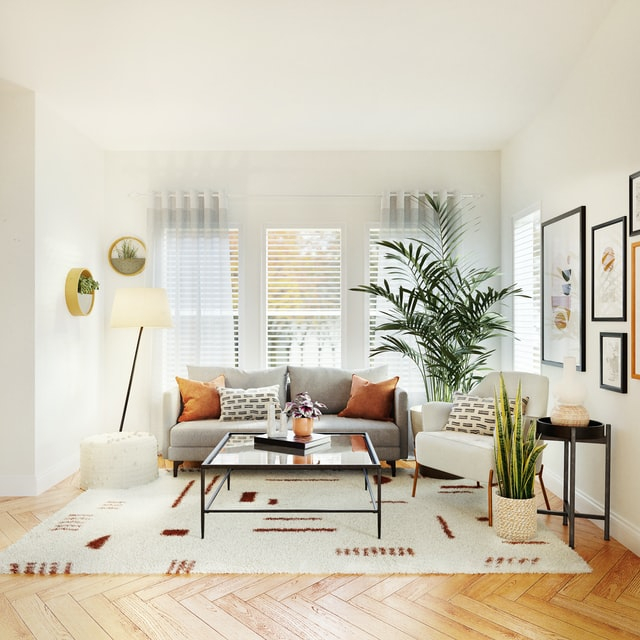
Nature is the ultimate comforter. If you can’t have fire, bring in the elements that complement it: wood, stone, and plants. Biophilic design continues to dominate in 2026 because it works. Humans are wired to find calm in natural settings. A large indoor tree, like a Fiddle Leaf Fig or an Olive Tree, can become a living sculpture. Place it in a beautiful, heavy pot in the corner where a fireplace might traditionally sit. Its branches reach out, filling the vertical space and adding life.
Use materials that evoke the outdoors. Stone coasters, wooden bowls, linen cushions. These textures remind us of the earth and create a sensory experience that is grounding. If you have access to a window with a view, frame it. Keep the window treatments minimal to let the outside world become your artwork. If the view isn’t great, create one. A window box filled with herbs or flowers can add a splash of color and scent that lifts the mood of the entire room.
Water features are another underrated option. A small, tabletop fountain can provide the soothing sound of flowing water, which masks city noise and promotes relaxation. The movement of the water catches the light, adding a dynamic element similar to fire. It’s subtle, but it engages multiple senses. Sight, sound, touch. When you engage more senses, the room feels richer and more complete. It’s not just about how it looks; it’s about how it feels to be there.
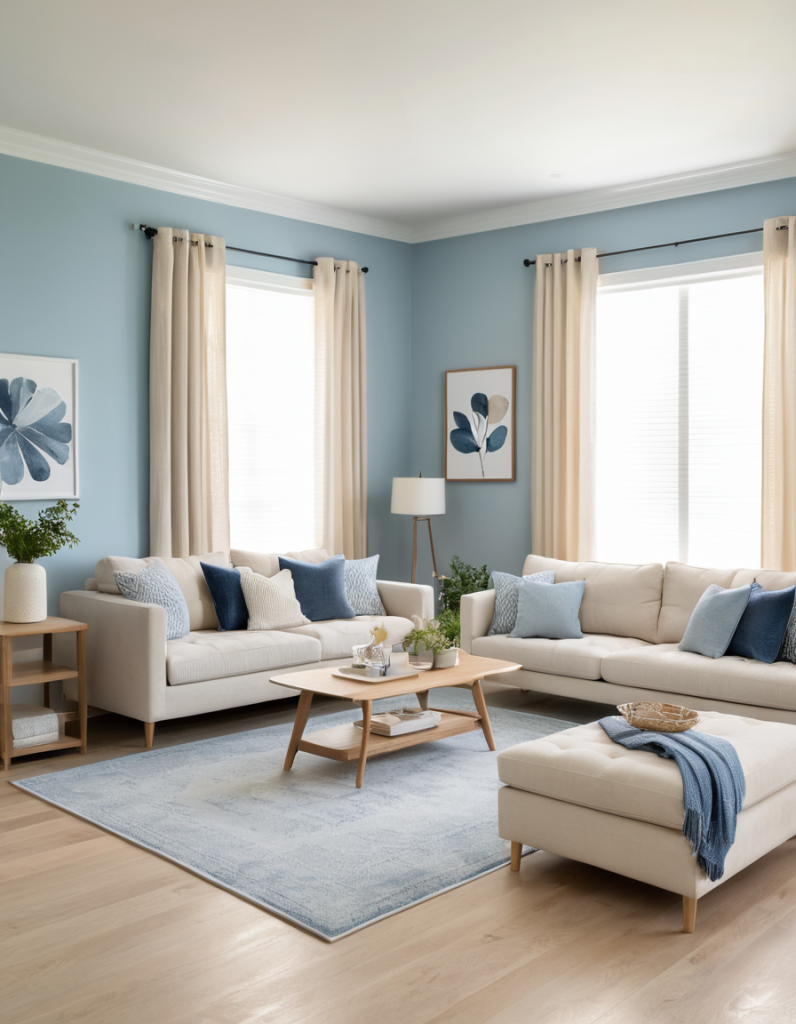
Finally, never underestimate the power of a bold color choice. A single accent wall in a deep, moody hue can create instant drama and focus. Colors like navy, charcoal, or forest green absorb light and make the walls feel closer, creating a cocooning effect. This is particularly effective in larger rooms that might feel cavernous without a fireplace to break up the space.
Pattern can also do the heavy lifting. A large-scale wallpaper with a intricate design can serve as the room’s jewelry. It doesn’t need to be loud; it just needs to be present. Floral prints, geometric shapes, or textured grasscloths all add visual interest that prevents the eye from wandering aimlessly. Pair this with solid-colored furniture to let the pattern shine. The contrast between the busy wall and the calm furniture creates a balanced composition.
Remember, cohesion is key. Your focal point should tie into the rest of the room. If you choose a bold red rug, pick up hints of that red in your throw pillows or artwork. This creates a visual thread that leads the eye around the space, ensuring that the focal point doesn’t feel isolated or random. It feels planned. Intentional. And that intentionality is what makes a house feel like a home. It’s the difference between a showroom and a sanctuary.
So, there you have it. You don’t need a chimney to have a heart in your home. You just need creativity, a bit of courage, and an willingness to break the rules. Whether you choose texture, art, light, furniture, nature, or color, the goal is the same: to create a space that welcomes you in and refuses to let go. In 2026, the best living rooms aren’t defined by what they have, but by how they make you feel. And frankly, that’s a warmth no fire can match. Go forth and design. Your perfect focal point is waiting.