
You pack up the last box. You sweep the floor one final time, maybe even wipe down the baseboards because you heard that helps. You hand over the keys with a mix of relief and anxiety. That security deposit? It’s not just money. It’s your next month’s rent elsewhere. It’s the buffer between you and financial stress. But then, silence. Or worse, a letter arrives two weeks later saying you owe more, or you’re getting back half of what you paid.
It feels personal. It often is. In 2026, the landscape of rental housing is tighter than ever, and landlords are scrutinizing every scratch on the wall and every stain on the carpet. But here’s the thing they don’t always tell you: they can’t just keep your money because they feel like it. There are rules. Strict ones. And those rules change depending on which state line you crossed when you signed that lease. Understanding these laws isn’t about being difficult; it’s about knowing your worth and protecting your wallet.
The Basics of What They Can Actually Keep
Let’s start with the big misconception. Normal wear and tear is not damage. I know, it sounds obvious, but it’s the number one reason deposits vanish into thin air. Wear and tear is what happens when life occurs. It’s the faint scuff marks from shoes in the hallway. It’s the carpet getting slightly matted in high-traffic areas after three years. It’s the paint fading a bit near the window because of the sun. Landlords cannot charge you for this. They expected the apartment to age. That’s part of doing business.
Damage, on the other hand, is negligence or abuse. Did your dog chew through the doorframe? That’s damage. Did you spill red wine on the beige carpet and leave it there for six months? That’s damage. Did you punch a hole in the drywall during an argument? Definitely damage. In 2026, the distinction remains crucial, but the burden of proof is shifting. More states are requiring landlords to provide photographic evidence before and after your tenancy to justify these deductions. If they can’t prove it was you, they usually can’t charge you.
But it’s not just about physical damage. Unpaid rent is the other big bucket. If you broke your lease early and stopped paying, they can deduct those missed payments from your deposit. Same goes for unpaid utilities if your lease said you were responsible for them. However, they can’t charge you for "cleaning fees" unless the place was left significantly dirtier than when you moved in. You don’t have to hire professional cleaners unless your lease specifically says so (and even then, some states like California have pushed back on this). You just have to leave it reasonably clean. Think "broom clean," not "hospital sterile."
The Clock is Ticking: Deadlines Matter
Time is not on the landlord’s side here. Every single state has a deadline by which they must return your deposit or send you an itemized list of deductions. Miss that deadline, and the consequences can be severe for them. In some places, if they’re late, they lose the right to keep any of the deposit at all. In others, they might have to pay you double or triple the amount they withheld as a penalty. This is why knowing your state’s specific timeline is critical.
For example, in states like New York and New Jersey, landlords typically have 14 to 30 days to return the deposit or provide an accounting. In California, it’s 21 days. Texas gives them 30 days. But in 2026, we’re seeing a trend where states are tightening these windows. Washington D.C. and a few progressive states now require landlords to provide preliminary notices within 7 days if they intend to make deductions, giving tenants a chance to dispute them before the final check is cut. This transparency is huge. It stops the "surprise bill" tactic dead in its tracks.
If you haven’t heard anything by day 31 (or whatever your state’s limit is), don’t wait. Send a certified letter. Keep a copy. This creates a paper trail. Many tenants assume the landlord is just slow or forgetful. Sometimes they are. But often, they’re hoping you’ll forget too. Don’t. The clock starts ticking the day you surrender possession of the unit—usually when you hand over the keys. Make sure you get a receipt or some proof of that handover date. It’s your starting gun for the countdown.
The Art of the Itemized Statement
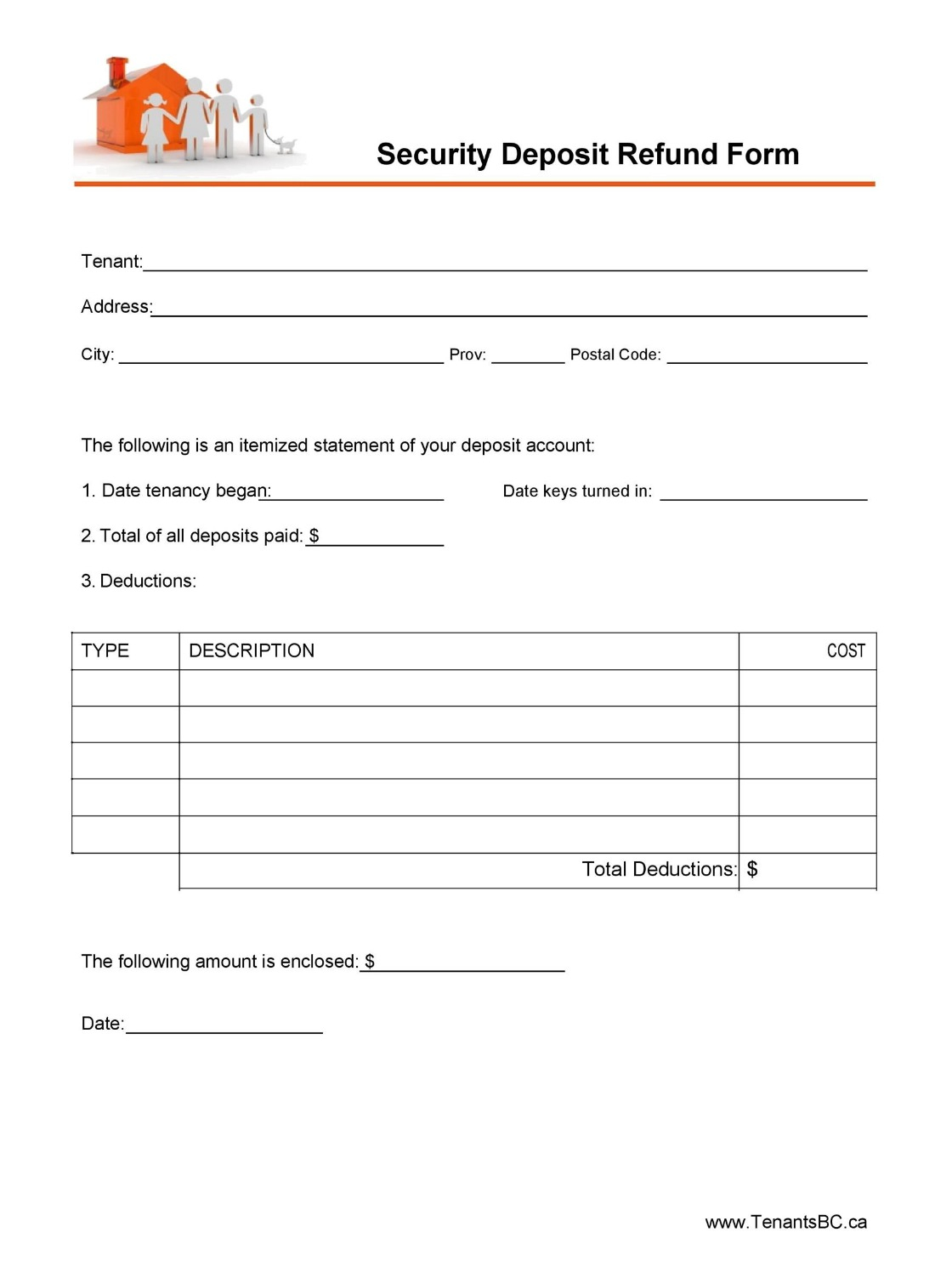
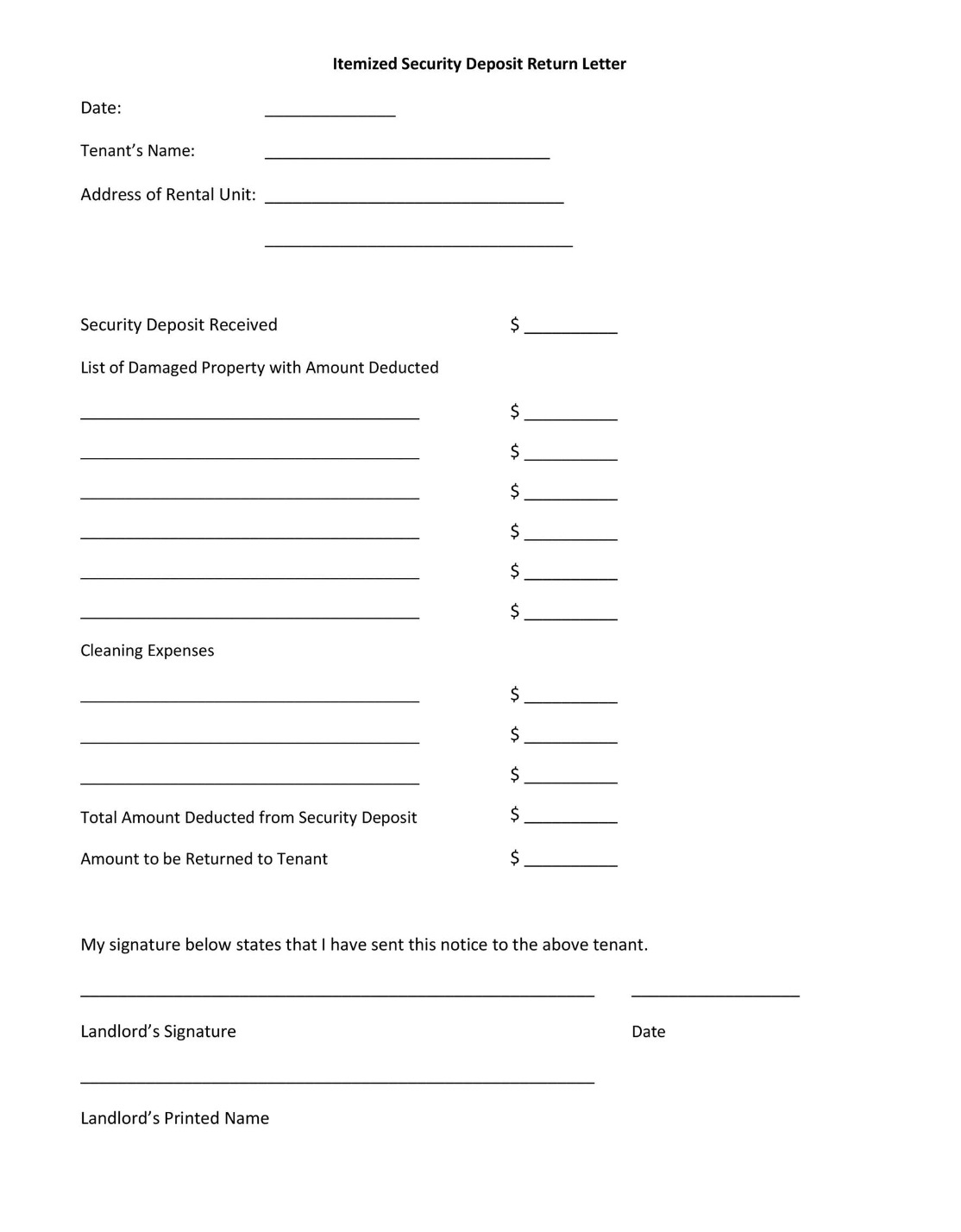
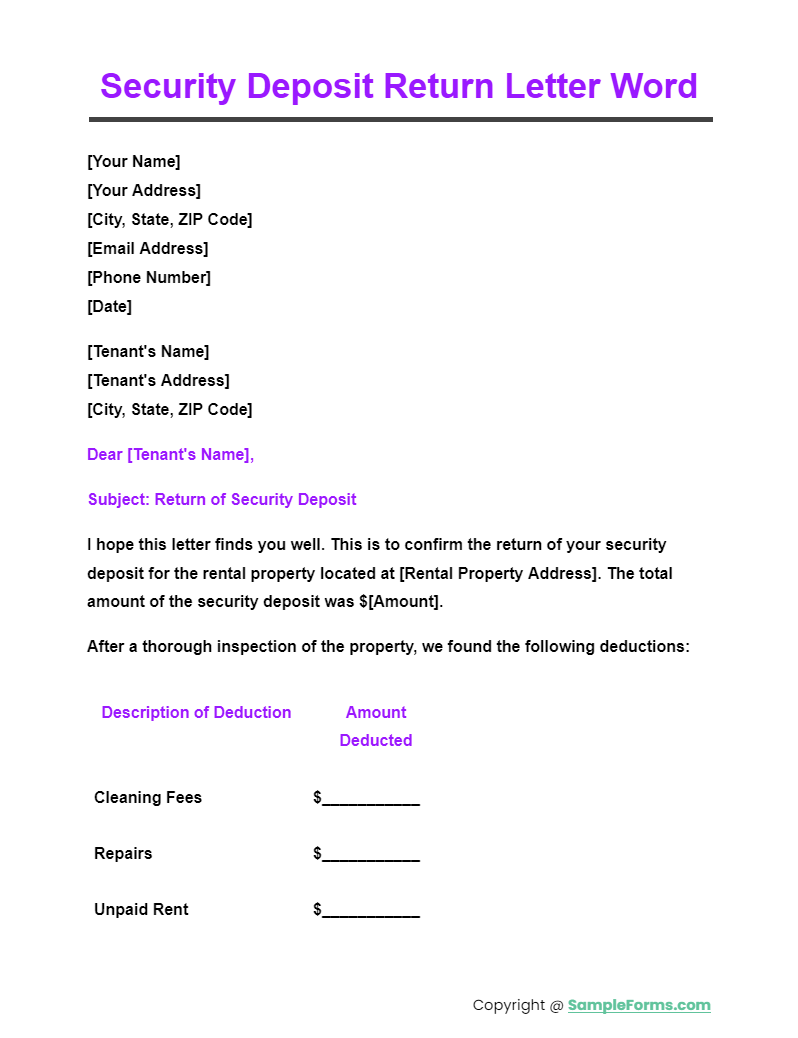
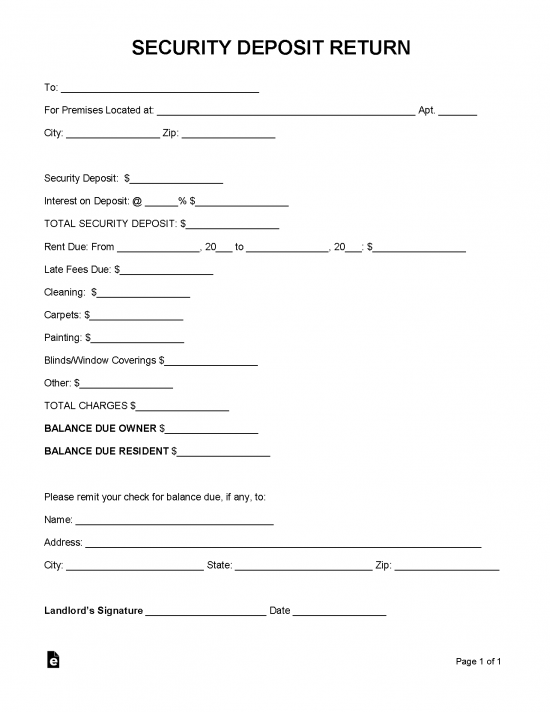
So, they sent you a letter. Great. But is it enough? A vague note saying "Cleaning: $200, Damage: $300" doesn’t cut it in most states. An itemized statement needs detail. It needs to explain exactly what was done, why it was necessary, and how much it cost. In 2026, best practices—and many state laws—require landlords to include receipts or estimates from third-party vendors. If they cleaned the carpets themselves, they can usually only charge for the cost of materials, not their own labor time, unless they run a professional cleaning business.
Look for red flags in these statements. Are they charging you for repainting the entire apartment when only one wall had a small hole? That’s excessive. They should only charge for the portion of the wall affected, or perhaps one full wall if blending is impossible, but not the whole unit. Are they charging for new carpet when the old one was already 15 years old? Carpets have a useful life, usually estimated at 5-10 years. If the carpet was past its prime, you shouldn’t pay for a brand-new replacement. You might owe a prorated amount, but not the full price.
This is where documentation saves you. Remember those photos you took when you moved in? Pull them up. Compare them to the move-out photos the landlord provides. If the "stain" they’re charging for was there in your move-in pics, you’re golden. If the "scratch" on the floor is actually just a shadow or a pre-existing mark, point it out. An itemized deduction is a claim, not a verdict. You have the right to question every line item. Ask for the receipts. Ask for the hourly rates. Make them work for it.
State-by-State Variations You Can’t Ignore
Here is where it gets messy. The United States doesn’t have one federal law for security deposits. It’s a patchwork quilt of 50 different sets of rules plus D.C. What works in Florida might get you sued in Massachusetts. For instance, some states cap how much a landlord can ask for upfront. In many places, it’s one or two months’ rent. But in others, there’s no limit at all. If you’re renting a luxury penthouse in a state with no caps, your deposit could be massive, making the stakes higher when it comes time to get it back.
Interest is another weird variable. In states like Massachusetts, Connecticut, and Rhode Island, landlords must put your deposit in an interest-bearing account and pay you that interest annually or at the end of the tenancy. If they fail to do this, they might forfeit the right to keep any of the deposit for damages. Imagine losing your entire $2,000 deposit because you forgot to put it in the right bank account. It happens. In 2026, with interest rates fluctuating, this has become a bigger point of contention. Tenants are realizing that their money has been earning money, and they want their share.
Then there’s the issue of escrow. Some states require landlords to keep deposits in separate escrow accounts, never mixing them with personal funds. Others don’t care. If your landlord commingles funds in a state that forbids it, that’s a violation. It’s technical, yes, but it’s powerful leverage. Check your state’s specific statute. Websites like TenByApp and LeaseCraft have updated 2026 guides that break this down simply. Don’t guess. Look it up. Knowing that your landlord violated a procedural rule can sometimes force them to settle quickly rather than risk a court battle they’re likely to lose.
When Things Go Wrong: Disputes and Penalties
Let’s say you’ve done everything right. You documented, you cleaned, you waited. And still, they kept your money unfairly. Now what? You have options. The first step is usually a demand letter. This isn’t a friendly email. It’s a formal notice stating that you believe the deductions are invalid, citing specific state laws, and demanding repayment by a certain date. Mentioning small claims court often does the trick. Landlords hate court. It takes time, costs filing fees, and looks bad if they lose.
If they ignore you, small claims court is your next stop. You don’t need a lawyer. In fact, in many small claims courts, lawyers aren’t even allowed. You just present your evidence: the lease, the photos, the move-in/move-out checklist, the correspondence, and the state law printout. Judges see these cases all the time. They tend to favor tenants who are organized and prepared. If the landlord shows up with nothing but a handwritten note and no receipts, you’re likely to win. And remember, in many states, if you win, you can recover court costs and sometimes even attorney’s fees if you had to consult one.
The penalties for landlords who act in "bad faith" can be steep. In California, for example, a landlord who keeps a deposit in bad faith can be liable for up to twice the amount of the deposit as punitive damages. In Massachusetts, it’s triple damages plus attorney’s fees. These laws exist to deter landlords from treating deposits as their own personal piggy bank. In 2026, tenant advocacy groups are becoming more aggressive in helping renters navigate these claims. Don’t be afraid to seek help from local legal aid societies or tenant unions. They often provide free templates and advice.
The best defense is a good offense. This starts the day you move in. Do a walkthrough with the landlord. If they won’t do it, do it yourself. Take videos. Take photos. Date them. Email them to the landlord immediately so there’s a timestamped record. Note every scratch, every stain, every loose handle. Be obsessive. It feels annoying in the moment, but six months or a year later, it will be your lifeline. Use a checklist if your state provides one, or make your own.
During your tenancy, report maintenance issues promptly. If a leak causes mold or damage, make sure it’s documented that it wasn’t your fault. If you cause minor damage, fix it yourself if you can. Spackle a small hole. Touch up paint if you have the original color. It’s cheaper than paying their contractor’s markup. And keep records of these repairs. Receipts for spackle and paint can prove you attempted to restore the unit.
Finally, communicate in writing. Always. If you agree to something over the phone, follow up with an email: "Just confirming our conversation that you agreed X is normal wear and tear." This prevents gaslighting later. In 2026, digital communication is king. Texts and emails are admissible in small claims court. Verbal agreements are he-said-she-said. Protect yourself by creating a paper trail from day one. It’s not about distrust; it’s about clarity. And clarity pays off when it’s time to get your money back.
Getting your security deposit back shouldn’t feel like winning the lottery. It’s your money. The laws in 2026 are designed to protect it, but they only work if you know how to use them. By understanding the difference between wear and tear, watching the calendar, demanding detailed itemization, and knowing your state’s specific quirks, you tilt the odds in your favor. Don’t let intimidation silence you. Be polite, be firm, and be prepared. Your future self—and your bank account—will thank you.
![50 Effective Security Deposit Return Letters [Ms Word] ᐅ Templatelab with regard to Security Deposit Return Itemized](https://cdn.royslade.com/2026/05/50-effective-security-deposit-return-letters-ms-word-e19085-templatelab-with-regard-to-security-deposit-return-itemized.jpg)

![50 Effective Security Deposit Return Letters [Ms Word] ᐅ Templatelab with regard to Security Deposit Return Itemized](https://cdn.royslade.com/2026/05/50-effective-security-deposit-return-letters-ms-word-e19085-templatelab-with-regard-to-security-deposit-return-itemized.jpg?width=992&f=jpg)


