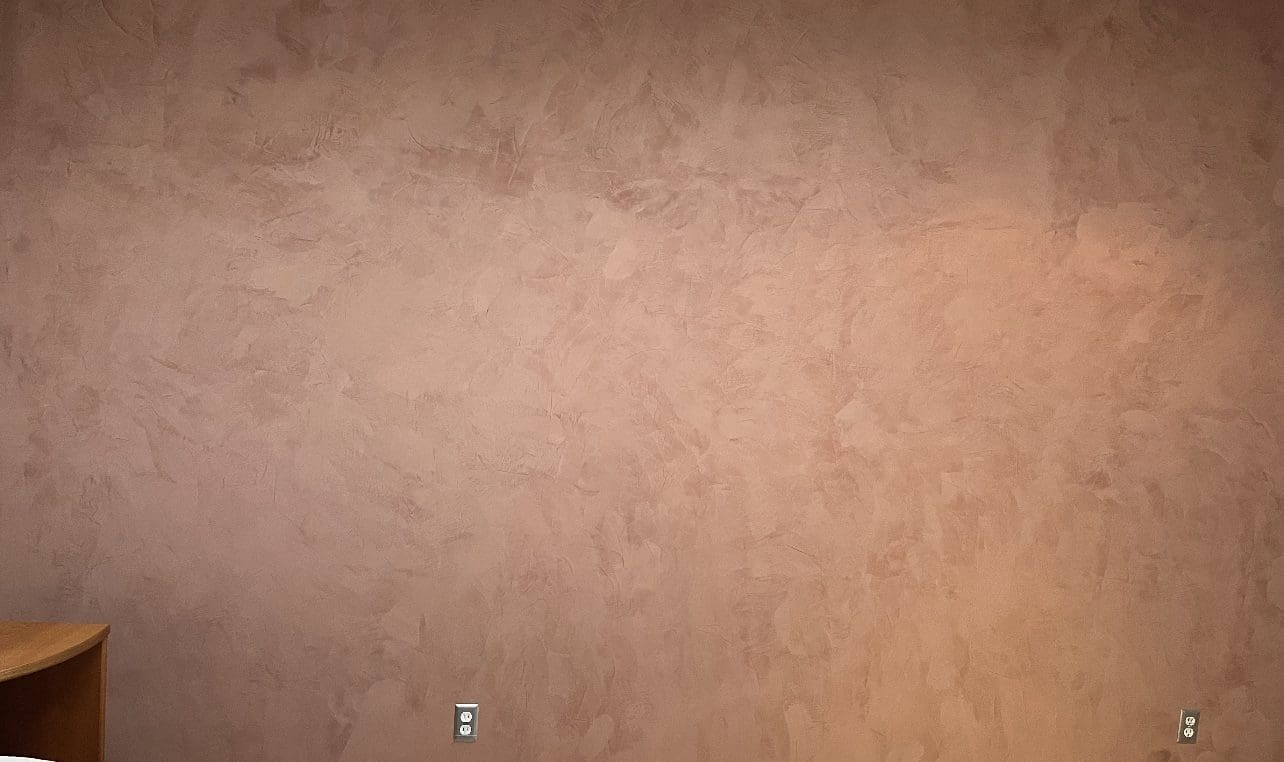
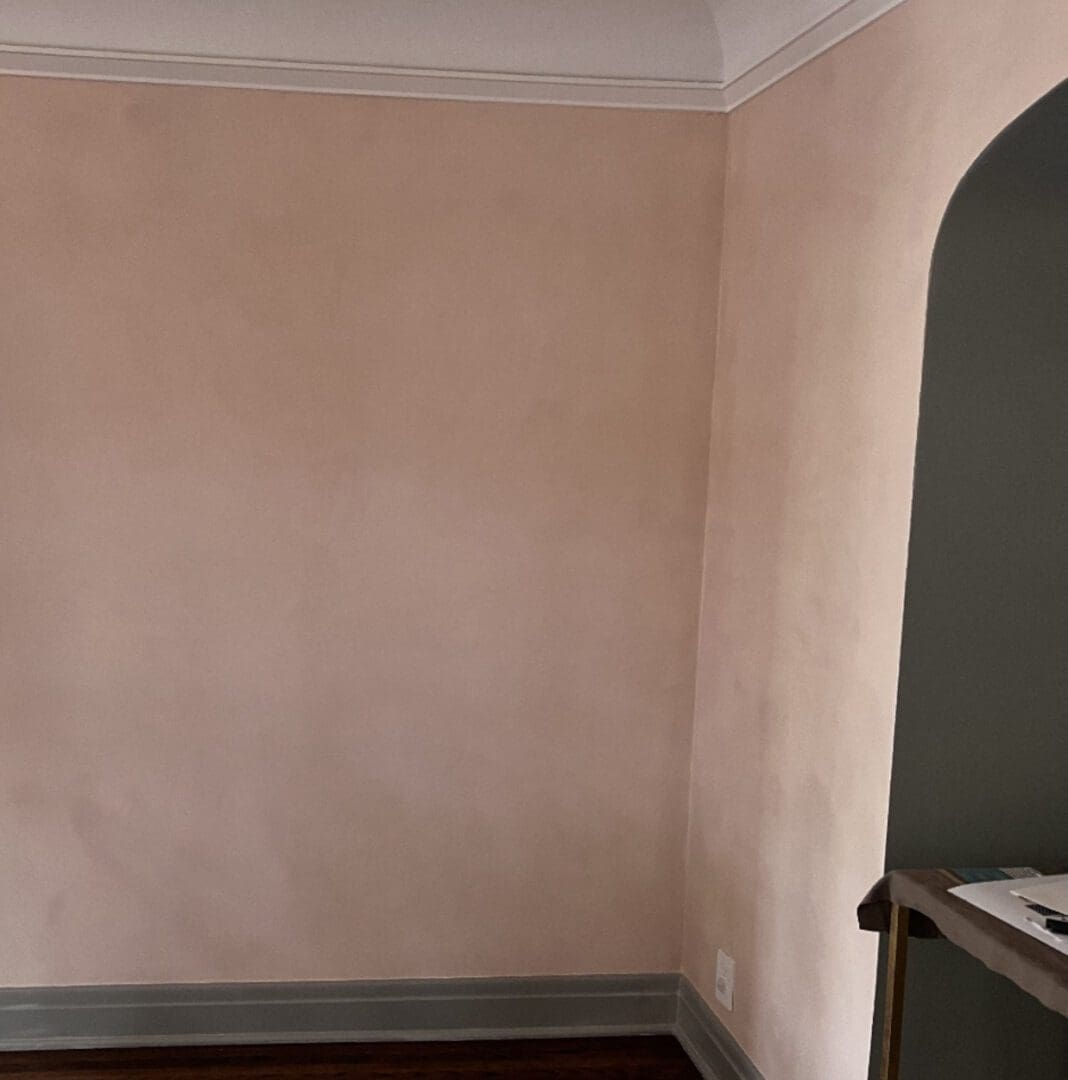
Ever walked into a room and felt like the walls were just… there? Flat. Silent. Kind of boring, honestly. We spend so much time picking out furniture or rugs, but we often forget that the biggest surface in the room is the one staring back at us. In 2026, the trend isn’t about louder colors or busier patterns. It’s about depth. It’s about texture that you can almost feel with your eyes. That’s where Portola Roman Clay comes in. It’s not just paint. It’s not exactly plaster either. It’s somewhere in between, creating a finish that feels old-world yet totally modern.
Think about the difference between a printed photo of a stone wall and the actual stone. One is flat and lifeless. The other has cracks, shadows, and history. Roman Clay gives you that second feeling. It’s eco-friendly, made from natural limestone and clay, and it brings a softness to a space that regular latex paint just can’t touch. If you’ve been staring at your beige or white walls feeling like something is missing, this might be the answer. It’s messy, sure. But the result? Totally worth it.
What Exactly Is Roman Clay?
So, what is this stuff? Portola’s Roman Clay is often described as a plaster-like finish, but calling it just "plaster" doesn’t quite do it justice. It’s a decorative coating made from natural ingredients, primarily limestone. Unlike Venetian plaster, which is polished to a high shine, Roman Clay stays matte. It’s soft to the touch and has a muted, earthy vibe. You apply it with a putty knife or a trowel, which means every stroke leaves a mark. That’s the point. Those marks create movement on the wall.
It’s versatile too. You can make it look like aged stucco, smooth marble, or rough-hewn stone depending on how you work the material. This makes it perfect for both traditional homes with lots of wood beams and super contemporary spaces with clean lines. Because it’s water-based and low-VOC, it’s a healthier choice for your indoor air quality. In an era where we’re all more conscious of what we bring into our homes, knowing your walls aren’t off-gassing harsh chemicals is a nice bonus. It’s basically a thin plaster and paint hybrid that bridges the gap between durability and aesthetics.
Why Dull Walls Need This Treatment
Let’s be real. Standard drywall with a coat of eggshell paint is fine. It’s functional. But it’s also incredibly flat. Light hits it and just bounces off uniformly. There’s no surprise. No shadow play. When you apply Roman Clay, you’re adding a third dimension to your room. The texture catches the light differently throughout the day. Morning sun might highlight the subtle ridges on one side of the room, while evening lamps cast soft shadows in the crevices on the other. It makes the room feel alive.
This organic depth does something psychological too. It grounds a space. In a world that’s increasingly digital and screen-heavy, having surfaces that feel natural and hand-touched provides a sense of calm. It’s tactile. You want to run your hand along it. Designers have been pushing for this "quiet luxury" look for years, but now it’s more accessible than ever. You don’t need to hire a master artisan from Italy to get the effect. With a bit of practice, you can achieve that sophisticated, high-end look yourself. It turns a generic builder-grade box into a space with character and soul.
Getting Your Space Ready (The Boring But Crucial Part)
Here’s the thing nobody tells you until it’s too late: Roman Clay is honest. It shows everything. If your walls have bumps, dents, or bad tape jobs, the clay will highlight them, not hide them. So, preparation is key. You need smooth interior walls. Ideally, you’re starting with Level 5 drywall finish, which is the smoothest possible standard. If your walls are textured, you’ll need to sand them down or skim coat them first. It’s extra work, but skipping this step is a recipe for regret.
Once the walls are smooth, clean them thoroughly. Dust is the enemy. Wipe them down with a damp cloth and let them dry completely. Primer is another big debate. Some people say you can go straight onto drywall, but using a high-quality primer ensures better adhesion and a more uniform base color. If you’re going for a lighter clay color, tint your primer to match. It saves you from having to do as many coats of the clay itself. Think of the prep work as the foundation. You wouldn’t build a house on sand, right? Don’t build your beautiful finish on a shaky surface.
The Application Dance: Tools and Technique
You don’t need a ton of fancy tools, but you do need the right ones. A good stainless steel trowel or a flexible putty knife is essential. Many pros prefer a trowel for large areas because it covers ground faster and creates broader, sweeping motions. For corners and edges, a smaller putty knife gives you control. You’ll also need a mud pan to hold the clay, a drop cloth (because this stuff splatters), and maybe a spray bottle with water if you’re working in a dry climate and need to keep the material workable.
The application is less about painting and more about sculpting. You load your trowel with a thin layer of clay and press it against the wall. Then, you pull it across in an arc or a straight line, depending on the look you want. The key is to vary your pressure and direction. Don’t try to make it perfect. In fact, trying to make it too uniform is what makes it look fake. Embrace the imperfections. Overlap your strokes slightly. Let some areas be thicker and others thinner. This variation is what creates that coveted depth and movement. It’s a rhythm. Load, press, pull, lift. Repeat.
Choosing Colors and Finishing Touches
Portola offers a range of colors, but the beauty of Roman Clay is that the color shifts based on the texture. A color like "Nitty Gritty," a moody grey-green, looks completely different in a thick patch versus a thin wash. When picking a color, consider the light in your room. North-facing rooms might benefit from warmer tones to counteract the cool light, while south-facing rooms can handle cooler, crisper shades. Don’t be afraid to go darker than you think. Dark Roman Clay is incredibly dramatic and cozy, like being wrapped in a heavy blanket.
Once you’ve applied two or three coats (letting each dry fully), you might wonder if you need to seal it. For most interior walls, Roman Clay doesn’t require a sealer. It’s breathable, which is great for moisture regulation. However, if you’re putting it in a high-traffic area or a spot prone to splashes, a matte wax or a specific sealant can protect it. Just test it in a small corner first to make sure it doesn’t darken the color too much. The final step is just stepping back and letting it dry. As it cures, the colors often mellow out slightly, settling into their final, earthy tone.
So, you’ve done it. Your walls are no longer flat. Now what? Caring for Roman Clay is surprisingly easy. Because it’s mineral-based, it’s durable. But it’s not indestructible. If you scuff it, you can often buff it out with a soft cloth. For deeper marks, you can lightly sand the area and reapply a tiny bit of clay, blending it into the surrounding texture. It’s forgiving in that way. Unlike paint, where a touch-up often stands out like a sore thumb, Roman Clay blends because of its random nature.
Living with these walls changes how you see your home. You start noticing the light more. You appreciate the craftsmanship, even if you did it yourself. It’s a reminder that things don’t have to be machine-perfect to be beautiful. In 2026, as we continue to seek comfort and authenticity in our living spaces, Roman Clay offers a way to slow down. It’s not a quick fix. It’s a process. But that’s exactly why it feels so special. It carries the energy of the person who applied it. And honestly, isn’t that what a home should be?
There’s a certain joy in transforming the mundane into something meaningful. Portola Roman Clay isn’t just a product; it’s an invitation to engage with your space. It asks you to look closer, to touch, to appreciate the subtle variations that make life interesting. Whether you’re renovating a single accent wall or redoing an entire house, the result is always the same: walls that breathe, shift, and live with you. So grab a trowel. Make a mess. Create something real.