So, you’re standing there. Maybe you’re staring at a cracked slab in your basement, or perhaps you’re ripping up old, stained carpet that’s seen better days. You’ve heard the buzz. Everyone from interior designers on Instagram to your neighbor who just renovated their loft is talking about polished concrete. It looks sleek. It looks expensive. But is it actually practical for a real home with real people living in it?
In 2026, the answer isn’t a simple yes or no. It’s messy. Just like life. Polished concrete has moved way beyond cold warehouses and industrial chic coffee shops. It’s becoming a staple in modern family homes, but it’s not for everyone. If you hate the idea of cold feet in the winter or if you drop things often (guilty), you might want to pause. But if you love low-maintenance living and a look that feels honest and grounded, this might be your perfect match. Let’s dig into the real details, minus the sales pitch.
The Look and Feel: More Than Just Gray Slabs
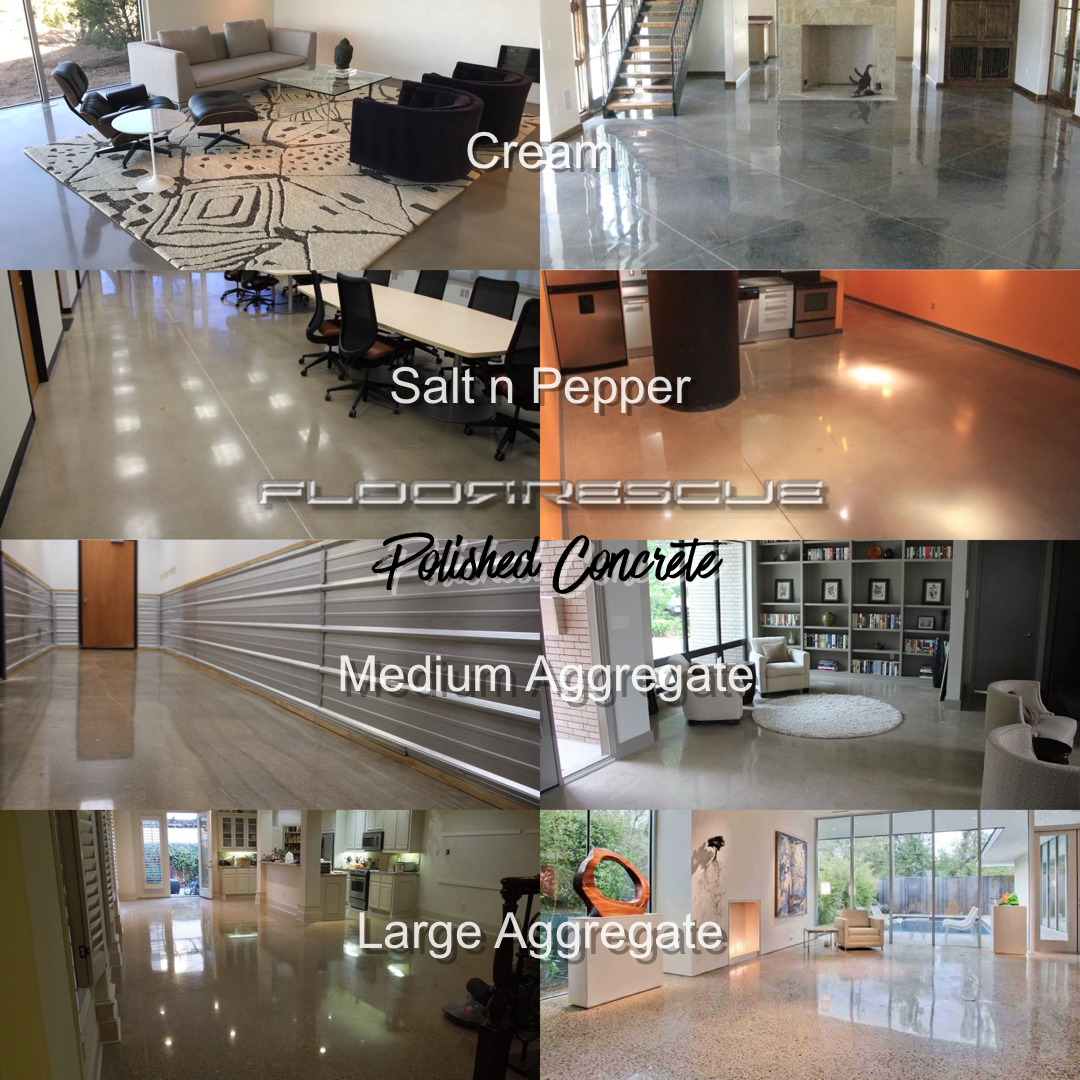
When most people hear "concrete," they think of a dull, gray sidewalk. That’s a huge misconception. Today’s polishing techniques can transform a basic slab into something that rivals marble or terrazzo. You can choose from different levels of sheen, from a matte, satin finish that feels soft underfoot to a high-gloss mirror effect that bounces light around your room. And it’s not just gray anymore. In 2026, homeowners are using integral colors, stains, and even exposing the aggregate (those little stones inside the concrete) to create unique patterns.
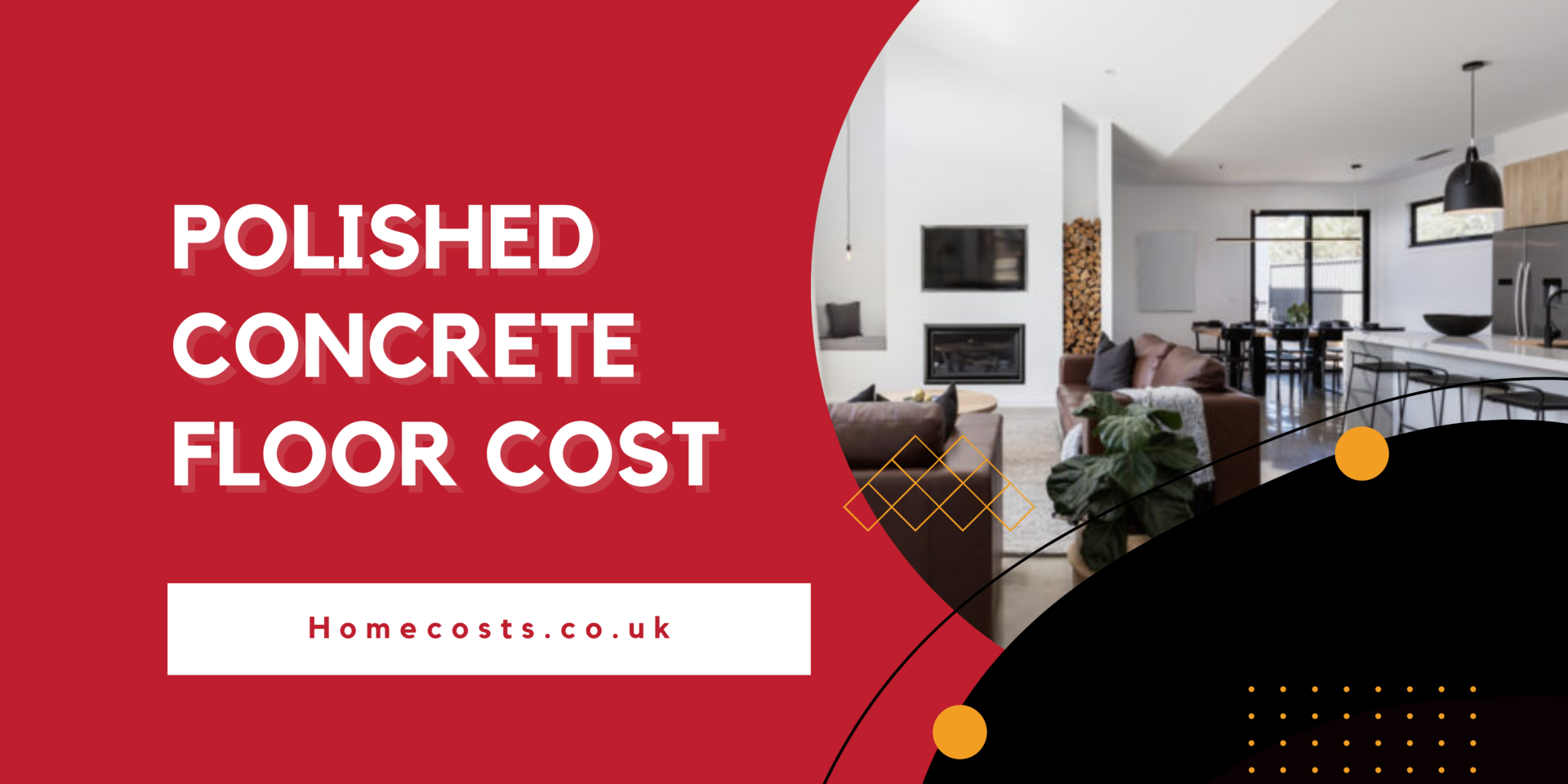
The aesthetic is undeniably modern. It works best in spaces that embrace an open floor plan. Because there are no grout lines or seams, the eye travels smoothly across the room, making small spaces feel bigger and large spaces feel cohesive. It’s an "honest" material. It doesn’t try to hide what it is. If your existing slab has cracks or quirks, the polishing process often highlights them rather than hiding them. For some, this character is a feature, not a bug. It tells the story of the home. But if you crave perfection and uniformity, this unpredictability might drive you crazy.
Think about the vibe you want. Do you lean towards minimalist, industrial, or contemporary styles? Polished concrete shines here. It pairs beautifully with warm wood accents, soft textiles, and plants, which help balance out the hardness of the floor. Without those softer elements, a room can feel sterile or cold. It’s all about balance. You don’t want your living room to feel like a parking garage. Adding a plush rug or wooden furniture brings the warmth back in, creating a space that feels inviting rather than imposing.
Durability and Maintenance: The Lazy Homeowner’s Dream?
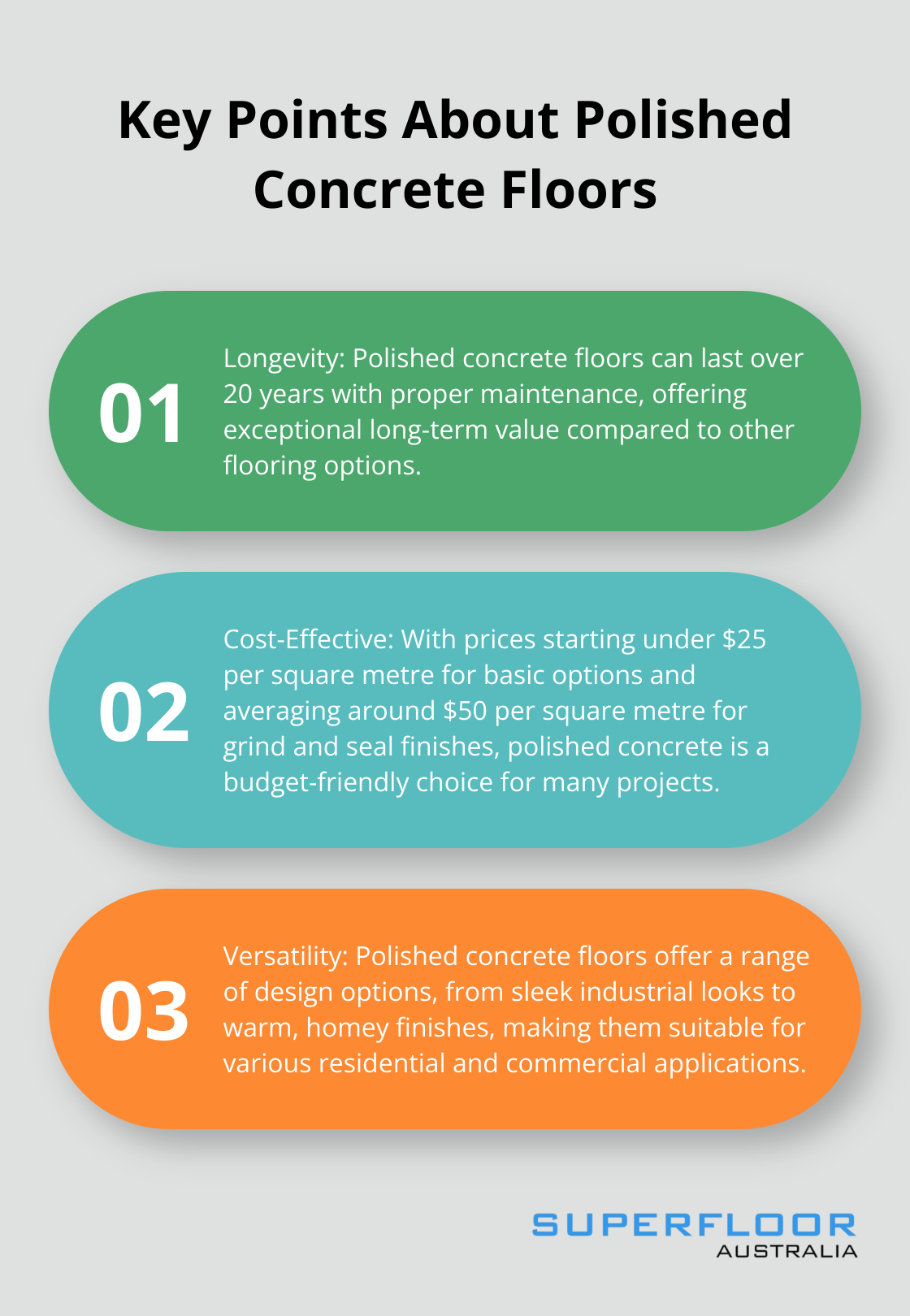
Let’s talk about the biggest selling point: durability. Concrete is tough. Really tough. It doesn’t scratch like hardwood, dent like vinyl, or stain like carpet. In a house with kids, pets, or heavy foot traffic, this is a massive win. Spilled wine? Wipe it up. Dog claws clicking across the floor? No problem. It’s built to last decades, not just years. This longevity is why so many families are choosing it over traditional options in 2026. It’s an investment that pays off by not needing replacement.
Maintenance is surprisingly simple, but it’s not zero. You don’t need waxing or stripping. A regular sweep and a damp mop with a pH-neutral cleaner are usually enough. However, it’s not invincible. Concrete is porous. If you don’t seal it properly (and re-seal it every few years), oils and acidic substances can leave marks. It’s not as "set it and forget it" as some marketers claim. You have to be mindful. But compared to refinishing hardwood every ten years or replacing carpet every five, the effort is minimal.
There’s a catch though. Hardness goes both ways. While the floor won’t break, things dropped on it might. Glass, ceramics, and even some electronics don’t stand a chance against a concrete floor. If you’re clumsy, this is a real consideration. Also, standing on it for long periods can be tiring. It offers no give. If you spend hours cooking in the kitchen, you’ll definitely want anti-fatigue mats. It’s a trade-off. You get incredible resilience, but you lose the cushioning that softer floors provide.
Comfort and Climate: Dealing with the Cold Hard Truth
Here’s the elephant in the room. Concrete is cold. In the middle of January, walking barefoot from bed to the bathroom can be a shock to the system. This is the number one complaint from new owners. However, there’s a solution that’s becoming standard in 2026: radiant floor heating. Because concrete conducts heat so well, it’s the perfect partner for hydronic or electric radiant systems. The floor warms up evenly and holds the heat for a long time, making it cozy and energy-efficient. If you’re building new or doing a major remodel, adding radiant heat is almost a must if you choose concrete.
Without radiant heat, you’re relying on rugs and slippers. In milder climates, this isn’t a big deal. But in places with harsh winters, it can be a struggle. Some people adapt quickly; others never get used to it. It’s a personal tolerance thing. Also, consider the acoustics. Concrete reflects sound. An empty room with concrete floors can echo like a gymnasium. This can make a house feel loud and chaotic, especially with kids running around.
To combat the noise, you need to introduce soft materials. Area rugs, curtains, upholstered furniture, and even acoustic panels on walls can help absorb sound. It requires a bit more intentional design than carpeted homes, where sound is naturally dampened. If you’re sensitive to noise, you’ll need to plan for this. It’s not impossible to manage, but it’s something to keep in mind during the design phase. Don’t underestimate how much sound bounces around a hard-surfaced home.
Health and Environment: The Eco-Friendly Angle
For anyone with allergies or asthma, polished concrete is a godsend. It doesn’t trap dust, pollen, pet dander, or mold spores like carpet does. There are no VOCs (volatile organic compounds) off-gassing from adhesives or fibers after installation. This creates a healthier indoor air quality, which is a huge priority for many homeowners in 2026. Cleaning is easier and more effective because you’re removing allergens, not just moving them around. For families with sensitivities, this benefit alone can outweigh the downsides.
From an environmental standpoint, it’s also a strong choice. If you’re polishing an existing slab, you’re using what’s already there. No new trees cut down for hardwood, no petroleum-based plastics for vinyl. It reduces waste significantly. Even if you’re pouring new concrete, many mixes now include recycled materials like fly ash or slag, which lowers the carbon footprint. The longevity of the floor means less frequent replacement, which further reduces environmental impact over time.
However, concrete production itself is energy-intensive and contributes to CO2 emissions. It’s not perfectly green. But when you look at the full lifecycle—installation, maintenance, and disposal—it often comes out ahead of other flooring types. Plus, the thermal mass of concrete can help regulate indoor temperatures, potentially lowering heating and cooling costs. It’s a complex picture, but generally, it’s considered a sustainable option, especially when retrofitting existing structures.
Cost and Installation: What’s the Real Price Tag?
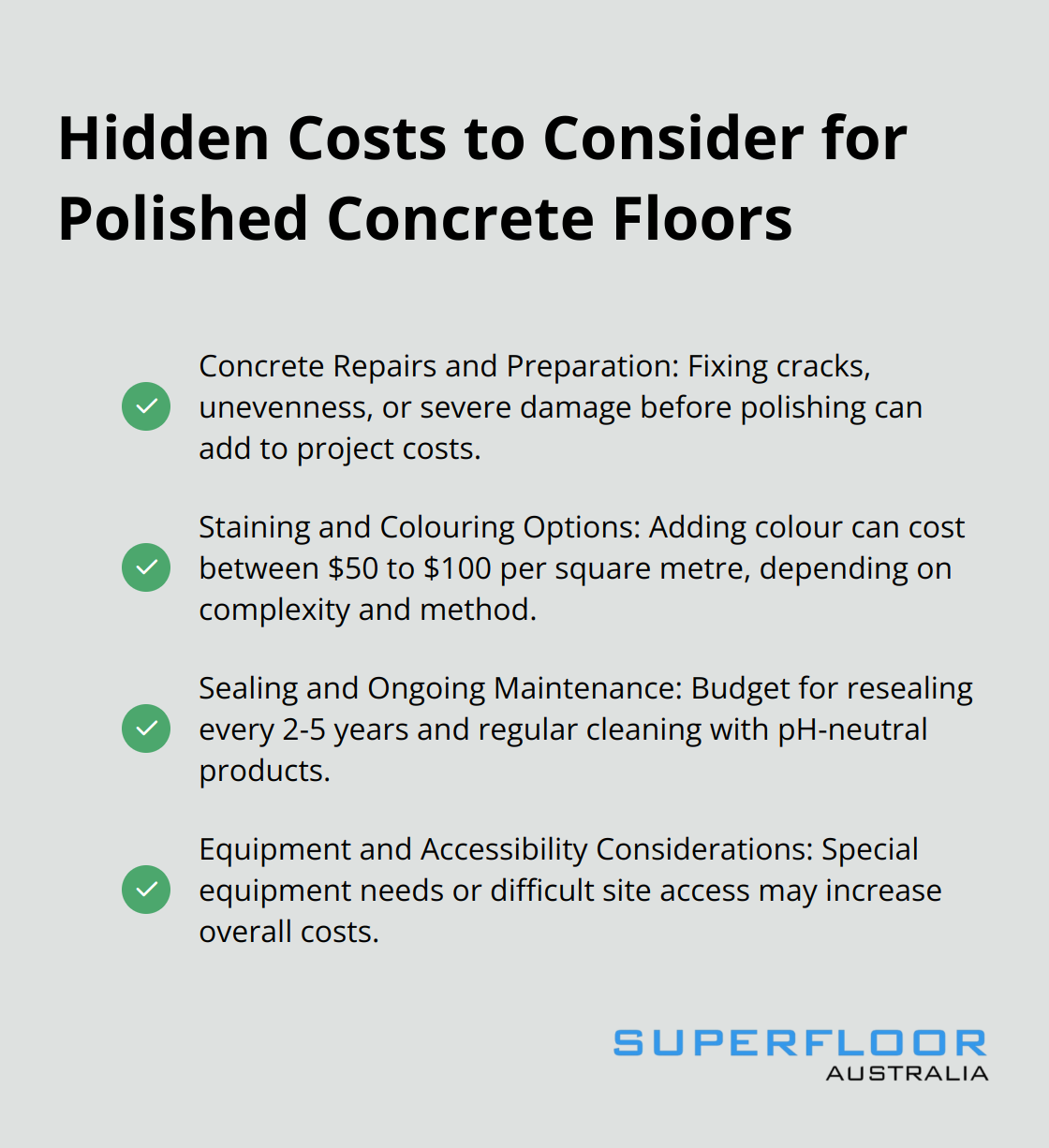
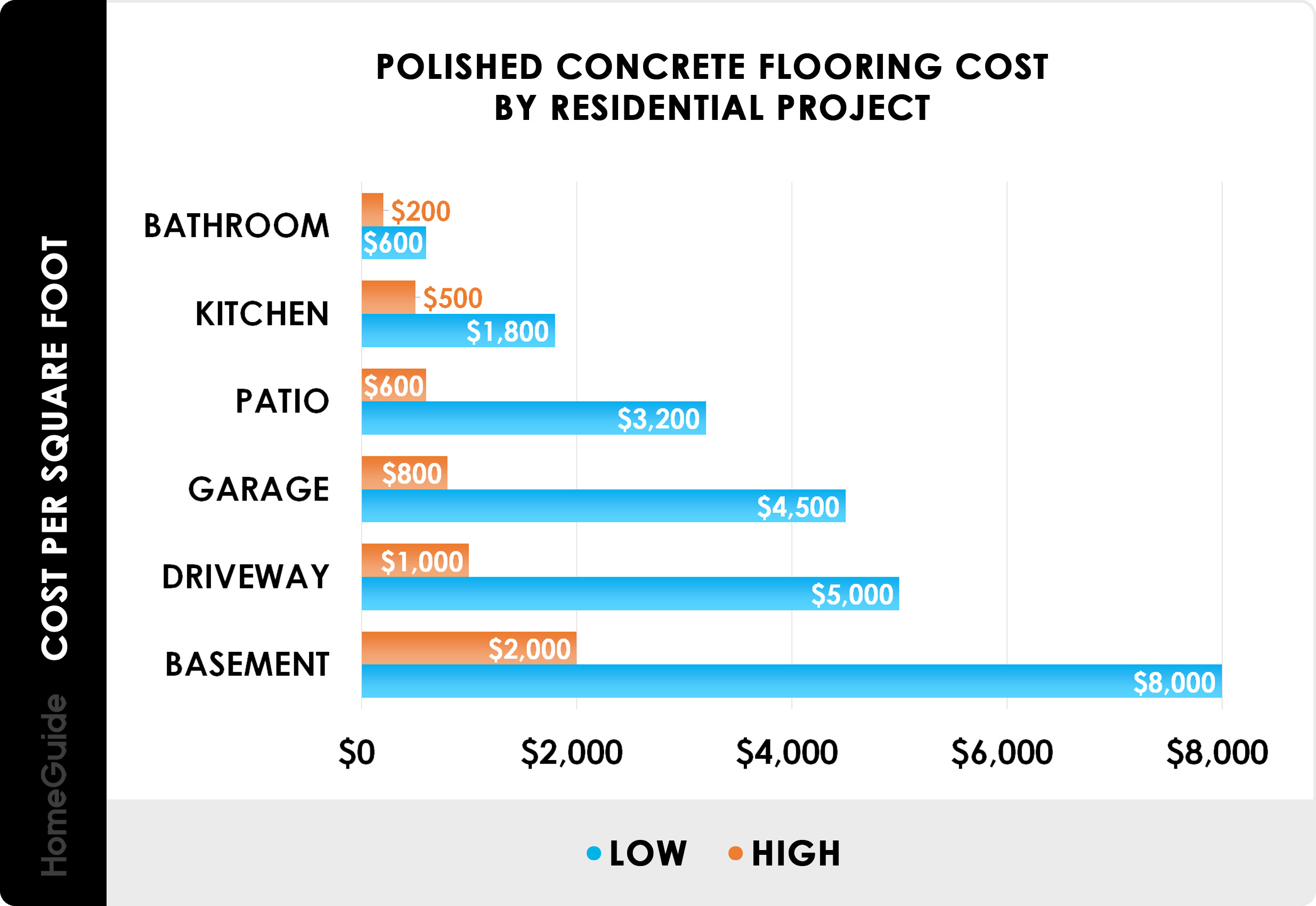
Let’s talk money. Is polished concrete cheap? Not necessarily. It’s often marketed as a budget option, but that’s misleading. The cost depends heavily on the condition of your existing slab. If you have a nice, flat, crack-free slab ready to go, polishing can be cost-competitive with mid-range hardwood or tile. But if your slab needs repair, leveling, or extensive grinding, the price climbs quickly. In 2026, expect to pay anywhere from $3 to $15+ per square foot, depending on complexity and location.
Installation is not a DIY project for most people. It requires heavy machinery, diamond abrasives, and chemical densifiers. Getting it wrong can result in uneven surfaces, visible scratches, or poor shine. Hiring a professional is crucial. And remember, prep work is key. Any imperfections in the subfloor will show through. If you’re pouring new concrete, it needs to cure properly before polishing, which adds time to your project timeline. Patience is required.
Compare this to other options. High-end hardwood can cost $10-$20 per square foot installed. Luxury vinyl tile is cheaper, around $2-$7, but doesn’t last as long. Tile varies wildly. So, polished concrete sits in the middle. It’s not the cheapest upfront, but its lifespan makes it cost-effective over time. Just be sure to get detailed quotes. Ask about what’s included: sealing, edge work, repairs. Hidden costs can sneak up on you. Always budget a little extra for unexpected slab issues.
So, is it right for you? Let’s recap. Polished concrete is ideal if you love modern, minimalist, or industrial aesthetics. It’s great for open-concept homes where you want a seamless flow. It’s perfect for allergy sufferers and those who want a low-maintenance, durable surface. If you have radiant heating or live in a mild climate, the comfort issue is minimized. It’s a smart choice for eco-conscious homeowners who value longevity and sustainability.
But it’s probably not for you if you crave the warmth and softness of traditional flooring. If you’re on a tight budget and have a problematic slab, costs might spiral. If you’re very clumsy or have young children who fall often, the hardness is a concern. If you’re sensitive to noise and don’t want to manage acoustics with rugs and decor, it might feel too harsh. It’s a lifestyle choice, not just a flooring choice.
Take a hard look at your daily life. How do you use your spaces? What matters most to you—ease of cleaning, aesthetic appeal, or physical comfort? There’s no wrong answer, only the right fit for your specific situation. Visit a showroom or a friend’s house with polished concrete. Walk on it barefoot. Drop a coin (carefully). See how it feels. Trust your instincts. In 2026, you have more options than ever, but sometimes the boldest choice is the one that strips things back to basics.
Choosing flooring is personal. It sets the stage for your life at home. Polished concrete offers a unique blend of strength, style, and simplicity. It’s not perfect, but it’s honest. And in a world of fast trends and disposable goods, there’s something refreshing about a floor that’s built to last, ages gracefully, and asks for very little in return. If that resonates with you, it might just be the perfect foundation for your home.